
Things to Do in Amman: A Guide For A Solo Traveler in 2026
The best things to do in Amman include exploring the Amman Citadel, climbing the Roman Theatre, wandering Rainbow Street and Al Balad, and eating your way through mezze and knafeh. Most travelers treat Amman as a quick stopover before Petra and Wadi Rum, which is a real shame given how much this walkable, hilly capital actually offers.
Is Amman Worth Visiting?
Yes, and travelers who slow down here consistently say it becomes one of the trip’s genuine highlights rather than just an arrival point. Amman spreads across roughly 19 hills, and the contrast between ancient ruins sitting a few blocks from modern skyscrapers gives the city a layered feel that’s easy to underestimate from the outside. A common mistake first timers make is booking just one night in Amman, when the city’s museums, food scene, and hilltop views genuinely reward two to three days of unhurried exploring.
How Many Days Do You Need in Amman?
Two to three days covers the main sights comfortably, including the Citadel, Roman Theatre, Rainbow Street, and at least one day trip to Jerash or the Dead Sea. The city itself is compact enough that most sights sit within walking distance of each other in the central neighborhoods, though the constant hills mean a walking day here also doubles as a workout. Travelers who plan on doing day trips or simply relaxing into the slower pace of Jordanian life often find their few planned days in Amman quietly stretch into a week.
Is the Jordan Pass Worth It for Amman?
For most travelers planning to visit Petra as well, yes, since the pass bundles entry to over 40 attractions across the country, including several major Amman sites.
| Attraction | Standalone Price | Included in Jordan Pass |
| Amman Citadel | Around 2 JD | Yes |
| Roman Theatre | Included with Citadel area | Yes |
| Jerash | Standalone fee | Yes |
| Jordan Museum | 5 JD | No |
The pass itself runs 70 to 80 JOD depending on the tier, and it also waives the standard visa on arrival fee, which makes it a genuine money saver rather than just a convenience purchase. The Jordan Museum is the one notable Amman sight left out of the pass, so budget separately for that 5 JD ticket if it’s on your list.
What Is the Amman Citadel Known For?
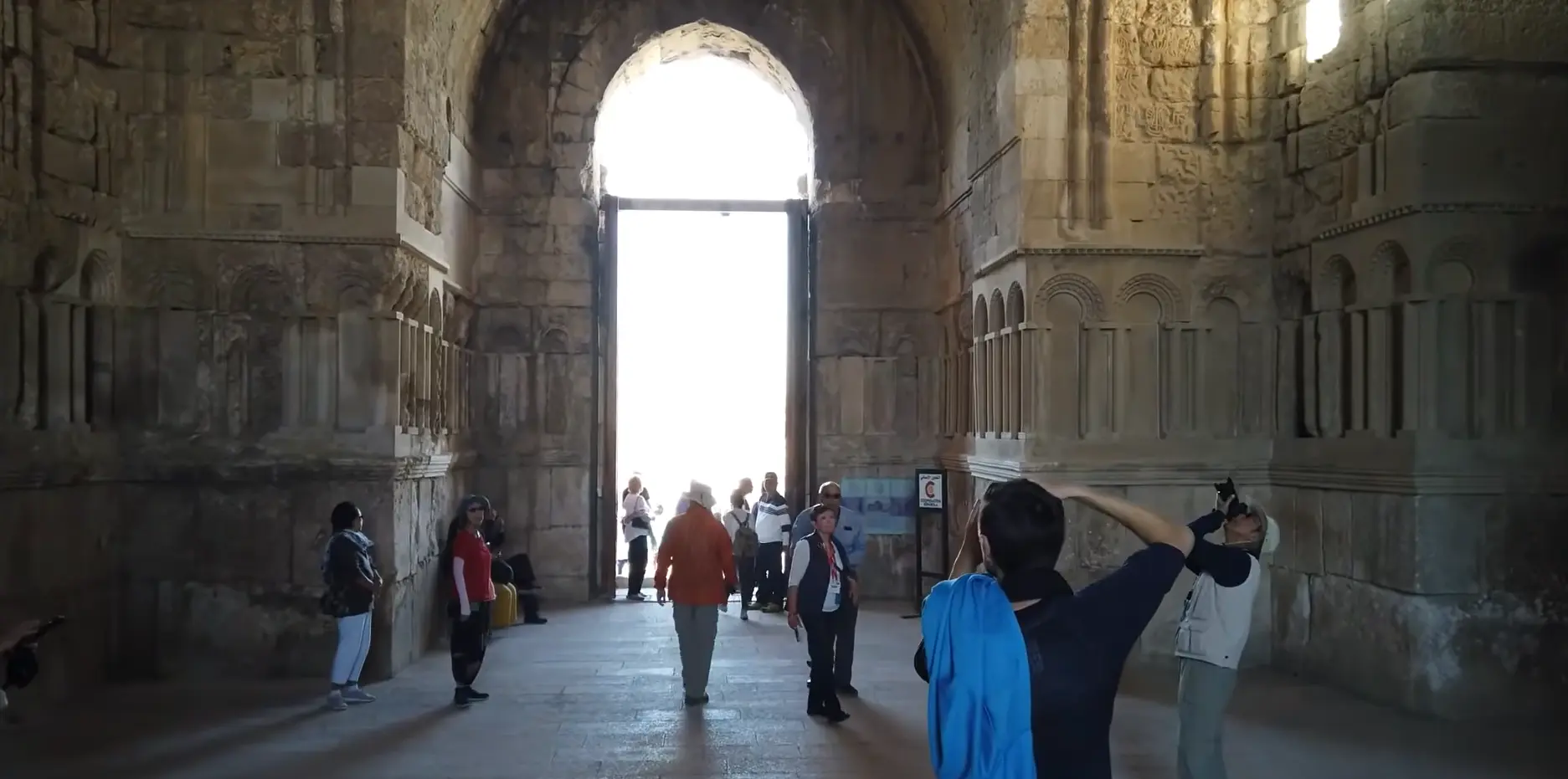
The Citadel sits atop Jebel Al-Qala, the city’s highest hill, and holds evidence of habitation dating back to the Bronze Age, making it one of the oldest continuously inhabited sites on Earth. The Temple of Hercules, built around the 2nd century AD during Roman rule, and the Umayyad Palace, added in the 8th century, are the two standout structures, with the palace’s wooden dome ceiling drawing particular praise from visitors who step inside. Locals recommend visiting about 1.5 hours before sunset, since the golden light over the city skyline and surrounding hills makes for one of Amman’s most memorable views. The attached Jordan Archaeological Museum, included with Citadel entry, houses artifacts spanning over 8,000 years, including some of the oldest known human statues in the world.
What Is the Roman Theatre in Amman?
Built between 138 and 161 CE and seating roughly 6,000 people, the Roman Theatre sits directly across the valley from the Citadel and remains genuinely striking given how centrally it sits within a modern capital city. The theatre still functions as an active cultural venue today, hosting events like the Amman International Book Fair and the Al-Balad Music Festival, alongside outdoor film screenings. The surrounding Hashemite Plaza draws locals daily, who gather on the steps from mid morning until well after dark, making the area feel like a genuine public square rather than a roped off historical site.
What Is the King Abdullah Mosque?
Completed in the late 1980s and named after Jordan’s first king, the King Abdullah Mosque is the only mosque in the city that welcomes non-Muslim visitors, making it a rare chance to see inside a working mosque in Jordan. Capacity estimates vary across sources, generally landing somewhere between 7,000 and 10,000 worshippers across the interior and courtyard combined, and the striking blue dome that gives the building its nickname is visible from several hills across the city. Visitors need appropriate dress, meaning long trousers for men and a headscarf for women, though robes and scarves are typically available to borrow at the entrance if needed. A small museum attached to the mosque displays personal items belonging to the king, adding historical context beyond just the architecture itself.
What Is the Difference Between Jabal Amman, Downtown, and Jabal al-Lweibdeh?
| Neighborhood | Vibe | Best For |
| Jabal Amman | Cosmopolitan, home to Rainbow Street | Cafes, nightlife, youthful energy |
| Downtown (Al Balad) | Historic market core | Souks, street food, cultural immersion |
| Jabal al-Lweibdeh | Artsy, close to the Citadel | Quieter base near major sights |
Jabal Amman anchors the city’s more cosmopolitan side, built around Rainbow Street’s cafes and bars, while Downtown, also called Al Balad, holds the old market core with the city’s best souks and street food. Jabal al-Lweibdeh offers a quieter alternative with a similar cafe culture to Jabal Amman but sits just a short walk from the Citadel, making it a practical base for travelers prioritizing the historical sights. Amman splits roughly into a more historic, conservative eastern half and a business-heavy, modern western half, and most travelers find staying in one of these three central neighborhoods gives the best mix of both worlds.
What Should You Eat in Amman?
Mezze, the small plates style of eating common across the Middle East, anchors most meals here, with hummus, labaneh, dolma, and tabouleh appearing on nearly every table. Falafel and shawarma dominate the street food scene, with several no-frills local spots in Downtown consistently name-checked by travelers and locals alike as serving the best in the city. Knafeh, a cheese pastry soaked in sweet syrup and topped with pistachios, is the dessert to seek out, and the busiest knafeh shops in Downtown routinely draw lines stretching around the corner in the evening. For a deeper dive into the cuisine, a cooking class at Beit Sitti, meaning “my grandmother’s house,” teaches traditional dishes like maghlube and baba ganoush in small groups led by local women.
Is Amman Safe for Solo Female Travelers?
Generally yes, and Jordan consistently ranks among the safer, more stable countries in the region, with low reported crime rates in Amman specifically. That said, honest accounts from solo female travelers note that street harassment, including unwanted comments and stares, does happen and can wear on you over a longer stay, even if it rarely escalates beyond that. Dressing modestly, with shoulders and knees covered, and traveling with a companion when possible both help reduce unwanted attention, though the core safety concerns around theft or violent crime remain genuinely low throughout the city. Solo female travelers who go in aware of this dynamic, rather than expecting zero friction, tend to report a far more positive overall experience.
What Is the Best Day Trip from Amman?
Jerash, an exceptionally well preserved Roman city about an hour from Amman, ranks as the single best day trip, with enough columns, temples, and arches to easily fill three to four hours of exploring. The site includes minimal on site signage, so travelers consistently recommend hiring a guide at the entrance to get real context on what you’re looking at. Local minivans run to Jerash but only depart once full, so arriving at the terminal early in the morning avoids unnecessary waiting around. Beyond Jerash, Jordan’s eastern desert castles, built during the Umayyad period, make for a lesser visited but rewarding half day trip for travelers who’ve already covered the main sights.
Can You Visit the Dead Sea as a Day Trip from Amman?
Yes, and at only about an hour away, it’s one of the easiest and most popular day trips from the city. Most travelers choose one of the waterfront resorts for the day, since the extreme salinity makes a classic beach day tricky without shade and a pool to break things up, and nearly every resort includes access to the mineral rich mud that’s become a must-do part of the experience. For something more active, Wadi Mujib Canyon sits right next to the Dead Sea and offers a genuinely thrilling wade-and-climb hike through a slot canyon, complete with ropes and ladders at the trickier sections. One key planning detail matters here: Wadi Mujib closes to the public from early October through March, so travelers hoping to combine both experiences in one trip need to visit during the warmer months.
Final Thoughts
Amman rewards travelers willing to treat it as more than a layover between Petra and the Dead Sea. Budget at least two to three days, get the Jordan Pass if Petra is also on your itinerary, and don’t skip Rainbow Street or a proper mezze meal just because the ruins get top billing. Whether it’s the view from the Citadel at sunset or a knafeh queue in Downtown, the things to do in Amman consistently surprise travelers who expected just a quick stop on their way to the rest of Jordan.
FAQ
What is a hammam and should you try one in Amman?
A hammam is a traditional bathhouse offering steam rooms, body scrubs, and massages, and trying one in Amman gives a genuinely local, non-touristy way to experience a normal part of Jordanian culture without the high price tag of a Western spa.
What is Rainbow Street known for?
Rainbow Street is Amman’s most popular strip for cafes, bars, and rooftop views, especially lively on Friday and Saturday evenings when locals and tourists both fill its patios and painted stairways.
What museums are in Amman?
The Jordan Museum, Jordan Archaeological Museum, Royal Automobile Museum, and Jordan National Gallery are the city’s main museums, covering everything from the Dead Sea Scrolls to a Mars rover replica used in the movie The Martian.
What is the best time to visit Amman?
Spring and autumn, roughly April to May and September to November, offer the most comfortable weather for exploring the city’s hilly streets and outdoor historical sites without extreme heat or cold.


