
Clark Museum in Pampanga: What to See, What to Expect, and Why It Matters
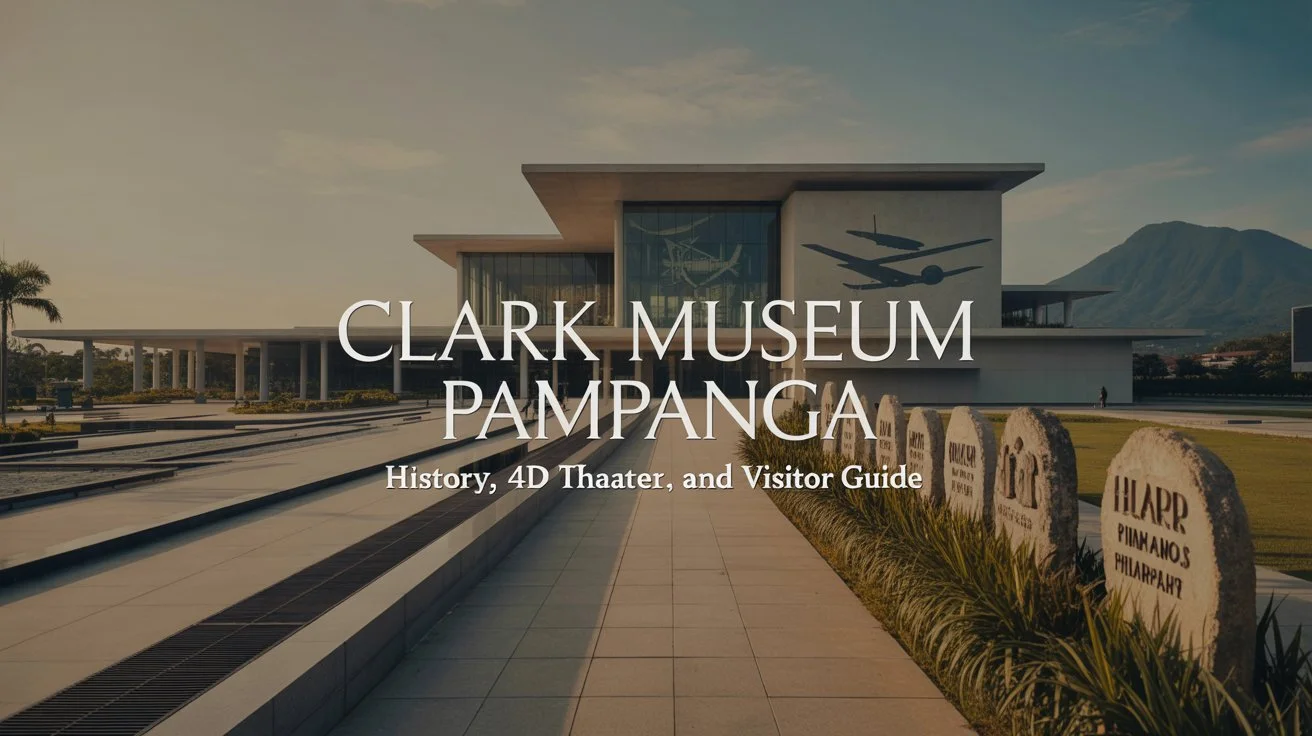
People often come to Clark for the easy comforts. The roads are wide. The area feels neat. There are hotels, restaurants, and familiar places to stop for a relaxed day out. But that polished side of Clark can also hide its deeper story. If you want to understand the place beyond its modern image, Clark Museum is one of the best stops you can make.
This is not the kind of attraction that tries to impress you with size alone. It works in a quieter way. It gives you context. It helps explain how this part of Pampanga became what it is today. Once you step inside, Clark starts to feel less like a planned district and more like a place shaped by history, hardship, recovery, and change.
That is what makes the museum worth your time. It is not just about old objects or dates on a wall. It is about seeing how Clark Field, local communities, and the 1991 Mount Pinatubo eruption all connect to the Clark people know now. For many first time visitors, that shift in understanding is the part that stays with them.
What Clark Museum is really about
At its core, Clark Museum is a heritage and history museum inside Clark Freeport Zone. It tells the story of the area from different angles, not just one. You get the military past, but you also get local life, geography, community, and the events that changed the region for good.
That balance matters. A lot of places with military roots lean too heavily on one part of the story. Here, the broader picture feels more important. The museum does not only show what happened in Clark. It helps show why it still matters. That makes the visit more meaningful for both locals and travelers.
Another thing that helps is the setting. You are not learning about a faraway place. You are standing in the same wider zone the exhibits talk about. That creates a stronger connection right away. The roads, buildings, and open spaces outside the museum begin to make more sense once you understand what came before them.
Why the story of Clark matters
If you only know Clark as a clean and modern district, the museum can be surprising. It reminds you that the area was not always what it is now. Clark has gone through major shifts over time. It carried a strong American military presence. It was shaped by its years as Clark Air Field. Later, it had to face one of the most dramatic turning points in the region’s history.
That turning point was the eruption of Mount Pinatubo in 1991. For many people, that event is just a fact they remember from school or news footage. Inside the museum, it becomes more personal. You start to see how the eruption affected land, communities, and the future of Clark itself. It was not just a natural disaster. It changed the direction of the area.
This is one reason the museum feels richer than many quick attraction pages suggest. Clark is not only a modern business and tourism zone. It is also a place shaped by disruption and rebuilding. The museum gives that story the space it deserves.
What you will see inside the museum
The exhibits are arranged in a way that makes the visit easy to follow. You do not feel lost. You do not need hours to understand what you are seeing. The galleries move through different themes, giving you a fuller picture of the area instead of repeating the same point in different forms.
One part focuses on the land itself, including the geography and geology of the region. That is a smart place to begin because it grounds the rest of the story. The landscape here is not just background scenery. It has shaped life, movement, and even disaster.
Another section highlights craftsmanship, innovation, and the working side of local history. This keeps the museum from feeling too narrow. It shows that Clark is not only about military structures or official events. It is also about people building, adapting, and creating over time.
Then the story moves into Clark Air Field and the area’s military chapter. This is where many visitors slow down. The displays help connect familiar names and periods with real objects, photographs, and visual materials. Instead of reading a plain summary online, you get a better feel for the scale and atmosphere of that period.
The museum also gives space to Clark’s people, which is one of the most important parts of the whole visit. That human layer keeps the museum grounded. Without it, the story would feel too distant. With it, the place feels lived in.
The kind of exhibits that keep the visit engaging
One reason the museum works well is that it does not depend on one style of display. You will see artifacts, historical memorabilia, old photographs, murals, replicas, and visual exhibits that help break up the experience. That variety matters more than people think.
Not every visitor wants to stand and read long text panels. Some connect better through images. Others like objects that feel tied to real lives. A museum becomes much easier to enjoy when it speaks to different kinds of attention, and this one seems to understand that.
That is also why the stop works for mixed groups. Families, students, and casual tourists can all get something from it. History lovers may focus on the details. Kids may respond better to visuals and movement. First time visitors to Clark may simply enjoy seeing the district through a different lens. The museum makes room for all of that.
The local side of the story matters too
A weaker article would talk only about Clark’s military past. A better one gives room to the local side of the story as well. That is where the museum feels more complete. It is not only about outside power or major institutions. It is also about place, identity, and the people whose lives were tied to the region long before the polished version of Clark took shape.
This is where the mention of the Aeta community matters. If you leave that side out, the article feels incomplete. Clark’s story is not only about bases, roads, and later development. It is also about older roots and local memory. Even when visitors come for a quick cultural stop, that layer gives the museum a stronger heart.
It also helps your understanding of Clark feel more balanced. You stop seeing the area as a place that suddenly became modern. Instead, you see it as a place with deeper ties and longer histories. That shift makes the visit feel more thoughtful.
Why the Mount Pinatubo section stays with people
For many visitors, the most powerful part of the museum experience is the way it handles Mount Pinatubo. The eruption is not treated like a side event. It is shown as one of the forces that changed Clark in a lasting way. That gives the museum emotional weight.
Disaster stories can feel distant when they are reduced to one date and a few dramatic photos. Here, the story feels closer. You begin to understand that the eruption did not just affect a volcano site or a news cycle. It touched communities, structures, plans, and the future direction of the area.
That is one reason the museum feels more than educational. It feels human. You are not only learning facts. You are seeing how a place was tested, then changed. That is easier to connect with, even if you do not usually seek out museums.
What the 4D Theater adds to the visit
The 4D Theater is one of the biggest reasons people remember this stop. In many attractions, a theater like this can feel like an extra feature added for marketing. Here, it gives the museum a stronger emotional pull.
The short film tied to Clark’s history and the Pinatubo eruption adds motion, sound, and a more immersive style of storytelling. That helps visitors who may not be naturally drawn to museum displays. Some people learn best by walking through exhibits. Others connect more when the story is shown to them in a more active way. The theater helps bridge that gap.
It also gives the visit a rhythm. You move from displays and artifacts into something more sensory, then step back out with the story still fresh in your mind. For families and first time visitors, that can be the part that makes the museum feel more memorable.
At the same time, it is smart to keep expectations realistic. Theater schedules can change, and not every visit plays out the same way. The good news is that the museum still holds value even without that feature. The theater strengthens the experience, but the deeper story is what gives the place its real substance.
How long you need for the visit
One of the best things about Clark Museum is that it does not demand your whole day. Most visitors can explore it in about one to two hours. That makes it easy to fit into a wider Clark plan.
This works especially well for travelers who want something meaningful without feeling drained. You can visit in the morning, enjoy the exhibits, take in the theater if it is running, and still have time for lunch or another nearby stop. That makes the museum practical as well as interesting.
It also helps solve a common travel problem. Some attractions sound appealing, but they ask for more time and energy than you want to give. This one feels manageable. You get a full story in a compact visit, and that is part of its charm.
Who will enjoy Clark Museum the most
This is a great stop for people who like to understand a place, not just pass through it. If you enjoy history, local stories, or cultural context, you will likely appreciate it. Students can get a lot from the exhibits. Families may find it easier than a larger museum because the visit stays focused. First time visitors to Clark may leave with a stronger sense of where they are.
It may not be the best fit for travelers who want nonstop action or huge entertainment spaces. That is fine. Not every attraction has to serve the same purpose. This museum works best for people who enjoy quieter value, clear storytelling, and a sense of connection to the area around them.
That honest framing matters. When people know what kind of experience to expect, they enjoy the place more. The museum is compact, thoughtful, and rooted in local meaning. That is its strength.
Why it works so well as part of a Clark day out
One smart way to enjoy the museum is to treat it as the cultural anchor of a half day in Clark. Instead of forcing it to carry your full itinerary, pair it with something nearby. That could be a walk, a coffee stop, or a relaxed meal later in the day.
This is where the museum really shines. It gives your time in Clark more shape. Without it, the district can feel polished but a little detached. After the visit, the rest of the area feels different. The roads, open spaces, and newer developments start to feel tied to a deeper story.
That change in perspective is one of the strongest reasons to go. A lot of attractions entertain you for an hour and then fade from memory. Clark Museum tends to stay with people because it changes how the wider place feels.
Is Clark Museum worth visiting
Yes, it is worth visiting, especially if you want more than a surface level stop. The museum gives Clark a backstory. It helps connect the district’s modern image with its military past, its local identity, and its recovery after disaster.
What makes it worth the stop is not its size. It is the way it helps the rest of Clark make sense. That is a rare strength. Many small museums try to do too much or say too little. This one feels more grounded. It gives you enough to think about without becoming heavy or exhausting.
If you go in expecting a huge full day attraction, you may feel it ends quickly. If you go in wanting a short, meaningful visit that adds depth to your time in Pampanga, it does its job very well.
Final thoughts
Some places leave an impression because they are loud, dramatic, or packed with spectacle. Others stay with you for a different reason. They help something click. Clark Museum belongs in that second group.
By the time you leave, Clark feels less like a clean stop on the map and more like a place shaped by memory, upheaval, and rebuilding. Through the story of Clark Field, the region’s people, and the impact of Mount Pinatubo, the museum gives the area a fuller identity.


