
Basil in Spanish Food: What “Albahaca” Means and How Spaniards Actually Use It
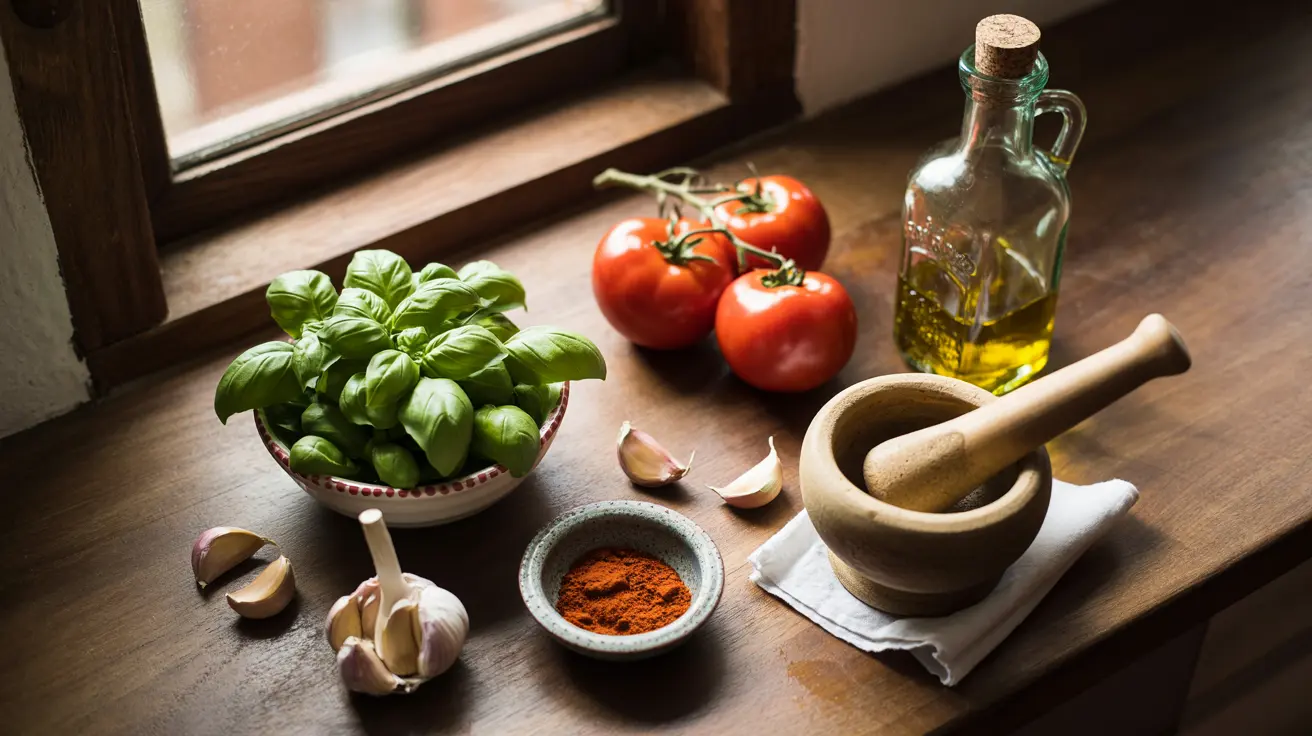
If you searched this because you want the Spanish word for basil, it is simple. Basil in Spanish is albahaca. If you searched because you want to cook Spanish food and you are not sure where basil fits, that is also simple. Basil can work in Spanish style meals, but it is not the main “signature” herb in many classic recipes. Once you know when it helps and when it clashes, it gets easy to use it well.
Basil in Spanish
Translation, gender, plural, and fast pronunciation
In Spanish, basil is la albahaca, and it is a feminine noun. The plural is albahacas. Most people say it like ahl bah AH kah. If you like the technical form, the IPA is /alβaˈaka/. Keep it relaxed. People will understand you even if your accent is not perfect.
| English | Spanish | Article | Gender | Plural | Easy pronunciation | IPA |
|---|---|---|---|---|---|---|
| basil | albahaca | la | feminine | albahacas | ahl-bah-AH-kah | /alβaˈaka/ |
How to pronounce “albahaca” without overthinking it
Everyday pronunciation
Say it in four beats: ahl bah AH kah. Put the stress on the third beat, the “AH.” The “h” is silent in Spanish, so you do not breathe it out. If you can say “bah” and “kah,” you can say this word.
Pronunciation variants you may hear
You might hear small changes by region and speed. That is normal. In Spain and across Latin America, the word is still understood the same way. Focus on the rhythm and the stress. That matters more than tiny sounds.
Is basil traditional in Spanish cuisine or more modern?
The simple truth about where basil fits
In many traditional Spanish dishes, basil is not the first herb people reach for. Spanish cooking often builds flavor from olive oil, garlic, onion, paprika, saffron, bay leaf, and parsley. Basil shows up more in modern plates, coastal Mediterranean style food, and lighter tomato based dishes. It can also appear in restaurant tapas where chefs mix ideas from nearby cuisines.
This is why many people get confused. They see basil in “Spanish style” recipes online, then wonder if it is authentic. The truth is that it can be authentic to modern Spanish cooking, but it is not a classic backbone herb in the way parsley is.
Where basil shows up more often in Spain
Basil tends to make sense when the dish is fresh, simple, and tomato friendly. Think of salads, quick sauces, roasted vegetables, and seafood served with olive oil. It can also work in cold plates where you want a clean aroma. It is less common in heavy stews and rice dishes where saffron and paprika define the flavor.
Herbs and spices Spaniards reach for more than basil
Spanish pantry staples you should know
If your goal is “this tastes Spanish,” these are the names you will see again and again in recipes:
- Perejil (parsley)
- Laurel (bay leaf)
- Tomillo (thyme)
- Romero (rosemary)
- Orégano (oregano)
- Pimentón (paprika, often smoked)
- Azafrán (saffron)
Knowing these helps you cook with confidence. It also helps you read Spanish recipes and shop faster.
Quick comparison that makes decisions easy
A lot of people add basil because they want a “fresh herb” and it is the only one at home. That is a normal problem. Here is a simple way to choose without guessing.
| Flavor goal | Better Spanish choice | When basil still works |
|---|---|---|
| Classic Spanish taste | pimentón + laurel | tomato salads, modern tapas |
| Fresh green note | perejil | cold sauces, light seafood plates |
| Herbal warmth | tomillo or romero | roasted vegetables, baked fish |
| Pizza style aroma | orégano | only if the dish already leans Italian |
Albahaca vs perejil in real cooking
Parsley is bright, grassy, and clean. It blends into many Spanish dishes without taking over. Basil is sweeter and more “perfume like.” Basil can quickly become the main character. If you want the dish to taste Spanish, parsley is safer. If you want a modern twist, basil can be the accent.
Best ways to use basil in Spanish style cooking
Basil friendly Spanish style dishes that feel natural
Basil works best when the dish is simple and the ingredients can handle a fresh aroma. These are good places to use it without making the food feel confusing:
Tomato salad with olive oil and salt
Add a few torn basil leaves at the end. Keep it light. Do not chop it into tiny bits.
Roasted vegetables
Roast peppers, zucchini, or eggplant with olive oil and garlic. Add basil after roasting, not before. Heat can dull the aroma.
Seafood plates
Shrimp, clams, or white fish with olive oil and lemon can take a small basil touch. Use it like perfume, not like a seasoning base.
Tapas spreads and cold plates
Basil can lift a cold sauce or a simple plate with tomatoes and cured items. Use a small amount and taste.
Dishes where basil can feel off in classic versions
This is another common problem. Someone follows a classic Spanish recipe, adds basil because it is “a herb,” and then the dish tastes wrong.
Paella usually does not need basil. Saffron and paprika carry the identity. Basil can clash with that warm spice profile.
Hearty stews and bean dishes often want bay leaf, thyme, and paprika. Basil can feel sweet and out of place.
Tortilla española does not need basil. It is about potato, onion, and egg. Parsley is the safer herb if you want one.
If you still want basil in these dishes, keep it tiny. Use it as a garnish on the plate, not in the pot.
Pairing guide so you do not ruin the flavor
Basil usually pairs well with tomato, olive oil, garlic, and mild cheeses. It also plays well with lemon and light seafood. Basil can fight with strong smoky paprika. Basil can also get weird next to heavy saffron notes. When in doubt, use parsley inside the dish and basil only on top.
Fresh vs dried basil in Spanish cooking
The flavor difference in one clear picture
Fresh basil is about aroma. It gives a sweet, green smell that hits first. Dried basil is about background flavor. It can taste dull or slightly minty if you use too much. In Spanish style cooking, fresh basil is the better choice when you want basil at all.
What to do if you only have one
If you only have dried basil, use a small pinch and add it early, so it has time to soften. If you only have fresh basil, add it late, right before serving. This keeps the smell alive.
If your recipe calls for a “basil leaf,” that usually means fresh. If it says “sweet basil,” it also points toward the common fresh herb used in most kitchens.
How to ask for basil in Spanish at a market or restaurant
Simple phrases you can copy and use today
Here are short phrases that work in real life. Keep them simple and slow.
- ¿Tiene albahaca fresca?
- Quiero albahaca, por favor.
- ¿Cuánto cuesta la albahaca?
- Un manojo de albahaca, por favor.
- ¿Tiene albahaca seca?
Useful label words you will see
You may see fresca for fresh, seca for dried, hojas for leaves, manojo for a bunch, and planta for a potted plant. If you can read these words, shopping gets easier fast.
Buying and storing basil so it does not turn black
Picking good basil in seconds
Choose basil with bright leaves and firm stems. Avoid bunches with dark spots, slimy stems, or leaves that look crushed. Smell it if you can. It should smell sweet and fresh, not musty.
Storage that keeps it fresh longer
Basil bruises easily. That is why it turns black fast in many kitchens. Use one of these simple solutions.
If the basil is very fresh, place the stems in a glass of water like flowers. Keep it on the counter, out of direct sun. Loosely cover the leaves with a bag if your kitchen is dry.
If your kitchen is hot, you can store it in the fridge, but do it carefully. Wrap it lightly in a paper towel, then place it in a container. Do not crush it. Do not wash it until you are ready to use it. Water on the leaves speeds up dark spots.
Common confusion: basil vs other green herbs in Spanish
Do not mix these up when you cook
A lot of people confuse basil with parsley because both are green. They do different jobs.
Basil vs parsley
Parsley is cleaner and blends in. Basil is sweeter and stands out. Use parsley when you want the dish to stay “Spanish classic.”
Basil vs cilantro
Cilantro has a sharp, citrus like edge and tastes very different. It is more common in some Latin cuisines than in classic Spanish dishes.
Basil vs oregano
Oregano is drier and more earthy. It fits meat, sauces, and baked dishes well. Basil is softer and more fragrant.
If your dish tastes “not Spanish,” this confusion is often the reason. Switch the herb, and the dish improves fast.
FAQ: Basil in Spanish and Spanish food
Is basil masculine or feminine in Spanish?
It is feminine. You say la albahaca.
What is the plural of albahaca?
The plural is albahacas.
How do you pronounce albahaca?
A simple way is ahl bah AH kah. Stress the “AH” sound.
Do Spaniards cook with basil often?
It appears more in modern cooking and lighter Mediterranean style plates. Classic recipes usually lean on parsley, bay leaf, thyme, and paprika.
What herb is most common in Spanish cooking instead of basil?
Parsley is the most common everyday herb in many Spanish kitchens. Bay leaf and thyme also show up often.
Can I use basil in paella?
You can, but it is not traditional. If you use it, keep it as a tiny garnish. Let saffron and paprika lead.
What is the best substitute for basil in Spanish style dishes?
For a fresh herb note, parsley is the safest choice. For deeper flavour, thyme or bay leaf fits better, depending on the dish.
Mini glossary for Spanish recipes
Spanish herb and spice words you will see
- perejil: parsley
- laurel: bay leaf
- tomillo: thyme
- romero: rosemary
- orégano: oregano
- pimentón: paprika
- azafrán: saffron
Spanish dish words used as examples
- paella: saffron rice dish
- gazpacho: cold tomato soup
- tortilla española: Spanish omelet
- pan con tomate: bread with tomato
- salsa verde: green sauce, often herb based
Conclusion
Basil in Spanish is albahaca, and it is easy to say once you know the rhythm. The bigger win is knowing how to use it in Spanish style cooking without forcing it. Basil fits best in fresh, tomato friendly, modern plates. If you want a classic Spanish taste, reach first for parsley, bay leaf, paprika, and saffron. Use basil as an accent when it makes sense, and your food will taste more intentional.


