
How Are Consumer Lifestyles be Measured
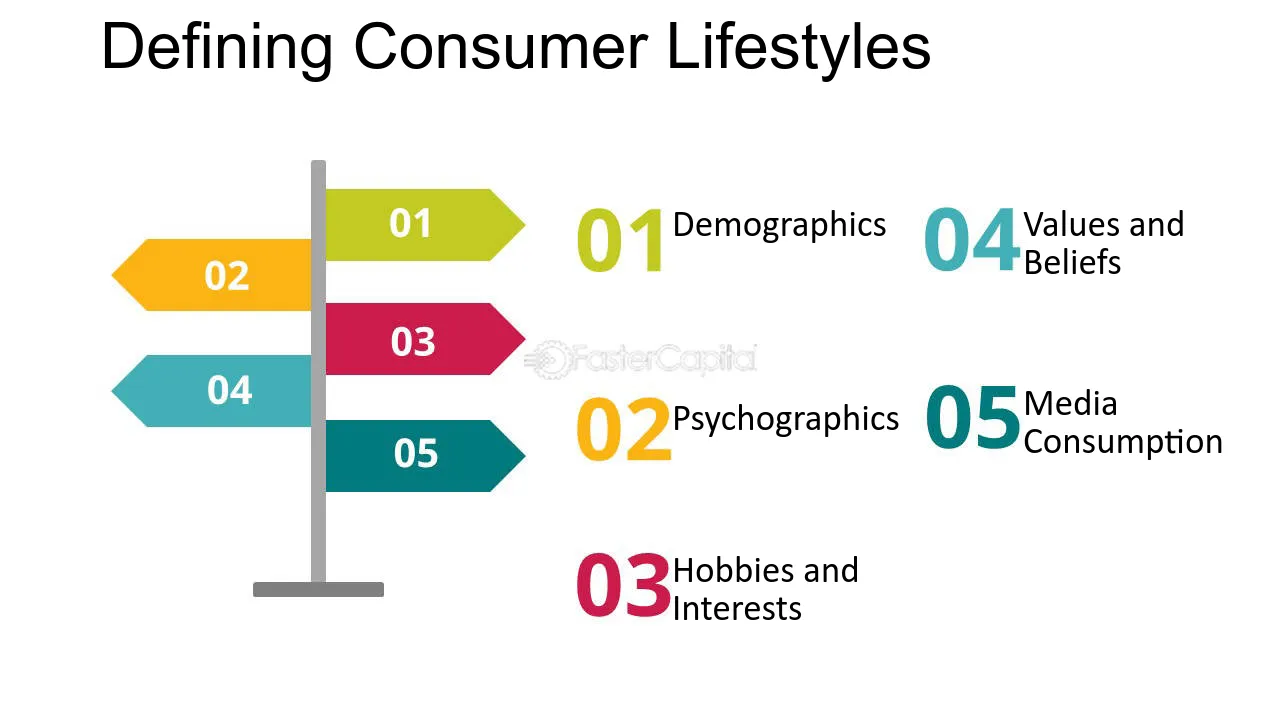
Consumer lifestyles are measured with psychographic research. This research captures what people do, like, and believe. A common approach uses activities, interests, and opinions. Researchers then group similar people into lifestyle segments.
Lifestyle Measurement Basics
Lifestyle measurement uses data that explains daily life. It goes beyond age and income. It focuses on routines, preferences, and beliefs. Brands use it to understand why people choose certain products.
What Lifestyle Means In Research
In research, lifestyle means patterns of living. It includes how people spend time. It includes what they value. It also includes what they think about products and society.
Why Lifestyle Measurement Helps
Lifestyle data helps brands speak in the right tone. It helps them pick the best channels. It also helps them design products that fit real habits. This matters in crowded markets.
The Main Ways Researchers Measure Lifestyle
Researchers use several methods to measure lifestyle. Each method captures a different layer. Beginners often start with surveys, then add deeper methods later.
Surveys And Questionnaires
Surveys are the most common method. They reach many people fast. They also make answers easy to compare. A good lifestyle survey uses simple words and clear choices.
Interviews And Focus Groups
Interviews go deeper than surveys. They help you learn reasons behind choices. Focus groups add discussion and shared ideas. These methods are slower but richer.
Observation And Ethnography
Observation means watching real behavior. Ethnography adds more time in real settings. This can reveal habits people forget to mention. It also shows how context shapes decisions.
Consumer Diaries And Day In The Life Logs
Diaries track daily routines over time. People write what they do and why. This helps you see patterns across days. It also shows where habits change.
Social Media Listening And Content Signals
Social content can show interests and trends. It can hint at values and identity. Use this carefully and ethically. Avoid personal data when you do not need it.
Purchase, App, And Website Behavior Data
Behavior data shows what people do, not just what they say. It includes purchases and browsing patterns. It can validate survey results. It can also reveal new groups.
AIO Method Explained In Simple Words
AIO stands for activities, interests, and opinions. It is a classic way to measure lifestyle. It works well for beginners because it is easy to structure.
Activities Examples
Activities are what people do. This includes work routines and hobbies. It also includes travel and shopping habits. It can include exercise and entertainment choices.
Interests Examples
Interests are what people care about. This includes topics they follow. It includes products they enjoy. It can also include food, fashion, or technology.
Opinions Examples
Opinions are what people believe. This can include views on health and money. It can include views on sustainability and brands. It can also include views on social topics.
AIO Questions You Can Copy And Adapt
Use short questions with clear answers. Ask how often they do something. Ask what matters most when buying. Ask what they agree with and disagree with.
What do you do on weekends most often?
Which topics do you follow weekly?
What matters most when you buy a new product?
How do you feel about paying more for quality?
Lifestyle Frameworks You May See In Reports
Some reports use ready made lifestyle systems. These systems sort people into types. They can save time, but they are not perfect for every market.
VALS In One Minute
VALS is a common psychographic framework. It groups people by motivations and resources. It can help you start segmentation fast. You still need to test if it fits your audience.
Lifestyle Clusters And Neighborhood Segments
Some tools connect lifestyle to where people live. They group areas by shared patterns. This can help for retail and local marketing. It still needs careful validation.
When A Ready Made Framework Is Enough
A ready framework can work for broad planning. It can work when time is tight. It may fail for niche products. It may also miss fast changing trends.
Step By Step Process To Measure Lifestyle For Beginners
Lifestyle measurement works best with a clear process. Each step builds on the last. This keeps the results useful.
Step 1: Define The Decision You Need To Make
Start with one decision. It could be a new product idea. It could be a new ad message. It could be a new target group.
Step 2: Choose A Data Method That Fits Your Budget
If you need speed, start with surveys. If you need depth, add interviews. If you need proof, add behavior data. You can also mix methods.
Step 3: Build Your Questions And Keep Them Clear
Use short sentences. Use one idea per question. Avoid confusing words. Keep answer options consistent.
Step 4: Collect Data From The Right People
You need the right sample. If you sell to parents, survey parents. If you sell to students, survey students. A wrong sample gives wrong segments.
Step 5: Clean And Organize The Responses
Remove duplicate entries. Check for random answers. Fix missing fields when possible. Clean data makes patterns clearer.
Step 6: Find Patterns And Create Lifestyle Groups
Look for answers that move together. People who share habits often share values. Group them into a few clear segments. Give each segment a simple name.
Step 7: Validate With Real Behavior
Compare segments to real actions. Check if one group buys more often. Check if another group prefers subscriptions. Validation turns guesses into insight.
Step 8: Turn Segments Into Simple Profiles
Create a short profile for each group. Include what they do and value. Include what stops them from buying. Keep it easy for teams to use.
How Researchers Turn Answers Into Lifestyle Segments
After data is collected, researchers search for patterns. They reduce many questions into a few themes. Then they group people by those themes.
What Factor Analysis Does In Plain Language
Factor analysis finds themes inside many answers. It combines related items into one idea. This makes results easier to use. It also reduces noise in the data.
What Cluster Analysis Does In Plain Language
Cluster analysis groups people who answer in similar ways. It creates clusters that feel like lifestyle types. Each cluster has its own pattern. This helps you target messages better.
What A Finished Segment Profile Includes
A profile includes key habits and values. It includes buying triggers and barriers. It includes preferred channels and content style. It also includes a short one line summary.
What Output You Should Expect At The End
Most lifestyle studies end with segments and profiles. Many teams use three to eight segments. Each segment should be easy to explain.
Lifestyle Segment Cards
A segment card is a one page summary. It includes name, traits, and needs. It also includes what to say and what to avoid.
Persona Versus Segment
A segment is a group pattern. A persona is a story version of one person. Use segments for strategy. Use personas for design and content.
How Teams Use Segments In Real Work
Teams use segments for ads and email. They use them for product features and pricing. They also use them for store layout and website pages.
Issues And Quick Fixes In Lifestyle Research
Lifestyle research can fail for simple reasons. The fixes are practical and beginner friendly.
When Survey Answers Look Too Perfect
People may answer to look good. They may not answer honestly. Fix this with neutral wording. Add behavior questions about last week.
When You Measure Beliefs But Need Buying Behavior
Beliefs do not always match purchases. Add questions about recent buys. Add a simple choice test with two options. Then compare results.
When Segments Change After A Few Months
Lifestyles change with trends and life stages. Run a small check every few months. Update segments when patterns shift.
Privacy And Ethics In Lifestyle Measurement
Lifestyle data can feel personal. It can include beliefs and routines. Collect only what you need for your goal.
What Data To Avoid Collecting
Avoid sensitive details when not required. Avoid private identity details. Avoid storing raw data longer than needed. Keep the focus on research goals.
How To Explain Data Use In Simple Words
Tell people what you collect. Tell them why you collect it. Tell them how you protect it. Clear language builds trust.
Safe Storage And Limited Access
Store data in a secure place. Limit who can access it. Remove identifiers when possible. Share results in groups, not as personal records.
FAQs
How Are Consumer Lifestyles Measured In Psychographic Segmentation?
Researchers measure lifestyle with psychographic data. They collect AIO answers and behavior signals. Then they group similar people into segments.
What Does AIO Stand For?
AIO stands for activities, interests, and opinions. It is a simple way to capture lifestyle patterns. It is widely used in market research.
What Is The Best Method For Beginners?
Start with a short survey and clear AIO questions. Add a few interviews for deeper context. Validate later with simple behavior checks.
How Many People Do I Need For A Lifestyle Survey?
It depends on your goal and budget. A small study can start at a few hundred. Larger markets often need more for stable segments.
How Often Should Lifestyle Segments Be Updated?
Update when your market changes or your product changes. Many teams review segments every 6 to 12 months. Fast moving markets need quicker checks.
What Is The Difference Between Lifestyle And Demographics?
Demographics describe who a person is, like age. Lifestyle describes how they live and what they value. Both work best together.
Can I Measure Lifestyle Without Surveys?
Yes, you can use behavior data and observation. You can also use interviews and diaries. Surveys still help because they scale.
How Do I Know My Segments Are Accurate?
Accurate segments predict real actions. They help explain choices and outcomes. Test them against sales, clicks, or usage data.
Conclusion
Consumer lifestyles are measured using psychographics and behavior data. AIO surveys are a common starting point. Researchers then find patterns and build segments. Validation makes those segments reliable. Privacy practices keep the work trustworthy.