Naranjilla Plant: How to Grow It, Keep It Healthy, and Get Fruit
The naranjilla plant stands out right away because of its large, soft leaves and unusual tropical look. Many gardeners grow the naranjilla plant for both its striking appearance and its orange fruit. It is also known as Solanum quitoense and lulo. It belongs to the same plant family as tomato, pepper, and eggplant, which makes it interesting for readers who also want the clear botanical answer to are tomatoes a fruit
What the Naranjilla Plant Is
Naranjilla comes from the Andean region, especially parts of Colombia, Ecuador, and Peru. In nature, it grows in warm, humid places with some shelter. That background explains how it behaves in the garden. It likes warmth, but not burning heat. It wants bright light, but not all-day harsh sun.
The plant grows as a fast shrub with stems that become firmer over time. In the right setting, it can reach six to eight feet tall. Some types have spines on the leaves, stems, and fruit. Others are spineless. That makes a difference if you want one for a patio, greenhouse, or home garden.
What Makes It Special
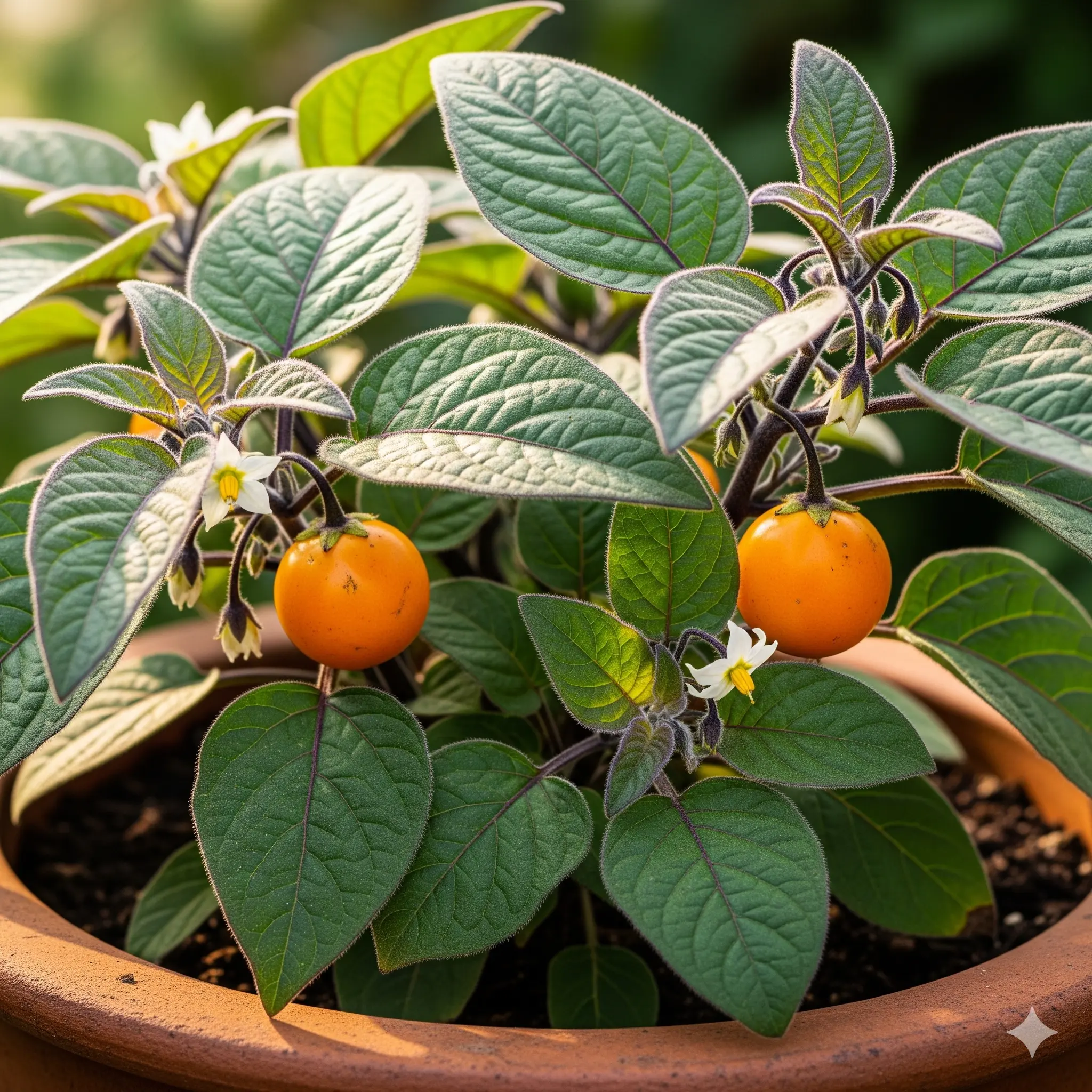
The leaves are the first thing most people notice. They are large, fuzzy, and often show purple hairs or veins. The flowers are usually white with yellow centers and may have purple tones in new growth. The fruit starts green and turns orange as it ripens. Before cleaning, the skin may have a brown fuzz.
The inside is juicy and fragrant. The flavor is tart and bright. Many people compare it to a mix of pineapple, lime, and rhubarb. The fruit is often used for juice, but it also works well in desserts, syrups, and jam.
The Best Place to Grow It
This plant grows best in a sheltered spot with bright light and some protection from strong afternoon sun. Partial shade often works better than full sun in hot climates. Too much direct sun can stress the plant, damage the leaves, and reduce fruiting. In cooler places, more light can help, but the plant still does better in a softer setting.
Temperature matters more than many growers expect. Naranjilla likes mild warmth and struggles when heat stays too high. Very high temperatures can affect flowering and fruit set. This is one reason a large, healthy plant may still fail to produce fruit.
Humidity also matters. Dry air and strong wind can slow growth and damage the leaves. A protected yard, greenhouse, or covered patio usually works better than an open, exposed space. If your climate is dry, hot, and windy, this plant will need extra care.
Soil That Helps the Plant Grow Well
Good soil solves many problems early. Naranjilla likes rich soil with organic matter that holds moisture but still drains well. It can survive in poor soil, but growth and fruiting are better in loose, fertile ground. Soggy soil causes stress fast. Wet roots can lead to weak growth and disease.
A loose potting mix works well in containers. Use a rich mix and add something that improves drainage. The plant likes steady moisture, but it does not want water sitting around the roots. If your plant looks limp and the soil stays wet for too long, the roots may already be under stress.
Growing From Seed
Many people start naranjilla from seed, but patience is important. Seeds can sprout slowly and unevenly. Warmth helps a lot. Starting indoors gives the plant a head start, especially in places with a short growing season.
Use a light seed-starting mix and cover the seeds lightly. Keep the mix moist, not soaked. Once the seedlings appear, give them strong light and space to grow. Weak, crowded seedlings rarely become strong fruiting plants. If you plan to move them outside, do it slowly so they can adjust to sun, wind, and temperature changes.
The plant does not fruit right away. In many cases, it takes close to a year from seed. Some plants take longer. A young plant that spends its first season building roots and leaves is still on track.
Can You Grow It in a Pot
Yes, and in many places that is the better choice. A pot gives you more control over soil, drainage, feeding, and winter care. It also lets you move the plant away from frost, heavy rain, or strong wind.
There is one downside. Container plants dry out faster, heat up faster, and use up nutrients sooner. If a potted plant looks fine for months and then slows down, the cause is often a group of small problems. Tight roots, weak feeding, poor light, or dry air can all add up.
Choose a large pot with strong drainage. Water when the top of the mix starts to dry, but do not let the pot sit in water. Feed the plant during active growth so it keeps making new leaves, flowers, and fruit.
Why the Plant Grows Leaves but Not Fruit
This is the problem that bothers most growers. A naranjilla plant can get large, bloom well, and still refuse to fruit. Heat is one common reason. When temperatures stay too high, the flowers may not set fruit well.
Light can also play a role. The plant needs good brightness, but not harsh heat all day. Too little light weakens growth. Too much direct sun can stress the plant and cause flower drop. The best setup is bright, protected light with steady moisture and regular feeding.
Timing matters too. Some growers expect fruit too soon. Others grow in containers, where root stress and limited nutrition slow the plant down. A young plant may simply need more time before it can carry fruit well.
If your plant is not fruiting, check these first:
- High heat
- Weak light indoors
- Poor drainage
- Tight roots
- Low feeding
- A plant that is still young
- Dry air or wind stress
Common Problems and Simple Fixes
Drooping leaves usually mean stress. The roots may be too wet, too dry, too cold, or too crowded. Start with the soil. If it stays soggy, improve drainage. If it dries out too hard between waterings, water more evenly. If the plant sits in a cold or dim place, the leaves may droop because growth has slowed badly.
Yellow leaves often point to a feeding or root problem. In pots, nutrients wash out quickly. In poor soil, the plant may survive but stay weak. Regular feeding during active growth helps keep the plant stronger.
Pests and diseases can also be an issue. Naranjilla is more sensitive than many common backyard crops. Root problems, fungal issues, and fruit damage can all show up when the plant is stressed. Clean soil, good drainage, steady care, and gentle handling reduce many of these problems before they get serious.
Knowing When the Fruit Is Ripe
Ripe fruit turns orange or orange-yellow. The fruit becomes more fragrant as it matures. If it stays on the plant too long, it may split or fall. Many growers harvest before it gets too soft because the fruit bruises easily.
In cooler places, fruit may finish ripening indoors. That can help if cool weather arrives before the fruit colors up fully outside.
What the Fruit Tastes Like
Naranjilla is not mild or bland. It has a bright, tart, fresh flavor. That is why juice is one of the most common ways to use it. The pulp also works in jam, syrup, desserts, and sauces. Anyone expecting a sweet orange-like taste will be surprised. The flavor is sharper and more tropical.
That bold taste is part of the appeal. You are not just growing it for looks. You are growing something unusual that also gives you a fruit with strong character.
Is It Worth Growing at Home
It can be worth growing if you like unusual edible plants and have a protected warm space. It suits gardeners who do not mind learning a little and adjusting conditions. If you live in a very dry, exposed, or cold area and want an easy fruit plant, this one may be frustrating.
The best results come when you treat it like a plant with specific needs. Give it filtered light, moist rich soil, good drainage, and shelter. Feed it well. Protect it from cold. Once those basics are in place, the plant becomes much easier to manage.