
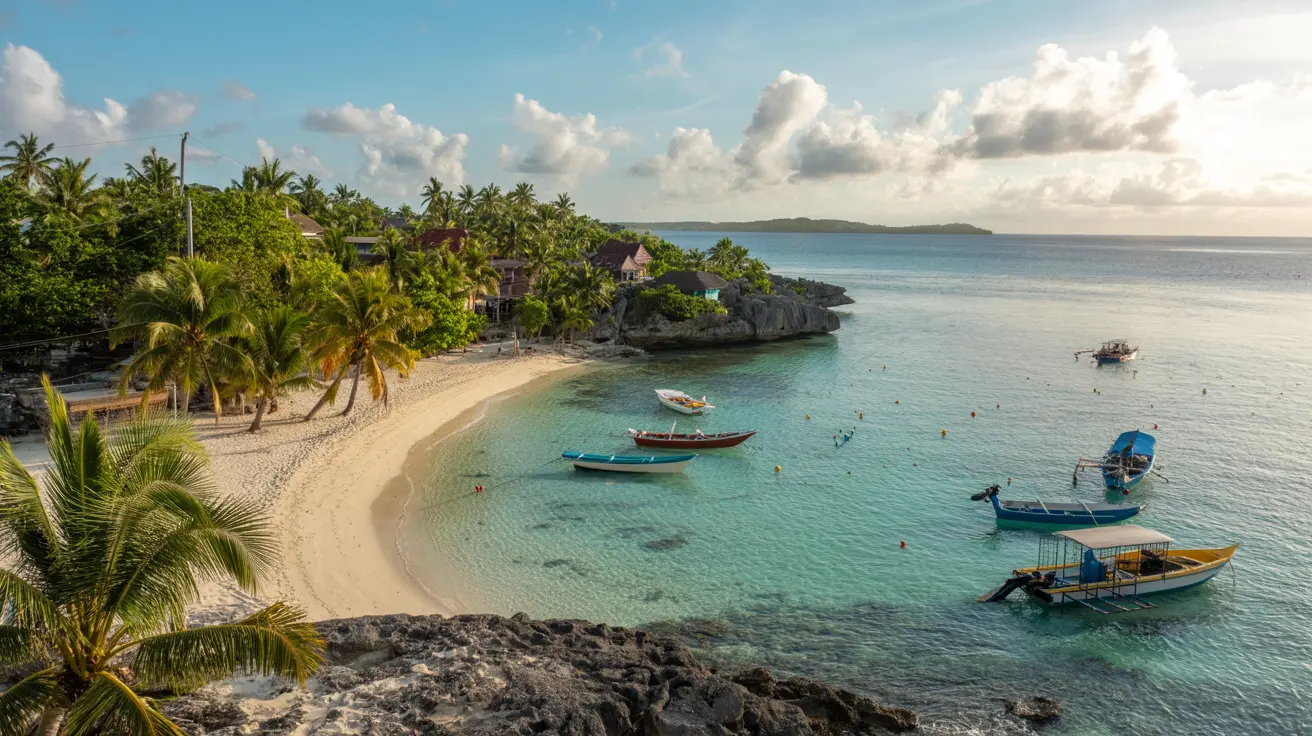
Malapascua Island Travel Guide: Everything You Need to Know Before Visiting
Where Is Malapascua Island Located?
Malapascua Island lies off the northern coast of Cebu in the Visayan Sea and belongs to the municipality of Daanbantayan. The island feels remote because it sits far from city centers and major roads. No cars operate here, and daily life moves at a slower pace. This isolation shapes the experience and sets expectations early for travelers who value calm over convenience.
Why Malapascua Island Is Famous
The island gained global attention for one main reason. Divers come here to see thresher sharks in the wild. These sharks appear regularly at deep cleaning stations just offshore. Few places in the world offer this level of reliability. Beyond diving, Malapascua attracts travelers who want quiet beaches, small resorts, and a simple island rhythm that feels untouched compared to other parts of Cebu.
How to Get to Malapascua Island
Getting to Cebu City or Mactan-Cebu International Airport
Most visitors arrive through Cebu City or Mactan-Cebu International Airport. Both locations connect easily to northern Cebu by road. Early arrival helps reduce stress, especially if you want to reach the island the same day.
Cebu City to Maya Port
From Cebu City, travel north to Maya Port by bus or van. Buses cost less but take longer due to stops. Vans cost more but save time and energy. The drive usually takes four to five hours. Ask to be dropped at the new Maya Port to avoid walking with luggage.
Boat Transfer from Maya Port to Malapascua Island
Passenger boats leave Maya Port throughout the day. The crossing takes around thirty minutes in good weather. Boats depart once full, not on fixed schedules. Rough seas can cause delays, especially during windy months. Morning crossings tend to be smoother.
Travel Time, Costs, and Practical Tips
The full journey from Cebu City takes about six hours. Bring small bills for terminal fees and boat tickets. Card payments rarely work. If you arrive late, staying near the port overnight is often the safest option.
Best Time to Visit Malapascua Island
Dry season runs from December to May and offers calmer seas. These months work best for diving and boat travel. March to May brings more heat but stable conditions. Rainy months see fewer tourists and lower prices, but boat crossings may pause during strong winds. Checking weather forecasts before travel helps avoid getting stuck.
Best Things to Do in Malapascua Island
Diving With Thresher Sharks at Monad Shoal
Dives start before sunrise. Boats leave early to reach Monad Shoal on time. Divers descend deep to observe thresher sharks circling cleaning stations. Strong currents and depth require proper certification. Choosing a responsible dive shop matters for both safety and marine protection.
Other Scuba Diving Sites Around the Island
Gato Island features tunnels, reef walls, and dense marine life. Lighthouse Reef suits experienced divers due to currents. Bugtong Bato offers coral formations and schooling fish. Each site provides a different underwater experience, which keeps longer stays interesting.
Snorkeling and Coral Gardens
Snorkeling works best on calm days. Shallow reefs near shore hold colorful fish and coral patches. Bringing personal gear improves comfort. Reef-safe sunscreen protects marine ecosystems.
Island Hopping and Nearby Islets
Short boat trips reach nearby islets and sandbars. These trips suit non-divers and relaxed travelers. Morning trips offer clearer water and cooler temperatures. Bring water and snacks since facilities are limited.
Sunset Watching and Cliff Viewpoints
Sunsets look best from the western side of the island. Walking away from busy areas leads to quieter viewpoints. Cliffs near the lighthouse provide wide sea views. Arrive early to avoid crowds.
Best Beaches in Malapascua Island
Bounty Beach
Bounty Beach serves as the island’s main hub. Most resorts, dive shops, and restaurants line the shore. The beach stays lively but narrow. It suits travelers who enjoy activity and convenience.
Langub Beach
Langub Beach feels quieter and less developed. Fewer people visit during the day. Swimming feels relaxed here. Sunsets appear softer and slower.
Guimbitayan Beach
This long beach feels open and local. Families gather here in the afternoon. Waves stay gentle most days. The area feels residential rather than tourist-focused.
Lighthouse Beach
Lighthouse Beach sits near rocky cliffs. Swimming conditions vary by season. The area works better for walks and views than long swims.
North Beach
North Beach feels remote and breezy. Facilities are minimal. It suits travelers who want space and silence.
Where to Stay in Malapascua Island
Budget Hostels and Guesthouses
Budget stays cluster near the main beach. Rooms remain simple and clean. Fans often replace air conditioning. Book early during busy months.
Mid Range Resorts
Mid range resorts balance comfort and cost. Many offer beachfront access and stable utilities. These stays work well for divers and couples.
Luxury and Beachfront Resorts
Luxury options focus on privacy and service. Prices are higher but include quiet surroundings. Availability is limited, so advance booking helps.
Best Area to Stay
Staying near Logon keeps things walkable and convenient. Northern areas feel quieter but less connected. Choose based on your activity level.
Where to Eat in Malapascua Island
Local eateries serve seafood and Filipino meals. Prices run higher than on the mainland due to transport costs. Menus often mix local and Western dishes. Power cuts can affect service times. Eating early helps if you have morning dives planned.
Getting Around Malapascua Island
Most travelers walk everywhere. Distances remain short and flat. Motorbike rentals help during hot afternoons. Boat rides connect distant beaches. The lack of cars keeps the island calm.
Malapascua Island Travel Costs and Budget Breakdown
Daily expenses vary by travel style. Non-divers spend less. Diving increases costs due to equipment and boat fees. Food costs surprise some travelers. Carry enough cash for your entire stay.
Essential Travel Tips for Malapascua Island
Internet connections stay slow and unstable. Power outages happen without notice. Plan work and downloads in advance. Follow marine rules strictly. Drink bottled water to avoid stomach problems.
Day Trips and Side Trips from Malapascua Island
Kalanggaman Island Day Trip
Kalanggaman Island features long sandbars and clear water. Trips depend on weather and availability. Bring sun protection and snacks.
Gato Island Cave and Marine Sanctuary
Gato Island suits divers and snorkelers. Marine life remains rich year-round. Currents can be strong, so follow guides closely.
Dakit Dakit Island
This small island works for short visits. It fits half-day trips and offers quiet water and space.
Is Malapascua Island Worth Visiting?
Malapascua suits travelers who value nature over nightlife. Divers benefit the most. Beach lovers enjoy calm mornings and quiet evenings. Those needing fast internet or shopping malls may struggle. Knowing this prevents disappointment.
Malapascua Island FAQs
Is the island safe for tourists?
Yes, it feels welcoming and calm, though basic precautions still apply.
Do you need certification to dive with thresher sharks?
Yes, advanced certification is required due to depth.
How many days are enough?
Three to five days works well for most visitors.
Can non-divers enjoy the island?
Yes, beaches and boat trips offer plenty to do.
Is it better than other Cebu islands?
It depends on your goal, but diving sets it apart.
Final Thoughts on Visiting Malapascua Island
Malapascua Island rewards patience and planning. The journey feels long but meaningful. The island offers rare marine encounters and quiet moments. Travelers who arrive prepared enjoy it most. Its simplicity remains its greatest strength.