Ireland Countryside: Best Places, Scenic Drives, and Smart Ways to Plan Your Trip
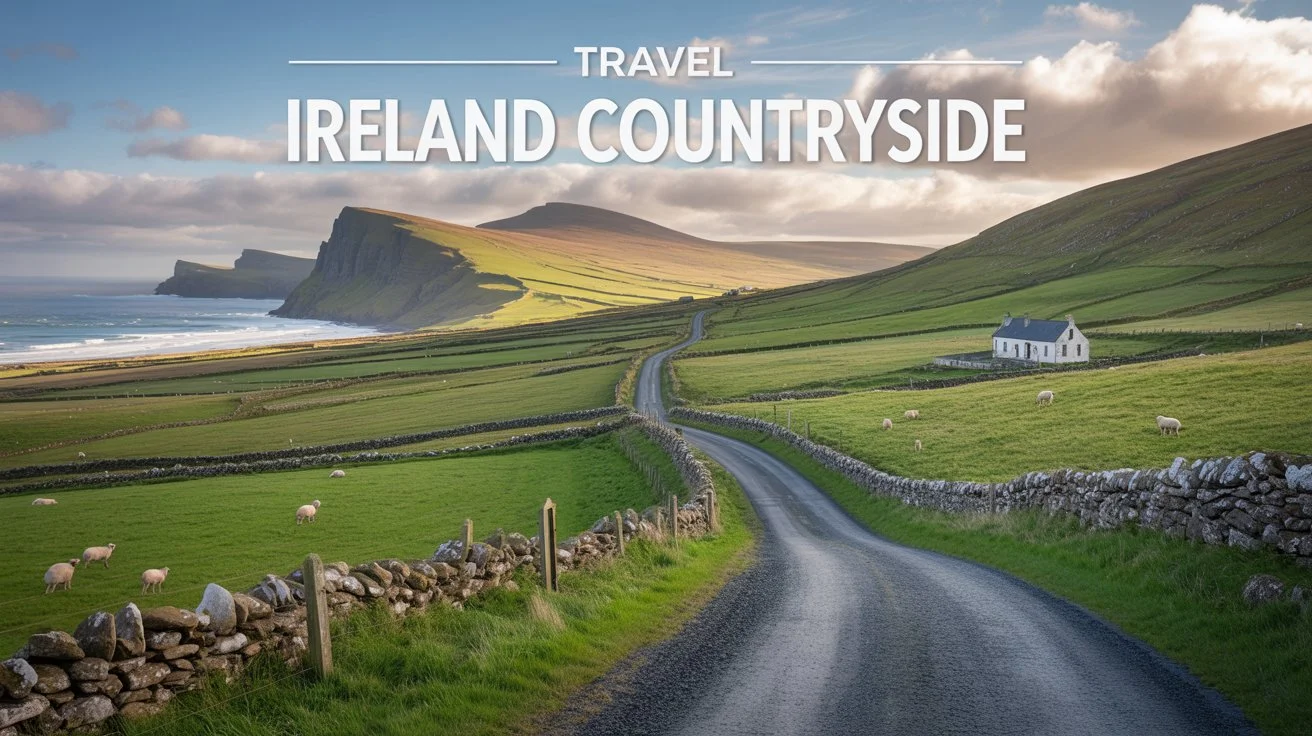
The Ireland countryside is not one single place. It is a mix of wild coasts, soft green valleys, mountain roads, stone-walled fields, and small towns that slow you down in the best way. If you want classic postcard views, start with County Kerry or County Clare. If you want rawer beauty and fewer crowds, Connemara and County Donegal often feel stronger.
A lot of travelers make the same mistake at the start. They search for “the best part of rural Ireland” as if one answer fits everyone. It does not. Some people want easy drives, famous stops, and lively towns. Others want empty roads, cliff views, and places that still feel untouched. The right choice depends on your pace, your budget, and whether you will have a car.
Why this trip feels harder to plan than it should
The hardest part is not finding beautiful places. Ireland has no shortage of them. The real problem is choosing between famous regions that all sound amazing on paper. Killarney, Dingle Peninsula, Cliffs of Moher, Connemara, and Slieve League can all fit the dream. But they offer different moods, different travel times, and different levels of access.
Another common issue is transport. Many people want countryside views without renting a car. That is possible in some areas, but not in all of them. Official tourism guides now highlight car-free options around Killarney, Dingle, Clare, and parts of the Wild Atlantic Way, but remote parts of the west and northwest still work better by car.
The fix is simple. Stop trying to “see all of Ireland.” Pick one or two regions that match your travel style. Stay longer in fewer places. Let the landscape do the work.
County Kerry gives first-time visitors the easiest win
If you want one area that delivers fast, County Kerry is hard to beat. Around Killarney, you get lakes, mountain views, forests, waterfalls, and easy access to scenic drives. It feels rich without feeling too remote. That balance matters when you are planning your first trip and do not want every day to feel like a logistical puzzle.
Killarney National Park is the anchor here. The setting feels full from every angle. There are wooded paths, open views, and spots like Torc Waterfall and the Gap of Dunloe that break up the trip with easy highlights. It is scenic, but it is also practical. You can base yourself in Killarney and still reach a lot without changing hotels every night. Discover Ireland also highlights the area as one of the easier scenic places to enjoy without a car.
Connemara feels wilder, moodier, and more personal
If Kerry is the easy classic, Connemara is the place that stays in your head longer. The beauty here is less polished. You notice the open bogland, the dark water, the shifting light, and the long dry-stone walls before you even reach the famous stops. It feels quiet in a deeper way.
Killary Harbour adds one of the most striking landscapes in the west. Discover Ireland describes it as one of only three glacial fjords in the country. That helps explain why the views feel different here. The mix of water, mountain slopes, and open space has a broader, lonelier look than many better-known spots. Kylemore Abbey adds contrast, with gardens and heritage against a dramatic backdrop.
This region works best for travelers who want atmosphere more than box-ticking. It is great for photographers, slower road trips, and people who care more about how a place feels than how many attractions they can fit into one day. If your biggest fear is ending up somewhere too busy or too obvious, Connemara is one of the safest answers.
County Donegal is for travelers who want raw scenery
Some places feel scenic. County Donegal feels powerful. The roads can be longer and the weather can shift quickly, but the payoff is huge. This is where you go when you want coastlines that look less managed and more wild.
Slieve League is one of the strongest examples. Many visitors know Cliffs of Moher first, but Slieve League often leaves a bigger emotional mark on people who want scale and space. The roads, the headlands, and the open Atlantic feel rougher here. That roughness is the point. Travel With Wes includes Slieve League among the standout landscapes in Ireland, and that feels right when you see the cliffs in person.
County Clare is more than the Cliffs of Moher
A lot of people reduce County Clare to one stop. That is too narrow. Yes, Cliffs of Moher are famous for a reason. They are easy to reach, instantly dramatic, and close to towns many travelers already use as bases. But Clare becomes far more interesting when you pair the cliffs with The Burren, small coastal roads, and towns like Doolin.
The appeal of Clare is range. You get a famous natural landmark, but you also get a strange limestone landscape, Atlantic light, and easy day planning. That matters if you want a short trip that still feels varied. Official tourism content keeps placing The Burren, the west coast, and related scenic stops inside wider Wild Atlantic Way planning, which makes Clare one of the easiest regions to work into a broader route.
If your trip is short, Clare makes sense. You can see a lot without covering too much ground. That is useful when time is limited and every transfer matters.
Wicklow Mountains are the smart choice from Dublin
Not every traveler has a week for the west coast. Some only want one or two days outside Dublin. That is where Wicklow Mountains and Glendalough come in.
Discover Ireland describes Glendalough as a spectacular glacial valley in the heart of County Wicklow. That is not marketing fluff. The valley, lakes, and old monastic setting give the area a scenic and historic mix that feels very complete for a short escape. The wider national park covers 20,000 hectares, which explains why it feels far bigger than a simple day trip.
This is the best solution for travelers who want green landscapes but do not want to cross the whole country. It is also useful for people arriving late, leaving early, or skipping a car on the first part of the trip.
The Wild Atlantic Way ties the west coast together
Many travelers struggle because they plan by attractions, not by route. That often leads to too much driving and not enough actual travel joy. The smarter move is to use the Wild Atlantic Way as a frame.
Ireland calls it the world’s longest defined coastal touring route, at about 2,500km, while Discover Ireland places it from Donegal down to Kinsale in County Cork. That matters because it gives your trip structure. Instead of chasing random scenic pins, you can build your days around a connected coastline with towns, beaches, cliff viewpoints, and cultural stops along the way.
This route also helps with a common pain point. People want big scenery, but they do not want every day to feel repetitive. The west coast solves that through contrast. One day you get cliffs. The next day you get islands, beaches, fishing villages, or mountain roads.
Famous places are great, but quieter alternatives can be even better
A lot of travelers end up in the same photo spots and leave thinking rural Ireland was more crowded than expected. The better solution is not to avoid famous places completely. It is to pair them with quieter alternatives.
If Cliffs of Moher feel too obvious, look at Slieve League. If the Ring of Kerry sounds too busy, consider Beara Peninsula or spend more time around quieter roads near West Cork. If Killarney feels too polished, shift toward Connemara. This approach keeps the trip balanced. You still get the big names, but you also leave room for places that feel more personal.
That balance often creates the best memories. People rarely talk for years about the busiest stop of the trip. They remember the empty road, the small harbor, the view they did not expect, and the town where they stayed longer than planned.
Where to stay if you want scenery without stress
The best base is not always the prettiest village. It is the place that gives you access, food, and enough comfort to enjoy the trip.
For first-time visitors, Killarney is one of the safest bases. It is scenic, practical, and well placed for day trips. Galway works well if you want to mix city energy with access to Connemara. Doolin suits travelers focused on Clare. Donegal Town works if you want to explore the northwest without moving hotels every day.
Many people choose tiny villages because they sound romantic, then realize they have limited dining, fewer transport options, and longer daily drives. A strong base town gives you breathing room. That often improves the whole trip more than one extra viewpoint ever could.
Can you do this trip without a car
Yes, but with limits. That is the honest answer.
If you stay in places like Killarney, Galway, or Dublin, you can reach scenic areas through trains, buses, or guided day trips. Official tourism pages now offer car-free ideas for Killarney, Dingle, Cliffs of Moher, and other scenic areas.
The problem starts when people expect total freedom without a car. Remote beaches, tiny roads, and less connected corners of Connemara or Donegal are harder to reach on your own. So the best solution is to plan differently. Pick one strong base. Use public transport for the main move. Then add guided day trips where they save time and stress.
That approach works especially well for short trips. It also helps nervous drivers who do not want to deal with narrow rural roads.
The best time to visit depends on what matters most to you
There is no single perfect month, but there is a smart range. Official Ireland community guidance says summer is peak season, while spring and autumn are shoulder seasons. Those shoulder months often bring a better mix of comfort, lower crowd levels, and better value.
Spring works well if you want fresh green landscapes and easier room rates. Summer gives you the longest days, which is a real advantage on scenic drives. Autumn feels calmer and often more spacious. Winter can still work, but it suits travelers who care more about mood than maximum sightseeing.
For most people, May, September, and early October are strong bets. You get enough daylight, softer crowds, and a more relaxed pace.
A simple way to build a better route
If you have five to seven days, do not try to cover every famous county. Pick one of these two styles.
A classic first trip could focus on Killarney, the Ring of Kerry, the Dingle Peninsula, and one stop in County Clare. That gives you lakes, mountain roads, coast, and one famous cliff area without too many hotel changes.
A wilder trip could start near Galway, move through Connemara, then continue toward Westport or Donegal. That route gives you a moodier west coast with more breathing room.
In both cases, the rule is the same. Fewer bases. Less rushing. More time outside the car.
Final Overview
The Ireland countryside is at its best when you stop trying to see everything and focus on the places that match your travel style. County Kerry works well for a classic first trip, Connemara suits travelers who want wilder scenery, Donegal gives you raw coastal beauty, and County Clare fits shorter trips with famous views. Each region offers something different, so the right choice depends on how you want the trip to feel.
What matters most is not how many stops you can fit into one route. It is how much of the landscape you actually get to enjoy. Pick one or two strong bases, give yourself time between drives, and leave room for the small moments that make rural Ireland special. That is usually where the trip becomes memorable.