Costa Rica Rainforest: Best Places, Animals, Travel Tips, and What to Expect
The Costa Rica rainforest is one of the best nature trips in the world because it mixes dense jungle, cloud forest, rare wildlife, and easy park access in one small country. In 2026, the smartest way to plan it is to choose the right rainforest area for your travel style, not just the most famous name.
What makes the Costa Rica rainforest so special?
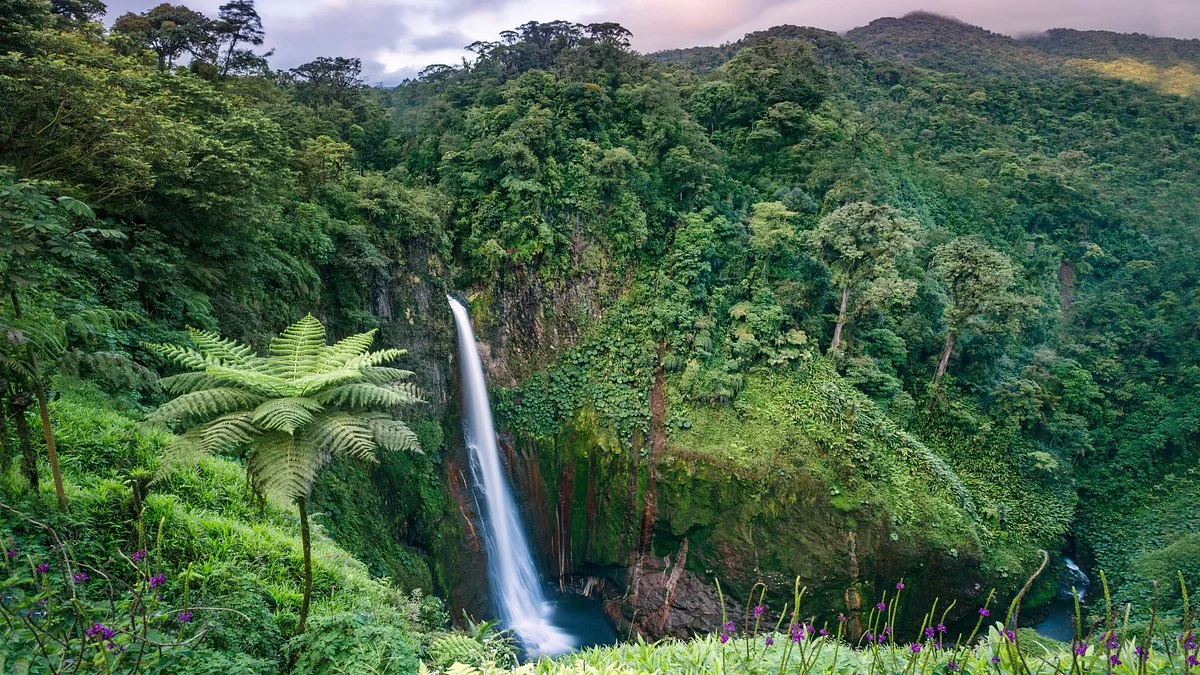
The reason this trip stands out is simple. Costa Rica protects about 25 percent of its territory through conservation areas, and official tourism sources say the country holds about 6 percent of Earth’s biodiversity. That means even a short trip can include tropical rain forest, cloud forest, wetlands, mangrove swamps, rivers, beaches, and a long list of wildlife in a relatively small space.
This also explains why the country feels bigger than it looks on a map. One area may give you a warm lowland rain forest with thick canopy cover and heavy humidity, while another gives you a cool cloud forest wrapped in mist and fog. Official tourism pages describe Monteverde Cloud Forest Biological Reserve as a high elevation forest where the fog moves right through the trees, while rainforest zones like Corcovado National Park protect wet forest, lagoons, rivers, marshes, and even low altitude cloud forest in one huge ecosystem.
That is the first big planning point. Not every green forest in Costa Rica feels the same. If you understand the difference between rainforest, cloud forest, and coastal jungle, you make a better choice from the start. That alone can make your article more useful than the average travel roundup.
Which Costa Rica rainforest area is best for your trip?
If this is your first visit and you want the easiest win, start with Manuel Antonio National Park or La Fortuna. Manuel Antonio is popular because it gives you rainforest, beaches, and wildlife in one compact stop. Official Costa Rica tourism pages describe it as a top destination with lush forest and abundant animals, and the tourism board also highlights it among the parks where you can see some of the country’s most plentiful wildlife.
If your main goal is raw wildlife, go south to the Osa Peninsula and Corcovado National Park. This is the strongest answer for serious nature travelers. Official park information says Corcovado protects marshes, mangrove swamps, rivers, wet forest, and low altitude cloud forest, and visitors can see hundreds of bird, mammal, amphibian, reptile, and fish species there. It is also one of the few places where you should plan around the rule that entry requires an authorized guide.
If you want cooler air and a different forest mood, choose Monteverde Cloud Forest Reserve near Santa Elena. This is where cloud forest, birdwatching, hanging bridges, and misty trails shine. It is less about sweaty jungle hiking and more about dense green scenery, high elevation trails, and species tied to wetter mountain habitats. It also works well for families and travelers who want a softer adventure feel.
If canals, boats, and turtle habitat sound better than long hikes, choose Tortuguero National Park on the Caribbean coast. Official tourism sources describe it as a major icon known for protecting the largest green turtle nesting beach in the Western Hemisphere, and access is by small boat. That alone makes it feel different from the rest of the country. It is ideal if you want water, jungle, and wildlife together.
If you want jungle and beach in the same trip without the heavier logistics of Osa, Cahuita National Park is a smart pick. Official tourism pages say its forest environment includes sloths, coatis, iguanas, lizards, and snakes like the eyelash viper, with the Caribbean right beside it. It is one of the easiest answers for travelers who want a more relaxed rainforest feel.
If you want a quieter add on, look at Sarapiquí and Braulio Carrillo National Park. Official tourism pages highlight river tours in Sarapiquí for wildlife viewing and note that Braulio Carrillo stretches from cool mountain zones into lower forest areas. These spots are good when you want rainforest depth without the same crowd level as the headline parks.
What animals can you actually see in the rainforest?
Yes, Costa Rica has famous wildlife, but the better question is what you are realistically likely to see. In the easier parks and lodge areas, the most common sightings are usually sloths, white faced capuchin monkeys, mantled howler monkeys, coatis, iguana, and familiar birds like toucans. Tourism and wildlife sources also repeatedly point travelers toward red eyed tree frogs and other amphibians on guided walks, especially in wet zones and on night tours.
If you want the broadest list, the Osa Peninsula stands out again. Oceanic Society’s wildlife guide says the area is one of the best places to see all four of Costa Rica’s monkey species, including Geoffroy’s spider monkey, Central American squirrel monkey, white faced capuchin monkey, and mantled howler monkey. It also highlights Scarlet Macaw, sloths, frogs, coatis, and sea turtles on that same peninsula.
The rarer list is where expectations matter. Baird’s tapir, jaguar, puma, ocelot, margay, and jaguarundi are real rainforest animals in Costa Rica, but most travelers will not casually spot them on a short trip. Corcovado and the deeper Osa region give you the best shot at rare mammals, but a guide, patience, and luck still matter. That is the honest answer travelers appreciate, and it builds trust.
Bird lovers have their own map. Scarlet Macaw is a major draw in Osa. Monteverde is stronger for cloud forest birding, and official wildlife pages say Costa Rica hosts or receives more than 900 bird species overall. That is why birdwatching belongs in your article as a core angle, not just a side note.
When is the best time to visit?
There is no single perfect month for everyone. Travel + Leisure’s updated rainforest guide says many travelers still prefer the drier stretch from November to April, while official Costa Rica tourism pages also stress that the country’s many microclimates mean timing depends on region and experience. In plain terms, drier months are easier for hiking and road movement, but greener months often feel more like the jungle people picture in their heads.
Choose drier conditions if you care most about easier trails and logistics. Choose greener months if you want dense foliage, dramatic forest color, and fewer people in some areas. In places like Tortuguero, canals and turtle interest shape the trip. In the Golfo Dulce and southern coast, shoulder timing can change what you see. So the best season is not national. It is local.
What should you pack for a rainforest trip?
You do not need a complicated packing list, but you do need the right basics. Official Costa Rica tourism FAQ pages say to bring insect repellent, a raincoat with a hood, and comfortable hiking boots. Travel + Leisure adds ponchos, closed shoes, sunblock, binoculars, and water bottles as rainforest basics. That is a good simple base for almost every itinerary.
For most people, the most useful items are:
- Lightweight quick dry clothing
- A packable rain jacket or poncho
- Closed hiking shoes with grip
- Binoculars for wildlife spotting
- Insect repellent
- A dry bag or waterproof phone pouch
- Extra socks for muddy or wet trails
That list sounds basic, but it solves the main pain points. Rain, humidity, mud, and missed wildlife are what frustrate first time travelers most.
Is the rainforest safe, and should you hire a guide?
Yes, the rainforest is safe for most travelers when they stick to park rules, marked paths, and guided tours where needed. The bigger risk is usually bad planning, not the forest itself. Sudden weather, poor footwear, long hikes, or treating wildlife too casually causes more trouble than the jungle does. Official tourism and park sources consistently point people toward guides for both safety and better wildlife spotting.
In some places, a guide is not just helpful. It is required. Corcovado National Park requires an authorized guide, and that rule makes sense because the park is remote and biologically dense. Even where guides are optional, they are often worth the money because they can spot glass frogs, eyelash vipers, sloths, birds, and monkeys that most visitors would walk right past.
The other safety rule is simple. Never feed wildlife and never try to touch it. Oceanic Society’s Osa guide notes that feeding white faced capuchins is illegal because it harms their health and behavior. That is exactly the kind of practical detail that makes your article feel responsible instead of salesy.
Answers to the questions people keep asking
What is the best rainforest in Costa Rica?
For serious wildlife, Corcovado National Park on the Osa Peninsula is the strongest pick. For easier access, Manuel Antonio and La Fortuna are better for many first timers.
Where is the rainforest in Costa Rica?
It is spread across several regions, including the South Pacific, Caribbean coast, northern plains, and mountain zones. Key areas include Osa Peninsula, Tortuguero, Monteverde, Cahuita, Sarapiquí, and Braulio Carrillo.
What is the difference between rainforest and cloud forest in Costa Rica?
A rainforest is usually warmer, wetter, and lower in elevation. A cloud forest sits higher up and stays wrapped in mist and fog more often, like Monteverde.
Where can I see sloths and monkeys most easily?
Travel forum discussions and official park pages point again and again to Manuel Antonio, Tortuguero, Cahuita, and parts of La Fortuna for easier sightings. If you want more species variety, Osa is stronger.
Do I need a guide in Corcovado National Park?
Yes. Official Costa Rica park information says entry is mandatory with an authorized guide.
Is Tortuguero worth it if I do not want long hikes?
Yes. It is one of the best picks for people who want jungle by boat, canal scenery, and turtle habitat rather than hard trekking.
Which area is best for families?
Manuel Antonio, La Fortuna, and Monteverde are usually easier family picks because they combine infrastructure, guided activities, and manageable access.
What should I bring to the rainforest?
Bring repellent, rain gear, hiking shoes, sun protection, and binoculars. Those five items fix most common problems.
Can I do rainforest and beach in one trip?
Yes, and that is one of Costa Rica’s biggest strengths. Manuel Antonio and Cahuita are two of the easiest ways to combine jungle and coast.
How many days do I need?
Two to three days works for a lighter stop like Manuel Antonio, Monteverde, or La Fortuna. For Osa Peninsula or Tortuguero, give it more time because travel logistics are part of the experience. This is also what current traveler discussions keep circling back to on Reddit when people ask where to focus a short wildlife trip.
{ “@context”: “https://schema.org”, “@type”: “FAQPage”, “mainEntity”: [ { “@type”: “Question”, “name”: “What is the best rainforest in Costa Rica?”, “acceptedAnswer”: { “@type”: “Answer”, “text”: “For serious wildlife, Corcovado National Park on the Osa Peninsula is the strongest pick. For easier access, Manuel Antonio and La Fortuna are better for many first timers.” } }, { “@type”: “Question”, “name”: “Where is the rainforest in Costa Rica?”, “acceptedAnswer”: { “@type”: “Answer”, “text”: “It is spread across several regions, including the South Pacific, Caribbean coast, northern plains, and mountain zones. Key areas include Osa Peninsula, Tortuguero, Monteverde, Cahuita, Sarapiquí, and Braulio Carrillo.” } }, { “@type”: “Question”, “name”: “What is the difference between rainforest and cloud forest in Costa Rica?”, “acceptedAnswer”: { “@type”: “Answer”, “text”: “A rainforest is usually warmer, wetter, and lower in elevation. A cloud forest sits higher up and stays wrapped in mist and fog more often, like Monteverde.” } }, { “@type”: “Question”, “name”: “Where can I see sloths and monkeys most easily?”, “acceptedAnswer”: { “@type”: “Answer”, “text”: “Travel forum discussions and official park pages point again and again to Manuel Antonio, Tortuguero, Cahuita, and parts of La Fortuna for easier sightings. If you want more species variety, Osa is stronger.” } }, { “@type”: “Question”, “name”: “Do I need a guide in Corcovado National Park?”, “acceptedAnswer”: { “@type”: “Answer”, “text”: “Yes. Official Costa Rica park information says entry is mandatory with an authorized guide.” } }, { “@type”: “Question”, “name”: “Is Tortuguero worth it if I do not want long hikes?”, “acceptedAnswer”: { “@type”: “Answer”, “text”: “Yes. It is one of the best picks for people who want jungle by boat, canal scenery, and turtle habitat rather than hard trekking.” } }, { “@type”: “Question”, “name”: “Which area is best for families?”, “acceptedAnswer”: { “@type”: “Answer”, “text”: “Manuel Antonio, La Fortuna, and Monteverde are usually easier family picks because they combine infrastructure, guided activities, and manageable access.” } }, { “@type”: “Question”, “name”: “What should I bring to the rainforest?”, “acceptedAnswer”: { “@type”: “Answer”, “text”: “Bring repellent, rain gear, hiking shoes, sun protection, and binoculars. Those five items fix most common problems.” } }, { “@type”: “Question”, “name”: “Can I do rainforest and beach in one trip?”, “acceptedAnswer”: { “@type”: “Answer”, “text”: “Yes, and that is one of Costa Rica’s biggest strengths. Manuel Antonio and Cahuita are two of the easiest ways to combine jungle and coast.” } }, { “@type”: “Question”, “name”: “How many days do I need?”, “acceptedAnswer”: { “@type”: “Answer”, “text”: “Two to three days works for a lighter stop like Manuel Antonio, Monteverde, or La Fortuna. For Osa Peninsula or Tortuguero, give it more time because travel logistics are part of the experience.” } } ] }Final takeaway
The best Costa Rica rainforest trip is not about chasing the most famous park name. It is about matching the forest to your goal. Choose Corcovado for deep wildlife, Monteverde for cloud forest atmosphere, Tortuguero for canals and turtles, Cahuita for beach and jungle, and Manuel Antonio or La Fortuna for the easiest first trip. If your article makes that decision simple, it has a real chance to beat the current travel guides.