
Central African Republic Traditional Clothing: Styles,
Many pages make this topic sound simple. It is not. Central African Republic traditional clothing is not one fixed costume worn the same way by everyone. Dress changes by gender, setting, religion, and occasion. Still, some pieces appear again and again. Women are often described in a pagne, which is a cotton cloth tied at the waist with a matching blouse. Men are often described in matching shirts and pants made from the same fabric. In more formal settings, you also see flowing robes, head coverings, and brighter, more polished outfits.
That matters because many readers come with the wrong picture. They expect one national costume with one official name. The reality is more layered. Clothing in the country reflects daily life, local habits, and the need to look proper in public. Some garments are practical for work and heat. Others carry meaning at weddings, religious gatherings, and family events. When you understand that difference, the whole topic becomes easier to follow.
What Traditional Dress Looks Like in Real Life
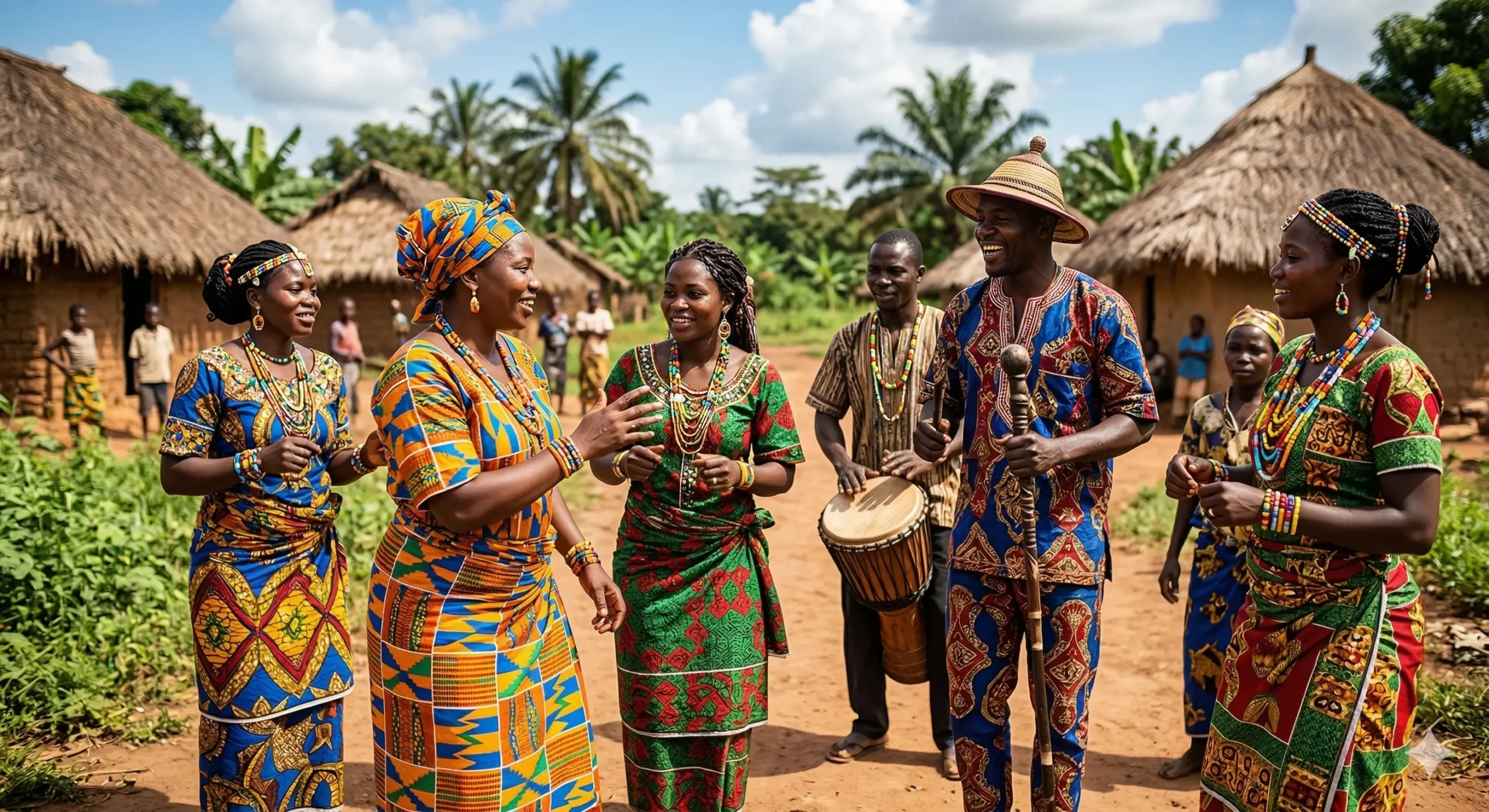
The clearest starting point is the pagne. It is not just one outfit. It is a versatile cloth that can be wrapped in different ways. It may become a skirt, a dress piece, a shawl, or a head covering. In the Central African context, women often wear a pagne with a matching blouse. Men are also often described in coordinated fabric sets rather than plain separates. That tells you something important. Coordination matters as much as the garment itself.
Another point many articles miss is presentation. Dress is not treated as an afterthought. People place strong importance on clothing, and sloppy dress is often seen in a negative way. That helps explain why polished matching outfits matter so much. Clothing is not only about comfort. It is also about self respect, social image, and how others read you in public.
What Women Traditionally Wear
Women’s clothing is often built around the pagne. That is the most useful term to understand first. It is commonly described as a cotton cloth wrapped around the waist and paired with a blouse made from the same fabric. In some styles, women may also wear two wrap skirts with a tailored top. The look is practical, modest, and visually strong. It works for home life, community life, and formal occasions with small changes in styling.
A headscarf also matters. In some descriptions, it is called a moussor. It can help keep hair in place during work, but it also carries meaning at religious events, weddings, and public gatherings. This gives you a better way to explain women’s dress. It is not only colorful clothing. It is a coordinated system of cloth, head covering, and presentation.
Color and pattern help complete the picture. Bright colors and floral patterns are common. These details are not random decoration. They shape the identity of the outfit. They also make the clothing easy to recognize at festivals and family events. When writing about this topic, show how fabric, wrapping, and color work together. That feels more real than a vague paragraph about beauty.
What Men Traditionally Wear
Men are often described in matching shirts and pants cut from the same cloth. That detail appears often and should be treated as a core part of the topic. Some descriptions also mention African style suits and complets. This adds another layer. It shows that men’s clothing can move from practical daily sets to more formal, tailored looks. The shared thread is still coordination, color, and looking well put together.
Some pages also highlight the kaba as an everyday tunic and the boubou as a more formal robe. The kaba is usually presented as practical and tied to daily life. The boubou is shown as looser, more decorative, and better suited to ceremonies. That distinction can help readers, but it needs careful wording. The boubou is not unique to the Central African Republic. It belongs to a wider African robe tradition and is also seen in dress across the region.
That small detail improves trust. Many weak articles blur the line between what is worn in a country and what began there. A stronger article makes that difference clear. It helps readers separate local use from wider regional influence.
Fabrics, Colors, and the Overall Look
Cotton appears again and again in discussions of traditional dress. That makes sense for comfort and climate. The pagne is often described as a cotton cloth, while men’s matching sets also use colorful fabric. Some dressier garments may include silk or other lightweight materials. The easiest way to explain this is to keep it grounded. Everyday clothing leans practical. Formal clothing becomes richer through fabric choice, embroidery, and fuller styling.
Patterns matter too. Bright prints, floral motifs, and bold colors are part of the look. They make outfits feel alive, but they also serve a social purpose. A well matched outfit signals care. A carefully chosen cloth can show pride. Many readers focus only on the garment name and forget the visual language of dress. In this topic, color, cloth, and neat styling are part of the meaning.
Why Clothing Carries Social Meaning
Traditional dress in the Central African Republic is tied to respect. A polished look is linked to how others see you. People often wear their best clothes when they go out. That shows clothing is not just personal taste. It is a public signal. It reflects dignity, social care, and how seriously a person takes the moment.
Modesty is another important part of the picture. In some areas, modest dress is expected, especially in places shaped by Muslim traditions. This matters because many readers want more than a list of garments. They want context. They want to know what the clothes say about values. In this case, the answer is clear. Dress often connects to modesty, respect, and being properly presented in front of others.
Cotton appears again and again in discussions of traditional dress. That makes sense for comfort and climate. The pagne is often described as a cotton cloth, while men’s matching sets also use colorful fabric. Some dressier garments may include silk or other lightweight materials. The easiest way to explain this is to keep it grounded. Everyday clothing leans practical. Formal clothing becomes richer through fabric choice, embroidery, and fuller styling. Climate also shapes what people wear across the continent, which is why many travelers look into the best time to go to Africa before planning a wider cultural trip.
This is also where cultural meaning deepens. Many articles say clothing reflects identity, but they stop there. A better explanation shows how that identity appears. It appears in matching cloth, in whether a piece is worn daily or only at ceremonies, and in how women and men style related fabrics together. Once you explain those details, the meaning becomes clear.
Everyday Wear and Ceremonial Wear Are Not the Same
A strong article should separate daily clothing from special event clothing. That solves one of the biggest reader problems. Many people assume every traditional garment is worn all the time. The reality is more balanced. Practical outfits support everyday tasks, work, and informal gatherings. More elaborate pieces come forward during weddings, religious events, and community festivals. The difference often lies in fabric, decoration, accessories, and how carefully the outfit is styled.
For women, a pagne may appear in daily life, then look much more formal when paired with jewelry, a polished blouse, and a carefully arranged headscarf. For men, matching sets may be common, while more decorative robes or tailored styles carry more weight at celebrations. This kind of detail helps readers picture the clothing correctly.
Bangui, Rural Life, and Modern Change
Urban and rural life do not shape dress in the same way. Outside Bangui, less affluent people may mix African print wrap skirts with Western T shirts. In Bangui, younger people often wear Western clothes in daily life while still using traditional dress for festivals and major occasions. This is one of the most useful parts of the topic because it makes the picture feel current and real. Clothing traditions do not vanish. They adapt.
That also helps answer another common question. People often ask whether traditional clothing is still worn today. The better answer is not a simple yes or no. It is still worn, but not always in the same way or in the same settings. City life, youth culture, and modern fashion change what people choose each day. Yet traditional fabrics, matching cloth, and formal dress styles still hold strong meaning during public and family events.
What Readers Often Get Wrong About This Topic
The first mistake is expecting one official national outfit. The available descriptions do not support that neat answer. What they do support is a group of common clothing patterns. Those patterns include the pagne, matching blouse sets, head coverings, coordinated men’s sets, and more formal robe styles. A good article should make that clear early because it removes confusion fast.
The second mistake is treating every robe as purely local. The boubou is the best example. It may be discussed in the Central African Republic, but it belongs to a much wider African robe tradition. That does not make it irrelevant to the country. It just means it should be presented with care. Accuracy here improves the whole article and gives readers a more honest picture of how clothing traditions move across regions.
The third mistake is ignoring etiquette. If a reader is visiting, researching, or simply trying to understand the culture, respectful dress matters. Modesty matters in some regions, and sloppy dressing can be judged badly in public. So a useful article should not only describe garments. It should also help the reader understand why polished and modest presentation matters.
Final Thoughts
The best way to understand Central African Republic traditional clothing is to stop looking for one costume and start looking at how people actually dress. Women are strongly linked with the pagne, matching blouses, and headscarves. Men are often linked with coordinated shirts and pants, along with dressier formal styles for public events. Across both, the real themes are clear: neat presentation, modesty, color, cultural pride, and knowing what fits the moment.
That is also why this topic stays interesting. The clothing is practical, but it also carries meaning. It works in daily life, but it becomes more expressive during ceremonies. It reflects local habits while still sharing links with wider African fashion traditions. A strong article should respect all of that. When you write it that way, you give the reader a fuller and more useful answer.