
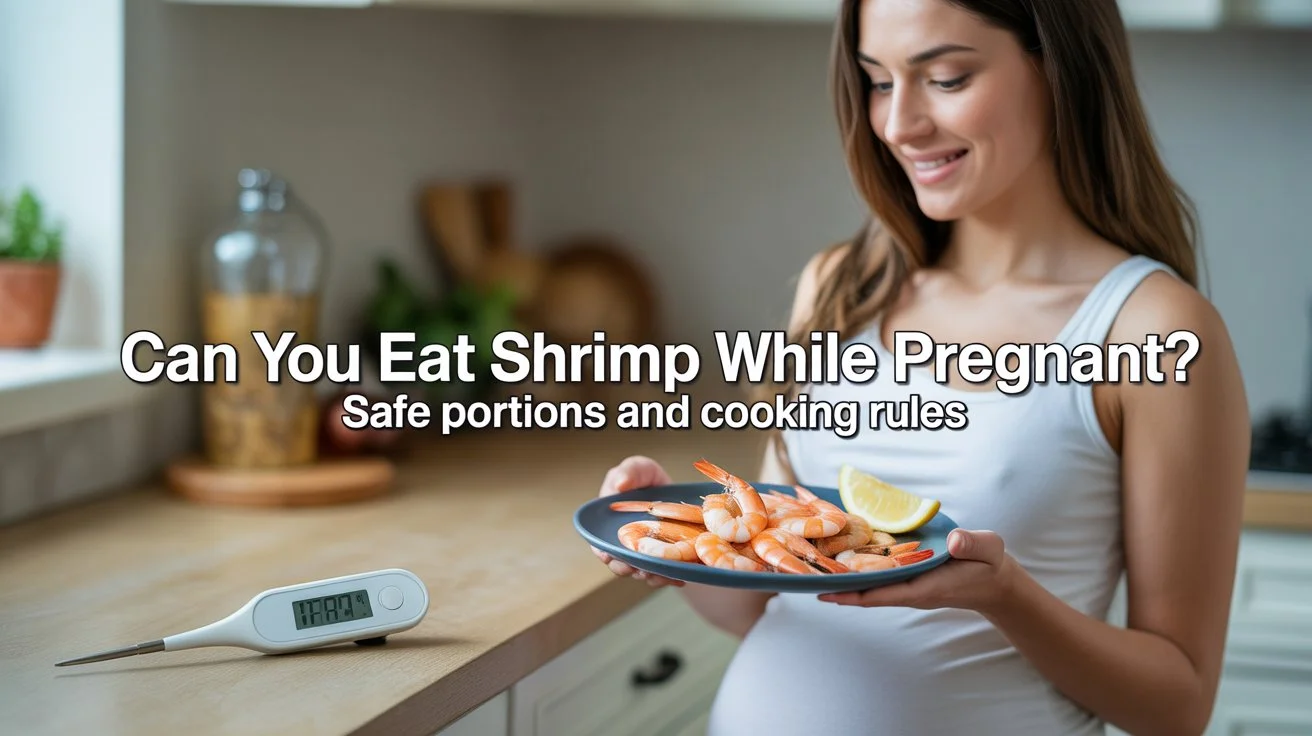
Can You Eat Shrimp While Pregnant?
Cravings hit hard in pregnancy. Then someone says “no seafood,” and your brain spirals. The truth is calmer than the comments section. In most cases, you can eat shrimp while you’re pregnant, as long as you handle it the right way and keep portions sensible.
Answer most people need
Yes, shrimp is usually a safe seafood choice during pregnancy because it’s a lower mercury option. Keep your weekly seafood total around 8 to 12 ounces, and only eat fully cooked shrimp. Skip anything raw or undercooked.
Why shrimp gets a green light for many pregnancies
A lot of seafood fear comes from one word: mercury. Some fish carry more of it, and that can be risky in high amounts. Shrimp sits on the safer side of that conversation, so most guidance treats it as a lower mercury pick. The bigger issue with shrimp is not mercury. It’s food safety.
Another reason shrimp stays popular is simple. It cooks fast. It fits quick meals. And it adds protein without feeling heavy. When you prepare it safely, it can be a stress free option.
The two problems pregnant women actually face
Problem 1: You keep hearing “seafood causes harm”
That advice mixes several topics together. One topic is high mercury fish. Another is raw shellfish and food poisoning. Shrimp is not the same as swordfish. Cooked shrimp is not the same as raw oysters. Once you separate those ideas, the choice gets easier.
Problem 2: You want shrimp, but you fear one bad bite
That fear makes sense. Pregnancy can raise the stakes for foodborne illness. So the goal is not “never eat shrimp.” The goal is “eat it cooked, clean, and handled well.” You can do that at home and at restaurants.
How much shrimp can you eat in pregnancy?
Most major guidance around seafood in pregnancy points to the same weekly range. Aim for about 8 to 12 ounces of lower mercury seafood per week. That often works out to 2 to 3 servings. Think of a serving as around 4 ounces of cooked seafood.
Here’s what helps in real life.
- If you eat shrimp once or twice a week, you’re usually fine.
- If you eat seafood daily, track your total ounces for the week.
- If you ate a big shrimp dinner, balance the rest of the week.
No panic needed if you went over once. Just scale back for a few days, then return to normal.
The one rule that matters most: cooked shrimp only
Many pregnancy food rules sound vague. Shrimp is not vague. Avoid raw shellfish in pregnancy, because it can carry harmful bacteria, viruses, or toxins. That’s why guidance keeps repeating “cook it thoroughly.”
What “fully cooked” shrimp looks like
If you use a thermometer, most seafood cooks to 145°F (63°C). If you do not use one, shrimp should look firm, pearly, and opaque. It should not look glassy in the center.
A simple home cooking checklist
- Thaw shrimp in the fridge, not on the counter.
- Keep raw shrimp away from salads and fruit.
- Cook until it turns firm and opaque.
- Serve hot, or chill quickly for cold dishes.
- Store leftovers fast, not “later.”
This is where most problems happen. People cook shrimp fine, then leave it out during dinner. Or they mix raw shrimp juices with a cutting board used for veggies. You can prevent both with basic habits.
What about common shrimp foods?
Shrimp cocktail
Many peoples worry because it’s cold. Cold does not mean raw. Shrimp cocktail is usually safe if the shrimp was cooked first and kept cold the whole time. The risk comes from poor handling, like sitting out too long. When in doubt at a party, skip the tray that has been out for ages.
Fried shrimp and shrimp tempura
Frying usually cooks shrimp through, so it’s often fine. The main downside is comfort, not safety. Heavy fried food can worsen nausea or heartburn. If you feel rough after greasy meals, choose grilled, sautéed, or boiled shrimp instead.
Shrimp sushi
This depends on what you order. Many shrimp rolls use cooked shrimp. Some rolls include raw fish too. Ask one direct question: “Is everything in this roll cooked?” If they hesitate, pick a fully cooked option or a different meal.
Seafood boils, buffets, and party platters
These are mostly about time and temperature. A seafood boil that arrives steaming hot is different from buffet shrimp that sits under a weak warmer. Buffets and platters raise the risk of unsafe holding temperatures. If it looks lukewarm, dry, or crusted, walk away.
Leftover shrimp
Leftovers can be fine when you store them quickly. If shrimp sat out for a long time, do not “reheat and hope.” If it smells off, toss it. A strong ammonia smell is a bad sign with seafood.
Buying shrimp without second guessing everything
You do not need fancy shrimp. You need safe shrimp.
Fresh vs frozen
Frozen shrimp can be a great choice because it stays cold in transport. Fresh shrimp can also be great when the shop handles it well. Pick the option that has consistent cold storage and looks clean.
Signs of good quality
- It smells like the sea, not like chemicals.
- It looks moist, not slimy or dried out.
- The packaging stays intact and cold.
- The store keeps seafood properly chilled.
When to skip shrimp that day
Skip it if you feel unsure about how long it sat out. Skip it if the place looks careless. Pregnancy is not the time to gamble on questionable food handling.
What if you already ate undercooked shrimp?
This happens. Someone womens for the table. You take a bite. Then you notice the center looks translucent. Do not beat yourself up.
Here’s a calm way to think about it.
- One bite does not guarantee illness.
- Watch for symptoms like vomiting, diarrhea, fever, or severe stomach pain.
- If you feel very unwell, call your clinician.
If you have fever, dehydration, or symptoms that escalate quickly, get medical advice faster. Pregnancy changes how your body handles infections.
Shrimp nutrition in pregnancy, and why it can help
Shrimp can support your meals when pregnancy makes eating tricky. It provides protein, which helps you stay full and supports growth. Seafood also contributes nutrients that matter during pregnancy, depending on your full diet and seafood variety.
Do not treat shrimp like a magic food. Treat it like a solid protein choice you can rotate with other low mercury seafood. That rotation helps you avoid overdoing any one thing.
Shrimp vs other seafood, what to choose and what to avoid
A simple rule works well. Choose a variety of lower mercury seafood. Avoid fish known to be high in mercury.
Seafood often listed as high mercury to avoid in pregnancy
Guidance commonly flags fish like shark, swordfish, and marlin, along with other high mercury options. Keep those off your pregnancy menu.
Low mercury choices many people use
Many people rotate shrimp with options like salmon, pollock, cod, and other lower mercury picks. Variety matters more than perfection.
GEO tips that actually help, wherever you live
Food safety changes with your context. Hot weather, long commutes, and power outages change how fast food becomes risky. Use common sense in your area.
If you buy shrimp from a local market
Choose a shop that keeps seafood cold and clean. If you live somewhere hot, bring an insulated bag. Go home after shopping, then store shrimp right away.
If you live far from the store
Frozen shrimp may be safer for the ride. It stays colder longer. Plan seafood shopping on cooler days when possible.
Restaurant scripts you can use without feeling awkward
- “Is the shrimp fully cooked?”
- “Is there any raw seafood in this dish?”
- “Can you make mine fresh, not from the display?”
Direct questions protect you and your baby. A good restaurant answers clearly.
Brand communication strategy for pregnancy food topics
1) Lead with a simple rule set
Say the core rule in plain words. “Cooked shrimp is usually fine in pregnancy. Avoid raw shellfish. Keep weekly seafood in the 8 to 12 ounce range.” That one message lowers anxiety fast.
2) Explain the “why” in one breath
People trust guidance when you give a reason. “Shrimp is lower in mercury, but raw seafood can cause food poisoning.” Do not bury that in long paragraphs.
3) Add real scenarios, not just rules
Answer shrimp cocktail, buffet trays, sushi restaurants, and leftovers. Those details make your content feel lived in. They also reduce repeat questions, which builds trust over time.
If you want to sound human, avoid fear language. Do not shame cravings. Give safe swaps and clear actions. That tone helps people follow the advice.
Is this shrimp dish usually pregnancy safe?
| Shrimp food | Usually okay? | Best safety check |
|---|---|---|
| Shrimp cocktail | Yes, often | Confirm it was cooked and kept cold |
| Fried shrimp | Usually | Make sure it’s cooked through |
| Shrimp tempura | Usually | Avoid lukewarm or undercooked centers |
| Cooked shrimp sushi roll | Often | Confirm the roll has no raw seafood |
| Ceviche | No | It’s effectively raw seafood |
| Buffet shrimp | Depends | Skip if it looks lukewarm or dried |
The table is a shortcut, not a promise. When food handling looks bad, choose something else.
FAQs
Can pregnant women eat shrimp in the first trimester?
Most guidance does not change by trimester. The same two rules apply. Keep it lower mercury and fully cooked.
Is shrimp high in mercury?
Shrimp is generally treated as a lower mercury seafood choice. High mercury concerns focus more on certain large fish.
How much shrimp is too much in a week?
Keep your total weekly seafood around 8 to 12 ounces of lower mercury choices. If shrimp is your main seafood, that range still works for most people.
Can I eat shrimp cocktail while pregnant?
Yes, if the shrimp was cooked and stored safely. Skip it if it sat out too long or looks questionable.
Can I eat shrimp sushi if it’s cooked?
Cooked shrimp rolls are often fine. Confirm the roll does not include raw fish or raw shellfish.
What shrimp should I avoid during pregnancy?
Avoid raw or undercooked shrimp. Avoid shrimp from places with poor hygiene or weak refrigeration.
How do I know shrimp is cooked without a thermometer?
Look for flesh that turns firm, pearly, and opaque. It should not look translucent inside.
Is frozen shrimp safe during pregnancy?
Yes, when you thaw it safely and cook it well. Frozen can be a smart choice for longer transport and stable cold storage.
What if I ate slightly undercooked shrimp?
Do not panic. Watch for symptoms and contact your clinician if you feel sick, have fever, or symptoms get worse.
Do I need to avoid all shellfish while pregnant?
Guidance focuses on avoiding raw shellfish. Cooked shellfish is generally treated as safer than raw, when handled well.
The takeaway that keeps it simple
Cooked shrimp usually fits a healthy pregnancy diet. Keep your weekly seafood in the 8 to 12 ounce range, pick lower mercury choices, and avoid raw seafood. When food handling looks risky, choose a safer meal and move on.