Are Tomatoes a Fruit? The Real Answer Using Botany
People argue about tomatoes because they use different rules. One person uses science. Another uses the kitchen. A third quotes a court case. That is why the question are tomatoes a fruit keeps coming up. All three can sound correct at the same time. Once you separate the rules, the confusion ends.
Answer in one sentence
Tomatoes are a fruit in botany because they grow from a flower and hold seeds, but many people call them vegetables because they are used in savory meals.
Why botanists call tomatoes a fruit
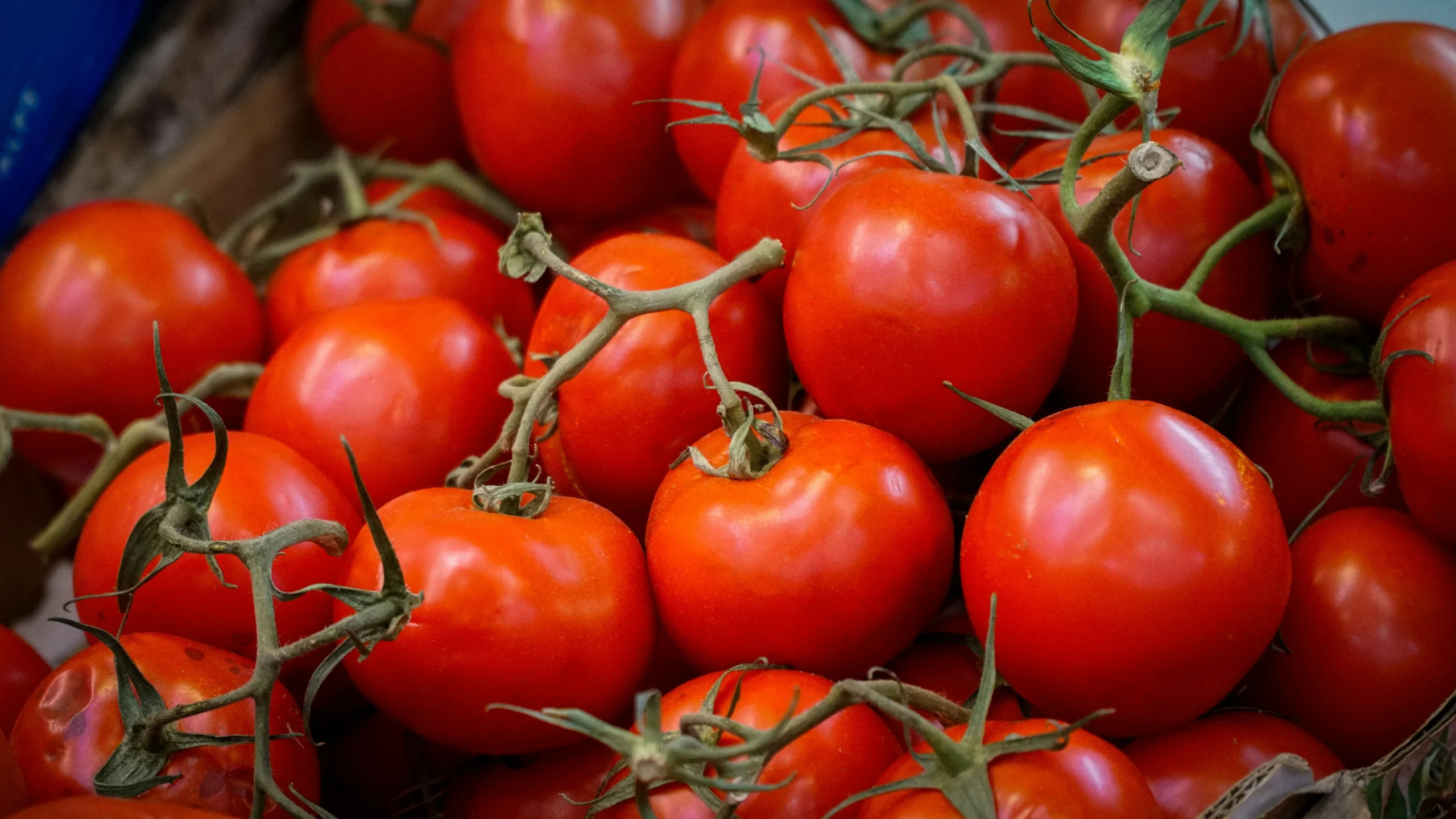
Botany uses structure, not taste. A fruit forms from the ovary of a flowering plant. It develops after pollination. It protects the seeds. That is the core idea. Tomatoes check every box. They grow from a flower. They mature from the plant’s ovary. They carry seeds inside the flesh.
This is why science classes label tomatoes as fruit. The rule does not care if the food tastes sweet. It also does not care how you eat it. The rule only asks one thing. Did it grow from a flower and contain seeds? Tomatoes do.
Simple definition box
A fruit is the seed bearing part that develops from a flower. A vegetable is a cooking word for edible plant parts, like roots and leaves.
That second line matters. “Vegetable” is not a strict botanical category. It is a food and culture category. That is where the debate starts.
Why cooks call tomatoes a vegetable
In the kitchen, tomatoes land in savory dishes more than sweet ones, and that is why most people call them vegetables in daily life. You see this in simple plates too, like tomatoes paired with herbs, olive oil, and cured items, where flavor matters more than plant science. If you want real examples of how tomatoes show up in everyday cooking, check this guide on savory dishes that use basil and tomato-friendly pairings.
Tomatoes show up in salads, sauces, soups, and salsas. They pair with garlic, onions, and herbs. They sit next to meat, rice, and pasta. That pattern makes many cooks label tomatoes as vegetables.
This kitchen rule helps in real life. If you shop for produce, you look for tomatoes near onions and peppers. If you plan meals, you treat tomatoes like a savory ingredient. That is why the culinary label stays strong.
Botany vs cooking vs law, side by side
A fast way to understand the culinary side is to look at how cultures use tomatoes at the table. In many places, tomatoes show up in salads with other “vegetable” ingredients like cucumbers, peppers, and onions, which reinforces the idea that tomatoes belong in the vegetable category. This Bulgarian food guide shows a clear example of that everyday use through a classic tomato-based salad.
| Lens | What tomatoes are called | Why that lens says it | Real life example |
|---|---|---|---|
| Botany | Fruit | Forms from a flower ovary and contains seeds | Plant science, gardening, biology class |
| Cooking | Vegetable | Used in savory dishes more than desserts | Pasta sauce, salsa, salads |
| Law | Vegetable for tariffs | Uses common language, not science | Import rules and customs duties |
The Supreme Court tomato case, explained clearly
People love saying, “The Supreme Court said tomatoes are vegetables.” That sounds like the final word. It is not the final word in science.
In 1893, the U.S. Supreme Court heard a tariff dispute called Nix v. Hedden. The question was about taxes on imported produce. The law used the word “vegetable.” The court had to decide what that meant for trade.
The judges used common speech. They focused on how people used tomatoes in meals. They decided tomatoes counted as vegetables for tariff purposes. That decision helped customs and taxes. It did not rewrite botany. It did not change how plants form fruit.
Here is the clean takeaway. The court chose a practical label for business rules. Science still classifies tomatoes by plant structure.
Is a tomato a berry?
Yes, technically. This part surprises many people.
A “true berry” in botany has a simple structure. It comes from one ovary. It has a fleshy interior. It holds multiple seeds inside the pulp. Tomatoes match that structure.
This does not mean tomatoes are like blueberries in daily life. It only means they fit the botanical berry definition. The word “berry” in everyday talk works differently.
Fruit vs berry vs vegetable table
| Term | What it means | Does tomato fit? | Short reason |
|---|---|---|---|
| Fruit | Seed bearing part from a flower | Yes | Has seeds and develops from a flower |
| Berry | Fleshy fruit from one ovary | Yes | Seeds sit inside the pulp |
| Vegetable | Cooking category, not strict botany | In the kitchen, yes | Used in savory meals |
Other “vegetables” that are fruits in botany
Tomatoes are not alone. Many foods you call vegetables are fruits by structure.
Examples include cucumbers, bell peppers, eggplant, squash, pumpkin, okra, and avocado. These also develop from flowers and contain seeds. People still treat them as vegetables because of taste and use.
This is the key lesson. Botany and cooking sort foods differently. Both systems work. They just answer different questions.
Brand communication strategy, and why the debate never stops
Here is the modern reason this topic stays popular. Brands and stores shape how people think.
Grocery stores group tomatoes with vegetables because shoppers use them that way. Signs and category labels reinforce that idea. Packaging often frames tomatoes as savory. Menus do the same. Think about how restaurants describe tomatoes. They pair them with salads, sandwiches, and sauces.
That is brand communication strategy at work. Labels guide buyers toward a mental shortcut. The shortcut is not evil. It is efficient. Still, it keeps the fruit versus vegetable argument alive.
A simple solution helps. Use the right definition for the setting. Use botany for science. Use culinary rules for cooking. Use legal rules for tariffs and trade.
The ketchup smoothie question, answered without jokes
People ask, “If tomato is a fruit, is ketchup a smoothie?” It is a funny line. It also reveals a real confusion. People mix up ingredient category with product category.
Smoothies are drinks made for sipping. They usually use blended whole fruits. Ketchup is a thick condiment. It includes cooked tomato concentrate, vinegar, salt, and spices. It is also designed for food, not drinking.
So no, ketchup is not a smoothie in any normal sense. Tomatoes being fruit does not change that. It only changes how you describe the plant structure.
Common problems people face, and simple solutions
School quizzes confuse you
Many quizzes expect the botanical answer. If the question appears in science class, answer “fruit.” If the teacher asks for a reason, mention seeds and flowers.
Friends argue and nobody agrees
Most arguments fail because people use different definitions. Fix it with one line. “Fruit in botany, vegetable in cooking.” That ends the loop fast.
You do not know what to say in a quick conversation
Use a short script. “Tomatoes are fruits because they hold seeds, but we cook them like vegetables.” Keep it friendly and move on.
You see the Supreme Court claim and feel unsure
Remember the context. The court ruled for tariff categories. It did not change biology. Say that clearly if someone brings it up.
FAQs
Are tomatoes a fruit or a vegetable?
They are fruits in botany and vegetables in cooking. Botany uses structure. Cooking uses taste and use.
Why are tomatoes considered a fruit in science?
They grow from a flower’s ovary and contain seeds. That is the botanical rule for fruit.
What did the Supreme Court say about tomatoes?
In 1893, the court treated tomatoes as vegetables for tariffs. The decision used common language for trade.
Is tomato a berry?
Yes, in botany. Tomatoes fit the “true berry” structure. Everyday speech uses “berry” differently.
Is cucumber a fruit or a vegetable?
In botany, cucumber is a fruit because it has seeds and forms from a flower. In cooking, people treat it like a vegetable.
If tomato is a fruit, is ketchup a smoothie?
No. Ketchup is a cooked condiment with vinegar and spices. Smoothie is a drink category, not a plant category.
Final Words
The debate exists because people ask one question and use three rulebooks. Botany answers with plant structure. Cooking answers with flavor and use. Law answers with trade labels. When you match the rulebook to the moment, the answer becomes simple.