Best Things to Do in Alicante Spain in 2026: Top Stops and Times
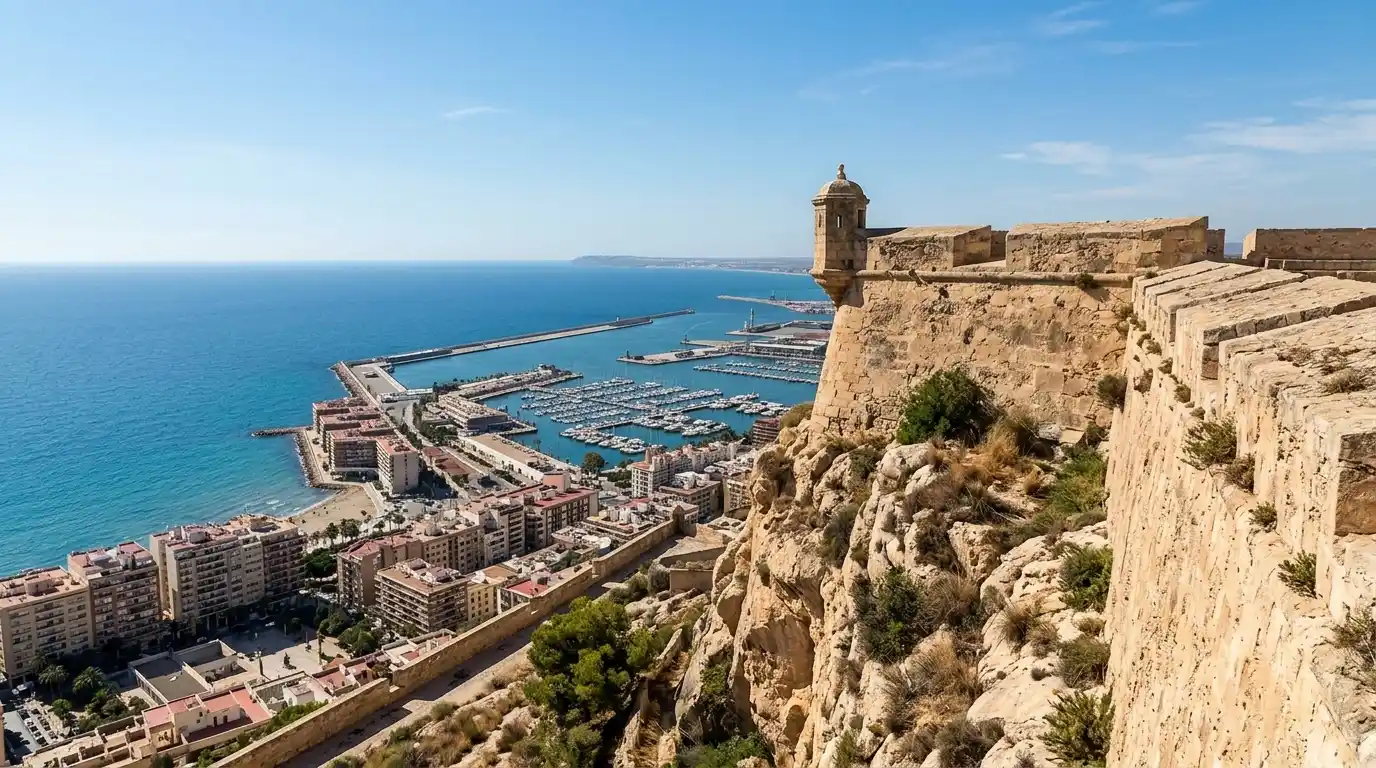
The best things to do in Alicante Spain in 2026 start with the free Castillo de Santa Bárbara for bay views, then the Explanada de España marble promenade and Santa Cruz neighbourhood. Most core sights sit within a 20-minute walk. Entry to the castle is free; the elevator costs about €2.70. Plan a full day around the old town and waterfront.
Castillo de Santa Bárbara
The castle crowns Mount Benacantil at 166 metres. It dates to the 9th century and offers 360-degree views of the bay, port and city. Entry to the grounds is free. Take the elevator from near Postiguet Beach for about €2.70 or walk the slopes. Allow 60 to 90 minutes. Morning visits avoid peak heat and queues. The site includes the MUSA museum inside. Hours typically run through the day; confirm locally for 2026. From the top the port and beaches spread below. Descent can continue through the Santa Cruz area.
The short distance from the centre makes it the natural first stop. Related European castle ideas appear in English castle guides. Distances stay walkable.
Santa Cruz Neighbourhood and Old Town
Below the castle the Santa Cruz quarter shows white houses, steep lanes and flower pots. Walk the pedestrian streets for 45 minutes. The area connects to the Basílica de Santa María and other historic spots. Entry to most churches is free or low cost during open hours. The compact layout keeps everything close. Afternoon shade helps in warmer months. Street-level cafes offer breaks. The neighbourhood gives the traditional side of the city before modern waterfront stretches.
Combine with the castle for a single loop. See Seville old-town pacing for similar historic walks. Kilometres between stops remain under one.
Explanada de España
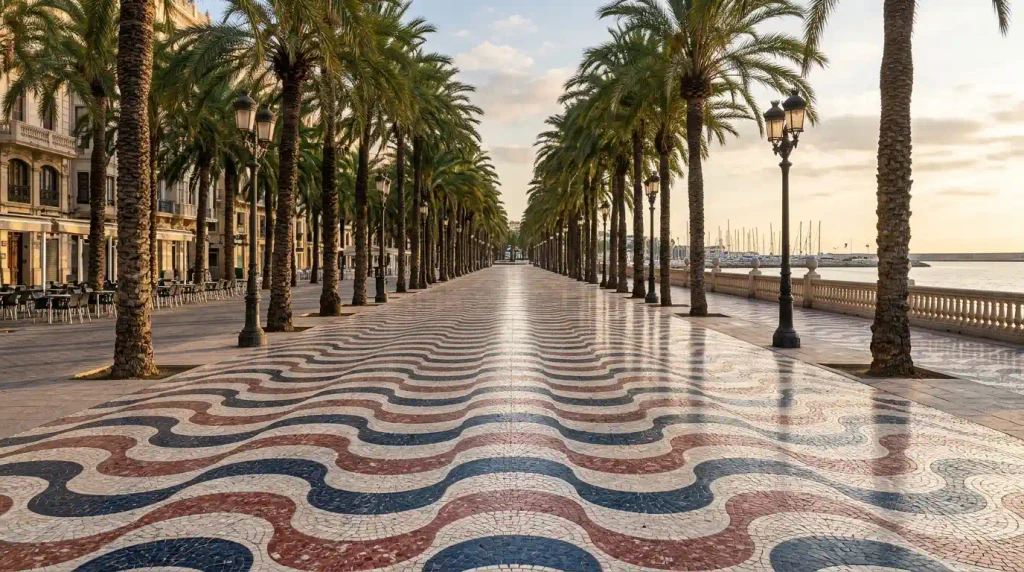
The waterfront promenade runs about 600 metres with a wavy marble mosaic of over six million tiles. Palm trees line the path. It sits beside the port and offers sea breezes. Walk or sit at outdoor tables. No entry fee. Evenings bring the local paseo tradition of strolling. The design mimics waves and ranks as one of the most photographed spots. From here Postiguet Beach lies a short distance. The promenade links the old town to the modern marina area.
For other promenade and beach ideas see Barcelona beach notes. The flat path suits all ages.
Beaches and Nearby Coasts
Postiguet Beach sits at the foot of the castle and works for a quick swim. Trams reach further beaches such as Albufereta or San Juan within 3 to 7 kilometres. The city tram system connects them efficiently. Water stays clear in the warmer months. Lifeguard seasons run in summer. Rentals for sun loungers appear on busier stretches. The urban beach handles day visitors while longer sands lie a short ride away. Morning or late afternoon avoids peak sun.
Compare with Italian beach options. Distances stay short by tram or taxi.
Museums and Markets
The Mercado Central opens in the morning with local produce in a modernist building. Free to enter. MACA and MUBAG offer free contemporary and fine art in the old town. MARQ archaeology museum charges a modest fee around €3 and sits a short ride away. Lucentum Roman ruins lie about 3 kilometres northeast. Most museums stay open standard daytime hours. Combine two or three in an afternoon. The market works best before midday for fresh displays.
Links to Polish food traditions show similar market culture elsewhere. The central locations keep travel minimal.
Day Trips from Alicante
Isla de Tabarca lies a short ferry ride from the port. The island holds a walled village and marine reserve. Trips take a full half day. Benidorm sits about 40 kilometres north by bus or car. Elche palm groves lie inland. Trains and buses run frequently. Book ferries in advance in high season. A full day trip fits if the core city sights are covered the previous day. Distances stay under one hour for most options.
See Benidorm day trip ideas for extensions. The base city remains walkable.
Practical Costs and Timing for 2026
Castle grounds: free. Elevator: about €2.70. MARQ: around €3. Most other core sights free. Tram fares stay low for beach hops. Meals range widely; mid-range tapas or local dishes fit typical European city prices. No fixed totals listed because rates vary. Best walking months run May-June and September-October for milder crowds and weather. Summer brings beach focus and higher visitor numbers. Confirm 2026 hours on official tourism sites. The compact centre supports a full day on foot plus optional tram.
| Sight | Time Needed | Entry | Distance from Centre |
|---|---|---|---|
| Castillo de Santa Bárbara | 60-90 min | Free / elevator ~€2.70 | Walk or short ride |
| Santa Cruz | 45 min | Free | Adjacent |
| Explanada de España | 30-45 min | Free | Waterfront |
| Mercado Central | 30 min | Free | Old town |
| MARQ | 60-90 min | ~€3 | Short ride |
The table organises a day. Related reading on October travel spots helps with shoulder-season planning. Kilometres stay low.
What to Prioritise on a Short Visit
Castle, Santa Cruz and Explanada form the essential loop for most visitors. Add the market in the morning and one museum in the afternoon. Beaches fill remaining time or a second day. Skip distant ruins if the schedule is tight. The free or low-cost nature of the main sights keeps the day flexible. Evening strolls on the promenade close the visit well. First-timers often finish with clear views and a walkable historic core.
Compare with Rome must-do lists for pacing in other compact cities. The plan fits 2026 conditions.
FAQs
Best Things to Do in Alicante Spain in 2026
Visit the free Castillo de Santa Bárbara for views, walk Santa Cruz lanes, stroll the Explanada de España mosaic promenade and stop at the Mercado Central. Most sights sit within a short walk. The elevator to the castle costs about €2.70. A full day covers the core without long transfers.
Is the castle free to enter?
Yes, the grounds are free. The elevator from near the beach costs about €2.70. Walking the slopes is also free. Allow time for the climb or ride and the views. Confirm current 2026 access details locally.
How long do the main sights take?
Castle 60 to 90 minutes, Santa Cruz 45 minutes, Explanada 30 to 45 minutes. The market fits a morning stop. Combined they fill a comfortable day with breaks. Distances between them stay under one kilometre on foot.
What is the best time of year to visit Alicante?
May-June and September-October offer good weather with fewer crowds. Summer focuses on beaches. Winter stays mild but cooler for swimming. Shoulder months suit walking the historic core and waterfront.
Can I visit everything on foot?
Yes for the castle, Santa Cruz, Explanada and old-town museums. Trams or short taxis reach further beaches. The centre is compact. Comfortable shoes help on the castle slopes and lanes.
How much do attractions cost?
Most core sights are free. The castle elevator is about €2.70. MARQ charges around €3. Other museums such as MACA are free. Beach access is free. Check official sites for any 2026 updates.
What beaches are closest?
Postiguet lies at the foot of the castle. Albufereta and San Juan sit a few kilometres along the coast by tram. The urban beach works for a quick visit. Longer sands offer more space further out.
Is a day trip to Tabarca possible?
Yes. Ferries leave from the port and take a half day. The island has a walled village and clear water. Book ahead in busy months. It fits after a city day or as a separate outing.
What currency is used?
Euro. Cards work widely in restaurants and museums. Small cash helps at markets or minor vendors. Prices for the listed entries reflect recent published figures and can change.
How do I reach the castle?
Walk the slopes or take the elevator near Postiguet Beach. Both options start close to the centre. Morning arrivals reduce queues. The site provides the best overview of the bay and port.
Are there free museums?
Yes. MACA, MUBAG and several others charge no entry. MARQ has a modest fee. The castle grounds are free. Combine free options for a low-cost day in the old town and waterfront.
What should I wear?
Comfortable walking shoes for slopes and lanes. Light layers for variable coastal weather. Sun protection for beaches and open promenade. Modest dress works for churches if entering. The city stays casual.