Lake Maggiore Travel Guide: Things to Do, Islands, and Practical Tips
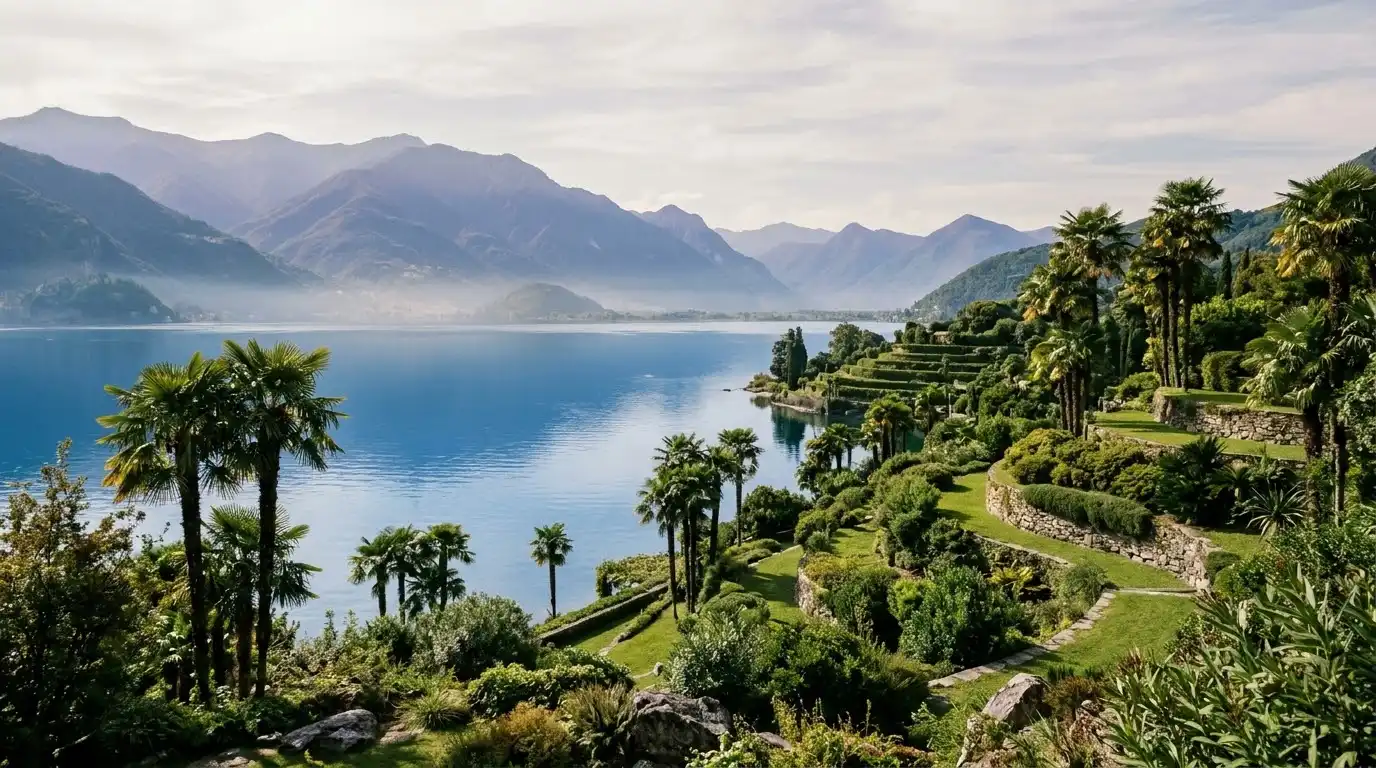
Lake Maggiore offers a quieter Italian lakes experience with Borromean Islands, botanical gardens, and ferry connections into Switzerland. Visitors typically base in Stresa or Verbania and spend one to three days island-hopping and garden touring.
The lake sits on the Italy-Switzerland border in the Piedmont and Lombardy regions. Its microclimate supports lush gardens and palm trees even in cooler months. Ferries link the main towns and the three Borromean Islands, making car-free travel straightforward for most itineraries.
Distances are short: Stresa to Isola Bella is a 10-minute ferry ride. Verbania lies about 15 kilometres north. Many travelers combine the lake with a day trip into Swiss territory via the Lago Maggiore Express boat-and-rail route.
Borromean Islands Highlights
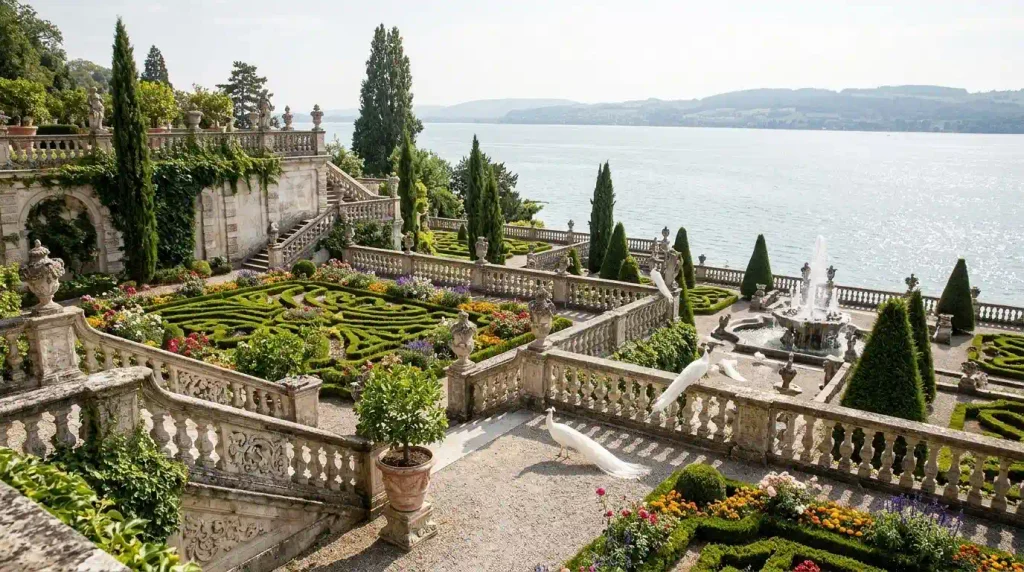
Isola Bella features a 17th-century Baroque palace and terraced gardens with white peacocks. The gardens rise in ten levels and include shell-encrusted grottoes. Tickets cover the palace and gardens; combination tickets with the other islands are available.
Isola Madre is the largest and most garden-focused, with rare plants, a wisteria staircase, and a villa containing historic puppet theatres. Isola dei Pescatori remains a working fishing village with narrow lanes and waterfront restaurants serving lake fish.
A full day covers all three islands by public ferry from Stresa. Morning arrivals help avoid peak crowds on Isola Bella. Lunch on Isola dei Pescatori is a common stop between the two garden islands.
Gardens and Viewpoints
Villa Taranto in Verbania holds one of Italy’s finest botanical collections, with nearly 20,000 plant varieties across 16 hectares. Spring tulips and summer water lilies draw visitors; the gardens open from early March to early November. Entry is modest compared with the island tickets.
The Laveno cable car on the eastern shore rises to Monte Sasso del Ferro for wide views of the lake and Alps. The Hermitage of Santa Caterina del Sasso clings to a cliff face and is reachable by boat or a long staircase from above.
Rocca di Angera, a medieval fortress at the southern end, contains a large doll and toy museum. These sites spread easily across a second day after the islands.
Getting Around and Practical Logistics
Public ferries run frequently in season between Stresa, the islands, Verbania, and other towns. Tickets can be bought at the dock or online. A day pass covering multiple hops is often economical for island visits.
Trains connect Milan to Stresa in about one hour. From there, most sights are walkable or a short ferry ride away. Driving is possible but parking in the compact towns fills quickly in summer.
The Lago Maggiore Express combines ferry and Swiss narrow-gauge rail for a cross-border day trip. It requires advance booking in peak months. Local currency is the euro; cards are widely accepted in tourist areas.
Where to Stay and Eat
Stresa offers the widest range of hotels and the most convenient ferry access to the islands. Verbania provides a slightly quieter base with easy reach to Villa Taranto. Smaller towns such as Cannobio or Laveno suit travelers who prefer less traffic.
Lake fish, risotto, and regional Piedmont wines appear on most menus. Isola dei Pescatori restaurants specialize in freshly caught fish. Reservations help at popular waterfront spots in July and August.
Many properties include lake views or garden settings. Shoulder seasons (April–June and September–October) balance pleasant weather with fewer crowds and lower rates than peak summer.
Sample One- and Two-Day Itineraries
Day 1: Morning ferry to Isola Bella, gardens and palace, then Isola dei Pescatori for lunch, afternoon on Isola Madre, return to Stresa. Day 2: Villa Taranto in the morning, cable car or Santa Caterina in the afternoon.
Travelers with only one day should prioritize the three islands. Those with a car or extra time can add Rocca di Angera or a Swiss border stop. Distances between major points stay under 30 kilometres by road or ferry.
Spring and early autumn offer the best garden color without the highest summer temperatures. Winter visits are possible but many gardens and some ferries reduce service.
Costs and Timing Notes
Island combination tickets and Villa Taranto entry are the main paid attractions; expect modest euro amounts per site. Ferry tickets add a few euros per hop or a higher day rate. Meals on the islands cost more than mainland options.
Peak season runs June through August. Book ferries and popular restaurants ahead during those months. Shoulder months provide the same sights with shorter lines and cooler walking temperatures.
No major entry fees apply to the lakeside promenades or most viewpoints. The experience centers on boat travel, gardens, and short walks rather than long hikes.
FAQs
lake maggiore
Lake Maggiore is a large Italian lake on the Swiss border known for the Borromean Islands, botanical gardens, and ferry routes. Most visitors base in Stresa and spend one to three days exploring the islands and nearby gardens.
What are the Borromean Islands?
The three islands are Isola Bella (palace and Baroque gardens), Isola Madre (botanical gardens and villa), and Isola dei Pescatori (fishing village with restaurants). All are reached by short ferry rides from Stresa.
How do you get to Lake Maggiore?
Trains from Milan reach Stresa in about one hour. Ferries then connect the towns and islands. Driving is possible, but parking in the main towns is limited in summer.
Is Lake Maggiore worth visiting?
Yes for travelers who want gardens, island hopping, and a calmer atmosphere than the larger lakes. The Borromean Islands alone justify a day trip or overnight stay.
What is the best time to visit Lake Maggiore?
April to June and September to October offer good weather, open gardens, and fewer crowds. July and August are busiest. Many gardens close or reduce hours in winter.
Can you visit Switzerland from Lake Maggiore?
Yes. The Lago Maggiore Express boat-and-rail route crosses the border. Regular ferries also reach Swiss towns on the northern shore. Bring identification for the crossing.
How much time do you need at Lake Maggiore?
One full day covers the three Borromean Islands. Two days allow gardens such as Villa Taranto and a viewpoint or fortress. Longer stays suit slower pacing or side trips.
Are the islands crowded?
Isola Bella sees the most visitors, especially midday in summer. Morning ferries and shoulder-season travel reduce wait times. Isola Madre and Isola dei Pescatori feel quieter.
What currency is used at Lake Maggiore?
The euro. Cards work in most hotels, restaurants, and ticket offices in the tourist towns. Small cash amounts help for minor ferry or market purchases.
Is Lake Maggiore good for families?
Yes. Ferry rides, short garden walks, and the toy museum at Rocca di Angera suit a range of ages. Stroller access varies on the islands’ paths and stairs.
What should you eat at Lake Maggiore?
Lake fish, risotto, and local wines are common. Isola dei Pescatori restaurants focus on fresh catches. Mainland towns offer more variety and often lower prices.
Do you need a car at Lake Maggiore?
No for the main sights. Trains and ferries cover Stresa, the islands, Verbania, and most viewpoints. A car helps only for remote villages or flexible timing outside ferry schedules.