
Trip to New Zealand: The Complete Planning Guide
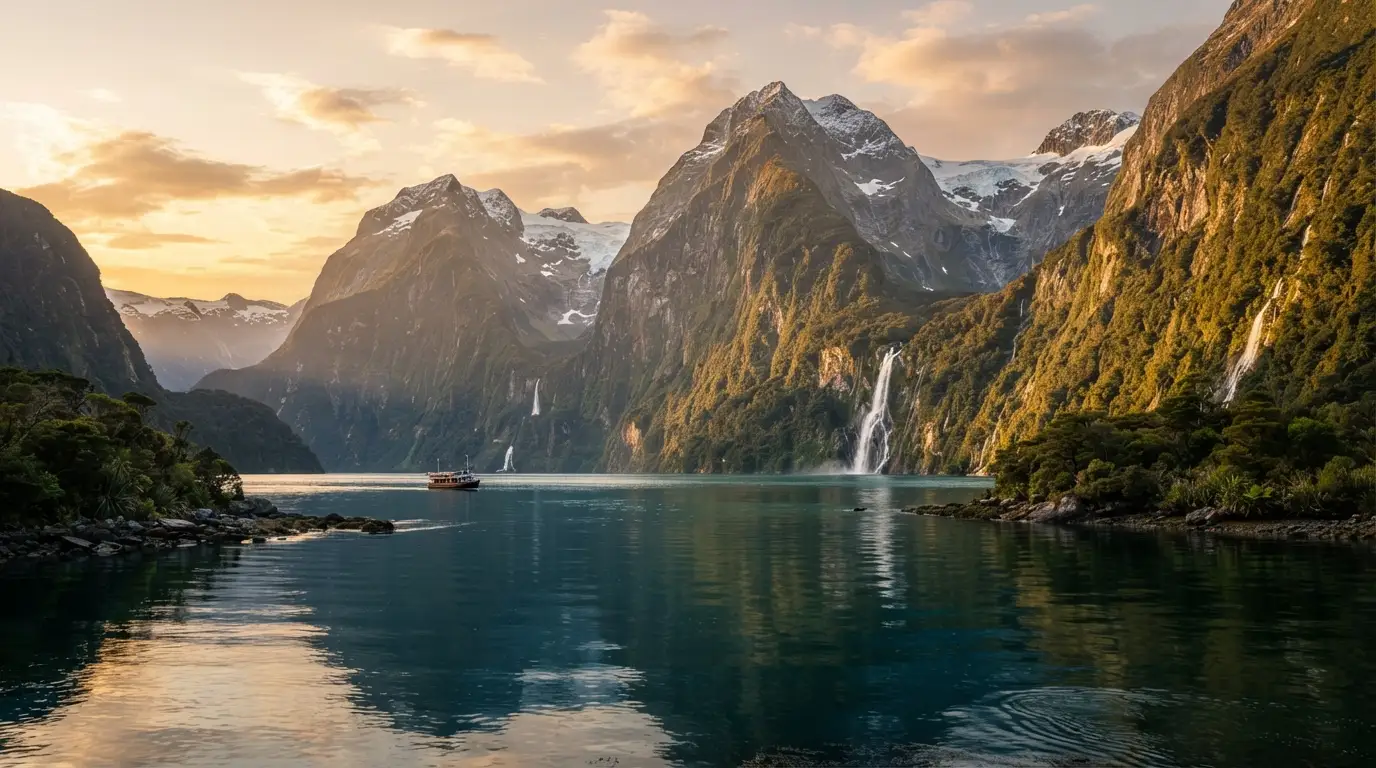
A trip to New Zealand rewards travelers willing to split time between the North Island and South Island, budget realistically for its reputation as an expensive country, and prioritize hiking, glaciers, and Fiordland cruises over its comparatively unremarkable food scene. New Zealand’s reputation for high prices scares off a lot of first timers, but the country is genuinely more affordable than most people assume, as long as you know where the real costs hide.
What Should You Know Before Planning a Trip to New Zealand?
New Zealand consistently ranks among the most spectacular countries in the world, home to glaciers, mountains, volcanoes, beaches, and rainforests all within a compact, drivable landscape. It is genuinely pricier than budget-friendly destinations like Vietnam or Thailand, but travelers who plan carefully around accommodation, transport, and activity choices can still visit without draining their savings. A common mistake first timers make is trying to see both islands in a rushed week or two, when the scenery on both the North Island and South Island genuinely rewards a slower pace, ideally three weeks or more if your schedule allows.
How Much Does a Trip to New Zealand Cost Per Day?
Real, tracked spending data from months of travel across the country shows New Zealand can be visited on a genuine budget without sacrificing the experience.
| Category | Average Daily Cost (USD) |
| Accommodation | Around $16 |
| Transportation | Around $14 |
| Food | Around $10 |
| Activities | Around $35 |
| Total | Around $75 per day |
This total reflects a budget-conscious approach: dorm beds or private hostel rooms, a rental car for transport, self-catered meals, and a mix of free hikes with a few paid splurges. Travelers wanting more comfort, private rooms every night, and more restaurant meals should expect this number to climb considerably higher, but even a moderate budget traveler can genuinely see the country’s highlights for well under $100 a day.
Should You Visit the North Island or South Island?
| Island | Known For | Best For |
| North Island | Auckland, Tongariro Crossing, Waitomo Caves, geothermal activity | City access, volcanic landscapes |
| South Island | Queenstown, glaciers, Fiordland, Christchurch | Dramatic mountain and glacier scenery |
The North Island offers easier access to Auckland and a mix of city life alongside genuinely unique landscapes like the Tongariro Crossing’s alien-like volcanic terrain and the glowworm-filled Waitomo Caves. The South Island leans harder into dramatic natural scenery, with glaciers, Fiordland’s deep sounds, and Queenstown‘s reputation as the adventure capital of the world all concentrated here. Travelers with three weeks or more should aim to see both, while those with less time should pick based on priorities: North Island for city convenience and geothermal wonders, South Island for the glaciers and fjords most people picture when they imagine New Zealand.
What Is the Best Way to Get Around New Zealand?
Renting or buying a campervan remains one of the smartest transportation choices in the country, since it combines transport and accommodation into one cost, typically running around $40 a day to rent. Backpackers with more time on their hands sometimes buy a used campervan on arrival and resell it before departure, cutting transportation costs down to nearly nothing over a longer trip. Hitchhiking is genuinely common and considered relatively safe here compared to most countries, offering a free way to get around for travelers with flexible schedules and patience for occasional waits. Backpacker hop-on-hop-off buses offer another popular budget option, letting travelers buy one ticket covering a set route and jump on and off at various stops along the way. Flying between destinations should generally be avoided unless time is genuinely tight, since New Zealand’s scenery is best experienced from the ground, where the drive itself often becomes part of the highlight reel.
Where Should You Stay in New Zealand?
| Accommodation Type | Cost | Best For |
| Hostel dorm | Around $20/night | Solo travelers, meeting people |
| Hostel private room | Around $50/night | Couples wanting privacy |
| Airbnb private room | From $20/night | Faster wifi, local insight |
| Campervan | Around $40/day | Combining transport and lodging |
| Couchsurfing | Free | Deepest local connection |
Hostels remain widely available across the country’s cities and towns, priced similarly to Western Europe or North America rather than the ultra-cheap dorms found in Southeast Asia. Standout options include a modern, high-tech hostel in Queenstown, a home-like hostel a short bus ride from central Auckland, a converted jail complete with an onsite cinema in Christchurch, and a cozy hostel slightly outside central Wellington. Airbnb private rooms, rather than full apartments, can work out even cheaper than a hostel for couples, while free options like Couchsurfing, housesitting through a dedicated New Zealand platform, or working farm stays through WWOOFing and WorkAway let genuinely tight-budget travelers cut accommodation costs to nearly zero in exchange for either social connection or a few hours of daily work.
Fox Glacier or Franz Josef: Which Glacier Should You Visit?
Both glaciers sit on the South Island’s West Coast and offer genuinely unforgettable ways to get close to a river of ice, though most travelers who’ve done both name Fox Glacier as the stronger overall experience. A guided walk through the glacier valley runs around $40 and gets you genuinely close to the ice at a budget-friendly price, while splurging on a helicopter ride over the glacier, running around $300, then hiking across the ice without other tourists nearby, delivers a genuinely more exclusive and memorable experience for travelers willing to spend more. Neither glacier is a mistake to visit, but if choosing just one, Fox Glacier consistently earns the edge among well-traveled visitors.
Milford Sound or Doubtful Sound: Which Should You Visit?
Fiordland, on the South Island, ranks among the most beautiful regions in the entire country, and choosing between its two most famous sounds comes down to priorities. Milford Sound is somewhat more accessible and slightly more visually impressive according to some visitors, but it also draws considerably heavier crowds. Doubtful Sound, larger and requiring more effort to reach, attracts noticeably fewer tourists, delivering a quieter, more remote feeling cruise experience. Travelers prioritizing convenience should choose Milford Sound, while those willing to trade a bit of extra travel time for solitude should choose Doubtful Sound instead.
What Free and Budget-Friendly Things Can You Do in New Zealand?
Hiking remains one of the best genuinely free activities in the country, and the Tongariro Crossing on the North Island delivers volcanic, otherworldly scenery unlike anywhere else. Running up Baldwin Street in Dunedin, the world’s steepest street, has become a classic bucket-list photo opportunity that costs nothing. The Waitomo Glowworm Caves, typically an expensive paid attraction, can be experienced through free alternative viewing methods for budget travelers willing to do a little research. The Queen Charlotte Track offers another breathtaking, low-cost hiking option, while Kaikoura rewards a couple of days with viewpoint hikes and baby seals bathing in nearby waterfalls. Tekapo is famous for some of the clearest night skies in the country, and rather than paying for the observatory, driving just ten minutes outside town delivers an equally stunning, completely free view of the Milky Way. Beach lovers should add Raglan for surfing, Mount Maunganui for a relaxed coastal stop, and the seemingly endless Ninety Mile Beach, while The Catlins, tucked into the South Island’s bottom corner, remains genuinely underrated and worth visiting despite its limited connectivity.
What Big-Ticket Activities Are Worth the Splurge?
For travelers with room in the budget, a handful of activities genuinely justify the extra cost. A Hobbiton tour, running around $60, delivers a must-do experience for Lord of the Rings fans visiting the actual film set. Queenstown, known globally as the adventure capital of the world, offers skydiving for around $200, an experience travelers consistently rank among the best places on earth to jump out of a plane. As mentioned earlier, a helicopter ride over Fox Glacier, at around $300, rounds out the splurge-worthy list for anyone wanting the single most exclusive glacier experience available.
What Should You Eat in New Zealand?
New Zealand’s food scene won’t wow travelers coming from culinary powerhouses like Mexico, Vietnam, or Japan, and it’s honestly fairly similar to what North American or Western European visitors already eat at home. That said, a handful of local dishes are worth trying, including whitebait patties on the West Coast, marmite on toast for anyone curious about the polarizing spread, classic fish and chips, a Fergburger in Queenstown, and a bottle of L&P soda. Budget travelers can keep food costs low, averaging around $10 a day, by shopping at Pak ‘N’ Save, the country’s cheapest major supermarket chain, and sticking to simple staples like bread and pasta rather than eating out for every meal.
Do You Need Travel Insurance for New Zealand?
Yes, and it genuinely matters more here than in many destinations given how outdoor-adventure-focused a typical New Zealand trip tends to be. Travel insurance covers scenarios ranging from mountain rescue if weather turns dangerous mid-hike to medical bills from a campervan accident on the country’s winding roads. One important detail worth checking carefully: basic insurance plans often exclude adventure sports like skydiving, skiing, and bungee jumping, so anyone planning to splurge on Queenstown’s adrenaline activities should specifically confirm their policy covers those exclusions before booking.
Final Thoughts
Planning a genuinely great trip to New Zealand comes down to budgeting realistically, choosing accommodation that matches your travel style, and picking which glacier and fjord to prioritize rather than trying to see everything on a rushed schedule. Rent a campervan or mix hostels with a few free nights of Couchsurfing, save big splurges like skydiving and helicopter rides for the experiences that genuinely justify the cost, and double check your travel insurance covers adventure sports before booking Queenstown’s adrenaline activities. Whether you’re hiking the Tongariro Crossing for free or splurging on a private glacier walk, a trip to New Zealand consistently rewards travelers who plan ahead but stay flexible once they’re actually on the road.
FAQs
What is the best time to visit New Zealand?
Summer months, roughly December through February, offer the warmest weather and longest days for hiking and outdoor activities, though this also coincides with peak season pricing and crowds at popular spots.
Is Hobbiton worth visiting?
Yes, particularly for Lord of the Rings fans, with the tour running around $60 and offering genuine access to the actual film set used in the movies.
How do you find cheap flights to New Zealand?
Checking dedicated flight deal websites regularly and using a flexible flight search tool that compares prices across an entire month, rather than fixed dates, consistently turns up the best fares into the country.
What should you pack for New Zealand?
A good guidebook, a waterproof dry bag for water-based activities, and a lightweight, packable daypack all earn their place given how much of a New Zealand trip revolves around hiking, beaches, and unpredictable weather.


