
Things to Do in Fes: You Need to Read Before Visit this PlaceThe
The best things to do in Fes include wandering the medina from Bab Boujloud, touring the Bou Inania and Al Attarine Madrasas, viewing the Chouara Tannery, and visiting the Mosque and University of Al-Qarawiyyin. All of it sits inside the world’s largest car free medina, a maze of roughly 9,000 alleys that can feel genuinely disorienting on a first visit.
Is Fes Worth Visiting?
Yes, and travelers who put Fes on the same list as Marrakech consistently come away saying Fes felt like the more authentic experience. Unlike Marrakech, which built much of its economy around tourism, Fes exists first for the people who live there, and the tourist attractions sit woven into a genuinely functioning city rather than built around visitors. A common mistake first timers make is treating Fes as a quick overnight stop between Marrakech and Chefchaouen, when the medina alone rewards two to three full days of exploring. The honest downside is that Fes has a reputation, deserved in parts, for more persistent unofficial guides and hassle than Marrakech, particularly around the tannery.
How Many Days Do You Need in Fes?
Two to three days lets you cover the medina’s major sights without rushing, including both madrasas, the tannery, the Mosque and University of Al-Qarawiyyin, and at least one hammam visit. A single day is possible if you’re tight on time, but most travelers who’ve done both report a rushed one day visit leaves several worthwhile sights, including the Marinid Tombs and Nejjarine Museum, unseen entirely.
What Is the Difference Between Fes El Bali, Fes El Jdid, and Ville Nouvelle?
Fes El Bali is the original medina, founded in the 8th century by the Idrisid dynasty and home to nearly everything travelers come to see, including the tannery, the madrasas, and the main souks. Fes El Jdid, built by the Marinids in the 13th century, sits just outside and holds the royal palace, though only its ornate gate is open to visitors. Ville Nouvelle, added by the French in the 20th century, offers wider boulevards, modern hotels, and restaurants, functioning as the practical, contemporary counterpart to the historic old town. Most travelers spend the bulk of their time in Fes El Bali and treat the other two areas as a brief contrast rather than a full day’s destination.
What Is the Fes Medina Known For?
The medina is known for being the largest car free urban area in the world, a title that becomes obvious once you notice donkeys, rather than trucks, hauling goods through alleys too narrow and steep for vehicles. Locals recommend starting at Bab Boujloud, the ornate Blue Gate that marks the medina’s main western entrance, since it opens directly onto Tala’a Kebira, the primary street where most shops and monuments cluster. The medina splits into distinct trade sections as you move through it, with dedicated stretches for brasswork, leather, jewelry, and sweets, plus a working fresh food market for locals slightly off the main tourist route. Early morning, before the 9am tour groups arrive, offers the clearest look at daily life, with cleaners, grocery runs, and the occasional donkey loaded with gas canisters filling otherwise quiet alleys.
What Is the Chouara Tannery and Is It Worth Visiting?
Yes, the Chouara Tannery is Fes’s most famous sight and genuinely worth seeing, even though pricing and access vary depending on how you approach it.
| Access Option | Cost | Notes |
| Balcony view (independent leather shop) | Free with browsing expected | Some shops charge, some don’t |
| Official balcony view | Around 20 dirhams | Where most tour groups go |
| Guided walk through the tannery floor | Around 50 dirhams ($5) | Less common, arranged with a badge holder |
The tannery’s massive stone vats, filled with dye and treatment mixtures, have operated in roughly the same way for centuries, and travelers consistently find the smell far less overwhelming than online reviews suggest, though shops still hand out mint leaves just in case. A common mistake is assuming you have to hire the first person who approaches offering a view, when several leather shops along the surrounding streets offer free balcony access with no obligation beyond browsing their goods afterward.
Is Bou Inania Madrasa or Al Attarine Madrasa Better to Visit?
Bou Inania Madrasa, built between 1351 and 1357, generally wins if you can only choose one, thanks to its larger courtyard, active mosque status, and the derelict hydraulic clock standing opposite it. Al Attarine Madrasa, also 14th century and built by the Marinids, is smaller and can feel crowded during peak tour group hours, though its proximity to the Mosque and University of Al-Qarawiyyin makes it an easy add on rather than a special trip. Admission to each runs around 20 dirhams, and both showcase the same intricate zellij tilework and carved stucco that define Marinid architecture, so travelers who’ve already seen similar madrasas elsewhere in Morocco can reasonably skip one without missing much.
What Is the Mosque and University of Al-Qarawiyyin?
Founded in 859 AD, the Mosque and University of Al-Qarawiyyin is recognized as the oldest continuously operating university in the world, predating other historic academic institutions by centuries. Non-Muslim visitors cannot enter, since it remains an active mosque, but the courtyard is visible from the entrance where a security guard typically stands. The site anchors the medina’s identity as an intellectual center, and its centuries of scholarship in Islamic law, Arabic language, and the sciences shaped much of Fes’s reputation as Morocco’s cultural and spiritual capital.
How Do You Avoid Scams in the Fes Medina?
The most effective approach is a firm, repeated no, especially near the tannery and Bab Boujloud, where unofficial guides are most persistent. Downloading an offline map before you arrive removes the main reason people give in and accept a guide’s help, since getting lost becomes far less stressful once you can see your own route. If someone insists they work for your hotel or claims a special connection, verify with your accommodation directly rather than following them, since this specific scam has caught out real travelers. Locals and repeat visitors both note that saying nothing at all, or responding in a language the tout doesn’t speak, ends interactions faster than politely explaining you’re not interested.
Is It Worth Getting a Guide in the Fes Medina?
It depends on your comfort with getting lost. Independent travelers with offline maps consistently report feeling safe navigating the medina solo, and many prefer it, since guides sometimes steer visitors toward specific shops for a commission rather than a purely educational tour. That said, a licensed guide, booked in advance through your riad or a reputable tour company, removes the hassle of dealing with touts entirely and can access details about the history and architecture that aren’t obvious just by walking through. For a first time visitor genuinely worried about getting turned around, a few hours with a booked guide on day one, followed by independent exploring afterward, offers a reasonable middle ground.
What Should You Try at a Fes Hammam?
| Hammam Tier | Approx Cost | What’s Included |
| Local hammam | A few dollars | Self service scrub in a shared bathing room |
| Mid-range spa hammam | Around $60 | 1 hour scrub plus 1 hour massage, done for you |
| High-end riad hammam | Around $160 | Full robe, relaxation lounge, extended treatments over several hours |
A mid-range hammam experience typically includes being scrubbed down on a heated stone slab by an attendant, followed by a rinse and a massage, and many travelers say this version, rather than the fanciest option, felt like the most genuine local experience. High-end hammams inside restored riads add extras like mud wraps and longer relaxation time, but the core scrubbing and massage experience doesn’t differ dramatically from the mid-range version, so the choice mostly comes down to budget and how much pampering you want around the edges.
What Should You Eat in Fes?
Tagine and couscous remain the reliable defaults across the medina, but pigeon pastilla, a savory and sweet pastry combining cinnamon with meat, is specifically associated with Fes and worth trying even if the sweet-savory combination doesn’t appeal to everyone. Seafood pastilla offers a spicier, less sweet alternative for travelers who find the traditional version too dessert like. Family run eateries tucked into the medina consistently serve some of the best value meals, often including complimentary vegetable dishes and mint tea before your main course even arrives. For something more polished, a handful of restaurants inside restored riads offer a proper sit down meal, though these often require reservations a day in advance and cost noticeably more than a casual medina lunch.
What Is the Best Time to Visit Fes?
Spring and autumn, roughly March through May and September through November, offer the most comfortable conditions, with cool enough temperatures for full days of walking and reliably dry weather. Summer, June through August, pushes medina temperatures past 45°C, making extended walking genuinely unpleasant during afternoon hours, though it does bring cheaper accommodation and the Fes Festival of World Sacred Music in May or June. Winter brings cooler temperatures and more rain, which can dampen a day of sightseeing but makes it an ideal season to fully enjoy a long hammam visit instead. Travelers should also check the Islamic calendar before booking, since major holidays like Ramadan and Eid al-Adha shift shop and restaurant hours significantly.
Can You Visit Chefchaouen as a Day Trip from Fes?
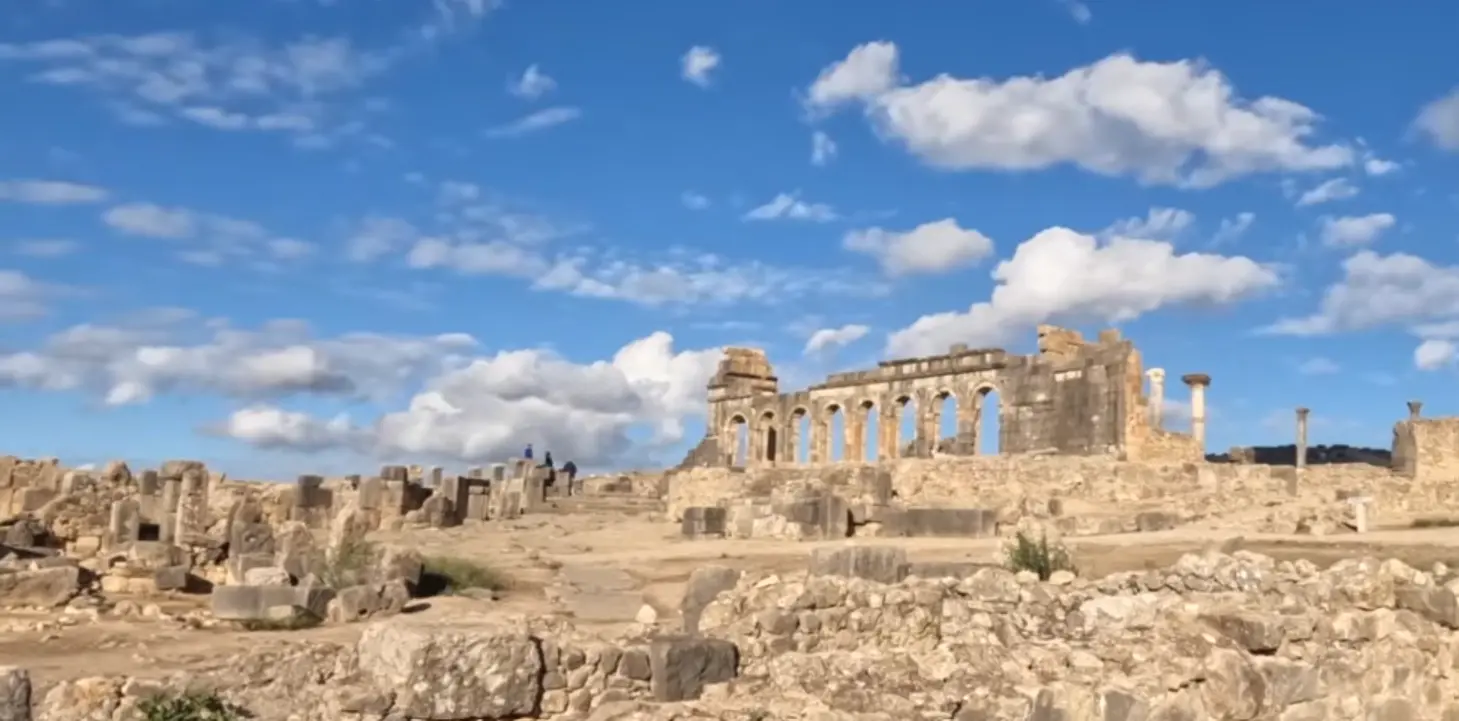
Technically yes, but it’s a stretch. Chefchaouen sits about 3.5 hours from Fes by road, which makes a round trip technically possible in a very long single day, though most travelers recommend staying at least one night to properly enjoy the blue city rather than rushing back the same evening. Closer alternatives include the Middle Atlas region, home to Ifrane and its cedar forests where Barbary macaques live wild, and Volubilis and Meknes, combining Roman ruins with one of Morocco’s four imperial cities, both comfortably doable as a genuine single day trip from Fes.
Final Thoughts
Fes rewards travelers willing to get a little lost in exchange for a genuinely unfiltered look at Moroccan daily life. Budget at least two days for the medina, decide early whether you want a guide or a good offline map, and don’t skip the hammam just because the tannery gets all the attention. Whether it’s pigeon pastilla at a family run eatery or the view from a tannery balcony, the things to do in Fes consistently surprise travelers who expected just another stop between Marrakech and the coast.
FAQ
Is Fes safe to visit?
Yes, Fes is generally safe for travelers, though the medina’s persistent unofficial guides and occasional scam attempts require the same street smarts you’d use in any major tourist city.
What is the Fes Festival of World Sacred Music?
It’s an annual music festival held in May or June, bringing spiritual and world music performances to venues across the city and drawing visitors despite the accompanying summer heat.
What is the Blue Gate in Fes?
Bab Boujloud, known as the Blue Gate for its vibrant mosaic tiles on the outward facing side, is the main western entrance to Fes El Bali and appears blue from outside the medina and green from within.
What day trips can you take from Fes?
Chefchaouen, the Middle Atlas towns of Ifrane, and the combined Volubilis and Meknes route are the most popular day trips, with Volubilis and Meknes being the easiest to comfortably complete in a single day.


