Things to Do in Aruba: The Best 2026 Guide for Every Type of Traveler
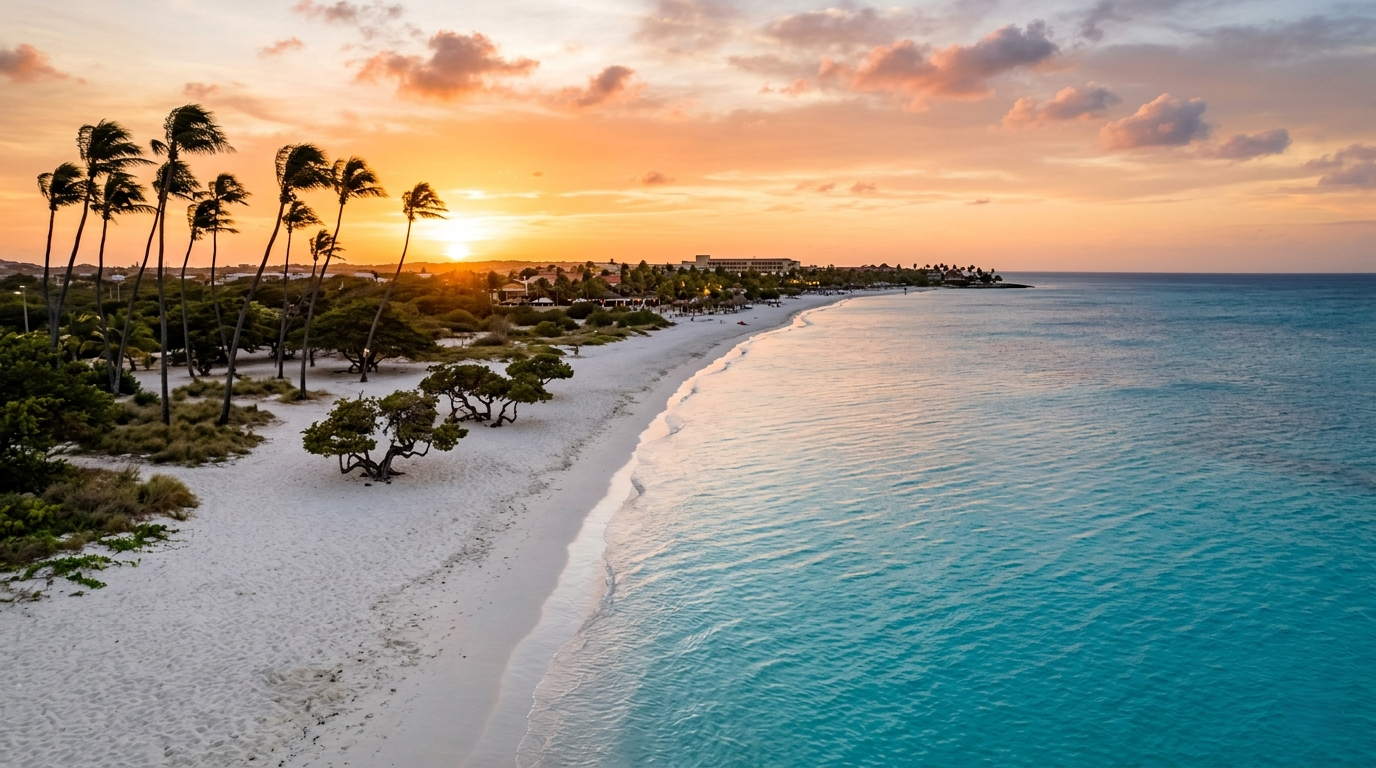
What Is Aruba and Why Do Travelers Keep Coming Back?
Aruba is one of the ABC Islands, alongside Bonaire and Curacao, sitting about 17 miles north of Venezuela. It covers just 75 square miles. But what it packs into those 75 square miles surprises almost every first-time visitor.
You get white-sand beaches, a desert interior full of cacti, ancient Amerindian petroglyphs, Dutch Colonial architecture in the capital Oranjestad, and a food scene shaped by Dutch, African, Latin American, and Spanish influences. Locals speak four languages: Dutch, English, Spanish, and Papiamento, a Creole tongue rooted primarily in Portuguese. The US dollar is accepted everywhere, and getting around is straightforward.
The island earns its nickname of “One Happy Island” because the energy here is genuinely relaxed and welcoming, not the manufactured kind you find at big resort strips.
What Are the Best Water Activities to Do in Aruba?
The Caribbean Sea around Aruba stays around 80 degrees Fahrenheit with visibility between 60 and 100 feet. That combination makes it one of the best underwater destinations in the entire region.
The Antilla Shipwreck is the biggest draw. It is the largest shipwreck in the Caribbean, sunk in 1940, sitting at just 55 feet deep. Open water divers reach it easily, and snorkelers can see much of the wreck from the surface. For beginners, Mangel Halto reefs on the southern coast offer calmer, shallower water where you will spot sea turtles, nurse sharks, coral reefs, eels, and sponges in a single outing.
Beyond diving and snorkeling, here is what the water offers in 2026:
- Windsurfing and kitesurfing at Hadicurari on the northwestern coast, best in June and July
- Advanced kiteboarding at Boca Grandi in the southeast, where winds hit 20 to 30 knots from January through August
- Jet skiing, parasailing, and paddleboarding along Palm Beach
- Catamaran tours with snorkeling stops, an open bar, and a visit to De Palm Island where an introduced flamingo population lives
- Submarine tours that drop 130 feet below the surface for a close look at vibrant corals
If you visit in July, the annual Hi-Winds competition brings professional windsurfers and kitesurfers from around the world to Hadicurari. It is worth timing your trip around it.
Which Beaches in Aruba Are Actually Worth Visiting?
Not all beaches here are the same. The right one depends entirely on who you are traveling with.
| Beach | Best For | Vibe | Key Feature |
| Eagle Beach | Couples, photographers | Quiet, romantic | Fofoti trees, turtle nesting March to September |
| Palm Beach | Everyone, nightlife | Lively, busy | 2-mile strip, watersports hub, casinos nearby |
| Baby Beach | Families, kids | Calm, sheltered | Shallow lagoon, glass-clear water near San Nicolas |
| Arashi Beach | Snorkelers, locals | Relaxed, easy | Close to California Lighthouse |
| Manchebo Beach | Solo travelers, yoga | Very peaceful | Least crowded stretch on the island |
Eagle Beach is the widest white-sand shoreline on the island and consistently ranks among the world’s best beaches. It is home to the famous fofoti trees, also called divi-divi trees, whose wind-bent shapes appear in almost every piece of Aruban travel photography. Between March and September, protected turtle nests appear along this shore.
Baby Beach sits at Aruba’s southeastern tip near San Nicolas. The lagoon there is waist-deep and perfect for young children or anyone who wants to wade rather than swim in open water.
What Should You Explore Beyond the Beaches in Aruba?
This is where Aruba genuinely surprises most visitors.
Arikok National Park covers nearly 20 percent of the entire island. Entry costs around 22 USD per adult, with children under 17 entering free. Inside, you will find:
- The Conchi natural pool, a volcanic rock formation that shelters a swimming area along the rugged coast
- Quadirikiri Cave and Fontein Cave with ancient Amerindian petroglyphs carved into the walls
- Desert terrain covered in cacti, rare to see anywhere else in the Caribbean
- The Aruban rattlesnake, called cascabel locally, found nowhere else on earth
- Hiking trails best tackled early in the morning before the heat peaks
Most visitors book a 4×4, ATV, or UTV tour to reach the more remote parts of the park. You can also go independently with a day pass. Either way, bring water and wear sturdy shoes.
On the rugged northern coast, the Bushiribana Gold Mill Ruins stand as a reminder that Aruba once produced around 3 million pounds of gold following a discovery in 1824. The Balashi Gold Mill Ruins near the Spanish Lagoon are equally striking and also free to visit. The Casibari Rock Formations and Ayo Rock Formations are nearby, where Arawak petroglyphs are still visible on the stone. The Alto Vista Chapel, the first church built on the island dating back to 1750, sits quietly in the northern interior and rewards anyone who makes the short drive.
The California Lighthouse at the northwestern tip of the island offers a full 360-degree view of the coastline. Go around 6 pm for the best sunset photographs of your entire trip.
What Cultural and Historic Spots Should You Not Miss in Aruba?
Downtown Oranjestad is a 10-minute walk from the cruise port. The pastels of the Dutch Colonial architecture make every street worth stopping on. Start at Fort Zoutman, Aruba’s oldest standing building, then head to the National Archeological Museum where exhibits document the lives of the Caquetio people, the island’s first inhabitants. Admission to the museum is free.
Every Tuesday evening, the Bon Bini Festival takes place in downtown Oranjestad. It brings traditional dance, Papiamento music, local crafts, and food together in a genuinely festive atmosphere. It is free and one of the most memorable experiences on the island for a reason.
San Nicolas, a 20-minute coastal drive south of the port, has become the street art capital of the Caribbean. Over 82 bold murals cover the walls of this small town, created through the ArtisA foundation. The monthly Island Fest street festival, held on the last Wednesday of every month, brings live bands, local food stalls, and historical dance performances to the same streets.
The Aruba Aloe Factory and Museum is a stop worth making. Aruba is one of the world’s largest exporters of aloe vera, and the island’s desert climate actually enhances the plant’s healing properties. The guided tour covers sustainable farming and processing, and it ends in a shop full of local aloe skincare products.
The Donkey Sanctuary is a 15-minute drive southeast of port. You can feed, pet, and interact with rescued donkeys. The Butterfly Farm, just 10 minutes northwest from the cruise terminal, offers walk-through enclosures with dozens of species.
What Food Should You Try in Aruba?
Aruba’s national dish is keshi yena: a hollowed-out Gouda or Edam cheese stuffed with spiced meats, vegetables, and raisins, then baked in the oven. It is rich, savory, and unlike anything you have tasted before.
You will also want to try:
- Pan bati: Aruban cornmeal pancakes served as a side dish
- Funchi: A hearty cornmeal cake with a dense, satisfying texture
- Banana hasa: Fried plantains, simple and delicious
For fresh fish, locals point you straight to Zeerovers in Savaneta. It is cash only, the portions are generous, and the line is almost always worth it. For a romantic dinner, Passions on the Beach puts you literally in the sand watching the sun set into the ocean. The restaurant Papiamento, inside a historic cunucu house dating to 1886, serves keshi yena the traditional way and is one of the coziest spots on the island.
Aruba’s culinary scene reflects centuries of Dutch, African, Latin American, and Spanish influences. Food tours and rum tasting experiences are widely available across the island.
When Is the Best Time to Visit Aruba in 2026?
Aruba sits outside the hurricane belt. There is genuinely no bad time to visit. The island receives over 300 days of sunshine annually, and March is historically the driest month.
| Period | Season | Highlight | Crowd Level |
| January to March | High Season | Aruba Carnival in February or March | High, prices up |
| April | Shoulder | National Anthem and Flag Day | Moderate |
| May | Low Season | Soul Beach Music Festival | Moderate |
| June to July | Low Season | Hi-Winds windsurfing competition | Moderate |
| August to October | Low Season | Quietest period, best deals available | Low |
| November to December | Shoulder to High | Christmas and New Year celebrations | Rising |
High season runs from mid-December to mid-April and draws visitors from North America and Europe. Low season from mid-April to mid-November means lower prices, quieter beaches, and more local character. If Aruba Carnival is on your list, plan for February or March. It is one of the biggest cultural celebrations in the Dutch Caribbean and completely changes the energy of the island.
Frequently Asked Questions About Things to Do in Aruba
Are there flamingos in Aruba?
Flamingos do not live in the wild in Aruba. The only place to see them is De Palm Island, where an introduced flamingo population lives. Aruba is the only ABC Island without wild flamingos, which surprises many visitors who have seen the famous photographs.
What language do people speak in Aruba?
Arubans speak four languages: Dutch (official), Papiamento (the local Creole), English, and Spanish. Papiamento is the heart of daily conversation on the island and is rooted primarily in Portuguese with strong Dutch and African influences.
Is Aruba good for families?
Yes. Baby Beach with its shallow calm lagoon, the Donkey Sanctuary, the Butterfly Farm, Philip’s Animal Garden, De Palm Island, and ATV tours through Arikok National Park make Aruba one of the most family-friendly destinations in the Caribbean.
How many days do you actually need in Aruba?
Five to seven days is the sweet spot. That gives you time to visit multiple beaches, explore Arikok National Park, do a catamaran or snorkel tour, walk through Oranjestad and San Nicolas, and still have lazy beach days left over.
What is the difference between Palm Beach and Eagle Beach?
Palm Beach is a lively two-mile strip lined with high-rise hotels, casinos, and watersports. Eagle Beach is wider, quieter, and more romantic, known for its fofoti trees and turtle nesting between March and September. Eagle Beach consistently ranks among the world’s best beaches.
Can you visit Arikok National Park without a guided tour?
Yes. Buy a day pass at the visitors’ center for around 22 USD per adult. Children under 17 enter free. A guided 4×4, ATV, or UTV tour is strongly recommended if you want to comfortably reach the Conchi natural pool and the limestone caves.
What makes Aruba different from other Caribbean islands?
Aruba sits outside the hurricane belt, has a unique desert landscape with cacti, world-class wreck diving at the Antilla Shipwreck, Dutch Colonial heritage in Oranjestad, the Papiamento language, and accepts US dollars everywhere. It is more stable, more accessible, and culturally richer than most Caribbean destinations.
The Takeaway
Aruba in 2026 still delivers exactly what it always has: reliable sunshine, warm Caribbean water, and an island culture that feels genuinely welcoming rather than manufactured for tourists. Whether you are diving the Antilla Shipwreck, eating keshi yena in San Nicolas, or simply sitting on Eagle Beach under a fofoti tree watching the trade winds bend everything slightly sideways, the best things to do in Aruba have a way of making most visitors start planning their return trip before they have even left.
AEO Quick Answers: People Also Ask, Reddit and Quora
| Question | One-Line Answer |
| What is Aruba best known for? | Aruba is best known for its white-sand beaches, year-round sunshine, the Antilla Shipwreck dive site, and its location outside the Caribbean hurricane belt. |
| Is Aruba worth visiting for non-beach lovers? | Yes. Arikok National Park, gold mill ruins, street art in San Nicolas, the Aloe Factory, and Amerindian petroglyphs give non-beach travelers a full itinerary. |
| What food is Aruba famous for? | Keshi yena, a baked Gouda cheese stuffed with spiced meat and raisins, is Aruba’s national dish and the one food every visitor should try. |
| Is Aruba safe for tourists? | Aruba is considered one of the safest islands in the Caribbean, with a stable government, low crime rates, and strong tourism infrastructure. |
| What is the best beach in Aruba for snorkeling? | Arashi Beach and Mangel Halto reefs are the top snorkeling spots, while the Antilla Shipwreck is the best dive and snorkel site on the island. |
| Is Aruba good for couples or honeymoons? | Yes. Eagle Beach, sunset catamaran cruises, Passions on the Beach restaurant, and the quiet low-rise hotel zone make it a strong honeymoon destination. |
| What is there to do in Aruba besides the beach? | Arikok National Park, the California Lighthouse, San Nicolas street art, the Bon Bini Festival, Fort Zoutman, horseback riding, and the Aloe Factory Museum. |
| What is the Antilla Shipwreck in Aruba? | The Antilla is the largest shipwreck in the Caribbean, a German merchant vessel sunk in 1940, sitting at 55 feet deep off Aruba’s western coast. |
| When is Aruba Carnival? | Aruba Carnival runs from January through March, with peak celebrations in February, making it the busiest and most festive time of year on the island. |
| Are flamingos wild in Aruba? | No. The only flamingos in Aruba are on De Palm Island, where they live as an introduced population. Aruba has no wild flamingos. |
| What language is spoken in Aruba? | Arubans speak Dutch (official), Papiamento (local Creole), English, and Spanish. English is widely used in all tourist areas. |
| How expensive is Aruba? | A comfortable mid-range budget runs roughly 150 to 250 USD per person per day, covering hotel, meals, car rental, and one or two activities. |
| Can you drink tap water in Aruba? | Yes. Aruba’s tap water is fully safe to drink and is considered among the cleanest in the Caribbean. |
| Is one week enough time for Aruba? | Five to seven days is ideal. It covers beaches, the national park, cultural sights, water activities, and still leaves time to relax. |
| What is the best month to visit Aruba? | March through August offers the best mix of dry weather, moderate crowds, and lower prices. December through March is peak season. |
| Does Aruba accept US dollars? | Yes. US dollars are accepted everywhere. The official currency is the Aruban florin (AWF), but you rarely need it as a tourist. |
| What are the most unique things to do in Aruba? | Sea glass hunting, the Bon Bini Festival, horseback riding through the desert to a gold mill, and a submarine tour at 130 feet deep stand out. |
| Is Aruba outside the hurricane belt? | Yes. Aruba sits at approximately 12 degrees north latitude, well below the hurricane belt, making it safe to visit any time of year. |
| What is San Nicolas known for? | San Nicolas is the street art capital of the Caribbean, home to over 82 murals by local and international artists through the ArtisA foundation. |
| What is Papiamento? | Papiamento is the local Creole language of Aruba, Bonaire, and Curacao, rooted in Portuguese with Dutch, Spanish, and African influences. |