
Foods High in Phosphorus: A Practical Food List, Hidden Sources, and Smarter Choices
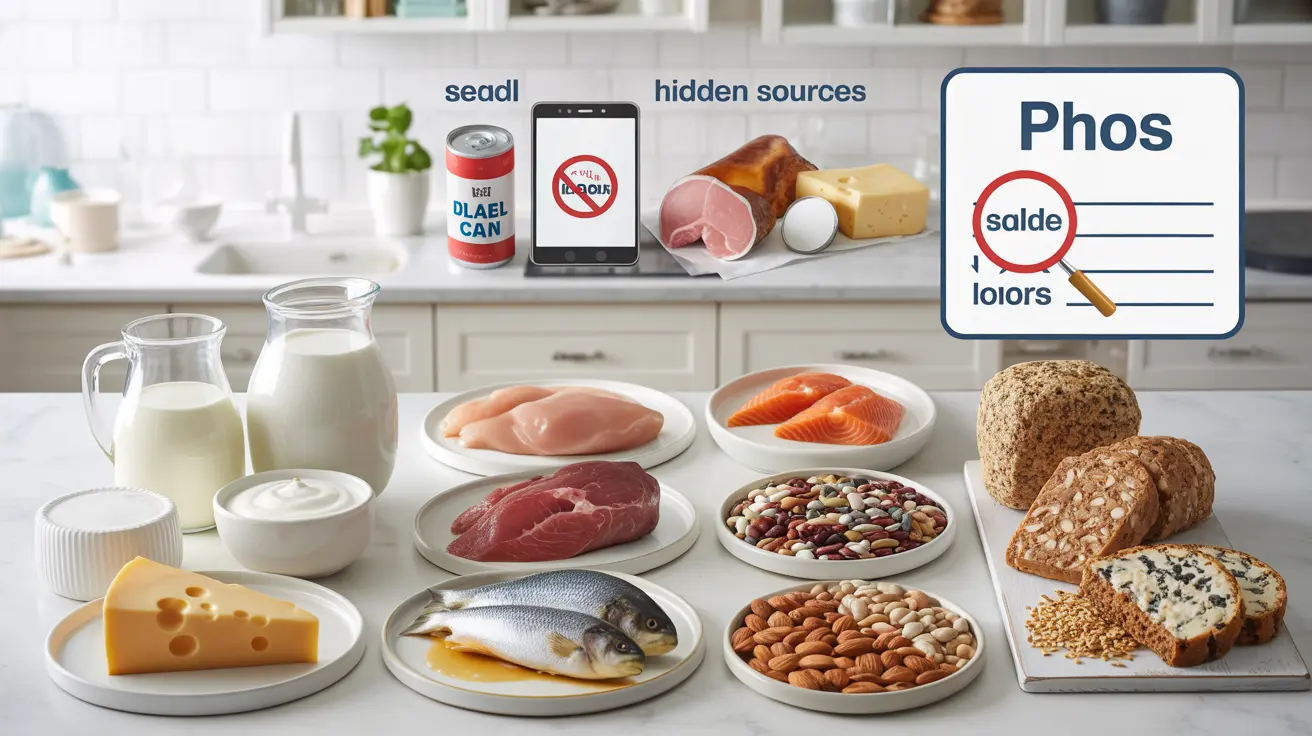
Phosphorus is a mineral your body uses every day. It helps build strong bones and teeth. It also helps your cells make energy. Most people get enough from food without trying. Trouble starts when phosphorus builds up in your blood. This happens most often when kidney function is low. It can also happen when your diet is packed with processed foods that contain phosphate additives.
This guide keeps things simple. You will learn which foods tend to be high in phosphorus, where it hides, and how to make better choices without guessing. If you have kidney disease, you will also learn safer ways to manage intake with your care team.
What phosphorus is and why it matters
Phosphorus works closely with calcium. Together, they support bones and teeth. Phosphorus also helps your body store and use energy. Your muscles and nerves rely on it too.
What phosphorus does in the body
Your body uses phosphorus to build and repair tissue. It helps make DNA and cell membranes. It also supports normal heart rhythm and muscle function. You do not need to “avoid” phosphorus just because it exists. You need to understand when the amount becomes an issue.
When high phosphorus becomes a problem
Healthy kidneys remove extra phosphorus through urine. When kidneys slow down, phosphorus can rise in the blood. This is common in chronic kidney disease. It is also common in people on dialysis.
High blood phosphorus can pull calcium out of bones over time. It can also raise the risk of calcium deposits in blood vessels. Many people do not feel symptoms early. That is why lab tests matter.
Common problem: People think “healthy foods” always mean “safe.” Some healthy foods still carry a lot of phosphorus.
Solution: Learn the main food groups and focus on the type of phosphorus, not just the food label numbers.
Organic vs inorganic phosphorus
Not all phosphorus acts the same in your body. The source matters. This single idea can make your article stronger than most competitors.
Organic phosphorus in whole foods
Organic phosphorus is the type found naturally in food. It shows up in meat, dairy, beans, nuts, seeds, and whole grains. Your body absorbs some of it. The absorption can vary by food type.
Animal foods tend to absorb more easily. Plant foods often contain phosphorus tied to phytate. That can reduce absorption for many people.
Inorganic phosphorus from additives
Inorganic phosphorus often comes from additives. Food makers add these compounds to improve texture, color, and shelf life. Your body absorbs this type very well. That is why processed foods can raise intake fast.
These additives often appear in packaged meats, processed cheese, baked goods, and many ready-to-eat items. Some drinks contain them too.
A fast way to spot them is to scan the ingredient list for “phos.” You may see terms like phosphoric acid or sodium phosphate.
Quick rule to remember
Two meals can look similar. One can hit your body harder. Whole foods can be high. Additives usually matter more because your body absorbs them easily.
Quick comparison table
| Type | Where it shows up | How to spot it | Why it matters |
|---|---|---|---|
| Organic phosphorus | Meat, dairy, beans, nuts, grains | No “phos” additives in ingredients | Absorption varies |
| Additive phosphorus | Processed meats, spreads, boxed foods, cola drinks | Ingredient list has “phos” words | Absorbs very easily |
Foods that are highest in phosphorus
If you want a clear list, start with these categories. You do not need to memorize numbers. You need to recognize patterns.
Dairy and cheese
Dairy can be a major source. Milk, yogurt, and cheese all contribute. Hard cheeses can be especially dense. Processed cheese spreads often add phosphate compounds too.
Common problem: People reduce sugar and eat more yogurt and cheese. Phosphorus climbs without warning.
Solution: Watch portions and check ingredients on processed cheeses. If you have CKD, ask your dietitian for dairy targets that fit your labs.
Meat, poultry, and organ meats
Chicken, turkey, beef, and pork can be high. Organ meats like liver can be even higher. The bigger issue is “enhanced” meats. These are injected or treated with phosphate solutions for moisture.
Look for terms like “enhanced,” “seasoned,” “marinated,” or “solution added.” These can signal additives.
Common problem: People buy pre-seasoned meats for speed. Intake jumps because of additives.
Solution: Choose plain cuts and season them at home.
Fish and seafood
Many fish and seafood options carry a good amount of phosphorus. Sardines and salmon are common examples. Shellfish can also be high. Fish can still fit a balanced diet for many people. The goal is awareness, not fear.
If you have kidney disease, seafood choices often depend on your full lab picture. That includes potassium, sodium, and protein needs too.
Nuts, seeds, and nut butters
Seeds and nuts can be very phosphorus-dense. Sunflower seeds and pumpkin seeds are big ones. Many nuts also add up fast. Nut butters concentrate it even more because you eat more in a few bites.
Common problem: People snack on trail mix daily and think it is always “clean.”
Solution: Keep servings small. Rotate snacks. If you have CKD, ask for a snack list that fits your plan.
Beans, lentils, and soy foods
Beans and lentils contain phosphorus. Soy foods can be high as well. These foods also offer fiber and plant protein. For many people, they are still a good choice.
Plant phosphorus often absorbs less because of phytate. So the label number does not always tell the full story. Still, portions matter if you are managing high blood phosphorus.
Whole grains and bran products
Whole grains can carry more phosphorus than refined grains. Bran cereals can be especially dense. Oats and whole wheat also contribute. This does not mean whole grains are “bad.” It means you should not stack many high sources in one day without realizing it.
The sneaky sources people miss
This section is where most readers get real value. Many people do not overdo whole foods. They overdo convenience foods.
Processed meats and convenience foods
Deli meats, hot dogs, sausage, and chicken nuggets often contain phosphate additives. Frozen meals and boxed mixes can also contain them. Instant puddings, sauces, and packaged baked goods may include them too.
Even “high protein” convenience foods can hide them. Protein bars, ready shakes, and flavored powders can contain added phosphates.
Common problem: People try to eat more protein, then labs get worse.
Solution: Choose less processed protein. Read ingredient lists. Limit items with multiple “phos” ingredients.
Drinks with phosphates
Dark sodas often contain phosphoric acid. Some bottled teas and flavored drinks can include phosphate compounds. Not every drink has them, but many do.
If you drink soda often, this can be a simple place to cut intake. Water, sparkling water, and homemade drinks are easier to control.
Restaurant and fast-food traps
Restaurants use processed ingredients. Fast food often relies on additives for consistency. “Grilled” does not always mean “simple.” Meats may be pre-treated. Cheese sauces can be processed. Breaded items can contain additives too.
Common problem: People eat out more on busy weeks. Phosphorus climbs.
Solution: Order simpler plates. Choose plain meats when possible. Skip processed cheese sauces and cola drinks.
How absorption works
You do not need deep science to benefit here. You just need a few rules that help you make smarter choices.
Animal vs plant absorption
Animal sources often absorb more. Plant sources often absorb less because phosphorus can be bound to phytate. This is one reason some people can tolerate plant sources better than additive-heavy processed foods.
Still, if your labs are high, do not assume plant foods are “free.” Portions still matter.
Cooking methods that can help
Cooking can reduce phosphorus in some foods. Boiling meat and draining the liquid can lower the amount compared to some other methods. This does not erase phosphorus. It can help reduce the load.
Avoid relying on cooking as your only strategy. The bigger gains usually come from cutting additive-heavy foods.
What does not help much
If a food is loaded with phosphate additives, cooking will not solve the problem. Additives are already inside the product. The better move is to choose less processed options.
If you have CKD or are on dialysis
This section is for people who need tighter control. If you have CKD, follow your care plan. Do not self-diagnose based on food lists.
Why kidneys change the whole equation
When kidneys cannot remove extra phosphorus, it builds up. Dialysis can remove some phosphorus, but many people still need diet support. Your target intake can vary. It depends on labs, stage, and medications.
Practical daily control tactics
Start with the highest impact steps.
First, cut phosphate additives. This often makes the biggest difference.
Second, keep servings moderate for high-phosphorus whole foods.
Third, avoid stacking many high sources in one meal.
A simple way to think about it is “pick one main high source.” If you eat cheese, skip seeds that day. If you eat beans, keep dairy lighter.
Phosphate binders
Some people need phosphate binders. These are medicines taken with meals. They help reduce absorption. Do not start or stop them on your own. Your kidney doctor guides this.
Common problem: People take binders but still eat many additive-heavy foods. Labs stay high.
Solution: Pair medication with ingredient control. Binders work best when your food choices support them.
Kidney-friendly swaps table
| Common choice | Lower additive option | Why it helps |
|---|---|---|
| Deli meat sandwich | Fresh cooked chicken sandwich | Fewer phosphate additives |
| Processed cheese slices | Small portion of natural cheese | Often fewer added phosphates |
| Cola | Water or sparkling water | Avoids phosphoric acid sources |
| Frozen meal | Simple home meal with fresh ingredients | More control over additives |
How to read labels to avoid phosphate additives
This is a practical skill. It saves time and removes guesswork.
The “PHOS” scan method
Look at the ingredient list first. Do not rely only on the nutrition panel. Scan for “phos” words. If you see them, the product likely contains added phosphates.
Common additive names to recognize
You may see terms like phosphoric acid, sodium phosphate, disodium phosphate, or calcium phosphate. You may also see pyrophosphate or tripolyphosphate. You do not need to memorize every word. The “phos” pattern does most of the work.
Packaging red flags
These terms often show up on higher-risk items:
- enhanced
- seasoned and ready
- instant
- processed cheese
- deli style
- fully cooked and reheatable
If you see these words, check the ingredients closely.
Helpful structure pieces that improve engagement
These sections help readers act fast. They also support featured snippets and AI overviews because the page answers questions clearly.
Whole foods vs processed foods: the simple comparison
Whole foods can be high in phosphorus. Processed foods with phosphate additives can hit harder. When in doubt, choose foods with short ingredient lists. Cook more at home when you can.
One-day example menu ideas
Balanced day for a general reader
Breakfast could be oats with fruit and a small yogurt. Lunch could be a chicken salad with simple dressing. Dinner could be fish with vegetables and rice. Snacks could be fruit or a small handful of nuts.
Lower phosphorus style for someone managing high labs
Breakfast could be toast with egg whites and fruit. Lunch could be fresh chicken with a simple side and vegetables. Dinner could be a home-cooked meal with plain ingredients. Drinks could stay additive-free.
These are examples only. A renal dietitian can tailor this to your needs.
Simple shopping list approach
Build your cart from basics. Choose fresh meats, plain grains, and simple produce. Add dairy in portions if it fits your plan. Limit packaged meals and processed meats. Keep cola and phosphate-heavy drinks as rare items.
Common questions
What are the main foods that tend to be high in phosphorus?
Dairy, meats, seafood, nuts, seeds, beans, and whole grains are common sources. Processed foods can be worse when they contain phosphate additives.
Are plant foods safer than animal foods?
Plant phosphorus may absorb less due to phytate. That can help some people. It does not make plant foods “free,” especially with CKD. Portions still matter.
What is the fastest way to lower phosphorus intake?
Cut foods with phosphate additives first. Scan for “phos” words in ingredients. This step often brings the biggest change.
Does cooking lower phosphorus?
Boiling and draining can reduce phosphorus in some meats. It does not remove it fully. Cutting additives still matters most.
If I have kidney disease, should I avoid dairy completely?
Not always. Many plans include controlled portions. Your lab results and care team guide this.
Do protein supplements affect phosphorus?
Many do. Some powders, bars, and ready shakes contain added phosphates. Check the ingredients. Pick simpler options if you use them.
Key takeaways
Phosphorus matters most when it builds up in the blood. This often links to kidney disease. Many whole foods contain phosphorus, but processed foods with phosphate additives can raise intake fast. Ingredient lists give you the clearest signal. If you have CKD or you are on dialysis, work with a kidney doctor or renal dietitian for targets that match your labs.


