Food Industry in Mexico: Market Guide for Retail, Foodservice, Processing, Trade, and Trends
Mexico’s food sector moves fast and runs on daily demand. People shop often. They compare prices. They still buy staples in traditional stores, but modern chains and online shopping keep growing. Foodservice also plays a big role because cities, travel, and delivery change how people eat. If you want to understand the food market in Mexico, focus on three lanes. Retail. Foodservice. Food processing. Then connect them to trade, regulations, and consumer demand.
Mexico food industry at a glance
Mexico has a large customer base and strong food culture. It also sits inside major regional supply chains. That makes competition intense. It also creates opportunity for brands that plan well.
Most buying decisions come down to three things. Price. Taste. Convenience. When costs rise, shoppers switch packs or brands quickly. When time feels tight, they pick foods that save effort. When a product feels familiar and reliable, it earns repeat sales.
To write a strong article, keep your framing simple. Mexico’s food market rewards products that fit the right channel, show clear value, and meet local labeling rules from day one.
Market structure by sector
Retail sector in Mexico
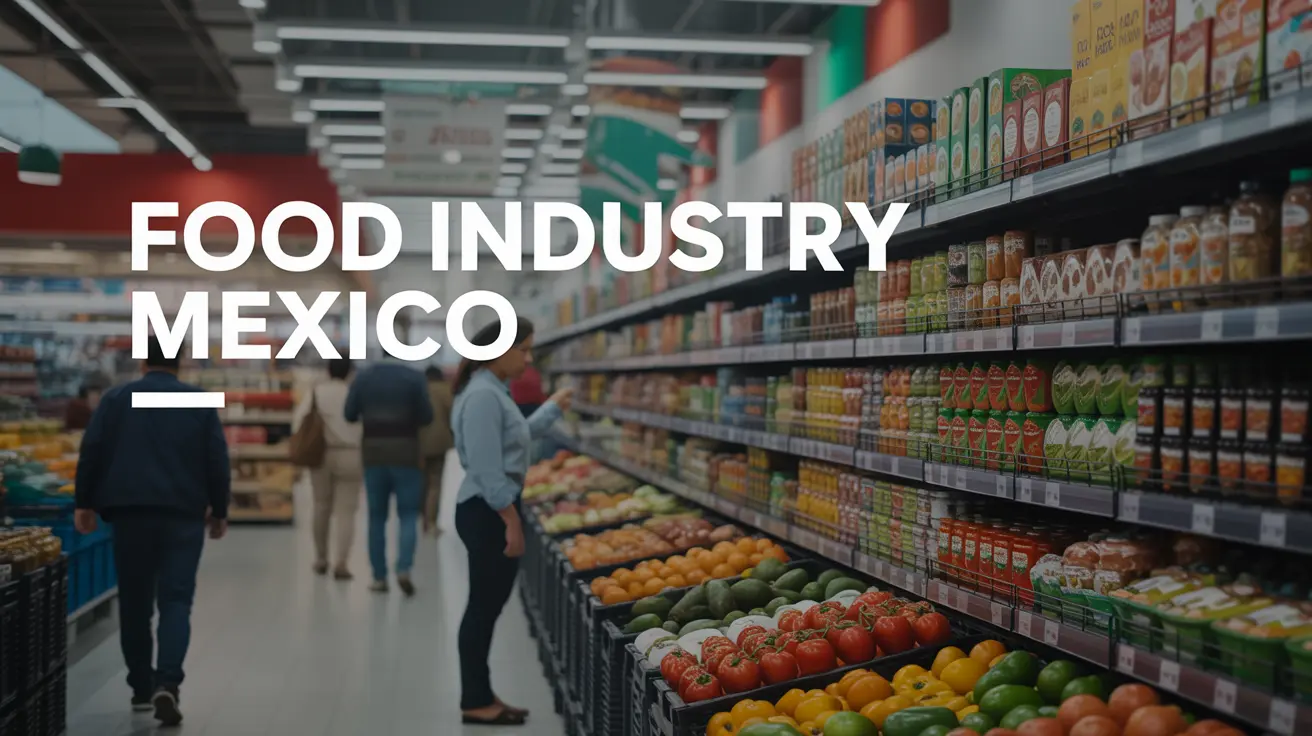
Retail includes traditional trade, modern grocery chains, and e-commerce. Each channel has its own rules. If you treat them the same, you waste time and money.
Traditional trade still drives many daily purchases. Shoppers want quick trips and low spend. Smaller packs often work better here. Modern retail supports larger baskets and promotions. It gives brands more room for new flavors and premium lines. E-commerce grows as a discovery channel. It rewards clear product pages, strong images, and simple benefit language.
Traditional trade vs modern retail vs e-commerce
Use this planning lens.
- Traditional trade fits low friction products. People buy what they already know. Price matters most.
- Modern retail fits branded products with clear shelf presence. Promotions can move volume.
- E-commerce fits niche needs and new launches. It can grow fast when the offer is clear.
A common mistake is launching one pack size everywhere. That usually fails. Match pack size to channel instead.
What tends to sell well in retail
Packaged food stays central because it travels well and stores well. Snacks and bakery items stay competitive because people buy them often. Dairy and beverages compete hard in both price and branding. Convenience foods gain share because they fit modern schedules.
Better for you products also show up more now, especially where shoppers compare labels. Still, price stays the gatekeeper. Even health focused products must feel worth it.
Retail problems and practical fixes
Many brands face pack pricing issues. The product looks expensive even when it is not. Fix this with a pack ladder. Offer a smaller entry pack. Offer a family pack. Keep the design consistent.
Some brands also lose sales due to unclear packaging. Shoppers decide fast. Make the product name easy to read. Keep the main benefit simple. Avoid crowded front panels.
Distribution is another pain point. Brands often rely on one chain listing. Then they struggle when buyers change plans. Fix this by building a mix. Use a chain presence for volume. Use a distributor network for coverage. Add an online option for visibility.
Foodservice sector in Mexico
Foodservice includes restaurants, cafés, hotels, and institutional buyers. These buyers think like operators. They care about consistency. They care about yield. They care about reliable delivery.
Foodservice demand grows with urban life and travel. Delivery also changes the menu. Foods that travel well gain advantage. Portion control becomes important because operators track waste closely.
Key foodservice sub sectors
Quick service focuses on speed and price. Casual dining focuses on consistent taste and supply. Full service focuses on quality and stable inputs. Hotels buy in bulk and plan around occupancy and events. Cafés support trend items like flavored drinks and snack pairings.
Each sub sector needs different formats. A retail pack rarely works in kitchens.
Foodservice problems and practical fixes
Supply gaps hurt more in foodservice than in retail. Operators hate menu changes. Fix this with realistic lead times and stable ordering cycles. Keep safety stock when you can.
Another issue is product format. Kitchens need bulk packs and predictable portions. Fix this with foodservice ready SKUs. Give simple prep guidance. Share yield details in plain language.
Distributor mismatch can also block growth. A distributor may list your product but never push it. Fix this with a simple pitch kit. Provide two menu use cases. Show how the product saves time or improves margin.
Food processing sector in Mexico
Food processing links farms, imports, packaging, and shelves. It includes grains and tortilla related processing, bakery, dairy, processed meats, snacks, confectionery, and beverages. It also includes ingredient suppliers and co-packers.
Processing matters because it drives scale. It also drives compliance. Packaged goods face the most labeling attention, so processors must plan ahead.
How the processing chain works
Most products follow a clear path. Inputs arrive from local sources or imports. Processing turns them into stable formats. Packaging protects the product and carries required labels. Distribution moves it into retail and foodservice.
When one step breaks, the product loses momentum. That is why your article should connect processing to the other two sectors.
Processing problems and practical fixes
Input cost swings create pressure. Brands raise prices and lose volume. Fix this with smarter sourcing. Use more than one supplier when possible. Lock key inputs when you can.
Packaging choices also cause pain. Too many package types raise cost and slow production. Fix this by standardizing sizes and materials where possible.
Compliance timing is another common issue. Many teams treat labeling as a last step. That leads to reprints and delays. Fix this with an early label review step before print and before shipment.
Trade and cross border dynamics
Trade shapes pricing, availability, and competition. Mexico imports many ingredients and consumer goods. It also exports large volumes of fresh and processed products. Cross border trade ties Mexico’s food market to regional logistics and policy shifts.
For brands and exporters, trade friction creates real problems. Border delays can raise costs. Documentation issues can hold shipments. Cold chain items face higher risk. When shelves go empty, shoppers switch fast.
Practical checklist for selling into Mexico
Use this as a clean action section.
- Confirm labeling requirements before final packaging.
- Translate key product information into clear Spanish.
- Choose one primary channel first.
- Pick distribution partners that match your category.
- Plan cold chain needs early for dairy, meats, and frozen.
- Build reorder timing with buffer stock.
- Keep documentation organized per shipment.
This checklist helps readers. It also helps you look credible.
Regulations that shape product strategy
Mexico’s labeling rules influence packaged foods and beverages. Warning labels can change packaging design, claims, and how shoppers perceive the product. This pushes many brands toward reformulation or new pack strategy.
Do not treat compliance as paperwork only. Treat it as product strategy. When you plan it early, you avoid delays. You also protect your brand from costly mistakes.
Common compliance problems and solutions
One problem is printing packaging too early. Teams later discover they must change label elements. Fix this with a review gate before print. Keep version control and approval records.
Another problem is claim confusion. A claim that works in another market may not fit here. Fix this by localizing claims and using simple benefit language. Keep marketing aligned with label rules and product facts.
Consumer demand and category trends
Mexico’s food market balances value and selective premium. Many households stay price aware, but some segments pay for quality, convenience, or specific benefits.
Convenience plays a big role. Ready to eat and ready to heat foods gain attention. Snacks stay strong because they fit daily routines. Beverage choices keep evolving because brands compete on taste, price, and perceived benefits.
Better for you trends matter, but they do not override price. Brands win when they combine taste, clear value, and trust.
FAQs
What are the main sectors of Mexico’s food industry?
Retail grocery, foodservice, and food processing form the core. Trade and logistics connect all three.
Why do many food launches fail in Mexico?
Many launches fail due to wrong pack size, unclear value, weak distribution, or late compliance planning.
How do labeling rules affect packaged food brands?
They influence packaging design and claims. They can also push reformulation. Early planning prevents delays and reprints.
What matters most for exporters entering Mexico?
Channel fit, labeling readiness, distributor match, reliable lead times, and strong documentation matter most.