
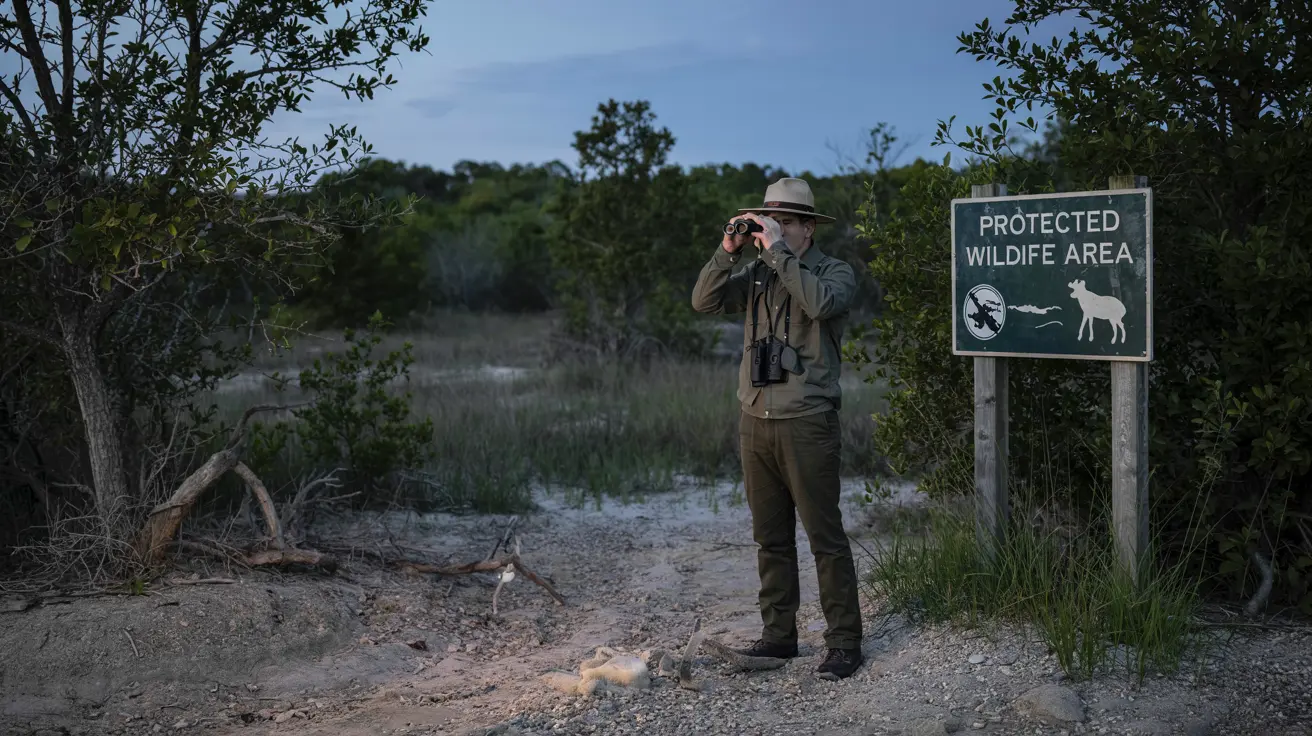
What Does Poaching Mean? Definition, Examples, and How It Differs From Legal Hunting
Poaching usually means taking wildlife in an illegal way. It can mean hunting, trapping, fishing, or collecting plants against the rules. People also use the word for cooking and hiring. This guide covers all meanings, fast and clearly.
What Does Poaching Mean in Simple Words?
Short definition
Poaching means illegally taking wildlife, fish, or wild plants, often without the right license, season, or permission.
The plain English meaning
If someone takes an animal or fish when the law says they cannot, that is poaching. If someone hunts on land without permission, that can also count. The key idea is simple. It breaks wildlife rules or property rules.
Poaching Meaning in Wildlife and Conservation
What makes something “poaching” in the wild?
Poaching is not only about guns. It can include trapping, netting, snaring, poisoning, or collecting eggs. It can also include capturing live animals for sale. Many cases happen inside protected areas or on private land.
Why it’s illegal
Wildlife laws exist for a reason. Seasons protect breeding periods. Limits protect populations from dropping too fast. Permits help experts track numbers. When someone ignores these rules, the damage spreads beyond one animal.
What Counts as Poaching?
Common actions that are considered poaching
A lot of people get confused here. They think poaching only means killing endangered animals. In real life, many cases look “small,” but still break the law.
Common examples include:
- Hunting without a license or tag.
- Hunting in a closed season.
- Taking more animals than the limit allows.
- Taking protected species.
- Using banned methods like snares or poison.
- Hunting at night with a spotlight.
- Hunting on private land without permission.
Poaching can include plants and fish too
Poaching can mean illegal fishing, like keeping fish that are too small. It can also mean fishing without a license. It can include illegal harvesting of wild plants, rare flowers, or protected trees.
Table: What counts as poaching vs what does not
| Situation | Usually poaching? | Why it matters |
|---|---|---|
| Hunting without a license | Yes | No legal permission to hunt |
| Hunting out of season | Yes | Breeding periods need protection |
| Taking a protected species | Yes | Extra protection under the law |
| Taking over the limit | Yes | Populations can crash fast |
| Using banned traps or poison | Yes | Causes cruelty and kills non targets |
| Hunting on private land without permission | Often yes | Breaks land rights and hunting rules |
| Legal hunt with license, in season, within limits | No | Follows the rules |
What Is Not Poaching?
Legal hunting vs poaching
Legal hunting follows clear steps. The hunter has a license. The hunt happens in the right season. The hunter stays within the bag limit. The hunter uses allowed methods. When those pieces line up, it is not poaching.
Crimes people confuse with poaching
Some acts are wrong but not “poaching” in the strict sense. They may fall under other crimes.
Examples:
- Livestock theft from a farm.
- Stealing gear from a hunting camp.
- Vandalism in a park.
- Hurting pets or domestic animals.
Those can be serious crimes. They just use different laws.
Examples of Poaching People Recognize
High profile wildlife examples
Some wildlife is targeted for valuable parts. People often mention:
- Elephants for ivory.
- Rhinos for horn.
- Tigers for skins or bones.
- Pangolins for scales.
These cases often link to illegal trade networks.
Small scale examples that still count
Many cases are local and quiet. A person takes a deer out of season. Someone keeps too many fish. Someone sets illegal traps behind a house. These acts can still harm local wildlife over time.
Why Poaching Happens
Money and illegal wildlife trade
Profit is a major driver. Some animals and animal parts sell for high prices. That demand creates smuggling and resale markets. The same can happen with rare plants and exotic pets.
Subsistence and survival reasons
In some areas, people poach for food. It can be tied to poverty and limited options. That does not make it legal. It helps explain why enforcement alone may not solve it.
Trophy motivation
Some people want a trophy, no matter the rules. That can push illegal hunting in protected zones.
Why Poaching Is Harmful
Population decline and extinction risk
Wildlife populations grow slowly. Many animals have few babies each year. When poaching removes breeding adults, numbers drop fast. Recovery can take decades.
Ecosystem damage
Animals play roles in nature. Predators balance prey. Herbivores shape plants. When key species vanish, ecosystems change. That can harm water, soil, and even local farming.
Community and safety impact
Poaching can put rangers and locals at risk. It can fuel corruption. It can also hurt tourism jobs in wildlife areas.
Penalties for Poaching
What can happen if someone is caught
Penalties depend on location and species. Still, many places use similar tools:
- Fines.
- Jail time.
- Loss of hunting license.
- Seizure of weapons, vehicles, or boats.
- Restitution for wildlife damage.
Why penalties vary by location
Each country and state sets its own rules. Protected species often bring harsher punishment. If you hunt or fish, always check local regulations first.
How to Report Poaching Safely
Do not confront
Safety comes first. Do not argue with a suspected poacher. Do not try to block a vehicle. Step back and stay calm.
What to write down
Good details help officers act faster. Try to note:
- Time and date.
- Exact location.
- Species involved.
- What you saw, step by step.
- Suspect description.
- Vehicle make, color, and plate number.
- Any weapons or gear you noticed.
Who to contact
Report to your local wildlife agency or park authority. If the situation feels dangerous, call emergency services. Many areas also have tip lines for wildlife crimes.
What happens after you report
An officer may follow up. Sometimes they cannot share details. That is normal. Your report still helps build a record and spot patterns.
Quick reporting checklist
- Get to a safe place.
- Take notes right away.
- Record the plate number if possible.
- Report to wildlife authorities.
- Share photos only if it is safe.
Poaching Meaning in Cooking
What “poached” means in food
In cooking, poaching means cooking food gently in liquid. The liquid stays hot but does not boil hard. This method keeps food tender.
Common examples
People often poach eggs, fish, chicken, and fruit. Poached eggs are the most common example.
Poaching vs boiling vs simmering
| Method | Heat level | What you see | Best for |
|---|---|---|---|
| Poaching | Low to medium | Few bubbles | Eggs, fish, fruit |
| Simmering | Medium | Small steady bubbles | Soups, sauces, beans |
| Boiling | High | Big rolling bubbles | Pasta, potatoes |
What Does Poaching Mean in Business or Hiring?
Employee poaching definition
In hiring, poaching means trying to recruit workers from a competitor. It often targets skilled staff, like salespeople or engineers.
Is employee poaching illegal?
Usually, recruiting is legal. Problems can start with contracts. Some roles include strict non disclosure rules. Some places restrict non compete agreements. If you are hiring or switching jobs, read your contract.
Poaching vs normal recruiting
Normal recruiting casts a wide net. Poaching is more targeted. It often focuses on a rival team or key employees.
Poaching vs Related Terms
Poaching vs hunting
Hunting can be legal. Poaching is illegal taking. The difference is the rules and permission.
Poaching vs wildlife trafficking
Poaching is the act of illegal taking. Trafficking is the movement or selling of wildlife or parts. One can lead to the other.
Poaching vs trespassing
Trespassing is entering land without permission. Poaching can include trespassing, but not always. A person can poach on public land too, if they break hunting laws.
Poaching vs illegal fishing
People often call illegal fishing “poaching.” It usually means breaking fishing rules, like no license or keeping undersized fish.
Table: Quick comparison
| Term | What it means | What makes it illegal | Simple example |
|---|---|---|---|
| Poaching | Illegal taking of wildlife, fish, or plants | Breaks seasons, limits, species rules, or permission | Hunting deer out of season |
| Legal hunting | Regulated hunting | It is not illegal when rules are followed | Tagged hunt in season |
| Trafficking | Selling or moving wildlife or parts | Trade laws and species protection | Smuggling ivory |
| Trespassing | Entering land without permission | Property laws | Crossing a fence to hunt |
| Illegal fishing | Breaking fishing rules | License, size, gear, or limit rules | Keeping undersized fish |
FAQs About Poaching Meaning
What does poaching mean?
Poaching means illegally taking wildlife, fish, or wild plants. It often breaks license, season, or limit rules.
What is an example of poaching?
Hunting a deer during a closed season is a common example. Keeping too many fish can also count.
Is poaching always about endangered animals?
No. It can involve common animals too. The act becomes poaching when it breaks the rules.
Is fishing without a license poaching?
In many places, yes. People often use the word that way.
What should I do if I see poaching?
Do not confront the person. Move to safety. Note location, time, and vehicle details. Report to wildlife authorities.
What does poaching mean in cooking?
It means cooking food gently in hot liquid. It is common for eggs and fish.
What does poaching mean in hiring?
It means trying to recruit employees from a competitor. It is often legal, but contracts can limit behavior.
Summary
Poaching most often means illegal taking of wildlife, fish, or wild plants. It can happen through hunting, trapping, or illegal harvest. Legal hunting follows licenses, seasons, and limits. If you see suspected poaching, stay safe, document details, and report it. The word also has common meanings in cooking and hiring.