
Things to Do in Egypt: Must-See Sights, Real Itineraries, and Smart Planning Tips
Egypt can feel huge on a map. It can also feel simple once you plan it in clusters. Most first trips fall into one loop. Cairo and Giza for the pyramids. Luxor for temples and tombs. Aswan for calm Nile views and Abu Simbel. Then you choose an extra. Red Sea for beaches. Alexandria for a city break. Sinai for sunrise hikes. Siwa for a quiet desert escape.
This guide keeps it practical. It helps you pick what fits your days, your budget, and your energy. It also helps you avoid the common mistakes that waste time.
Egypt at a Glance
Best time to visit Egypt
Most people feel best in Egypt from October to April. Days are cooler. Walking gets easier. Lines can be longer in peak winter weeks. Summer can still work, but heat changes everything. You will need early starts and long breaks in the middle of the day.
If you visit in warmer months, plan your big sites at sunrise. Save museums and cafes for midday. Drink water often. Wear a hat. Heat is the top reason people feel disappointed, not the sights.
How many days you need
Three days gives you Cairo and Giza with one extra day trip. Seven days gives you the classic loop. Ten days lets you add a beach or desert section without rushing.
If you have limited days, do fewer places. Egypt rewards slow travel. Too many transfers can break the trip.
How to move around
Domestic flights save time between Cairo, Luxor, and Aswan. Trains can work, but schedules and comfort vary. A private driver helps most on day trips like Saqqara and Dahshur. Tours can be useful when logistics are complex, like Abu Simbel or Mount Sinai.
If you hate planning, a Nile cruise can simplify the middle of your trip. If you want freedom, travel by flights and short drivers instead.
The Top Experiences in Egypt by Region
Cairo and Giza
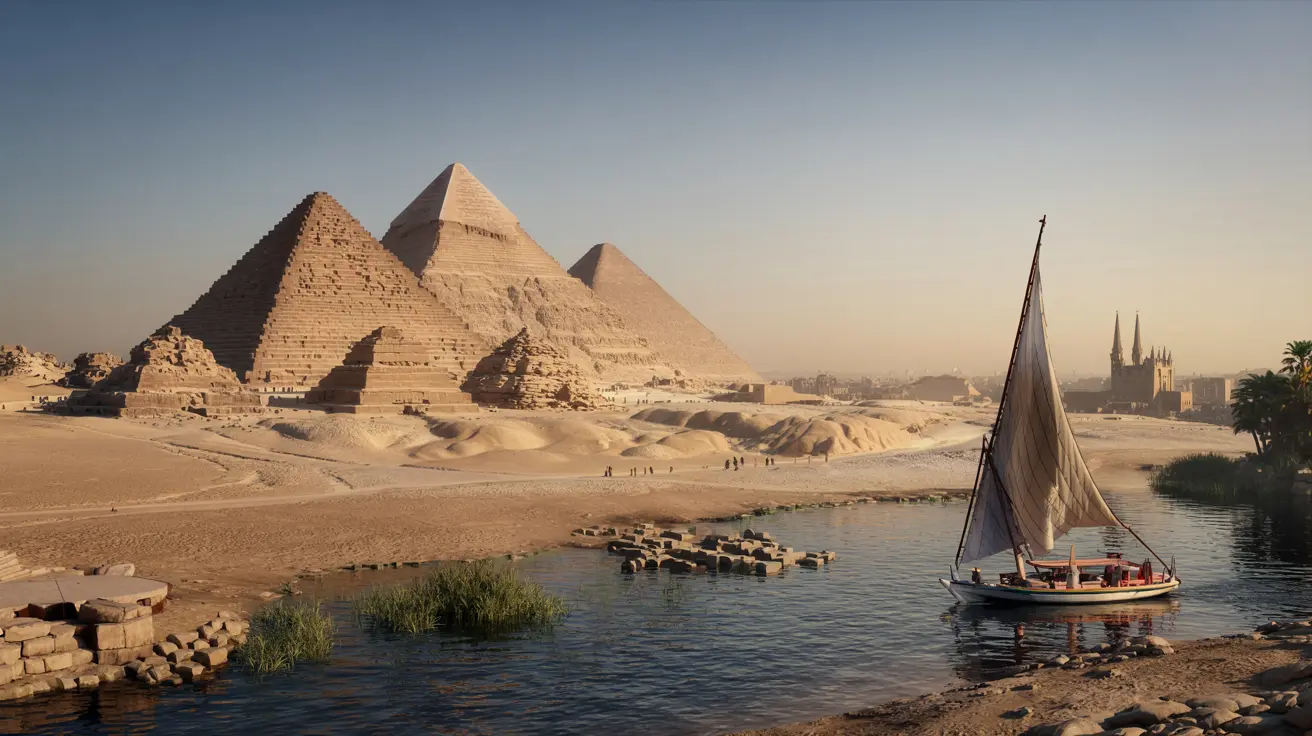
See the Pyramids of Giza and the Great Sphinx
This is the moment most people picture first. Go early. The light is softer. Crowds are smaller. You will enjoy it more if you accept one truth. The pyramids sit near a busy city. You can still feel awe. You just need the right timing.
Plan at least half a day. Walk to a few viewpoints. Spend time looking, not only taking photos. Many people rush. They leave with the same pictures as everyone else.
Common problem: you feel pressured by sellers and unofficial guides.
Solution: decide your plan before you enter. Keep a calm “no thank you.” Do not debate. If you want a guide, hire one through a known company or a clear hotel contact.
Decide whether to do a camel ride or keep it simple
A camel ride can be fun. It can also be stressful if you do not agree on the full price first. Some riders quote a low number and then add fees for photos, distance, or “tips.” If you want the experience, agree on the route, the time, and the total price before you sit down.
If you do not care about the ride, skip it. You can still get great photos by walking to the main viewpoints.
Visit Saqqara, Memphis, and Dahshur for quieter pyramid time
If Giza feels crowded, this is your upgrade. Saqqara adds the Step Pyramid. Dahshur adds the Bent Pyramid and the Red Pyramid. These areas often feel calmer. You also get a stronger sense of Egypt’s long timeline, not just one famous site.
Common problem: people only do Giza, then feel they missed the “real” history.
Solution: add one extra day for Saqqara and Dahshur. It changes the whole trip.
Choose a museum day in Cairo
A museum day helps you understand what you saw outside. You see statues, tools, and tomb items up close. You also get context for names like King Tut. If you prefer a modern layout near Giza, the Grand Egyptian Museum is a strong option when it is open and operating fully.
Common problem: you feel museum fatigue and stop reading signs.
Solution: choose a simple focus. Pick one theme like daily life, tomb art, or royal history. Give yourself breaks. Do not try to “see it all.”
Luxor
Karnak Temple and Luxor Temple on the East Bank
Luxor can feel like an open-air museum. Karnak is massive. It has huge columns and long corridors. Luxor Temple is smaller and easier to take in. Many travelers do Karnak in the morning and Luxor Temple late afternoon.
Common problem: temples start to look the same.
Solution: slow down and choose details. Look at the scale of columns at Karnak. Look for carved scenes. Ask one question at each site, then move on.
Valley of the Kings on the West Bank
This is the tomb valley most people mean when they say “tombs.” Not every tomb is open at the same time. Some tombs need extra tickets. The art inside can be stunning. The spaces can also feel tight and warm.
Common problem: you arrive late and feel rushed.
Solution: go early. Take water. Choose a few tombs and spend time inside them.
Valley of the Queens and Queen Nefertari’s tomb
If you care about detailed wall art, the Valley of the Queens can be a highlight. Queen Nefertari’s tomb is often seen as one of the most beautiful. It may require a special ticket. It is not for every budget. It is for the traveler who values art and color more than checking boxes.
Temple of Hatshepsut and classic West Bank stops
The Temple of Hatshepsut has a striking layout. It also sits against a dramatic cliff. Many people pair it with a few quick stops like the Colossi of Memnon. If you want another strong site, Medinet Habu is a good add-on for many travelers.
Common problem: you try to do too much in one morning.
Solution: build a simple route. Valley of the Kings first. Hatshepsut next. One extra stop if you still have energy.
Hot air balloon at sunrise
A balloon ride over Luxor can be unforgettable. It is early. It can be chilly at takeoff. Then you float over farms and desert edges as the sun rises. If you want a big “wow” memory, this is one of the best.
Common problem: you worry about safety or feel nervous.
Solution: book with a reputable operator. Ask about pickup time, flight time, and what happens if weather cancels. Keep expectations realistic. Delays can happen.
Aswan and Abu Simbel
Abu Simbel as a bucket-list day trip
Abu Simbel is far. The start is very early. The payoff is huge. The statues and the scale can feel unreal. Many people say it becomes a top memory of the trip.
Common problem: you avoid it because of the distance, then regret it later.
Solution: if your schedule allows one long day, do it from Aswan. Pack snacks. Sleep early the night before.
Philae Temple and Philae Island
Philae is scenic and calm. You reach it by boat. It is a great counterbalance to crowded sites. The setting makes it special, even if you have seen other temples.
Sail a felucca on the Nile in Aswan
A short felucca sail can be the most relaxing part of Egypt. The wind, the water, and the slow pace help your mind reset. Sunset rides are popular. Longer rides can be quieter.
Common problem: you book a long sail when you are tired.
Solution: start with a short sail. Upgrade later if you love it.
Visit a Nubian village
A Nubian village visit can add culture and color to your Aswan days. It can also feel touristy if it turns into a shopping stop. Choose an experience that focuses on local life, food, and history.
Common problem: you feel pressured to buy items.
Solution: decide your budget before you go. If you do not want to shop, say it early and keep it friendly.
The Nile Cruise Experience
Should you do a Nile cruise or travel by train and driver
A cruise can make the trip easy. Your hotel moves with you. Meals are often included. You see river life daily. The downside is less flexibility. Schedules can feel fixed.
DIY travel gives you control. It can also add stress with bookings and transfers. If you enjoy planning, DIY can be great. If you want a smooth middle section, a cruise fits well.
Typical cruise route and stops
Most cruises run between Aswan and Luxor. Many include stops like Edfu and Kom Ombo. These are smaller temple visits that break up the journey. They can be quick. They can also be a nice way to see more without extra hotel changes.
Choosing the right cruise style
Budget cruises can be good value, but quality varies. Mid-range options often feel more consistent. Luxury cruises focus on comfort and service. Choose based on what matters to you. Some travelers care about the cabin. Others care about the food. Others want less crowding.
Common problem: you choose the cheapest option and feel disappointed.
Solution: read recent reviews, look at cabin photos, and confirm what is included.
The Red Sea
Dahab for a laid-back beach and diving base
Dahab is known for a relaxed vibe. It works well for snorkeling and diving. It also works if you want a slower few days after temples. Many travelers love it because it feels simple.
Sharm El Sheikh for resorts and easy logistics
Sharm has more big resorts and more packaged options. It can be convenient. It can also be a good base for Sinai trips. If you want easy transport and resort comfort, it fits.
Common problem: you add the Red Sea but choose the wrong place for your style.
Solution: choose Dahab for calm and small-scale. Choose Sharm for resorts and convenience.
Sinai and Saint Catherine
Hike Mount Sinai for sunrise
The sunrise hike is tough for some travelers. The time is very early. The climb can be steep. The sunrise can feel powerful, especially if you enjoy nature and quiet.
Common problem: you underestimate the cold and the effort.
Solution: pack layers and wear strong shoes. Rest the day before. Choose a guided hike if you prefer structure.
Visit Saint Catherine’s Monastery
Saint Catherine’s Monastery is one of the most important sites in the region. Many visitors pair it with the hike. It adds meaning to the trip because it connects religion, history, and place.
Alexandria
Spend a day on the Mediterranean coast
Alexandria is a break from tombs and temples. It has sea air and a different rhythm. It can refresh you if you feel tired of ancient sites.
Bibliotheca Alexandrina
The modern library complex is a key Alexandria stop for many visitors. It can be a good choice if you like culture, architecture, and public spaces.
Western Desert and Siwa Oasis
Why Siwa feels like a different Egypt
Siwa is quiet. It has palms, water, and wide desert horizons. Many travelers love it because it feels remote. It can also feel more personal than busy cities.
How to get to Siwa
The travel time is long. That is why Siwa works best with at least three days. If you only have a week in Egypt, Siwa may be too much. If you have ten days or more, it can be a strong add-on.
Common problem: you try to squeeze Siwa into a short trip.
Solution: save it for a longer visit, or pick the Red Sea instead.
Top Experiences by Interest
Best ancient history experiences
If history is your main reason, build your trip around Cairo, Giza, Luxor, and Abu Simbel. Add a museum day in Cairo. Add a sunrise moment in Luxor. Keep the Red Sea as a rest option, not the focus.
Best scenic experiences
For scenery, mix Luxor balloon views, Aswan felucca sailing, and one desert or coast section. Many people feel most alive in Egypt during these slower moments.
Best water experiences
For water lovers, add Dahab or Sharm El Sheikh after your core loop. Snorkeling and diving can feel like a reward after long walking days.
Best cultural experiences
For culture, add a Nubian village in Aswan and a day in Alexandria. Spend time in local cafes. Try common dishes. Walk neighborhoods, not only monuments.
Ready-to-Use Itineraries
3 days in Egypt
Day 1: Pyramids of Giza and the Sphinx early, then rest.
Day 2: Museum day in Cairo, then a relaxed evening.
Day 3: Saqqara and Dahshur as a day trip.
This works if you want the biggest icons with less travel stress.
5 days in Egypt
Days 1 to 2: Cairo and Giza, plus Saqqara and Dahshur.
Days 3 to 5: Fly to Luxor for temples, tombs, and a West Bank day.
This works if you want one ancient core plus one deep dive.
7 days in Egypt
Days 1 to 2: Cairo and Giza, museum day.
Days 3 to 4: Aswan, Philae, felucca, Nubian village.
Day 5: Abu Simbel day trip.
Days 6 to 7: Luxor, East Bank and West Bank.
This gives you the classic loop without a cruise.
10 days in Egypt
Follow the 7-day plan, then add three days at the Red Sea. Choose Dahab for calm. Choose Sharm for resort ease. You will return home less tired.
14 days in Egypt
Do the classic loop slowly. Add Alexandria and a Sinai section, or add Siwa if you want the desert. Build in rest days. Egypt is intense when you rush.
Practical Planning Tips That Prevent Regret
How to avoid crowds and heat
Start early. This solves most problems. Plan your busiest sites at opening time. Rest at midday. Go back out late afternoon. This is the rhythm that makes Egypt feel enjoyable.
Tickets, guides, and when tours help
Guides help most at complex sites like the pyramids plateau and Luxor’s West Bank. A good guide adds context and keeps you moving. DIY can work for simple sites and cities. Abu Simbel and Sinai are often easier with a tour because timing matters.
Common scams and how to handle them calmly
Expect people to offer help, photos, and “free” extras. Keep your response short. Smile. Say no once. Keep walking. Do not argue. If you want to buy something, agree on a price first.
What to wear and pack
Wear breathable clothing. Bring a scarf for sun and dust. Use sunscreen. Wear shoes that can handle sand and stone. Pack a light layer for early mornings in Luxor and Sinai.
Safety and solo travel comfort
Many travelers feel safe in Egypt with normal awareness. Keep your valuables close. Use reputable transport at night. Trust your instincts. If a situation feels pushy, leave. Planning your days well reduces stress, and stress is what makes places feel unsafe.
Comparison Sections
Nile cruise vs DIY travel
| Factor | Nile Cruise | DIY by flights and drivers |
|---|---|---|
| Planning effort | Low | Medium to high |
| Comfort | Steady | Varies by bookings |
| Flexibility | Limited | High |
| Best for | Smooth middle section | Control and custom pace |
| Common downside | Fixed schedule | More logistics |
Luxor vs Aswan
| Factor | Luxor | Aswan |
|---|---|---|
| Main vibe | Big ancient sites | Calm river town |
| Top highlights | Temples, tombs, balloon | Felucca, Philae, Nubia |
| Pace | Busy | Slower |
| Best for | History lovers | Relaxed days |
Dahab vs Sharm El Sheikh
| Factor | Dahab | Sharm El Sheikh |
|---|---|---|
| Atmosphere | Laid-back | Resort focused |
| Budget | Often easier | Can be higher |
| Best for | Chill beach and diving | Convenience and packages |
| Extra perk | Simple town feel | Easy tour logistics |
FAQs
Is a Nile cruise worth it?
Yes if you want an easy trip between Aswan and Luxor. No if you want full control each day.
Where can you go inside a pyramid in Egypt?
Many travelers choose Dahshur for an inside visit, since it can feel calmer than the main Giza area.
How do you visit Abu Simbel from Aswan?
Most people go by early morning transfer or a day tour. Plan for a long day and bring snacks.
Is Luxor doable as a day trip?
It is possible but rushed. Two days feels much better, especially if you want the West Bank.
Dahab or Sharm El Sheikh for diving?
Choose Dahab for a relaxed base. Choose Sharm for resort convenience and packaged options.
Is Siwa Oasis worth the travel time?
It is worth it if you have extra days and want quiet desert scenery. It is not ideal for a short first trip.
How many days do you need for Egypt?
Seven days covers the core loop. Ten days lets you add rest and a beach section.
Conclusion
Egypt gets easier when you stop chasing every pin on the map. Pick a strong core loop first. Cairo and Giza for the icons. Luxor for temples and tombs. Aswan for river calm and Abu Simbel. Then add one extra that matches your style. A Red Sea break, a coastal city day, a Sinai sunrise, or a desert oasis. When you plan it this way, you get the best of Egypt without burning out.