
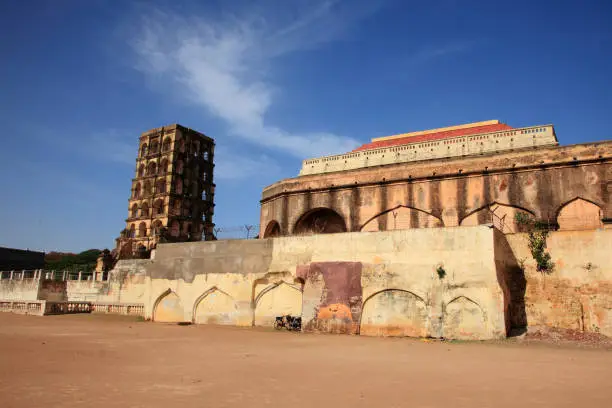
Thanjavur Palace Travel Guide: History, Highlights and How to Plan Your Visit
Thanjavur Palace is a large and slightly worn royal complex where you can see real history, rare art and everyday palace life in one visit, it sits inside the old fort area of Thanjavur and stands close to the great Brihadeeswarar Temple, and it gives you a strong sense of how rulers, artists and scholars shaped this town over many centuries.
Why Thanjavur Palace Deserves a Spot on Your Itinerary
This palace lets you see another side of Thanjavur beyond the big temple, you walk through old gates, wide courtyards and cool corridors that still carry royal stories, some parts feel faded and rough yet the art, bronzes and library make the visit rich and memorable, the complex is also called the Maratha Palace or Thanjavur Royal Palace and Art Gallery so you may see different names on boards, and if you enjoy places with layers of history and do not mind a little dust this stop fits your plan very well.
A Short History of Thanjavur Palace
From Nayak Stronghold to Maratha Seat
The first royal buildings here came from the Thanjavur Nayaks who chose the old fort area for safety and control of the town, later the Maratha rulers of the Bhonsle family added halls towers and the famous library, each ruling line left its own touch in the layout art and building style, and when you walk here today you pass through work from both periods in a single loop that feels like a moving timeline.
British Takeover and the Role of Present Caretakers
In the nineteenth century the British took control of Thanjavur and the royal line lost power, some royal valuables moved to other towns and forts during this time, heritage departments later stepped in to care for many parts of the palace, because of that work the library art gallery and main halls still stand open for visitors, and this story of change helps you see why some areas feel grand while others look tired and in need of care.
Getting Oriented: Layout of the Palace Complex
Big Fort Entrance, Courtyards and Corridors
The palace sits inside the old fort so your visit starts at a large gateway that leads into a wide courtyard with high walls and long sides, pillared corridors run along these sides and guide you toward towers and halls, shaded passages link most parts of the complex which helps a lot in the strong sun, and once you know this simple loop moving between highlights like the tower halls and gallery becomes very easy.
How the Palace is Divided
Different rulers used different blocks of the complex and this mix still shows today, some older areas link to the Nayak period with early towers and parts of the fort wall, later sections hold the Maratha additions including the library music hall and museum rooms, offices and ticket areas sit inside a few inner wings now, and knowing this blend helps you understand why shapes arches and colours change as you walk from one section to another.
Must See Highlights Inside Thanjavur Palace
Arsenal Tower or Gooda Gopuram
The Arsenal Tower looks like a tall temple tower at first sight and this shape once helped hide its true use, in the past it stored weapons and also worked as a watch point over the town, the base has thick walls and narrow ways that feel strong and secure, upper levels give views over roofs streets and the large temple nearby, and this tower shows how builders used sacred forms for smart defence and storage at the same time.
Bell Tower and Manimandapam
The Bell Tower rises high above the palace buildings and acts as a clear landmark across the area, it once held a large bell and a working clock that kept time for the town, now it stands as a quiet tower and a fine place for wide views, from here you can see the temple tower town streets and the mixed roofs of the palace, and while climbing up needs care on the steps the view at the top usually rewards the effort.
Durbar Hall
Durbar Hall is one of the most striking spots in the palace and many visitors remember it most, you step into a long hall filled with arches pillars and bold colours that feel heavy and rich, walls and ceilings carry painted scenes and floral borders that frame the space in every direction, a royal seating area sits at one end and still gives a sense of court life and formal meetings, and when you stand in the centre and look up you can almost picture music voices and royal speech filling the room.
Sangeetha Mahal
Sangeetha Mahal or the music hall was built for sound and performance more than show, its walls and ceiling were shaped to control echo and carry clear notes across the floor, today it feels calm with soft light and a still air inside that suits quiet steps, a guide may clap or sing a short line to show the acoustic tricks of the room, and even if you visit alone a single clap lets you feel how the space holds and shapes sound.
Saraswathi Mahal Library
Saraswathi Mahal Library is one of the most precious parts of the complex for many visitors, it holds palm leaf manuscripts old texts and rare printed books from many periods and languages, you see long rows of shelves that protect these fragile works from heat dust and direct light, many items are too delicate for close touch or open handling and are kept behind glass or in careful storage, and this hall gives a strong sense of how much knowledge passed through Thanjavur and how serious past rulers were about books and study.
Art Gallery and Chola Bronzes
The art gallery houses many stone and metal works gathered from temples and old sites around the region, you walk past rows of Chola bronzes graceful stone idols and carved pillars placed at different heights, some images stand on low platforms which bring faces close to your own eye level and make details clear, labels are simple yet they still help with names places and time periods for each piece, and if you take your time this hall gives a clear view of local craft skill and the long art story of the Kaveri belt.
Queens Wing and Everyday Objects
Parts of the palace once used by queens and families now serve as museum rooms that hold daily life items, these spaces display cooking vessels household tools clothing pieces and furniture used in home life, the items look simple beside the grand halls yet they make palace life feel more real and human, you can imagine how people moved cooked spoke and rested in these courtyards each day, and this mix of grand rooms and home objects keeps the visit balanced and warm instead of distant and cold.
Architecture and Art: What to Look For
Blending Dravidian, Nayak and Maratha Styles
The palace does not follow a single neat style and that is part of its charm, you see strong local temple forms mixed with ideas from later rulers and outside tastes, tall towers may remind you of temple gopurams with tiered shapes and small niches, arches and balconies carry clear Maratha touches with soft curves painted borders and windows, and pillared halls and long corridors keep close ties to older South Indian building habits that favour shade and air flow.
Murals, Frescoes and Colour Details
Painted work appears in many corners if you look closely and take slow steps, Durbar Hall holds the boldest scenes with figures flowers and flowing lines in bright bands, other corridors show smaller panels with faded yet still lovely colours that hide near arches, roof edges column bases and arch points often carry patterned bands that frame the eye, and these details reward a patient walk where you pause often instead of rushing between famous rooms.
Thanjavur Paintings and Local Craft Links
Some gallery sections display the famous painting style linked to Thanjavur and nearby towns, these works use rich colours gold leaf and raised details around the main figures, they often show deities royal scenes and festival moments in framed panels that feel dense yet clear, after seeing them in the gallery you can recognise similar pieces in local shops and studios outside, and this link between palace art and living craft makes the town feel like one long gallery where past and present sit close.
Tickets, Timings and Practical Information
Opening Hours and Weekly Closures
The palace usually opens in the late morning and closes by early evening on normal days, there may be a short midday break when some counters and rooms shut for staff rest, a few sections like the library reading area or special displays can have slightly different timings, hours may change with season or local events so it is wise to check with tourism sites hotels or local contacts before your visit, and if you plan to avoid harsh sun and crowds try to arrive early in the day or later in the afternoon.
Ticket Types, Camera Fees and Combined Access
There are separate tickets for the general palace area the art gallery and the library section in most seasons, rates stay modest for most visitors though they can change without much public notice, some halls allow photographs freely while others limit camera use or charge a small fee at entry, you should always ask at the ticket counter and read each board at the entrance of halls before you start taking photos, and keeping a little extra cash ready for small fees makes the visit smoother and avoids awkward stops at doors.
How to Reach the Palace
The palace sits close to the centre of Thanjavur town and is easy to reach from main points, you can travel from the main bus stand by auto rickshaw local taxi or app cab in a short ride, the railway station is also not far which helps day visitors coming from nearby cities, from the palace you can walk or take a quick ride to the great temple without losing much time, and many travellers cover both main sights and a small market walk in one relaxed day without stress.
Planning Your Time: Suggested Routes Inside the Palace
Ninety Minute Quick Visit
If you have limited time you can still see the core highlights with a tight but simple route, enter through the main gate and walk into the first courtyard then head straight to Durbar Hall and spend a calm fifteen minutes with the arches and murals, move to the art gallery next and give at least thirty minutes to bronzes and key stone works, step into or near the library section for a quick look at the halls and shelves from the visitor area, and if access is open finish with a short climb to the Bell Tower area for views before you leave.
Three Hour Deep Visit
With more time you can enjoy a slower loop that covers more corners without any rush, start with the Arsenal Tower and early fort walls so you feel the defensive side of the complex, visit Sangeetha Mahal next and listen to the way sound behaves when you clap or speak softly, spend longer in the art gallery where you can pause in front of your favourite bronzes and read more labels in each hall, walk along shaded corridors and smaller courtyards between key spots to notice small carvings and old doors, and end your visit at the Bell Tower with enough time for photos rest and a slow look at the skyline.
Palace Visit and Temple Visit: How They Work Together
Different Sides of the Same Heritage Story
The great temple shows the sacred side of Thanjavur and still holds daily worship and strong ritual life, the palace shows the royal and cultural side with courts books and art spread across old rooms, one place feels sharp and clean with a tall tower open sky and smooth stone floors, the other feels layered and rough with many small corners stairs and varied halls that tell slow stories, and together they give a full picture of power faith and learning in this old town that once shaped a whole region.
Sample One Day Plan in Thanjavur
Many visitors like a simple day plan that keeps both heat and travel easy to handle, start with a morning visit to Brihadeeswarar Temple during the cooler hours when light is soft and crowds smaller, take lunch and a short rest at a nearby hotel or cafe during peak heat in the middle of the day, use the afternoon for the palace art gallery and library areas where shade and indoor spaces help, and finish with an evening walk through local streets or markets for food small buys and a last view of the temple tower.
On Ground Reality: Cleanliness, Heat and Accessibility
What Recent Visitors Often Notice
Travellers praise the art bronzes and deep sense of age in the palace and often say the complex feels real and unpolished, at the same time many notice peeling paint dust cobwebs and dim light in some halls and corners, boards and signs can feel basic small or hard to read which makes self guiding a bit tricky, heat inside courtyards and on tower climbs can feel strong especially in summer or early afternoon, and stairs uneven floors and low railings may trouble visitors with mobility issues or very young children who need extra care.
Tips for a Better Experience
A few simple steps can improve your visit a lot and keep problems low, reach early in the morning or late in the afternoon instead of arriving at harsh midday hours, carry water a hat and a small towel so you can handle sweat and dust without discomfort, wear shoes that stay firm on stairs and rough stone rather than loose sandals that can slip, consider hiring a local guide if you want clear routes stories and help with rooms that feel confusing, and if you travel with older family members or anyone with weak knees allow extra time on climbs or skip towers that look too steep.
When to Visit and How the Palace Fits a Wider Trip
Best Season and Time of Day
Cooler months bring softer light and more pleasant air in the courtyards towers and walkways, heavy summer sun makes stone walls steps and open areas very hot by midday and early afternoon, morning and late afternoon give kinder light for photos and long views from towers, cloudy days can also make the colours in Durbar Hall and other painted spaces look rich and deep without glare, and it is wise to choose your hour based on both weather and your own energy levels so you can enjoy the place instead of fighting heat.
Adding the Palace to a Longer South India Plan
Thanjavur sits on a popular heritage route in this part of India and pairs well with nearby towns, you can link the palace and temple with other old temple sites and river towns in the region on a short loop, nearby stops often include grand stone temples smaller shrines and calm streets along branches of the Kaveri river, many travellers pair Thanjavur with stays in Kumbakonam and other heritage spots where craft and ritual life stay strong, and this mix gives a fine balance of royal spaces sacred spaces and quiet streets across a few days.
Frequently Asked Questions About Visiting
1. How much time do you need for the palace and gallery?
Most visitors feel happy with two to three hours inside the complex and its main halls, art lovers and slow walkers may want even more time so they can sit and look without any rush.
2. Is the library open to all visitors?
The main library hall can be viewed by regular visitors from public areas and corridors, reading rooms and deep access stay controlled to protect the books and manuscripts from harm.
3. Are photographs allowed inside every hall?
Photographs are allowed in some halls but not in others and rules can change, you should always check the board at each door and follow the rule given there to avoid trouble with staff.
4. Is the palace good for children and older people?
Children often enjoy towers courtyards and big statues and may like the climb and views, older people may find stairs heat and long walks tiring so you should plan rest breaks and skip any climb that feels too hard.
5. Can you visit the temple and palace on the same day?
Yes many travellers visit the temple and the palace on the same day with careful timing, start early rest in the middle and keep your evening pace gentle so the day stays pleasant.
Final Thoughts: Is Thanjavur Palace Worth It
This palace will suit you if you like places with strong stories and real age that shows in every wall, you will see fine art rare books and bold halls that still hold power even with cracks and dust, you will also see corners that need care and repair which is part of the honest picture, if you come with open eyes steady expectations and a little patience the visit feels rich and human, and for many travellers it becomes the second great pillar of a stay in Thanjavur standing right beside the big temple in memory.