San Francisco to Carmel by the Sea: Best Route, Stops, and Easy Itineraries
Best overall route in one line
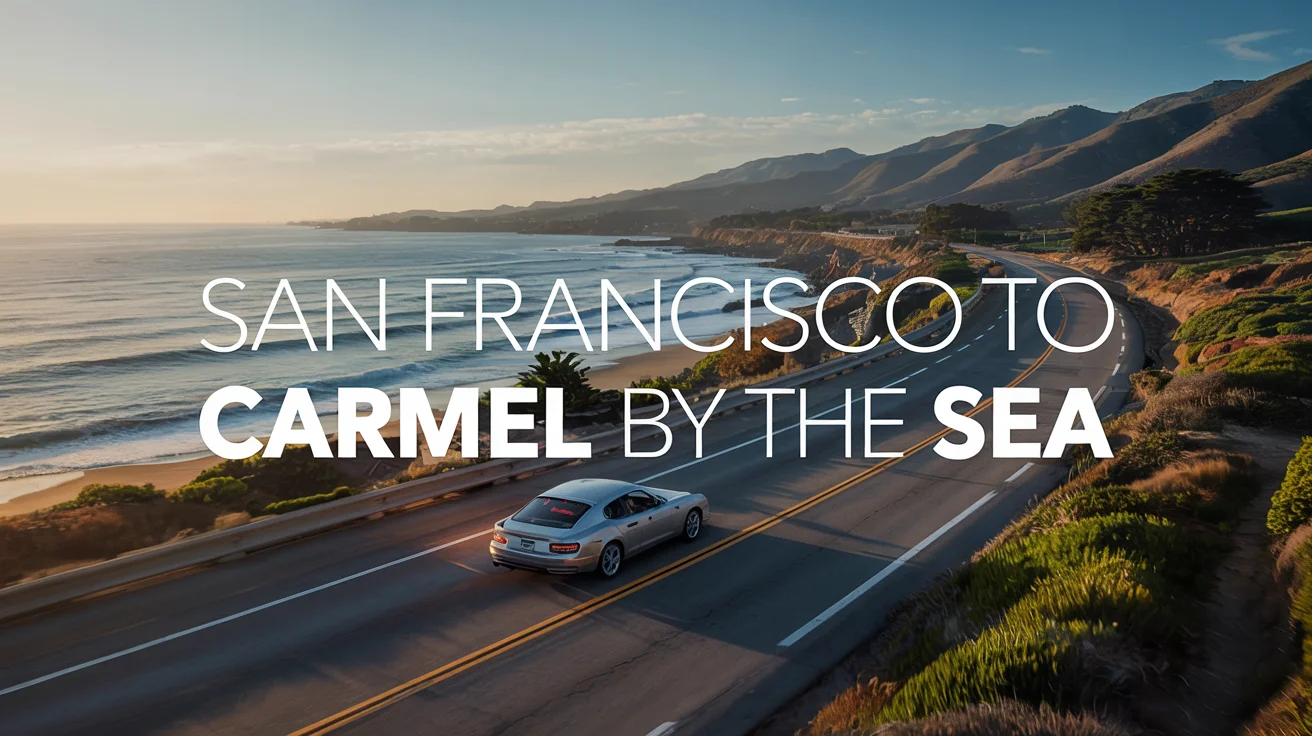
If you want the classic coastal experience, take Highway 1 and keep your stop list short.
Typical drive time and distance (with and without stops)
The drive can feel quick if you go straight through. It can also turn into a full day if you stop often. Most people underestimate how long parking and pullouts take.
When this trip feels easiest (best departure windows)
Leave early, especially on weekends. Crowds build fast near scenic stops. Parking in Carmel and nearby reserves gets harder by late morning.
Choose your route: scenic vs fast
Option 1: Highway 1 coastal route (the classic)
Highway 1 gives you ocean cliffs, beaches, and postcard views. It also adds slow sections and surprise delays. Fog can reduce views in the morning, so stay flexible. A smart plan is one big stop plus one small stop. You still get the wow factor. You also arrive in Carmel with energy.
Option 2: Faster inland route (when time matters)
The inland route is for tight schedules. It usually feels more predictable. You skip the coast and save time. This route fits well if you plan a sunset walk in Carmel. It also works if you want a calm return drive.
Option 3: Best of both (coast one way, inland return)
This is the easiest balance for most travelers. You enjoy the coastline once. You save time and mental effort on the way back. It also helps if fog hits one direction. You can chase clearer skies without losing the whole day.
Route comparison table (time, vibe, best for, tradeoffs)
| Route | Best for | What you get | Main tradeoff |
|---|---|---|---|
| Highway 1 coastal | First visit and photos | Scenic viewpoints and beach towns | Slower pace and more parking time |
| Inland fast route | Short trips | Easier timing | Fewer ocean views |
| Coast one way, inland return | Weekends | Best mix of both | Needs a simple plan |
Transport options if you do not want to drive
Day tour vs self drive (who should pick what)
A tour is easier if you hate planning and parking. You trade freedom for convenience. It can feel rushed if you want slow time in Carmel. Self drive works best if you want choices. You can stay longer at the spots you love. You can also skip stops that feel crowded.
Public transit reality check (what is possible, what is not)
Transit can work, but it takes extra time and transfers. You will also lose flexibility. Most visitors prefer a car for this route.
Rideshare and private driver (when it makes sense)
Rideshare can work inside town areas. A full long distance ride can get expensive. A private driver makes sense for special occasions or groups.
Best stops on the way (pick based on your route)
If you are driving Highway 1
Coastal viewpoints and short walks
Pick stops that give a payoff in under 30 minutes. This keeps your day from becoming a parking marathon. Aim for one short walk and one viewpoint. If you want one big nature stop near Carmel, choose a coastal reserve close to town. It is easy to fit in without a long detour.
Beach towns that are worth a quick break
A quick town break can be great for coffee and restrooms. Just keep it short. Small delays stack fast on the coast.
If you are taking the inland route
Easy food and coffee stops
Use the inland drive for a simple meal stop. Keep it quick and predictable. That helps you arrive in Carmel at a good time.
Quick stretch stops that do not add much time
Choose one planned stretch stop. Avoid adding extra exits. You will thank yourself later.
Only have time for 2 stops mini plan
Stop one should be a viewpoint or quick beach walk. Stop two should be either 17 Mile Drive or a coastal reserve. Do not try to do everything in one day.
The must do detour: 17 Mile Drive in Pebble Beach
Is it worth it (who will love it, who can skip it)
It is worth it if you want an easy scenic loop with famous photo stops. It is less worth it if you already plan a full Highway 1 day. It can feel slow during peak traffic.
Best photo stops (Lone Cypress, Bird Rock, scenic pullouts)
Lone Cypress is the classic icon. Bird Rock is great for waves and wildlife views. The best moments often happen at smaller pullouts too.
How long to budget and how to avoid slow traffic
Budget 60 to 90 minutes if you want several stops. Go earlier if you can. Weekends can move slowly inside the loop.
Fees, entry tips, and basic rules (keep it current)
Expect a per vehicle entry fee at the gate. Hours can vary by season and conditions. Check the official site before you go, especially around holidays.
Carmel by the Sea: what to do once you arrive
Carmel’s core walk (Ocean Avenue, side passageways, galleries)
Start on Ocean Avenue and walk slowly. Take the side passageways when you see them. They often lead to quiet courtyards and small shops. Carmel feels best when you do not rush. Pick a few galleries to step into. Stop for a warm drink if the fog rolls in.
Carmel Beach (best time of day, wind and fog reality)
Carmel Beach is perfect for a reset. Late afternoon light often looks best. Wind can show up fast, so bring a layer. If it is foggy, still go. The mood can feel calm and cinematic. Just plan for cooler air.
Mission Carmel (what to expect, how long it takes)
Mission Carmel adds history and quiet. It works well between lunch and a beach walk. Plan around an hour if you like to read exhibits.
Shopping and art (what is actually unique here)
The charm is in the small details. Look for local art, handmade goods, and small patios. Skip anything that feels like a tourist trap.
Point Lobos State Natural Reserve (the nature highlight)
Best short trails and viewpoints (China Cove style stops)
This area gives big coastal views without long hikes. China Cove is a popular short payoff. Cliffside viewpoints often deliver even if you stay close to the parking areas.
Wildlife expectations (seals, otters, birds)
You may spot sea life offshore. Bring binoculars if you have them. Go slow and look for movement near the rocks.
Parking strategy and best arrival times
Arrive early for the easiest parking. Midday can get crowded. If you show up late, have patience and a backup plan.
What to do if the lot is full (backup plan)
Do Carmel Beach first, then return later. Or do 17 Mile Drive, then try again near late afternoon. You can also shift your nature time to the next morning if you stay overnight.
Add Monterey if you have extra time
Cannery Row and the waterfront walk
Monterey adds a lively waterfront feel. It is great if you want a second town vibe. A short walk here can break up the day nicely.
Monterey Bay Aquarium (who it is best for)
The aquarium is a strong choice for families. It also helps when the weather turns gray. Plan ahead because it can get busy.
Pacific Grove and the scenic coastline
Pacific Grove feels quieter. The coastline there is beautiful and less hectic. It can be a calm add on if you want fewer crowds.
Optional extension to Big Sur (only if road conditions allow)
Best first Big Sur taste stops
If you only want a taste, pick one iconic viewpoint and turn back. That keeps your day manageable. It also avoids the stress of chasing too many stops.
How far to go before turning back (smart turnaround points)
Set a hard turnaround time before you leave Carmel. Stick to it. The drive feels longer once daylight fades.
Road conditions and closure check (exact places to verify)
Always check road conditions before you go. Highway 1 can change due to slides, repairs, or storms. A quick check can save your whole day.
Pick your itinerary (most helpful section for readers)
One day itinerary (early start, Carmel core, 1 big nature stop)
Leave San Francisco early. Do one coastal viewpoint on the way down. Arrive in Carmel and park once. Walk Ocean Avenue and a few side passageways. Have lunch. Then spend your main nature block at Point Lobos. Finish with Carmel Beach near late afternoon. Head back before it gets too late. If you want 17 Mile Drive, swap it with Point Lobos. Do not try to cram both with Monterey in one short day.
Weekend itinerary (Carmel + Point Lobos + Monterey or Big Sur)
Day one is Carmel plus Point Lobos and a relaxed dinner. Day two is Monterey and the aquarium, or a short Big Sur taste if roads are clear. This plan avoids constant driving. It also leaves space for slow moments.
Slow and romantic itinerary (walkable Carmel, beach timing, wine)
Stay in Carmel so you can walk. Do a long town stroll, then a quiet beach sunset. On day two, add Carmel Valley for wine tasting and warmer weather. Keep your schedule light. Two key stops per day is enough.
Family friendly itinerary (short stops, less driving stress)
Take the faster route down if kids get restless in the car. Do Carmel Beach first so everyone can run around. Then do one short nature stop, not a long hike. If you add Monterey, put the aquarium in the middle of the day. It breaks up the trip and keeps moods steady. Bring snacks and a warm layer even in summer.
Where to eat and drink (without turning into a food blog)
Carmel dining styles (bistros, bakeries, cozy dinner spots)
Carmel has cozy spots that feel special without being too formal. Plan one nice meal if you stay overnight. For a day trip, keep it simple and quick.
Quick lunch options that save time
A fast lunch helps you protect your afternoon. Grab something you can eat at the beach or a bench. This avoids waiting during peak hours.
Carmel Valley wine tasting (when to go, how to pace it)
Carmel Valley is warmer than the coast. Go midday when fog feels heavy in Carmel. Keep tasting light if you still have a long drive. Use a simple rule. One or two wineries is enough for a relaxed day.
Where to stay (simple picks by travel style)
Best for walkability in Carmel
Stay near the center if you want to park once and walk everywhere. This is the easiest vibe for couples and first timers. It also helps if you plan a dinner and sunset.
Best for views and a quieter feel
Look slightly outside the busiest blocks if you want calm. You will still be close to town. Noise and traffic can feel lower.
Best budget friendly alternatives nearby
Nearby areas can offer better value. You may drive a bit more, but you can save money. This works well for families and longer weekends.
Practical planning tips that prevent trip problems
Parking in Carmel (what to expect, time limits, common mistakes)
Parking can be the biggest stress point. Arrive early and expect time limits in some spots. Do not keep moving your car every 20 minutes. A simple fix is to park once and walk. Bring comfortable shoes. Carmel is built for strolling.
Weather and fog (how it changes the drive and photos)
Fog is normal on the coast. It can hide views in the morning. Afternoon can clear, but not always. Dress in layers. Even sunny days can turn cool by the water.
What to pack (layers, shoes, binoculars, picnic basics)
Bring a warm layer, even in summer. Wear shoes you can walk in. Binoculars make coastal wildlife easier to spot. Pack water and a simple snack. It helps when lines are long.
Accessibility notes (easy viewpoints, less walking options)
You can still enjoy the coast with minimal walking. Choose scenic drives and short viewpoints. Avoid plans that rely on long trails.
Pet rules basics (beach etiquette, trail limitations)
Carmel is pet friendly in many areas. Rules can vary in reserves and parks. Check signs and keep pets under control.
Cost breakdown (simple, honest, useful)
Gas and mileage estimate
Your fuel cost depends on your route and stops. The coastal option usually adds miles and slow driving. The inland route can be more efficient.
17 Mile Drive fee and Point Lobos fee (and how to plan for them)
Plan for entry fees if you choose these add ons. Bring a card and a little buffer money. Fees can change, so check current information before you go.
Food and parking expectations
Carmel can be pricey near the center. You can save by doing one café meal and one snack meal. Paid parking is not always the main cost, but time is.
One day vs weekend budget snapshot table
| Trip style | Main costs | Money saver |
|---|---|---|
| One day | Gas, one meal, one paid attraction fee if you choose | Skip extra paid loops and pack snacks |
| Weekend | Lodging, two dinners, more parking time | Stay walkable and drive less |
Common mistakes and how to avoid them
Trying to do Carmel + Big Sur + Monterey in one short day
This is the most common problem. It sounds doable on a map. It feels exhausting in real life. Pick two areas, not three.
Arriving at a coastal reserve at peak time without a backup plan
Parking can derail your schedule. Have a second plan ready. Swap the order and return later.
Skipping layers and underestimating wind and fog
People dress for the city and still get cold. Coastal wind can cut through light clothing. Bring one warm layer and you are fine.
Over planning stops and spending the day in the car
Too many stops kills the vibe. Choose fewer, better stops. Give yourself time to walk and sit.
FAQs (AEO focused, written for quick answers)
How long is the drive from San Francisco to Carmel by the Sea?
It can take a few hours without stops. With scenic pullouts and parking time, it can take much longer.
Is Highway 1 worth it or should I take the faster route?
Highway 1 is worth it if you want ocean scenery. Take the faster route if you care most about arrival time.
What are the best stops between San Francisco and Carmel?
Best stops depend on your route. Most people enjoy one coastal viewpoint, one short walk, and then Carmel itself.
Is 17 Mile Drive worth the money?
It is worth it if you want famous viewpoints in one loop. Skip it if you already plan a full day of coastal driving.
Do I need a reservation for Point Lobos?
Rules can change by season and crowd levels. Check current guidance before you go, especially on weekends.
Can I do Carmel as a day trip from San Francisco?
Yes, but start early. Pick a simple plan with one big stop. Do not cram too much into one day.
What is better, Carmel or Monterey for a first visit?
Carmel feels charming and walkable. Monterey feels busier and more waterfront focused. If you want romance and strolling, choose Carmel.
What if Highway 1 has closures?
Check road conditions before you leave. If the coast is impacted, take the inland route and focus on Carmel, a coastal reserve near town, and 17 Mile Drive.
Final recommendation
Best plan if you only have one day
Start early. Choose Highway 1 if you want scenery. Keep stops limited. Do Carmel plus one major add on, like Point Lobos or 17 Mile Drive. Finish with Carmel Beach and head back before late night fatigue.
Best plan if you have a weekend
Stay in or near Carmel so you can walk. Do Point Lobos on one day. Add Monterey or a short Big Sur taste on day two if conditions look good.
My do this, skip that shortlist
Do a simple route choice and commit to it. Do one big nature stop and one town block. Skip the urge to add every famous place in one trip.