
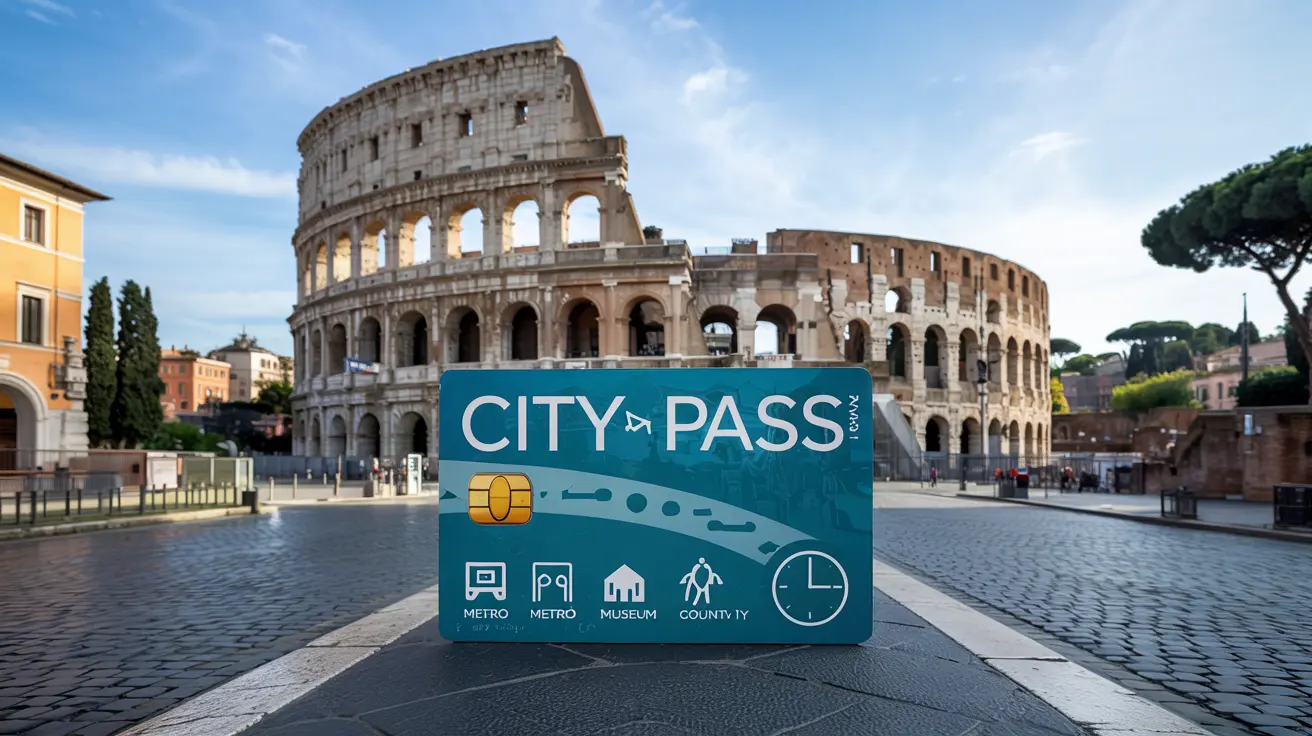
Roma Pass (Rome Pass): What It Includes, 48 vs 72 Hours, and If It’s Worth It
Rome is full of paid sights. Lines can be long. Transport costs add up. Roma Pass can help, but only if your plan matches what it offers. This guide explains what you get, how the 48 and 72 hour cards differ, and how to avoid the mistakes that waste time and money.
What the Roma Pass is
Roma Pass is a city card for visitors in Rome. It bundles attraction benefits with public transport use for a set time window. There are two main versions. One lasts 48 hours. The other lasts 72 hours.
Most people want one answer. Is it worth it. The real answer depends on your itinerary. It also depends on how much you will use metro, buses, and trams.
What’s included in the Roma Pass
The value usually comes from three parts.
First, you get free entry to a limited number of included attractions. Second, you get reduced entry prices after you use the free entries. Third, you can use public transport while the pass is active.
Some versions also include small extras, like a city map or partner perks. These are helpful, but they are not the main reason to buy.
Free attractions benefit and how it works
The 72 hour pass usually includes two free entries. The 48 hour pass usually includes one free entry. The free entries apply to eligible museums and sites listed under the program.
This is where most savings happen. Use your free entry on your most expensive must do attraction. Do not waste it on a cheaper museum.
Discounts after the free entries
After your free entries are used, you can often get reduced tickets at other participating places. This matters when you plan several paid stops in one trip.
If you will only do one museum day, discounts may not move the needle much.
Public transport coverage
Roma Pass includes public transport use while it is active. This generally covers standard city transport like metro, buses, and trams inside the eligible network.
A common issue is airport travel. Many travelers assume airport trains or airport buses are included. Often, they are not. Treat airport transfers as a separate cost.
48 hour vs 72 hour Roma Pass: which one to buy
Do not pick based on wishful thinking. Pick based on your real schedule. The clock starts when you activate the pass.
Quick pick rules
Choose the 48 hour pass if you have a short stay and want one major paid attraction plus heavy city transport use.
Choose the 72 hour pass if you plan two major paid attractions and you will use public transport often across three days.
Comparison table
| Feature | 48 hour pass | 72 hour pass |
|---|---|---|
| Validity | 48 hours from activation | 72 hours from activation |
| Free entries | 1 eligible attraction | 2 eligible attractions |
| Best for | Weekend trips | First time 3 day trips |
| Biggest win | One expensive site plus transport | Two expensive sites plus transport |
| Biggest mistake | Activating late on day one | Waiting too long to book time slots |
Who should skip the Roma Pass
Skip it if you will mostly walk. Skip it if you will do zero or one paid attraction total. Skip it if your must do places are not on the included list.
Also skip it if your schedule is loose and you hate booking time slots. Timed entry is common at major sights.
Pricing and value: how to check if it saves money
Prices change. Rules change. Your plan is what matters. Use a simple break even check.
A simple break even method
Step one. List the paid attractions you will actually visit.
Step two. Estimate your transport use in rides per day.
Step three. Compare the cost of those items to the pass price you see when buying.
If your plan is uncertain, do not force the pass. A standard transport ticket plus one booked entry can be a better deal.
Mini scenarios table
| Traveler type | Likely fit | Why |
|---|---|---|
| 2 day first timer | Maybe | Works if you choose one expensive attraction and ride transit a lot |
| 3 day first timer | Often yes | Two free entries can cover your biggest paid stops |
| Museum lover | Often yes | Discounts can add up across several sites |
| Walk heavy budget trip | Often no | Transport value is low and free entries may not match your plan |
Best attractions to use the pass on
Do not try to cram everything in. Pick based on your interests and location. A strong plan often includes one ancient Rome day and one museum day.
Ancient Rome highlights
Many visitors build a day around the Colosseum area. It is a common anchor for an ancient Rome route. Pair it with nearby sites so you spend less time commuting.
Museums that often work well
Big city museums can be smart picks for free entry. They also work well as rain backups. Indoor options save your day when weather shifts.
Good backup options when plans change
Crowds and sellouts happen in peak season. Keep one or two backup museums ready. That way you can still use the pass well.
Reservations and timed entry: the biggest Roma Pass problem
This is where most frustration happens. People buy the pass. They show up at a top attraction. Then they learn they still need a timed reservation.
The fix is simple. Book your high demand sights first. Then build the rest of your plan around those time windows.
Reservation checklist table
Rules can change by season and site. Always confirm reservation steps for your exact dates.
| Attraction type | Pass benefit | Timed entry risk | What to do |
|---|---|---|---|
| Top iconic sites | Free entry or discount may apply | High | Reserve early, then plan your day around the slot |
| Small high demand museums | Often included or discounted | High | Book days ahead in busy months |
| Large museums with steady entry | Often included or discounted | Medium | Keep as backup if other slots sell out |
Common issues and fast fixes
Problem: I bought the pass but the attraction is sold out.
Solution: Use your free entry at a different eligible site. Buy a separate ticket for the sold out place on another day.
Problem: My free entry did not apply.
Solution: Confirm you used it on an eligible attraction and within the active time window.
Problem: Lines are still long.
Solution: Arrive early and pick early time slots. A pass helps cost and access rules. It does not remove crowds.
How to use Roma Pass step by step
Two things matter most. Activation timing and visit order.
Activation rules
The validity usually starts on first use. That can be your first attraction entry or your first public transport validation.
Timing tip. Activate in the morning if you can. Late activation burns hours you paid for.
What to carry
Bring these items:
- Your pass or your digital voucher details
- A photo ID, if a site asks for it
- Reservation confirmations for timed entries
When it expires
Think in hours, not calendar days. If you activate at 10 am, your time window ends at 10 am on the final day of validity. This simple rule prevents most mistakes.
Where to buy and where to pick up Roma Pass
This part saves time on day one. It also prevents redemption stress.
Where to buy
You can often buy through official channels or major ticket sellers. The benefits should match the pass version you choose. The big difference is the pickup and support process.
Before you pay, read the redemption steps. Confirm where you will collect the pass or how you will access it.
Pickup locations
Roma Pass is often collected at tourist information points or partner locations in central Rome. Some sellers also offer pickup in high traffic areas near landmarks.
If you arrive outside office hours, plan a backup pickup time. Do not rely on last minute redemption.
Digital Roma Pass
Some sellers offer a digital flow through an app or a digital code. Others still require a physical card pickup. Check your seller’s instructions and confirm what you will need at the entrance gates.
Transport details travelers care about
Transport can decide the value. It also changes how tired you feel each day.
What’s covered
Use it most on days when you cross the city. Metro and buses help a lot when you are moving between far neighborhoods.
What’s not covered
Airport transfers are often separate. Plan your airport train or airport bus on its own budget line. This avoids the most common surprise.
A 2 day sample plan for the 48 hour pass
This is a planning template. Adjust it based on your reservations and opening times.
Day 1: One anchor attraction plus nearby stops
Morning. Use your free entry on your top paid attraction.
Midday. Visit a nearby site with a reduced ticket benefit.
Late afternoon. Use transport to reach a second area for dinner.
Key rule. Do not activate late. Start early so the 48 hours cover two full days of sightseeing.
Day 2: Museum day plus a flexible backup
Morning. Choose a major museum that fits your interests.
Midday. Keep a smaller indoor option ready if crowds spike.
Evening. Use transport for a viewpoint or food neighborhood.
A 3 day sample plan for the 72 hour pass
This works well for first timers who plan two paid anchors.
Day 1: Ancient Rome focus
Morning. Use one free entry on your top ancient Rome choice.
Afternoon. Add a nearby site with a reduced ticket.
Evening. Take the metro to a different area for dinner.
Day 2: High demand museum day
Morning. Use your second free entry on a popular museum.
Afternoon. Pick an easy backup museum if your first choice gets busy.
Evening. Keep it light and rest.
Day 3: Flex day and transport heavy moves
Use this day for spread out stops. This is where unlimited transport feels most useful. Keep a rain plan ready.
Rain plan. Swap outdoor ruins for a large indoor museum and move outdoor spots to a clear day.
Roma Pass vs other Rome passes
Many visitors confuse city passes. Some focus on Vatican attractions. Some focus on city museums and transit.
A simple rule helps. If you want city museums, archaeology sites, and public transport use, Roma Pass can fit. If your trip is mainly Vatican focused, you may want a different product that matches that goal.
Tips to get the most value without stress
Use your free entry on the most expensive attraction you will visit.
Reserve timed entries early for popular sights.
Plan one transport heavy day to maximize the unlimited rides.
Keep one backup museum ready for sellout days.
FAQs
What does Roma Pass include?
It usually includes free entry to one or two eligible attractions, reduced entry after that, and public transport use during validity.
What is the difference between 48 and 72 hours?
The 48 hour pass usually gives one free entry. The 72 hour pass usually gives two. The time window starts at activation.
Does Roma Pass include public transport?
Yes, it typically covers city public transport like metro, buses, and trams while the pass is active.
Does it include airport transport?
Often no. Plan airport transfers separately.
Do I still need reservations for top attractions?
Often yes. Many major sights use timed entry. Book early, even if you have a pass.
When does the pass start?
It usually starts when you first use it, either at transport validation or your first attraction entry.
Is Roma Pass digital?
It depends on where you buy it. Some sellers support a digital flow. Others require a physical card pickup.
Conclusion
Roma Pass is most useful when you will visit paid attractions and use public transport often. The 72 hour pass fits many first time trips with two major paid stops. The 48 hour pass suits short stays with one big paid anchor. The biggest risk is poor timing, so reserve top attractions first, then activate the pass around those bookings.