
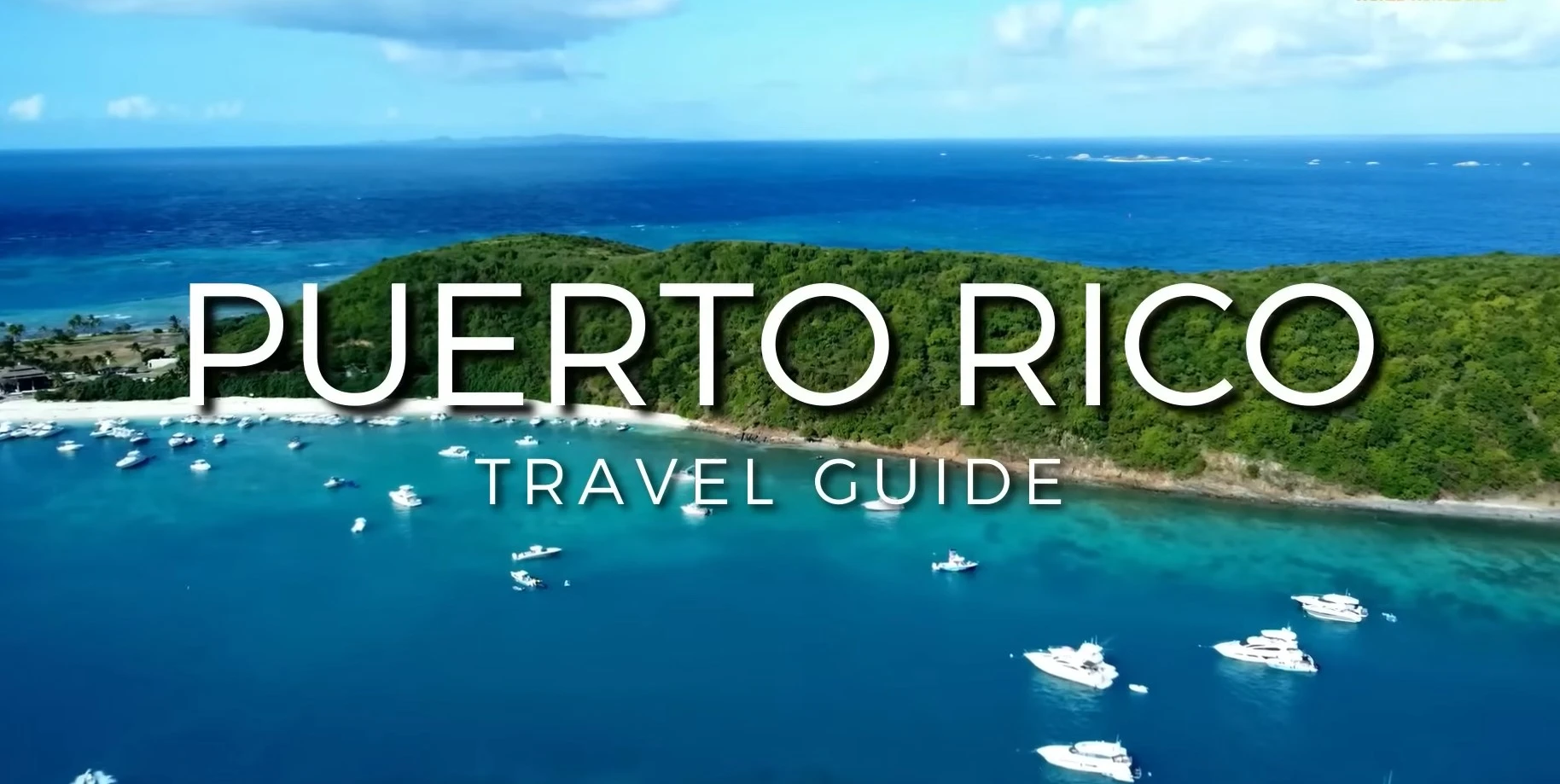
Planning a Trip to Puerto Rico? Travel Guide and Everything You Must Know (Budget Tips, Best Places & Local Secrets)
Puerto Rico sits just a few hours from the U.S. mainland, yet it feels like stepping into an entirely different world. Tropical rainforests, glowing bioluminescent bays, centuries old forts, and some of the best food in the Caribbean are all packed into one small island. Whether you are visiting for three days or ten, this guide covers everything you need to plan the trip right.
Puerto Rico is a U.S. territory in the Caribbean Sea, about 1,000 miles southeast of Miami. American citizens do not need a passport, the currency is the U.S. dollar, and your phone works just like it does at home. With direct flights from most major cities, stunning beaches, rich Taino and Afro-Puerto Rican culture, and a food scene that will change how you think about Caribbean cooking, Puerto Rico delivers something for every type of traveler.
This guide walks you through when to go, where to stay, what to eat, how to get around, and how to avoid the most common mistakes travelers make on the island.
Facts about Puerto Rico
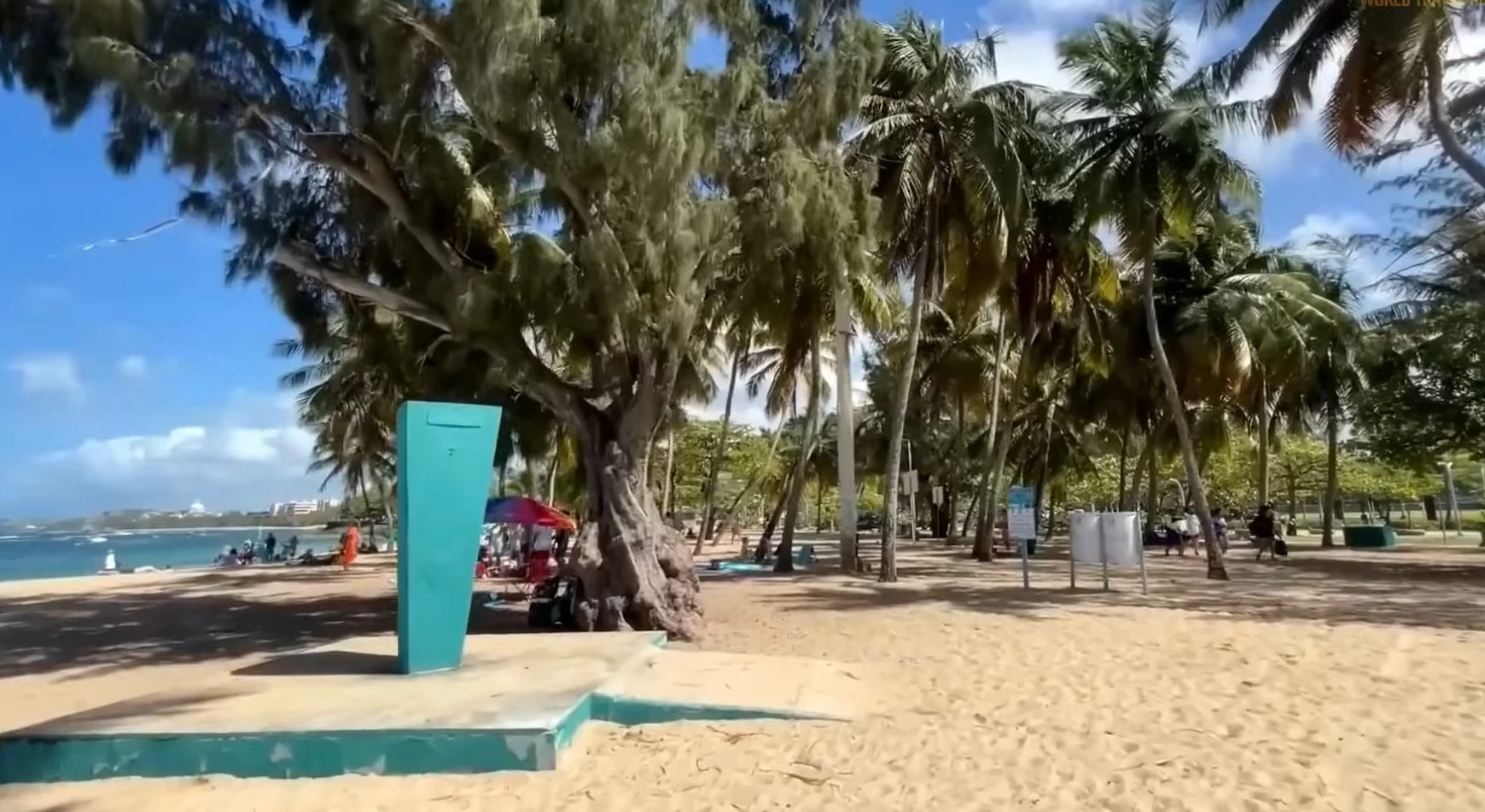
Puerto Rico is an unincorporated territory of the United States. That means U.S. citizens can travel there without a passport, visa, or going through customs. The official languages are Spanish and English, though Spanish is the primary language spoken in daily life. Most tourist areas are bilingual, with English menus and signage available throughout San Juan and other popular destinations.
The currency is the U.S. dollar. Credit cards are widely accepted in hotels, restaurants, and shops, but many local food stalls, kiosks, and small businesses operate on cash only. Carry some cash with you at all times.
Puerto Rico runs on Atlantic Standard Time, which is the same as Eastern Standard Time for most of the year. However, Puerto Rico does not observe Daylight Savings Time. That means from March through November, the island is one hour ahead of Eastern Time.
Tipping follows the same custom as the mainland United States. Plan to tip 15 to 20 percent at restaurants, bars, and for tour guides.
Where Is Puerto Rico and Why Visit
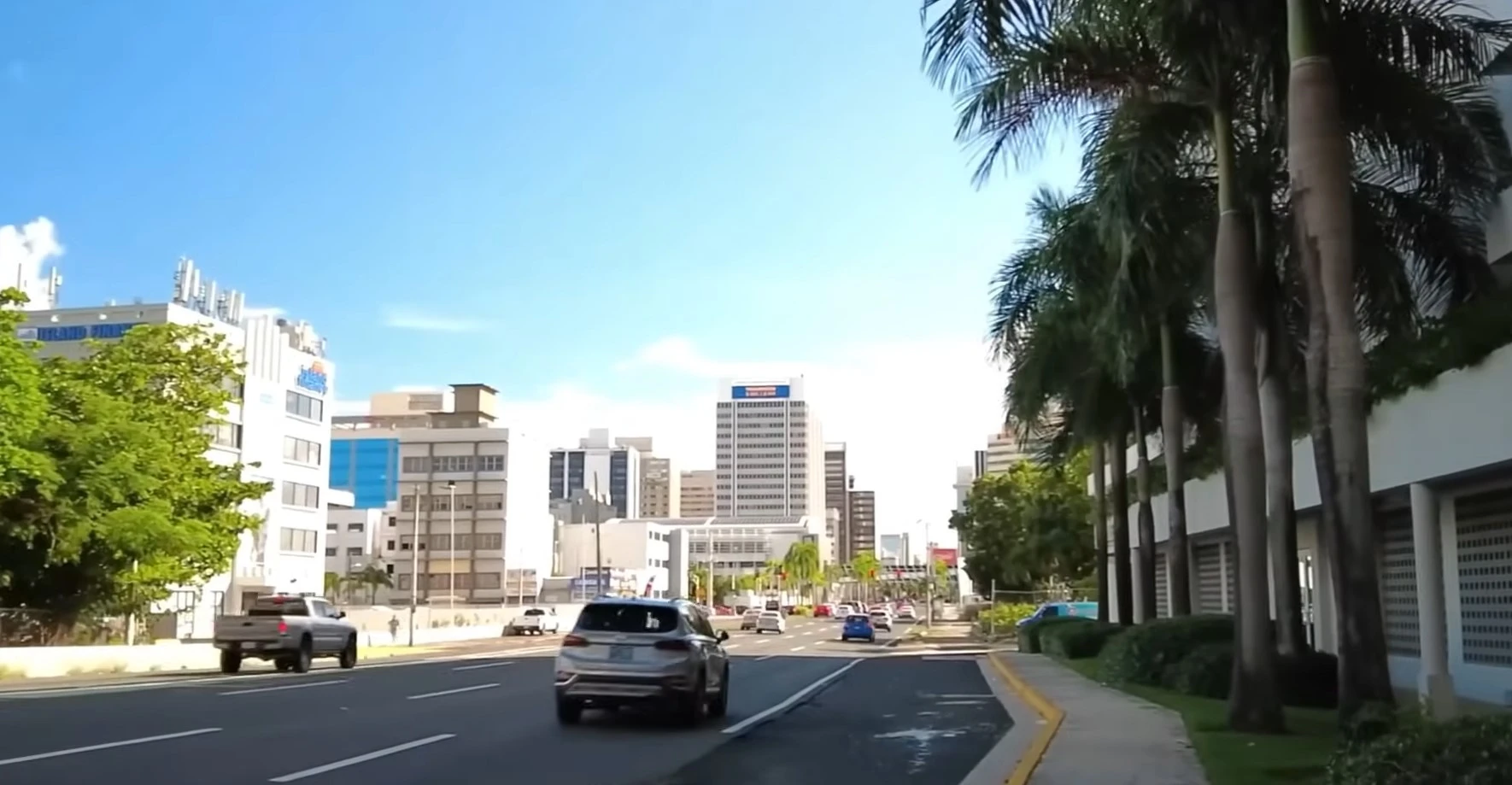
Puerto Rico is an archipelago located between the Caribbean Sea and the Atlantic Ocean. The main island is roughly 100 miles long and 35 miles wide. Despite its compact size, the landscape is remarkably diverse. You can hike through a tropical rainforest in the morning, eat roasted pork at a roadside stand in the mountains by lunch, and watch the sunset from a quiet beach by evening.
The island earned its nickname La Isla del Encanto, which translates to the Island of Enchantment, and it lives up to the name. The culture blends Taino indigenous heritage, African traditions, and Spanish colonial influence into something entirely its own. You hear it in the music, from traditional Bomba and Plena drums to modern reggaeton. You taste it in dishes like mofongo and lechon asado. You see it in the colorful colonial architecture of Old San Juan and the street murals of Santurce.
Puerto Rico also happens to be one of the most accessible Caribbean destinations for American travelers. No passport, no currency exchange, no complicated entry requirements. With flights as short as two hours from Miami or three and a half from New York, the island makes a long weekend getaway just as doable as a two week deep dive.
Best Time to Visit Puerto Rico
Puerto Rico enjoys warm, tropical weather all year. Average temperatures hover between 75 and 85 degrees Fahrenheit regardless of the month. That said, there are meaningful differences between seasons that affect your experience.
Dry Season: December to April
This is peak tourist season for good reason. Rainfall is lower, humidity is more comfortable, and the weather is ideal for beaches, hiking, and outdoor exploration. Whale watching season runs from January through late March, when migrating humpback whales pass through the waters off the west coast. The famous Fiestas de la Calle San Sebastian, also called the Sanse Festival, fills the streets of Old San Juan every January with music, parades, and artisan markets.
The trade off is higher prices and larger crowds. Hotels, flights, and rental cars all cost more during these months. Ferry tickets to Vieques and Culebra sell out quickly, so booking at least six weeks in advance is essential.
Shoulder Season: May to June
This is a sweet spot many experienced travelers prefer. Crowds thin out, prices drop, and the weather remains pleasant with only occasional showers. The humidity begins to rise, but it is manageable. Many local festivals and cultural celebrations happen during this period, offering a more authentic experience with fewer tourists around.
Rainy and Hurricane Season: July to November
Rain falls more frequently during these months, usually in short afternoon bursts rather than all day storms. The official Atlantic hurricane season runs from June 1 through November 30. While the risk of a direct hit is statistically low for any given trip, travel insurance is a smart investment during this window.
The upside is significantly lower prices on flights, hotels, and activities. The west coast surf season peaks during late summer and early fall, making this the best time for surfers to hit Rincon.
Best Months by Activity
Surfing thrives from August through December on the west coast near Rincon. Whale watching peaks between January and March. Festivals run year round, with the biggest events happening in January through March and again in June. Beach conditions are at their best from December through April during the dry season.
How to Get to Puerto Rico
Most travelers fly into Luis Munoz Marin International Airport in San Juan, identified by the airport code SJU. This is the main gateway to the island, with direct flights available from dozens of U.S. cities.
Major carriers like American Airlines, Delta, United, and Southwest operate regular routes to San Juan. Budget airlines including Spirit and Frontier offer direct flights from East Coast cities, often at lower fares if you book in advance and travel with minimal luggage.
From the East Coast, flights typically run two and a half to four hours depending on your departure city. From the Midwest or West Coast, expect connecting flights through Miami, Atlanta, or Dallas.
One thing that surprises many travelers is the cost. Puerto Rico is not always the budget destination people expect. While you save on passport fees and currency exchange, flight prices can spike during peak season. Booking early, traveling during shoulder months, and using fare alerts can help keep costs reasonable.
How to Get Around Puerto Rico
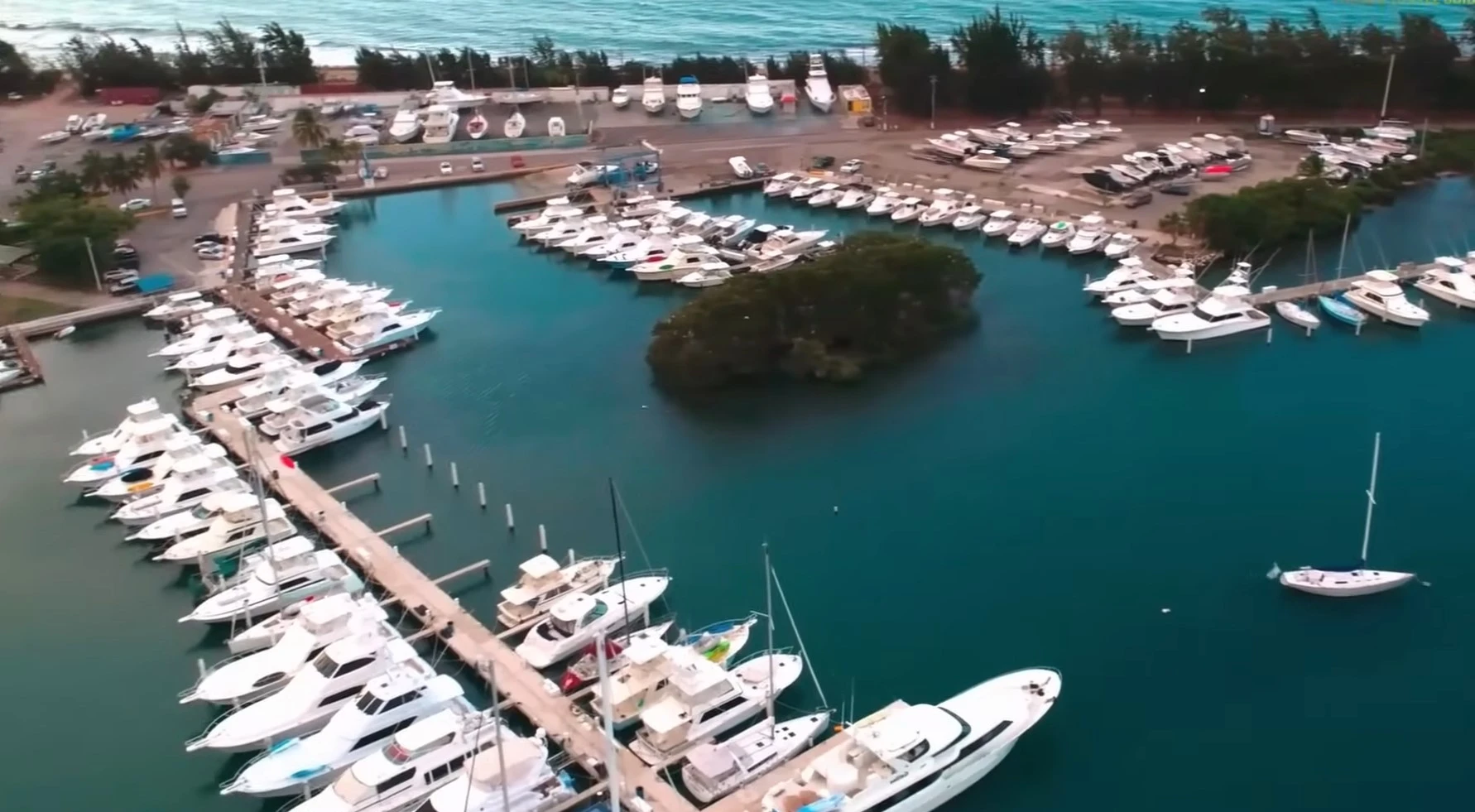
Getting around the island requires some planning, especially if you want to explore beyond San Juan. Puerto Rico is not a place where public transit takes you everywhere you want to go.
Renting a Car
A rental car gives you the most freedom and is the best option if you plan to visit El Yunque, drive the Pork Highway, explore the west coast, or reach the ferry terminal in Ceiba. Roads are generally well maintained, though mountain roads can be narrow and winding. Road signs use kilometers, which catches some visitors off guard.
Book your rental in advance, especially during peak season when availability shrinks fast. Parking in Old San Juan is notoriously difficult. Many travelers report unexpectedly large parking fines on rental cars, with some tickets reaching $500 or more. Use paid parking lots rather than street parking to avoid this issue.
Uber and Rideshare
Uber is readily available throughout the San Juan metro area, including Old San Juan, Condado, Santurce, and Isla Verde. Fares typically range from $4 to $25 within the metro region. Outside of San Juan, rideshare availability drops off significantly.
If you plan to stay only in San Juan and take organized tours for day trips, you can manage without a car by relying on Uber and occasional taxis.
Publicos and Public Transit
Publicos are shared vans or minibuses that run set routes across the island. They offer the cheapest transportation option, but schedules can be inconsistent and routes may be confusing for non-Spanish speakers. The AMA bus system covers the San Juan metro area and is affordable but limited in scope.
Getting to Vieques and Culebra
The smaller islands of Vieques and Culebra are accessible by ferry or small plane from the main island.
The ferry departs from Ceiba, located about an hour and a half east of San Juan. Tickets cost roughly $2 to $3 each way. The ride to Culebra takes about 45 minutes, while Vieques is around one hour. However, ferry tickets sell out far in advance, especially during peak season. Buy your tickets online as soon as they become available, typically six weeks before your travel date. Many travelers make the mistake of assuming they can buy tickets at the dock and end up stranded or limited to inconvenient departure times.
Small charter flights from San Juan or Ceiba offer a faster alternative at $50 to $100 per person. The flight takes about 25 to 30 minutes and provides stunning aerial views of the coastline and surrounding islands.
Where to Stay in Puerto Rico
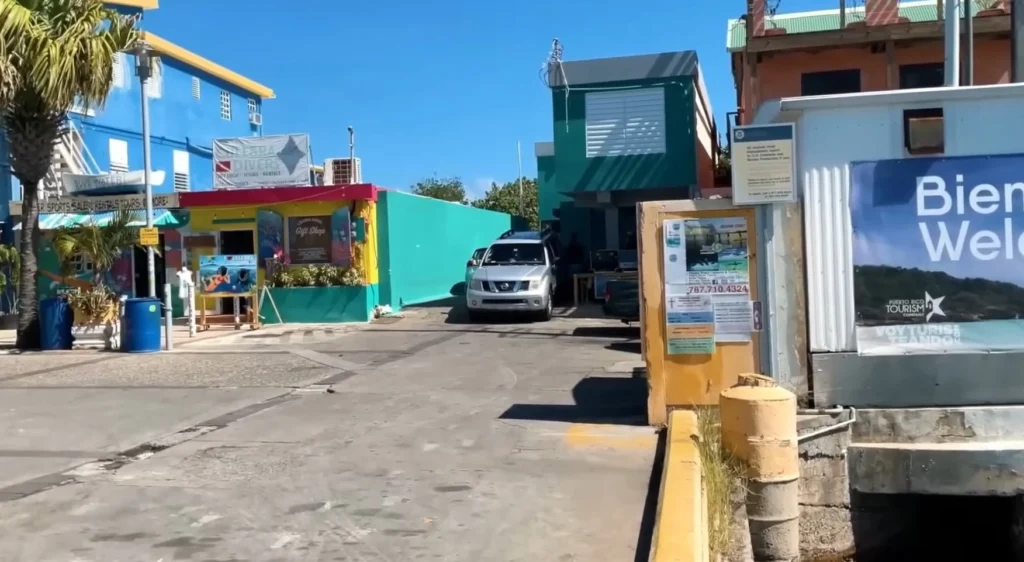
Your choice of neighborhood shapes your entire experience. Each area of Puerto Rico offers a distinct vibe, and where you stay should match what you want to do.
Old San Juan
This is where most first time visitors base themselves, and for good reason. The historic district puts you within walking distance of centuries old forts, colorful colonial buildings, cobblestone streets, restaurants, and nightlife. The Gallery Inn offers a unique historic stay, while newer boutique options like Alma San Juan provide rooftop pools and modern design within the old city walls.
The downside is limited parking and higher prices. Noise can also be an issue since many accommodations sit in the heart of a lively neighborhood.
Condado and Isla Verde
These areas along the coast offer the most traditional resort experience. Large hotels, beach access, restaurants, and shopping are all within easy reach. Condado feels more upscale and walkable, while Isla Verde sits closer to the airport with a more relaxed, beachy atmosphere. These neighborhoods work well for families and travelers who want comfort and convenience.
Santurce
For a more local, authentic experience, Santurce is hard to beat. This neighborhood is the heart of San Juan’s food and art scene, home to Lote 23 (an open air food truck park), La Placita (the nightlife hub), and the Santurce Art Walk with its impressive street murals. Accommodations here tend to be more affordable, including Airbnb options that let you live like a local. The beach is a short walk away, and the vibe is less touristy than Old San Juan.
Vieques and Culebra
Staying overnight on one of the smaller islands transforms your trip. Vieques offers a laid back pace, wild horses roaming freely, and access to Mosquito Bay for bioluminescent tours after dark. Culebra is even quieter, with Flamenco Beach and excellent snorkeling as the main draws. Accommodation options are limited on both islands, so book early. Finca Victoria on Vieques has earned strong reviews from visitors seeking a comfortable island stay.
Best Things to Do in Puerto Rico
Puerto Rico packs an extraordinary amount of variety into a small island. Here are the experiences that consistently stand out.
Explore Old San Juan
Old San Juan is not just a neighborhood. It is a living museum. Walk the blue cobblestone streets past pastel coloured buildings that date back centuries. Visit Castillo San Felipe del Morro, the massive fortification overlooking the Atlantic that once defended the island from invaders and pirates. Fly kites on the sprawling green lawn outside the fort, a beloved local tradition.
Stop at Barrachina Restaurant, which claims to be the birthplace of the Pina Colada. Browse local craft shops, duck into galleries, and end the evening at La Factoria, a cocktail bar that has earned international recognition.
Hike El Yunque National Forest
El Yunque is the only tropical rainforest in the U.S. National Forest System. Located on the eastern side of the island about an hour from San Juan, it offers multiple trails ranging from easy paved paths to challenging jungle treks. You will encounter towering ferns, natural swimming holes, waterfalls, and the constant soundtrack of coqui frogs calling from the underbrush.
Mount Britton Tower provides panoramic views of the forest canopy and distant peaks. For a more adventurous experience, guided tours offer waterfall rappelling, cliff jumping, and natural rock slide descents. The forest is lush and wet, so pack a rain jacket and wear sturdy shoes with good grip.
Visit the Bioluminescent Bays
Puerto Rico is home to three bioluminescent bays, one of very few places on Earth where you can witness this phenomenon. Microscopic organisms called dinoflagellates light up the water when disturbed, creating an otherworldly blue green glow.
Mosquito Bay on Vieques holds the Guinness World Record as the brightest bioluminescent bay in the world. Kayak tours here offer the most vivid experience, especially on darker nights around the new moon.
Laguna Grande in Fajardo is the most accessible option from San Juan. It is a kayak only experience, meaning you cannot swim in the water, but the glow is still remarkable.
La Parguera in Lajas, on the southwest coast, is the only bio bay where swimming is permitted. If being in the glowing water is important to you, this is the one to choose.
Beach Hop Across the Island
Puerto Rico has nearly 300 beaches, each with its own character. Flamenco Beach on Culebra regularly ranks among the best beaches in the world thanks to its white sand and crystal clear turquoise water. Be aware that ocean conditions change daily, and red flag warnings mean swimming is not safe regardless of how inviting the water looks.
Playa Negra on Vieques features striking black volcanic sand backed by dramatic cliffs. It is more of a photo destination than a swimming beach due to strong currents.
Playa Sucia on the southwest coast near the historic Faro Los Morillos lighthouse offers some of the island’s most stunning scenery. The name means “dirty beach,” but the sand and water are anything but.
Crash Boat Beach in Aguadilla on the northwest coast draws visitors with its iconic colorful pier and lively atmosphere. Locals jump from the pier into the water below, and the snorkeling around the pilings reveals schools of tropical fish.
Chase Waterfalls and Go Ziplining
Beyond El Yunque, waterfalls hide throughout Puerto Rico’s mountainous interior. Guided waterfall tours combine hiking through dense forest with swimming in natural pools at the base of cascading falls.
Ziplining is one of the island’s most popular adventure activities. Options range from beginner friendly courses near San Juan to more intense experiences through El Yunque that include multiple lines and rappelling sections. Check weight limits and harness requirements before booking.
Experience Bomba, Salsa, and Live Music
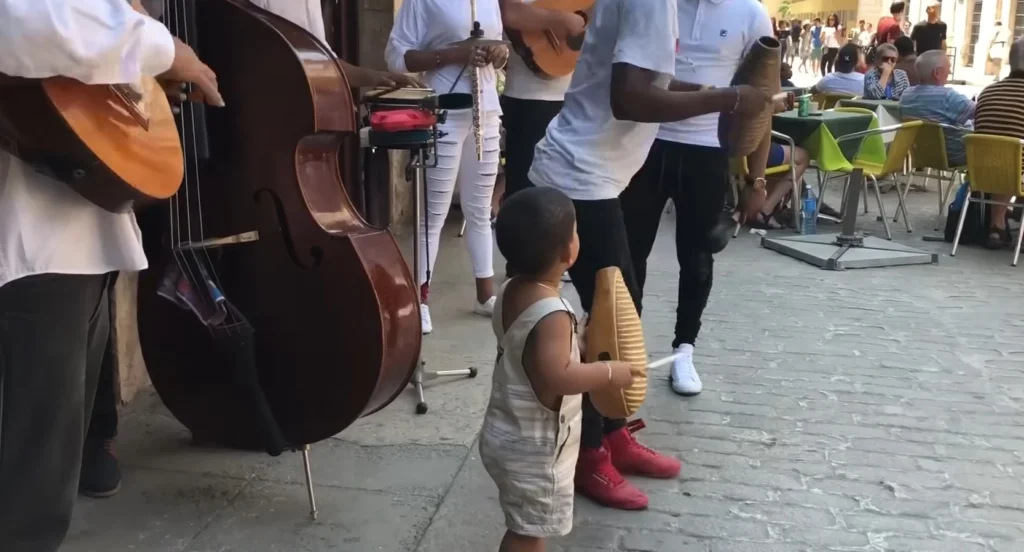
Music is central to Puerto Rican identity. Bomba and Plena are traditional Afro-Puerto Rican music and dance forms with roots stretching back over 400 years. The town of Loiza, about 20 minutes east of San Juan, is considered the heart of Bomba culture. Visitors can take dance classes and experience live performances that connect directly to the island’s African heritage.
Salsa fills the streets, bars, and plazas throughout San Juan. La Placita in Santurce transforms into an open air dance party on weekend nights, with live music ranging from salsa to reggaeton.
Festivals happen nearly every weekend across the island. The Sanse Festival in January, Carnaval Ponceno in February or March, and Noche de San Juan on June 23 are among the biggest and most culturally significant celebrations.
Tour the Bacardi Factory
Casa Bacardi in Catano, just across the bay from Old San Juan, is the largest premium rum distillery in the world. Visitors can take guided tours of the facility, learn about the history of rum production in Puerto Rico, and participate in mixology classes where you learn to craft cocktails using Bacardi spirits.
Drive the Pork Highway
Ruta del Lechon, known as the Pork Highway, runs through Guavate in the central mountain region. This stretch of road is lined with lechoneras, open air restaurants serving slow roasted whole pig alongside traditional sides. Weekends bring live music and a festive atmosphere that makes the drive feel more like a celebration than a meal stop. Order lechon asado with arroz con gandules and tostones for the full experience.
Visit Coffee Plantations in the Central Mountains
Puerto Rico has a long history of coffee cultivation. The central mountain towns of Adjuntas, Jayuya, and Maricao are home to working plantations where visitors can tour the grounds, learn about the bean to cup process, and sample some of the finest coffee grown in the Caribbean. The mountain scenery alone makes the drive worthwhile.
Puerto Rican Food You Need to Try
The food in Puerto Rico is a reflection of its layered cultural history. African, Spanish, and Taino influences combine into a cuisine that is bold, comforting, and endlessly varied.
- Mofongo is the island’s signature dish. It starts with fried green plantains mashed together with garlic and olive oil, then topped with your choice of protein. Chicken, shrimp, and pork are the most common options. Nearly every restaurant serves its own version.
- Lechon asado is whole roasted pork, slow cooked over an open pit until the skin turns impossibly crispy and the meat falls apart. The Pork Highway in Guavate is the best place to experience it, but lechoneras exist across the island.
- Tostones are twice fried plantain slices, crispy on the outside and soft inside. They appear on nearly every plate as a side dish and are addictive in the best way.
- Alcapurrias are deep fried fritters made from a dough of grated green banana and taro root, stuffed with seasoned meat. You will find them at beach kiosks and roadside stalls, especially along the Pinones Boardwalk.
- Arroz con gandules, rice cooked with pigeon peas and seasoned with sofrito, is considered the national dish by many Puerto Ricans. Pasteles are similar to tamales, with a masa dough filled with seasoned meat and wrapped in banana leaves.
- The Pina Colada was born in Old San Juan, though multiple establishments claim the invention. Whether you side with Barrachina or the Caribe Hilton, you owe it to yourself to drink one on the island where it was created.
For dining, the options span every price range. Kioskos de Luquillo offers affordable local favorites in a casual beachside setting. Pinones Boardwalk is a street food paradise with kiosks serving alcapurrias, bacalaitos, and fresh seafood. In Old San Juan, La Factoria serves cocktails that have earned international awards. Lote 23 in Santurce is an open air food truck park popular with locals. For a sit down meal, restaurants like Chocobar in Old San Juan offer creative, one of a kind menus.
Puerto Rico on a Budget: Money Saving Tips
Puerto Rico is not as cheap as many travelers expect. Prices for hotels, restaurants, and tours generally match mainland U.S. levels. However, smart planning can stretch your budget significantly.
Travel during the shoulder season from May to June, when hotel rates, flights, and rental cars all drop. Eat where locals eat, meaning food kiosks, boardwalk stalls, and food truck parks rather than sit down tourist restaurants. A full plate of lechon with sides at a Guavate lechonera costs a fraction of a comparable meal in Old San Juan.
Book accommodations through Airbnb in Santurce for lower nightly rates and the option to cook some of your own meals. Use Uber instead of taxis in San Juan, as fares tend to be lower. Take the ferry to Vieques or Culebra instead of charter flights to save $50 to $100 per person each way.
Skip the all inclusive resort mindset. Puerto Rico rewards independent exploration, and the best experiences, from roadside lechon to hidden beaches, cost very little.
Safety Tips for Visiting Puerto Rico
Puerto Rico is generally safe for tourists. Crime statistics may look concerning at first glance, but the vast majority of incidents occur in areas tourists rarely visit. The tourist zones of Old San Juan, Condado, Santurce, and the beach towns are well traveled and comfortable.
Use the same common sense you would in any U.S. city. Keep valuables secured, stay aware of your surroundings at night, and avoid isolated areas after dark. In San Juan specifically, exercise caution around the La Perla neighborhood unless you have a specific reason to visit during daylight hours.
Ocean safety deserves special attention. Many Puerto Rican beaches have strong currents and rip tides. Always check for flag warnings before entering the water. A red flag means conditions are dangerous and swimming is not advised, regardless of how calm the water may appear from shore.
Solo travelers, including solo female travelers, consistently report feeling safe throughout the island. Puerto Rico’s status as a U.S. territory means your cell phone works normally, emergency services operate on the familiar 911 system, and you have the same legal protections as on the mainland.
Mosquito repellent is worth carrying, especially when visiting forests, mangroves, or bio bay areas. Tropical destinations carry a low risk of mosquito borne illnesses like Dengue fever. The risk is small but worth being aware of.
How to Be a Respectful Visitor in Puerto Rico
Puerto Rico is not just a vacation destination. It is home to 3.2 million people with a deep cultural identity and a complex history. Approaching your visit with respect goes a long way.
Learn a few basic Spanish phrases before you arrive. While you can get around in English, especially in tourist areas, making an effort with Spanish shows respect and often opens doors to warmer interactions. Simple greetings, please and thank you, and basic food vocabulary go far.
Support locally owned restaurants, tour companies, and shops whenever possible. Puerto Rico imports over 85 percent of its food. When you eat at a farm to table restaurant, shop at a farmers market, or buy from a local artisan, your money directly supports the local economy.
Use only reef safe sunscreen when visiting beaches or swimming in bioluminescent bays. Chemical sunscreens damage coral reefs and the delicate organisms that make the bio bays glow. Pack a reef safe option before you arrive.
Do not disturb the coqui frogs. These tiny tree frogs are a beloved symbol of Puerto Rico and produce the distinctive “ko-kee” call you will hear every evening. They are protected, and recent incidents of tourists trying to silence them have caused justified anger from locals.
Take time to understand Puerto Rico’s history, its relationship with the United States, and the ongoing conversation about its political status. This is an island with tremendous pride, and visitors who arrive with some context appreciate the experience far more deeply.
What to Pack for Puerto Rico
Puerto Rico’s tropical climate calls for light, breathable clothing that can handle heat, humidity, and sudden rain. Pack strategically, and leave room in your luggage for souvenirs and local finds.
Bring lightweight shorts, tank tops, and sundresses for daytime. Include a few casual but polished outfits for evening dining and nightlife. A lightweight rain jacket or compact poncho is essential since afternoon showers can appear without warning, especially in the mountains and rainforest.
Comfortable walking shoes matter more than you think. Old San Juan’s cobblestone streets are uneven, and trails in El Yunque require sturdy footwear with good traction. Bring sandals for the beach and a pair of dressier shoes for evenings.
Sun protection should be a priority. Pack high SPF reef safe sunscreen, a wide brimmed hat, and quality sunglasses. Aloe vera gel helps with after sun care. A waterproof phone case protects your device during boat tours, kayak excursions, and unexpected rain.
Swimwear is obvious, but bring at least two sets so you always have a dry option ready. Beach accessories like a durable tote bag and a quick dry towel save space and weight compared to bulky alternatives.
Puerto Rico History and Culture You Should Know
Understanding even a little of Puerto Rico’s past makes the entire trip more meaningful. The island’s history is layered, complex, and still actively evolving.
The Taino people were the original inhabitants of Puerto Rico. Their influence remains visible in place names, food traditions, and cultural celebrations across the island. Spanish colonizers arrived in 1493, beginning centuries of rule that shaped the architecture, language, and religious traditions you see today.
In 1898, following the Spanish American War, Puerto Rico became a U.S. territory. Its residents gained U.S. citizenship in 1917 but do not vote in presidential elections and have no voting representation in Congress. The island has its own Olympic team and competes independently in international events like the Miss Universe pageant.
The question of Puerto Rico’s political status, whether it should become a state, seek independence, or remain a territory, remains one of the most actively debated topics on the island. Visitors should be aware that this is a deeply personal subject for many Puerto Ricans.
Hurricane Maria in 2017 devastated the island, causing widespread destruction and a humanitarian crisis. The recovery took years, and some effects linger. However, Puerto Rico has rebuilt with remarkable determination. New restaurants, hotels, and cultural institutions have opened. The spirit of the island, rooted in resilience and communal pride, remains its defining characteristic.
Puerto Rico celebrates its heritage through festivals that fill the calendar year round. The Sanse Festival in January marks the end of the extended Christmas season with music, dancing, and artisan markets. Carnaval Ponceno brings a full week of parades and celebrations to Ponce in late February or March. Noche de San Juan on June 23 involves the tradition of walking backward into the ocean at midnight for good luck. Smaller local festivals, called fiestas patronales, happen in towns across the island nearly every weekend.
Conclusion
Puerto Rico offers a rare combination of Caribbean beauty, deep cultural richness, and the convenience of traveling within U.S. territory. From the glowing waters of Mosquito Bay to the crispy perfection of roadside lechon, the island rewards curiosity and planning in equal measure. Book your ferry tickets early, carry cash, pack reef safe sunscreen, and leave room in your schedule for the unexpected moments that make this island unforgettable. The best trips here are not the ones planned down to the minute but the ones that leave space for Puerto Rico to surprise you.
FAQs
What Do I Wish I Knew Before Going to Puerto Rico?
Many first time visitors wish they knew how important it is to book ferry tickets to Vieques and Culebra weeks in advance. Tickets sell out fast and cannot be purchased reliably at the dock. They also wish they understood that Old San Juan parking enforcement is aggressive, with fines on rental cars reaching $500 or more. Using paid lots instead of street parking avoids this problem entirely. Finally, travelers often underestimate how much cash they need. Many local food stalls, kiosks, and smaller businesses do not accept cards.
What Is Rule 22 in Puerto Rico?
Rule 22, formally known as Act 22 or the Individual Investors Act, is a Puerto Rico tax incentive that allows qualifying individuals who become bona fide residents of the island to pay zero percent capital gains tax on certain income earned after relocating. It was designed to attract investors and entrepreneurs to the island. For everyday tourists, Rule 22 does not directly affect your visit, but it has shaped real estate markets and local conversations about housing affordability and community impact.
Is Puerto Rico a U.S. State or Territory?
Puerto Rico is an unincorporated territory of the United States. It is not a state. Residents are U.S. citizens but do not vote in presidential elections and have only a non voting representative in Congress. The island uses the U.S. dollar, follows U.S. federal laws in most areas, and American citizens travel there without needing a passport. The political status of Puerto Rico, whether it should become a state, gain independence, or maintain its current status, remains an ongoing and deeply important discussion.
What Is Puerto Rico Famous For?
Puerto Rico is famous for its bioluminescent bays, El Yunque tropical rainforest, the colorful colonial architecture of Old San Juan, and its vibrant music culture including salsa and reggaeton. The island is also celebrated for its food, particularly mofongo and lechon asado, and for being the birthplace of the Pina Colada. Flamenco Beach on Culebra is consistently ranked among the best beaches in the world.
Do I Need a Passport to Visit Puerto Rico?
No. Puerto Rico is a U.S. territory, so American citizens and permanent residents travel there using the same identification they would use for any domestic flight. Starting in 2025, a REAL ID compliant driver’s license or another acceptable form of ID is required for domestic air travel within the United States, including flights to Puerto Rico.
Is Puerto Rico Safe for Solo Travelers?
Yes. Puerto Rico is generally considered safe for solo travelers, including solo female travelers. Tourist areas in San Juan and beach towns are well frequented and comfortable. Standard travel precautions apply. Stay in populated areas at night, keep valuables secured, and be aware of your surroundings. Your U.S. cell phone works normally on the island, and emergency services operate through 911.
When Is Hurricane Season in Puerto Rico?
The official Atlantic hurricane season runs from June 1 through November 30. The highest risk months are typically August through October. While a direct hit on any specific trip is unlikely, travel insurance is recommended if you visit during these months. Many travelers visit during hurricane season without experiencing any weather issues, often enjoying lower prices and smaller crowds.
Is Puerto Rico Expensive?
Puerto Rico’s costs generally match mainland U.S. prices. Hotels, restaurants, and tours are not significantly cheaper than what you would pay in cities like Miami or New York. However, budget travelers can save by visiting during shoulder season, eating at local food kiosks and roadside stands, staying in Airbnb accommodations, and using public transit or Uber instead of taxis. The ferry to Vieques and Culebra costs only $2 to $3 each way, making it one of the best travel bargains in the Caribbean.


