Miagao Church: A Visitor Guide to the UNESCO Baroque Fortress in Iloilo
Some heritage sites feel like museums. This one feels alive. You see locals praying inside. You see travelers staring at the façade outside. You also notice something unusual right away. It looks beautiful, but it also looks built to survive.
This guide helps you plan a smooth visit and understand what the carvings mean, without overloading you with history.
Facts You’ll Want Before You Go
| Detail | What to know |
|---|---|
| Common name | Miagao Church |
| Official name | Santo Tomás de Villanueva Parish Church |
| Location | Miagao, Iloilo, Panay Island, Visayas, Philippines |
| Heritage status | UNESCO World Heritage, part of the Baroque Churches of the Philippines |
| Style | Baroque with fortress features |
| Best visit time | Morning for softer light, weekdays for fewer crowds |
| Typical visit length | 30 to 90 minutes |
| Photo tip | Step back for the full façade, then zoom for the carvings |
| Dress code | Modest, covered shoulders is safest |
| Main starting point | Iloilo City |
You visit to see a stone façade packed with meaning. You also get a rare “fortress church” feel. It is not just pretty. The design hints at real risks from the past. If you like architecture, this stop is a must.
Where Is Miagao Church?
Location overview
The church is in the town of Miagao in Iloilo Province. Most visitors come from Iloilo City. That city is the easiest base for transport, food, and hotels.
What to search in maps
Search “Miagao Church” and you will find it fast. If your map app misses it, search the full parish name instead. It is in the town center, so you will not feel lost once you arrive.
Quick distance check from Iloilo City
It is a common road trip south. Travel time depends on traffic and stops. Plan extra buffer if you are riding public transport.
How to Get There From Iloilo City
By bus or van
This is the easiest option for most travelers. Look for routes going south toward Miagao or beyond. Tell the conductor you are going to the church in Miagao town proper. Get off near the center and walk a short distance.
Common problem: You worry you will miss the stop.
Fix: Sit where you can see outside. Ask the conductor to notify you. Most are used to tourists.
By jeepney
Jeepneys are cheaper and more local. They can be slower. They also make more stops. Take this route if you enjoy the ride and have time.
Common problem: The ride feels confusing if you are new.
Fix: Ask the driver before you pay, “Does this pass Miagao church?” Keep your question short and clear.
By private car
This gives you the most control. It also helps if you want to combine nearby stops. Parking is usually easier outside peak hours. If the area looks busy, do a quick drop off, then park a bit farther.
Transport comparison table
| Option | Best for | Tradeoff | Simple tip |
|---|---|---|---|
| Bus or van | Fast, easy, low stress | Fixed schedule | Ask to be dropped at the church area |
| Jeepney | Budget and local feel | Slower, more stops | Confirm route before boarding |
| Private car | Flexible itinerary | More planning | Avoid peak hours for easier parking |
Best Time to Visit for Weather, Crowds, and Photos
Best season
Dry months usually feel easier for walking and photos. Rainy days can still work, but you may deal with glare, wet steps, and rushed photos.
Common problem: You arrive in heavy rain and the façade photos look flat.
Fix: Wait for a bright break and shoot from a slight angle. Stone details pop with side light.
Best time of day for the façade
Morning light is often softer. It helps the carvings show depth. Midday sun can be harsh. It can also create strong shadows in the relief.
Common problem: Your photo looks washed out.
Fix: Step back, lower your exposure a bit, then zoom into key panels.
If you want a quieter visit
Weekdays are usually calmer than weekends. If you arrive during a service, keep your voice low and stay near the back. You can still appreciate the interior without getting in the way.
A Short History That Explains the “Fortress Church” Look
Timeline table
| Period | What happened | Why it matters |
|---|---|---|
| 1700s | Parish grew and the stone church took shape | The community needed a strong center |
| Late 1700s | Main structure was completed | The iconic façade and massing come from this era |
| Later years | Repairs and restoration work happened | Today’s look is the result of care over time |
Why it feels defensive
Some churches were designed to look strong for a reason. Coastal and regional threats shaped choices. That is why you see thick walls and a heavy silhouette. Beauty was still important. Safety mattered too.
Restoration and what visitors see today
Older stone buildings need upkeep. Weather, moisture, and time take a toll. Restoration keeps the structure stable and the details readable. When you visit, look for areas that seem cleaner or newer. That is normal on heritage sites.
Why It Is a UNESCO World Heritage Site
The heritage group it belongs to
This church is recognized under the Baroque Churches of the Philippines. The idea is simple. These churches show how European church design was adapted in the Philippines through local materials and craftsmanship.
What makes it special
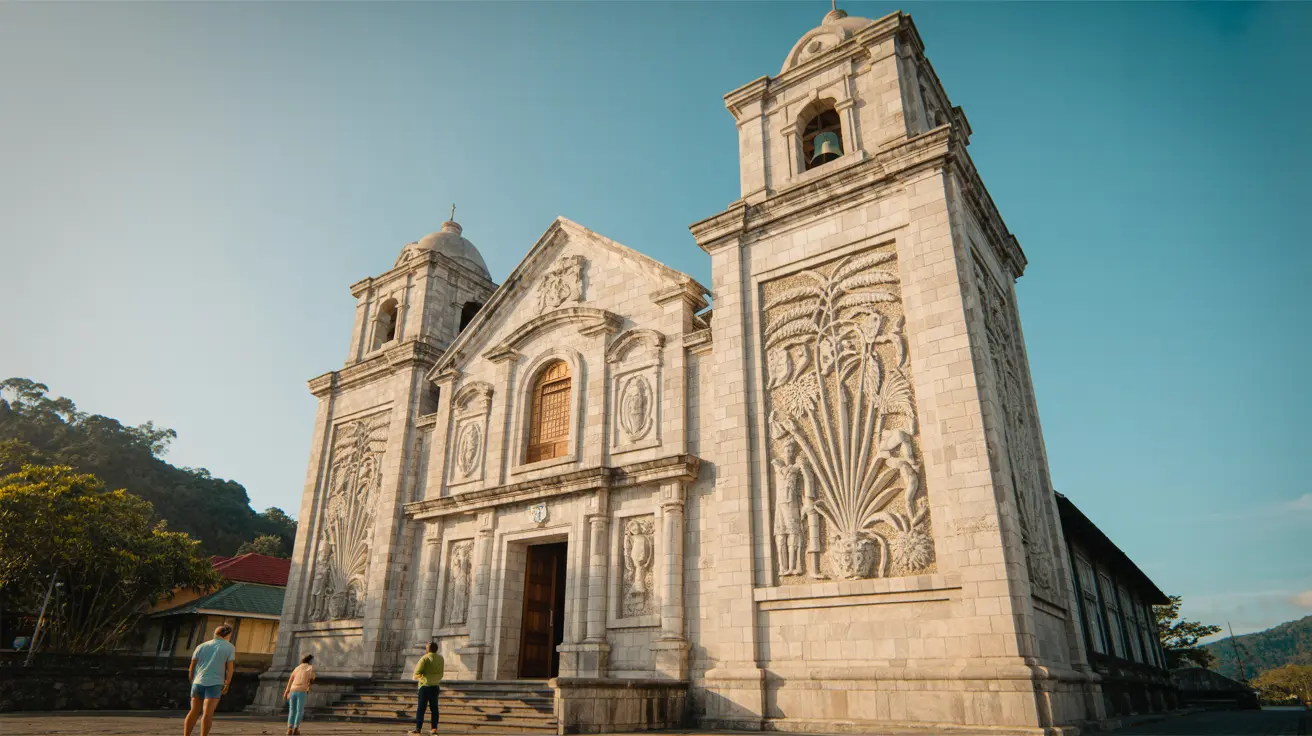
The façade is the star. It mixes Catholic imagery with local life. You will see plants that feel familiar to the region. You will see a layout that feels both decorative and tough. That blend is why people travel for it.
Architecture Breakdown: What You’re Looking At
Style in plain language
You do not need to know architecture terms to enjoy it. Just notice the big shapes and the fine carvings. The structure feels solid and grounded. The façade feels alive and detailed.
Fortress features you can spot
Look at the thickness of the walls. Notice how the whole building sits with weight. Look for support elements that strengthen the sides. These choices were practical, not just aesthetic.
Materials and weathering
Stone changes with time. Sun, rain, and salt air can affect color and texture. That is why some parts look warmer or darker. It is part of the building’s story.
Bell towers and layout
Many visitors focus only on the front. Walk around if you can. Side views help you understand how wide and sturdy the structure is. It also helps you find calmer angles for photos.
Self Guided Façade Tour: What to Look For in 5 Minutes
How to “read” the façade
Start from the center and go outward. Then look upward. Do not try to spot everything at once. You will enjoy it more if you slow down and pick a few details.
Key highlights to find
- St. Christopher carrying the Child Jesus: This is one of the most talked about images on the façade. It often connects to travel and protection themes in Christian art.
- Coconut tree: Many people link it to local life and abundance. It stands out because it feels distinctly Filipino.
- Local plants: You may notice familiar shapes that look like regional flora carved into stone.
- Saint figures and panels: These anchor the façade in Catholic tradition while the surroundings bring in local identity.
Common problem: You stare at the front and still feel confused.
Fix: Choose one figure, then ask one question, “Who is this and why is it here?” That single question makes the rest easier.
Quick photo checklist
- One full front shot from far back
- One angled shot for depth
- Two close ups of the main figure group
- One close up of plant carvings
- One texture shot of stone details
What to See Inside the Church
The altar and retablo area
Once inside, your attention shifts. The front of the church is about storytelling in stone. The interior is about devotion and focus. Spend a minute near the altar area. Notice the tone and the quiet.
Devotional images
You may see familiar Catholic figures and symbols. Even if you are not religious, you can still appreciate the craft and the atmosphere. Keep your movement slow and respectful.
Etiquette that keeps everyone comfortable
Keep your voice low. Avoid blocking people who are praying. If photos are allowed, do not use flash. If you are unsure, ask someone politely before taking close shots.
Practical Visitor Tips So You Don’t Get Stuck
What to wear
Modest clothing is the safest choice. Covered shoulders is a good rule. Bring a light layer if you are wearing a sleeveless top. It helps you avoid awkward moments.
Costs and donations
Some churches do not charge an entry fee. You may see donation boxes. If you are joining a guided visit or using local services, be ready with small bills.
Accessibility notes
Expect steps and uneven surfaces around older structures. If someone in your group has mobility concerns, go slow and use the smoother paths. Do not rush the visit.
Safety basics
The area is generally straightforward, but use normal travel awareness. Keep valuables secured. Avoid leaving bags unattended while you take photos.
Nearby Places to Pair With Your Visit
Easy pairings if you want more than one stop
If you came from Iloilo City, you can combine this visit with food stops and other heritage spots. If you are doing a longer Panay drive, this church works well as a main anchor.
stop because it is easy to locate and easy to appreciate fast.
Simple mini itinerary ideas
Half day plan: Travel in the morning, explore the façade slowly, visit inside, then return before midday heat.
Full day plan: Add a few Iloilo City heritage stops before or after, depending on your schedule.
Road trip plan: Use this as one highlight, then continue to other towns for coastal views or countryside stops.
FAQs
Why is Miagao Church a UNESCO World Heritage Site?
Because it is part of a group of Philippine Baroque churches that show a distinct local adaptation of a European style. The design, materials, and details reflect that blend.
How long should I spend here?
If you only want photos, 30 minutes can work. If you want to understand the façade, plan 60 to 90 minutes.
What is the best time for photos?
Morning usually gives softer light. Late afternoon can also work. Midday light is often harsh on stone detail.
Is there a dress code?
Yes, modest clothing is safest. Covered shoulders is a simple rule that avoids issues.
Can I take photos inside?
Rules can vary during services. If you see signs, follow them. If you are unsure, ask before shooting.
Is it worth visiting if I am not religious?
Yes. Many visitors come for the architecture, heritage value, and craftsmanship. Respectful behavior is the main requirement.
Conclusion
Do not treat this as a quick photo stop only. Give the façade five focused minutes. Pick a few details and really look. Then step inside and slow down. That contrast is the whole experience.