
Jaisalmer Fort: Complete Guide to India’s Famous Living Golden Fort
Introduction to Jaisalmer Fort
First Look at the Golden Fort
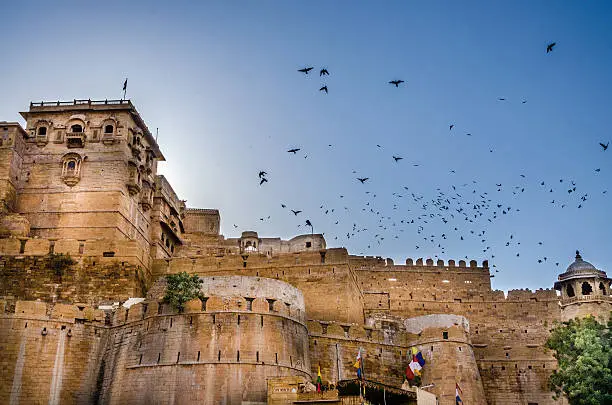
As you reach the edge of the Thar Desert, a golden wall of stone rises above the town and the sight feels almost unreal, because the fort sits high on Trikuta Hill and its yellow sandstone glows in the sun. People call it the Golden Fort and Sonar Quila, and the walls look like they melt into the desert sky when the light is soft. From far away you see tall bastions, sloping paths and layered walls, and as you come closer you notice carved balconies and small windows that hint at life inside.
Why This Fort Matters Today
This hilltop stronghold is not just a monument from the past, because families still live, pray and work inside its walls, so it feels like a small town sitting inside a castle. Shops, homestays and temples share space with narrow lanes and old houses, so you walk through daily life and history at the same time. The place also forms part of a group of famous hill forts in Rajasthan, and visitors from around the world come here to see how a desert city grew around trade and courage. For many travellers this living fort is the main reason to visit the Golden City.
Jaisalmer Fort at a Glance (Quick Facts Section)
Snapshot Table of Key Facts
This desert stronghold stands on Trikuta Hill in the western part of Rajasthan and looks over the old and new parts of town. It was built in the twelfth century by Rawal Jaisal, the Bhati Rajput ruler who moved his capital from a nearby site. People know it by many names, such as Golden Fort, Sonar Quila and Swarn Durg, all linked to its glowing stone. It belongs to the famous group of hill forts in Rajasthan and is one of the rare places where a full neighbourhood still lives inside an ancient fort.
Where Jaisalmer Fort Sits in Rajasthan
The fort rises from the heart of a city often called the Golden City, because almost every old building uses the same warm stone. The town stands in the Thar Desert near the border, so days can grow very hot and evenings turn cool and breezy. From the ramparts you can see flat roofs, temple tops and open desert stretching to the far line of the horizon. Its setting makes the place feel both remote and very alive.
Origins, Legends and Early History
Founding of Jaisalmer Fort
The story begins in the year when Rawal Jaisal looked for a safer and stronger seat for his rule, because his earlier capital near Lodurva lay open to attack. He chose a rocky hill in the middle of the desert where he could watch the land in every direction and began to build thick walls and gates. Around this new stronghold a town slowly grew, and with time the city took the name Jaisalmer to honour its founder. The choice of a high hill and hard to reach site shows how much defence mattered to desert rulers.
Myth and Prophecy Around the Fort
Local legends say a holy man once told a ruler from this clan that a great city would rise on this hill, and that the line came from the family of Krishna. Stories link the ruling clan to an old royal line called Yaduvanshi, and many people in the region still share these tales. Whether every detail is true or not, the belief in a blessed hill added a sense of destiny to the building of the fort. When you stand on the ramparts and look over the sand, it is easy to see why people felt this was a special place.
Jaisalmer on Desert Trade Routes
For many years camel caravans moved through the Thar Desert carrying spices, cloth, dyes and other goods between India and far off lands, and this hilltop stronghold watched over routes that linked the subcontinent to Central Asia and beyond. Merchants stopped in the city to rest and trade, and some grew rich enough to build grand houses and temples. Trade brought wealth, ideas and people from different regions, and that mix still shows in the art, carvings and customs you see in the town today.
Battles, Sieges and Rajput Stories
Famous Attacks and Sieges
A fort that guards trade and sits on a key route will always attract enemies, and this one saw several sieges over the centuries. Powerful rulers from other parts of India sent armies to test the strength of its walls, and some attacks went on for months at a time. Chroniclers record periods when water and food grew short but the defenders held on for as long as they could. Even when peace came, the memory of these battles stayed in local songs and stories.
Rajput Courage and Sacrifice
Stories from this desert region often speak of honour, duty and hard choices, and many tales from this hilltop fort follow the same themes. When enemies pressed at the gates, the rulers and warriors inside sometimes chose to fight until the end rather than give up their home. Folk songs and tales passed down through families talk about courage, loyalty and painful sacrifice in simple but powerful words. As you walk through old courtyards, it is easy to imagine how fear, hope and pride once filled these same spaces.
Architecture and Layout of Jaisalmer Fort
Desert Hill Fort Design
The fort sits on a rocky ridge that rises steeply from the plain, and its walls follow the edges of the hill in long, sweeping curves. Builders used yellow sandstone from nearby quarries, and the stone reflects sunlight in a way that makes the whole structure glow like metal. Thick walls help block heat and dry winds, and the dense layout inside creates shade in many lanes. The design shows a clear aim to blend defence with comfort in a harsh climate.
Walls, Gates and Bastions
Strong walls wrap the hill in several layers and rise high above the town, and round towers called bastions stand at key points to hold watch. A set of main gates leads from the town up a sloping path into the centre, and each gate forms a point where sentries could check who passed inside. The turns in the path slow movement, so a large force could never rush in quickly. Even today you feel the climb in your legs, and you can sense how hard it would have been for attackers to push heavy equipment up these slopes.
Inside the Fort: Streets and Levels
Inside the walls, narrow stone lanes twist between houses, temples and small squares, and many paths climb up or down in short steps that follow the hill. Some streets feel like quiet alleys with only a few homes, while others bustle with small shops and guesthouses. Openings in the walls or at the edge of terraces give wide views over the town and the desert beyond. The uneven ground and tight turns can feel confusing at first, so it helps to move slowly and notice small landmarks as you walk.
Important Buildings and Spots Inside the Fort
Raj Mahal and Royal Areas
Near the top of the hill, a cluster of palaces shows where the rulers once lived and held court, and the complex includes rooms with carved pillars, cool inner halls and balconies that look over the city. Some areas now serve as museum spaces where visitors can see old weapons, clothing, art and daily use objects from past centuries. Painted ceilings and stone screens remind you how much care went into decorating royal spaces. Standing in these rooms, you can picture how life might have felt for people who once lived here.
Jain Temples Inside the Fort
A group of finely carved Jain temples lies within the walls, and these shrines are known for detailed stone work on pillars, ceilings and doorways. Soft light falls on carved figures and patterns, and every corner has some small design that shows patient craft. Visitors need to dress modestly, remove shoes before entering and keep voices low, because these are active places of worship. Many people find the gentle, quiet air inside these halls a welcome break from the busy streets outside.
Residential Quarters and Everyday Lanes
Beyond the palaces and temples, much of the inner space belongs to local families and small businesses that have lived here for generations. Houses often rise two or three levels, with flat roofs and tiny courtyards that bring in air and light. It is common to see children playing in doorways, women chatting across balconies and elders sitting on low steps to watch the world pass by. When you walk through these lanes, remember that you are moving through real homes, not just a backdrop for photos.
Jaisalmer Fort as a Living Fort
People Who Still Live Inside
The most striking feature of this hilltop stronghold is that it still holds a full community, and estimates say thousands of residents call its lanes home. Many families run small shops, guesthouses or food stalls from the front of their houses and live in rooms behind or above. Priests look after temples, craftspeople work in tiny workshops and children walk to school through ancient gateways. This mix of daily routines and historic spaces makes the place feel warm and personal, not frozen in time.
Markets, Shops and Cafés
The streets inside the walls hold a wide mix of small stores and food spots, and you will see leather bags, colourful textiles, metal lamps, camel bone carvings and wooden puppets all hanging from doorways. Rooftop cafés serve tea, coffee and simple meals with wide views of the town and surrounding desert, and some even offer cosy corners to sit and watch the sunset glow on the stone. Many visitors spend time just wandering, chatting with shopkeepers and enjoying small tastes and smells at every turn.
Staying Inside the Fort vs Outside in Town
Many travellers wonder whether to book a stay inside the old walls or choose a guesthouse in the newer part of town, and both options have clear pros and cons. A stay inside the living fort gives you direct access to sunrise on the ramparts and quiet night walks through lit stone lanes, but rooms can be smaller, streets are narrow and noise from shops or rooftop spots may carry late into the evening. Some visitors also worry about water use and weight on old buildings, so they prefer to sleep outside the walls and walk in each day. A good approach is to pick stays that follow local rules, limit water waste and care for the structure, no matter where you sleep.
Key Attractions Around Jaisalmer Fort
Historic Jaisalmer Havelis
In the streets below the hill, grand mansions built by wealthy merchants show another side of desert architecture, and these houses, called havelis, line narrow streets with carved facades and overhanging windows. One famous group belongs to a set of brothers and is known for detailed front walls that look almost like lace carved in stone. Another well known mansion mixes two different sides built by rival artisans, so the front looks like two artists debating through design. A third mansion stands on tall pillars and seems to lean over the street, with windows that look like the prow of a ship. Each one gives a fresh view of life and pride in an old trading town.
Lakes, Tombs and Viewpoints
A short walk or ride from the fort, a historic lake ringed with shrines and gates offers a calm place to sit and watch birds, boats and the reflection of stone in water. In the evening a light and sound show there narrates stories from the region’s history, and many visitors enjoy this as a simple way to learn more. Slightly farther out, a field of royal cenotaphs stands on a slight rise, and the pale domes look especially beautiful at sunset when the low light paints them gold and orange. From here you can also look back toward the town and see the hilltop fort rise above the houses.
Nearby Desert, Wildlife and Villages
Beyond the city, stretches of sand and scrub hold many chances for day trips, and one of the most important areas protects rare desert plants and animals such as the Great Indian Bustard. Nature lovers often join guided trips there to learn about the fragile desert and its birds. Another popular outing leads to an abandoned village whose houses and streets stand empty, and guides share different reasons that people give for why families left the place. These trips offer a mix of history, nature and stories that deepen your visit beyond the main streets.
Pop Culture and Jaisalmer Fort
Sonar Kella and Film Connections
For many fans of classic films, this golden stronghold is tied to a famous detective story that turned the fort into a dream setting, because scenes from the film show its lanes, gateways and towers in a very vivid way. Readers of the original book and viewers of the movie often arrive with strong images in mind and look for specific spots that feel familiar. Some local guides even share short tours based on scenes and characters, and these walks add a playful layer to the visit.
Jaisalmer Fort in Photos and Social Media
The fort appears often in travel photos, posters and short clips, and its warm colour and bold shape make it easy to recognise even in small images. Popular shots include sunrise light hitting the walls from outside town, views over the flat roofs from the ramparts and evening scenes from rooftop cafés looking back at the glowing hill. Visitors who enjoy taking pictures should remember that narrow lanes can be busy and that many spaces are private homes or sacred spots, so it is wise to ask before taking close portraits or shooting inside quiet courtyards.
Conservation and Challenges Facing the Fort
Why the Fort Is Fragile
Although the fort looks strong from a distance, the hill on which it stands is made of layered rock that can crack and crumble when water seeps in, and years of leaks from pipes, tanks and drains have added stress. Heavy traffic, growing numbers of visitors and extra weight from new building work on old walls also play a role. In some parts you can see repairs, props or scaffolds where teams have stepped in to support damaged sections. All of this means that careful upkeep is vital if the place is to stay safe for future generations.
Conservation Projects and Who Is Involved
Over time, different public bodies and heritage groups have worked together to study the hill, map risk zones and carry out repairs, and they often focus on stabilising walls, improving drainage and guiding how new work takes place. These efforts take patience because old stone and crowded streets leave little space for heavy machines, so teams rely on detailed surveys and skilled craftspeople. Research also looks at how water use, waste and building loads inside the walls affect the base rock, and this knowledge shapes rules and guidelines for the area.
How Visitors Can Help
Guests may feel their actions are small, but thousands of tiny choices each day add up, so it matters how you behave. Simple steps include taking short showers, turning off taps properly, choosing stays that follow local building rules and avoiding jumping or leaning on fragile ledges. It also helps to carry back any trash, keep noise down in quiet spots and follow directions inside temples and protected zones. When enough people act with care, it eases some of the stress on old structures and daily life.
Best Time to Visit Jaisalmer Fort
Season by Season
The desert can grow very hot in the main summer months, and daytime walks on stone slopes feel tiring and hard on the body, so many people prefer to visit from late autumn to early spring when days are cooler and evenings feel pleasant. In the cooler months, mornings can be crisp but still bright, and the harsh midday sun feels less fierce, which makes it easier to explore for longer hours. Occasional winter winds can bring a slight chill at night, so a light layer helps when you stand on open terraces.
Best Time of Day for Comfort and Views
Within a single day, light and heat change quickly, and early morning offers soft light, fewer people and cooler air for climbing the steep paths. Late afternoon and early evening bring warm, golden light that deepens the colour of the stone and gives classic photo moments from both inside and outside the walls. Midday is the brightest time but also the harshest, so it works best for short indoor visits to museums or temples and for breaks in shaded cafés. Night views from outside the town, when the fort stands lit on the hill, give a very different feel again.
How to Explore Jaisalmer Fort (Step-by-Step Route)
Entry, Tickets and Timings
Most visitors reach the main gate by road from the town below, and from there a sloping path leads up through a series of gateways into the inner area. Ticket counters for palace and museum spaces sit near the main entry points, while walking the streets themselves usually stays open for long stretches of the day. Before you go, check current timings, carry some cash for small fees and keep your ticket handy as you may need to show it at more than one spot. Respect any signs about camera limits, especially inside temples and certain rooms.
Suggested Walking Route Inside the Fort
A simple route starts at the main gate and follows the rising path through a chain of gateways until you reach central squares near the palace complex, where you can explore rooms, terraces and museum displays at your own pace. From there you can step into side streets that lead to the Jain temples, visit them quietly, then return to the main lane and follow it through market areas filled with cloth, jewellery and small food stalls. Finally, continue up to a viewpoint on the ramparts to look over the town and desert before slowly winding back down through different lanes so you see new corners on your way out. This route suits a half day, and you can add breaks in cafés wherever you feel a need to rest.
Photography and Viewpoint Tips
For wide shots of the whole hilltop, many people like spots outside the town where the full outline of the walls and bastions rises from the plain, and early morning or late afternoon give the best light for this angle. Inside the walls, try to look for framed scenes where carved balconies, doorways and stepping lanes lead the eye into the picture rather than only aiming straight at famous spots. Remember that some rooftops and terraces belong to private homes or guesthouses, so always ask before climbing up for views. If you plan to take pictures of people, a friendly greeting and a clear request usually go a long way.
Visitor Problems and Simple Solutions
Dealing with Heat and Climbing
Many first time visitors underestimate how strong the desert sun can feel on stone paths, and steep slopes quickly sap energy when the day warms up, so people often feel tired or dizzy if they rush. To avoid this, wear light cotton clothes that cover skin, use a hat or scarf for shade, carry a refillable water bottle and take short breaks in shaded nooks as you climb. Good walking shoes with grip make movement on uneven stone much safer than thin sandals. Starting your visit early or later in the afternoon also helps you avoid the hottest hours.
Handling Crowds and Narrow Lanes
At busy times, certain lanes inside the walls can feel tight and noisy as visitors, shopkeepers, bikes and sometimes animals all share the same space, and this can overwhelm people who dislike crowds. A simple fix is to pick less busy hours, often early morning on weekdays, and move through the busiest streets with patience instead of trying to hurry. If you feel stuck, step into a doorway or courtyard with permission and let others pass until the flow eases. Keeping your bag close to your body and walking single file in narrow parts also makes things smoother for everyone.
Common Tourist Concerns
Visitors sometimes feel unsure about how to deal with very eager vendors or guides who follow them, and this can make the visit tense if you do not know how to respond. It helps to decide in advance how much you want to spend and where you are willing to shop, so you can say a clear but polite no when you are not interested. Agree on prices before taking services, and where possible ask your stay or a trusted local for rough rates so you have a base idea. If anyone makes you feel unsafe, move toward busier spots, step into a shop or café and ask staff for help.
Jaisalmer Fort Compared with Other Famous Hill Forts
What Makes This Fort Different
Many well known forts in Rajasthan sit on hills or near lakes, but this desert stronghold stands out because a full town still lives within its walls, and daily life mixes with history in a way you rarely see elsewhere. Its setting in the Thar Desert also gives it a very different mood from forts wrapped in green hills, and the golden stone colour feels unique. While other forts may have grander palaces or bigger gardens, this one offers the rare chance to experience an active community in a centuries old shell.
Why Many Travellers Prefer Jaisalmer
People who fall in love with this place often mention its relaxed pace, strong sense of character and the way the fort, town and desert feel closely linked. You can spend the morning in cool temple halls, the afternoon wandering old markets and the evening riding into the dunes, all in one compact area. Street life feels rich but not rushed, and locals often have time to share stories if you show interest and respect. For many, this balance of charm and scale makes it one of the most memorable stops in the region.
Responsible Travel and Ethical Choices
Choosing Where to Stay
Where you choose to sleep has a real impact on both the fort and the wider town, so it helps to pick stays that care about water use, waste handling and building rules. Before booking, look for clear notes about how the property manages these issues and read recent guest reviews with this in mind. If you decide to stay inside the walls, pick places that follow local guidelines and avoid adding extra weight or floors on old structures. If you stay outside, you can still support heritage by joining guided walks and buying from small, responsible businesses.
Supporting Local Communities
Your money can do real good when you spend it carefully, and buying crafts directly from local makers or small shops keeps more income in the community. It also helps to eat at local food spots, use licensed guides and choose desert trips run by people who treat animals well and respect the land. When you bargain, keep in mind the time and effort behind the work, and aim for a fair price that both sides feel happy with. Good conversations and connections often mean more than shaving off the last few coins.
Simple Visitor Code of Conduct
Respect here means treating the whole fort as a shared home, not just a scene for pictures, so try to keep noise low at night, dress modestly, and avoid blocking doorways or temple steps. Never write or carve on walls, do not climb on fragile ledges and keep food and drink away from sacred spaces. Put rubbish in proper bins or carry it back if no bins are nearby, and avoid feeding stray animals in ways that cause mess or health issues. These steps may sound small, but together they help keep the place clean, safe and welcoming.
FAQs About Jaisalmer Fort
1. Is Jaisalmer Fort Still Inhabited?
Yes, a large number of people still live inside the walls, and you will see homes, schools, shops and temples all sharing the same lanes. This makes the place feel like a town first and a monument second, so treat it with the same care you would give any lived in neighbourhood.
2. Why Is It Called the Golden Fort or Sonar Quila?
People use these names because the yellow sandstone walls catch the sun and glow like gold at many times of the day, and writers and filmmakers helped spread the name Sonar Quila, which means Golden Fort. The warm colour of the stone is one of the most striking features of the site.
3. How Many Hours Do You Need Inside the Fort?
For a basic visit that covers the main gates, palace, temples and a short walk through markets, plan at least three to four hours, but if you enjoy slow travel and photography, a full day lets you see the place in different lights and moods. Many people also make two shorter visits at different times of day rather than one long stretch.
4. Is It Safe to Stay Inside the Fort?
For most visitors, stays inside the walls feel safe in terms of personal security, as long as you pick a well reviewed guesthouse and follow normal care with valuables, but some people worry about the long term impact of heavy use on the structure. If this concerns you, you can choose to stay outside and spend your days inside as a visitor, or you can select stays that clearly support conservation aims and follow building rules.
5. Is Jaisalmer Fort a UNESCO World Heritage Site?
The fort forms part of a group of famous hill forts in Rajasthan recognised together on a major world heritage list, which highlights their shared value and the need to protect them. This status draws more visitors but also brings more attention to preservation and good management.
Final Thoughts: How to Make the Most of Your Visit
Simple Recap and Personal Style Suggestions
A trip to this golden hilltop stronghold works best when you give it time, move slowly and balance famous spots with quiet corners, because the real charm lies in small details like a carved balcony, a brief chat with a shopkeeper or a quiet moment in a temple hall. Plan your day around cooler hours, drink plenty of water, wear comfortable clothes and open shoes, and remember that you are walking through a living town built inside an ancient shell. When you treat every lane and courtyard with care and curiosity, you not only enjoy a richer visit but also help ensure that these same views and stories remain for the people who will come after you.