How to Call Off Work Professionally (Scripts, Texts, Emails, and What to Say)
Calling off work feels stressful because you do not want to look unreliable. Most problems come from late notice, unclear wording, or ignoring your workplace policy. A professional call off is simple. You check the rules, contact the right person, give a clear update time, and do a small handoff if needed. That keeps trust strong while you handle your health, safety, or personal situation.
Quick answer you can copy and send
You do not need a long story. You need a clear message that covers the basics. The goal is to help your manager plan coverage and know what happens next. Use these lines, then adjust the time and details to fit your shift or schedule.
Best one line text for a sick day
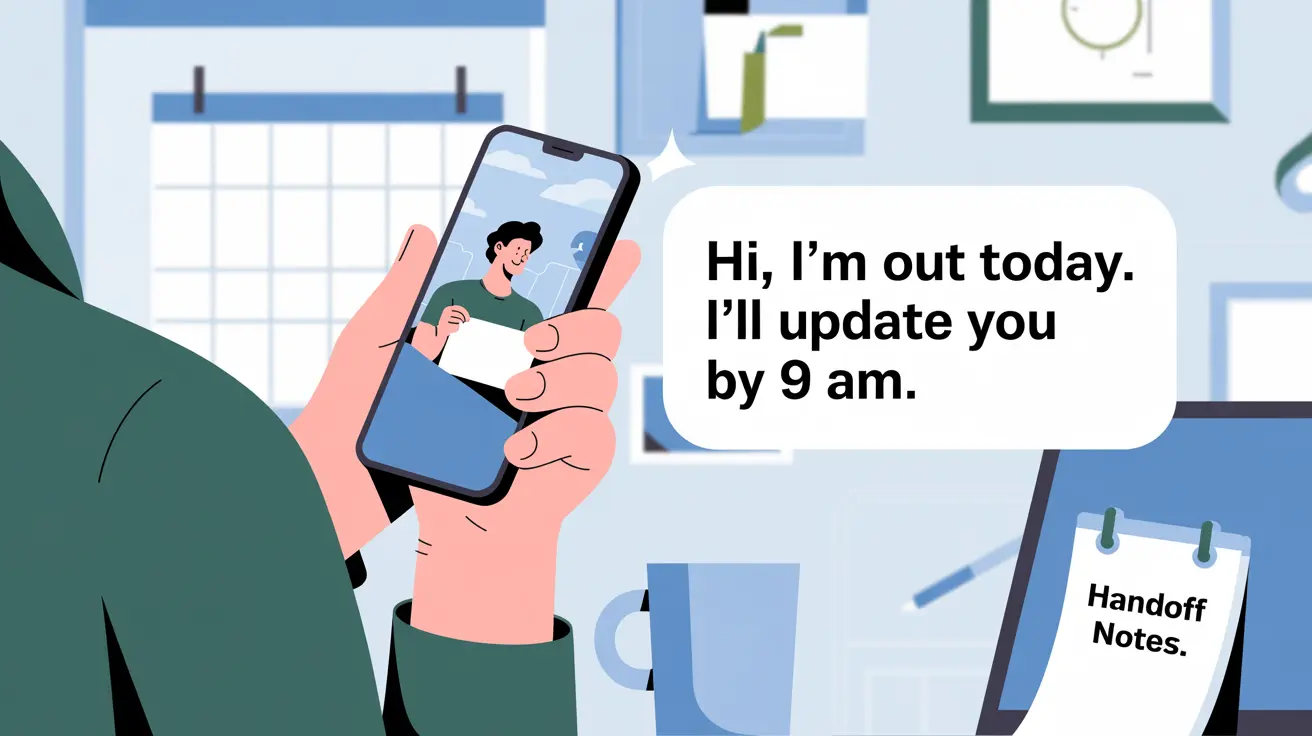
Hi [Name], I’m not feeling well today and need to take a sick day. I will update you by [time].
Best one line text for a personal day
Hi [Name], I need to take a personal day today. I will be back tomorrow and will update you by [time] if anything changes.
Best one line text for an emergency
Hi [Name], I have an emergency and cannot come in today. I will update you as soon as I can.
What to include every time (the 3 must haves)
Every message should answer three questions. Are you out today. When will you return or update. What should happen with urgent work. When you include these points, your manager does not need to chase you for clarity. It also prevents misunderstandings, especially on busy days.
Before you call off, check this first
Many people do the right thing but in the wrong way. They text when the workplace expects a call. They message a coworker instead of the supervisor. Or they forget that some teams require an email for records. A quick check of your policy reduces risk and makes your message sound calm and professional.
Read your time off policy and preferred contact method
Look for the attendance or sick leave section in your employee handbook or HR portal. Some workplaces require you to call a manager. Some accept a text message only if it is sent before a set time. Others want an email to document the absence. When you follow the preferred method, you look responsible even if the timing is not ideal.
Know the notice window and documentation rules
A notice window is the minimum time your employer expects before a shift starts. It matters most in shift work and customer facing roles. Documentation rules also matter. Some workplaces ask for a doctor’s note after multiple days. Others only ask if the absence is frequent. You do not need to argue about these rules. You just need to know them and follow them.
If you are new, on probation, or already missed days recently
When you are new, managers often judge reliability faster. That does not mean you should work sick. It means you should communicate clearly and early. Keep your message short. Offer one coverage move. Then stick to your update time. Those small habits protect your reputation.
When it is smarter to request time off instead of calling off
Calling off is for sudden problems. If you know about something in advance, request time off. Planned travel, events, and routine appointments should be scheduled when possible. Managers handle planned absences better because they can adjust staffing and deadlines early.
Decide if you should call off or switch plans
A lot of people delay because they feel guilty. They try to push through when they should rest. Or they call off when a small adjustment could work, like moving a meeting or working a short window from home. The best choice depends on safety, performance, and your role that day.
Can you work safely and effectively today
If you are dizzy, in pain, or cannot focus, work will be low quality. In physical jobs, safety is the top concern. In desk jobs, mistakes can still spread fast through emails, client work, or approvals. If you cannot do your job well, calling off is often the responsible option.
If you might be contagious, stay home
If you have a fever or flu symptoms, staying home protects your team. It also reduces the chance of spreading illness through the workplace. You do not need to list symptoms. Just say you are unwell and will update by a set time.
If it is mental load or burnout, consider a mental health day
A personal day can be a healthy choice when stress is high. Many people use a personal day to reset, sleep, and return focused. Keep your wording simple. You can say personal day or not feeling well. You are allowed to keep private details private.
If deadlines are critical, plan a quick handoff
Deadlines create pressure, but you can reduce the impact with one short note. Share the file location. State the next step. Tag the teammate who can move it forward. This takes a few minutes and often prevents a full day of confusion for your team.
If remote work is possible, offer it only if you can truly deliver
Do not offer remote work if you cannot work. That creates expectations you might not meet. If you can handle a small set of tasks, set clear limits. For example, you can say you can answer urgent messages from 2 to 3 PM only. That keeps boundaries while still helping the team.
Choose the right way to notify your manager
The best message can fail if it goes to the wrong place. Your goal is to alert the decision maker quickly. That decision maker is usually your direct manager, shift lead, or scheduling contact. If you are unsure, follow your company’s chain of command.
Phone call vs text vs email vs Slack or Teams
Phone calls work best when coverage is urgent, like shift work or front desk roles. Text is fine if your manager accepts it and your policy allows it. Email is useful for office roles because it creates a written record and is easy to forward. Slack or Teams can work well in remote teams, but only if your workplace uses it for attendance and managers actually see it early.
Best method by job type
Shift workers should call or text early so coverage can be arranged. Office workers can email and add a quick message if the manager is in meetings. Remote workers can message the manager directly and post in the team channel if that is normal. Field workers often need to call because routes and assignments may change fast.
What time to message so it lands well
Send your message as soon as you know you cannot come in. Late notice creates stress. It can also lead to missed openings, missed service, or delayed work. Early notice shows respect for the schedule and gives your team time to adapt.
If your manager is not reachable, who is next
Some workplaces have a clear backup contact. It may be a shift lead, department supervisor, or HR contact. If you do not get a response, do not keep waiting. Follow the backup path so your absence is recorded and your team can plan.
What to say when calling off work (simple framework)
You can say the right thing in two sentences. The point is not to convince your manager. The point is to communicate clearly and reduce disruption. When your message is short and direct, it is easier for your manager to act fast.
Keep it short and clear
Start with the outcome. You are not coming in today. Avoid long explanations, emotional details, or a big story. That often creates more questions. A calm, direct message looks more professional.
Give a return estimate or update time
If you expect to be back tomorrow, say that. If you are not sure, give an update time instead. Update time is powerful because it sets expectations. It also makes your absence feel managed, not random.
Offer one coverage move
This is where you earn trust. You can say you moved meetings, shared notes, or sent a handoff. Keep it realistic. Do not promise a lot. One helpful action is enough.
Avoid oversharing and avoid lies
Oversharing can backfire. It can feel uncomfortable later, and it can spread. Lying is worse because it breaks trust and can create problems if details do not match later. Keep it simple and truthful.
If asked for details, how to respond politely
If your manager pushes for details, stay calm. You can say, I’m not able to share details right now. I can confirm I will update you by [time]. This keeps privacy while staying respectful.
Copy paste scripts that work (by channel)
Use these templates and change the brackets. They are written to be short, clear, and professional. They also include an update time, which reduces back and forth.
Text message templates
Sick day: Hi [Name], I’m not feeling well and need to take a sick day today. I will update you by [time].
Doctor appointment: Hi [Name], I have a medical appointment today and cannot make my shift. I can return [tomorrow or date]. I will update you by [time] if needed.
Family emergency: Hi [Name], I have a family emergency and need to be out today. I will update you by [time].
Childcare issue: Hi [Name], childcare fell through and I need to stay home today. I will update you by [time].
Car trouble: Hi [Name], my car will not start and I cannot get in today. I will update you by [time].
Severe weather: Hi [Name], the roads are unsafe here and I cannot come in today. I will update you by [time].
Personal day: Hi [Name], I need to take a personal day today. I will be back tomorrow.
Email templates with subject lines
Subject: Out sick today
Hi [Name], I’m not feeling well and will be out today. I will update you by [time]. I left a short handoff note for [task] in [location] so the team can move forward. Thank you.
Subject: Out today due to emergency
Hi [Name], I have an emergency and cannot work today. I will update you by [time]. I flagged urgent items for [person] and added notes in [location] to keep things moving. Thank you.
Subject: Requesting a personal day today
Hi [Name], I need to take a personal day today and will be out. I will be back tomorrow. I moved today’s meetings where possible and left notes for the team. Thank you.
Phone call script
Hi [Name], it’s [Your Name]. I can’t come in today due to a health or personal issue. I wanted to let you know early. I can update you by [time]. I also shared notes on [urgent task] to help coverage.
Voicemail script
Hi [Name], this is [Your Name]. I’m calling to let you know I cannot come in today. I will update you by [time]. Please call back if you need anything urgent.
Slack or Teams message templates
Hi [Name], I’m out today and cannot work. I will update you by [time]. Notes for [task] are in [location].
Team, I’m out today. Please route urgent items to [person]. I will be back [tomorrow or date].
Best reasons to call off (bucketed so it stays real)
People often ask what counts as a valid reason. In most workplaces, the reason matters less than how you handle it. Managers want early notice, clear communication, and consistent behavior. Use these buckets to keep your message honest and simple.
Medical and health
Common reasons include illness, fever, flu symptoms, stomach issues, injury, and recovery. Medical appointments can also qualify, especially if you cannot schedule outside work hours. You do not need to list symptoms. Just say you are unwell or have a medical issue and need the day.
Emergency and family
Family emergencies happen without warning. Home emergencies can also force you to stay home, like a flood or electrical issue. Bereavement may have its own leave type. If your policy mentions bereavement leave, follow that path. You can keep details limited and still communicate clearly.
Personal and mental health
A personal day can help you recover from stress or reset after poor sleep. Mental health is health. Still, you do not need to label it. Many people choose personal day because it is private and simple. The key is to avoid frequent short notice absences if you can.
Logistics and safety
Car trouble and transport disruption are real. Severe weather can make travel unsafe. If roads are dangerous, call off early and be direct. If you can find another ride, decide quickly. Do not wait until the shift starts to make the call.
Legal and civic
Jury duty and required obligations often come with paperwork. Share the date and ask what the workplace needs. Email works well here because you can attach proof if requested.
If you need more than one day off
Day two is where people get stuck. They worry about judgment. They also worry about giving the wrong update. The best solution is simple. Update early, keep it factual, and follow policy.
How to extend the absence without sounding flaky
Send your update before the time you promised. Confirm you are still out. Share when you will update again. Example: Hi [Name], I’m still unwell and need to be out tomorrow as well. I will update you again by 9 AM tomorrow.
When to loop in HR
If your policy says to notify HR, do it. If your absence is longer, HR may guide you on leave options and paperwork. This also protects you because it creates a clear record.
What documentation might be requested and how to handle it
If your workplace requests a doctor’s note, follow the steps and ask what they need. Do not overshare medical details. A simple note that confirms you were seen is often enough.
Long term leave basics
If you think you may be out for a while, communicate that you are unsure and will update. Share a practical plan for urgent work. Ask what the workplace needs next. This keeps trust while you manage your situation.
Coverage and work continuity (what makes you look reliable)
You can be out and still be respected. Reliability is not about never missing work. It is about how you handle responsibilities when something happens.
The handoff in 60 seconds checklist
Write three lines. What is urgent today. Where the files are. What the next step is. Tag the person who can help. This keeps projects moving without you staying online all day.
How to reschedule meetings fast
If you can, reschedule from your calendar and add a short note. If you cannot, message the organizer and ask to move it. Keep it short. Suggest a couple of time windows for tomorrow or later in the week.
Out of office message examples
I’m out of the office today and will respond when I return. For urgent issues, contact [Name].
I’m out today and will reply tomorrow. For urgent items, please message [Name].
If you can work partially, how to set boundaries
If you can do a small amount, say so clearly. Give one time window. For example, I can check messages from 2 to 3 PM only. If you cannot work, do not offer access. Rest and recover.
What not to do and why it backfires
A lot of people think calling off is the problem. In reality, the problem is how they do it. These mistakes can create conflict even when the reason is valid.
Waiting until the last minute
Late notice forces your team to scramble. It also makes the absence look careless. If you know you cannot make it, message as early as possible.
Being vague, dramatic, or dishonest
Vague messages invite questions. Dramatic messages raise tension. Dishonesty breaks trust and can create long term damage. Calm and clear is always better.
Oversharing personal details
Private details can spread. They can also make you feel exposed later. Share only what is needed for scheduling and coverage.
Using weak excuses that hurt trust
Oversleeping and casual errands look irresponsible. If you need rest, call it a personal day. That sounds more mature and honest.
No showing and hoping nobody notices
No shows create anger fast. If you cannot talk, send one line. Then update when you can. This protects your record and your relationships.
After you return, do this to protect your reputation
A short follow up helps a lot. It shows you respect the team and you care about your work. It also helps you regain rhythm quickly.
The best follow up message
Hi [Name], I’m back today. Thanks for covering. I’m reviewing what I missed and will update you by [time] with my priorities.
How to catch up without chaos
Start with urgent messages and deadlines. Then check what decisions were made while you were out. Ask a teammate for a quick summary if needed. This saves time and prevents duplicate work.
How to prevent repeat issues
Some absences are random. Others can be reduced with planning. Keep backup childcare options. Set alarms earlier. Build buffer time for commuting. Take breaks before burnout grows. Small habits reduce last minute problems.
Real examples people relate to
These examples help readers choose a script that fits their job. They also make the advice feel real, not generic.
Restaurant or shift worker with coverage needs
Call the shift lead early. Ask what they need next. If your workplace expects you to help find coverage, do it quickly. If not, focus on early notice and clear updates. Do not disappear. Update at the time you promised.
Office employee with meetings and deadlines
Email your manager with a short message and an update time. Reschedule meetings if you can. Leave a short handoff note for urgent tasks. If your team uses Slack, post a short status update so others are not waiting on you.
Remote employee with async expectations
Message your manager directly and set your status to out. Post in the team channel if that is normal. Share who can cover urgent items and where notes are stored. This keeps the team moving without needing follow up questions.
Field worker who cannot do the job remotely
Call early because routes and assignments may change. Share your current job status if it matters. Give an update time. If you have equipment or keys assigned, follow your workplace process to handle that safely.
Helpful tables to include
Tables help readers scan fast. They also help search engines pull featured snippets. Keep them simple and practical.
Decision table
Create a table with situation, best contact method, how much detail, what to include, and a quick coverage move. This helps readers choose the right approach in seconds.
Message builder table
Create a table that shows reason type, one line opener, update time line, coverage line, and closing line. Readers can mix and match without overthinking.
Contact method comparison
Create a table that compares phone, text, email, and Slack or Teams. Include when each method works best and what risks to avoid.
FAQs
Should I call, text, or email?
Use the method in your workplace policy. If it is unclear, calling works well for shifts and urgent coverage. Email works well for office roles and records.
How much detail do I have to give?
You can keep details minimal. You still need to be clear that you are out and when you will update or return. That is usually enough.
How early should I notify work?
As early as you can. Early notice helps planning and shows respect for the schedule.
What if my boss does not respond?
Send the message anyway. Then follow your backup contact path if your workplace requires it. This protects your attendance record.
Can I call off for mental health?
Yes, many people use a personal day for mental health. Keep it short and focus on return timing.
What if I already called off recently?
Be extra professional. Follow policy closely. Message early, set an update time, and offer a small handoff plan.
Do I need a doctor’s note?
Some workplaces request one after multiple days or repeated absences. Check your policy and follow it.
What if I work a shift and cannot find coverage?
Notify your shift lead early. Coverage is a staffing issue in many workplaces. Offer help if you can, but do not delay the notice.
What should I say if I need two days?
Update before your promised time. Confirm you will be out tomorrow too. Share when you will check in again.
Conclusion
Calling off work is not about perfect wording. It is about timing, clarity, and respect. Follow your policy, message early, and keep it simple. Give an update time and do a small handoff when it makes sense. When you return, send a short follow up and get back on track. That is the professional way to call off work without hurting trust.