
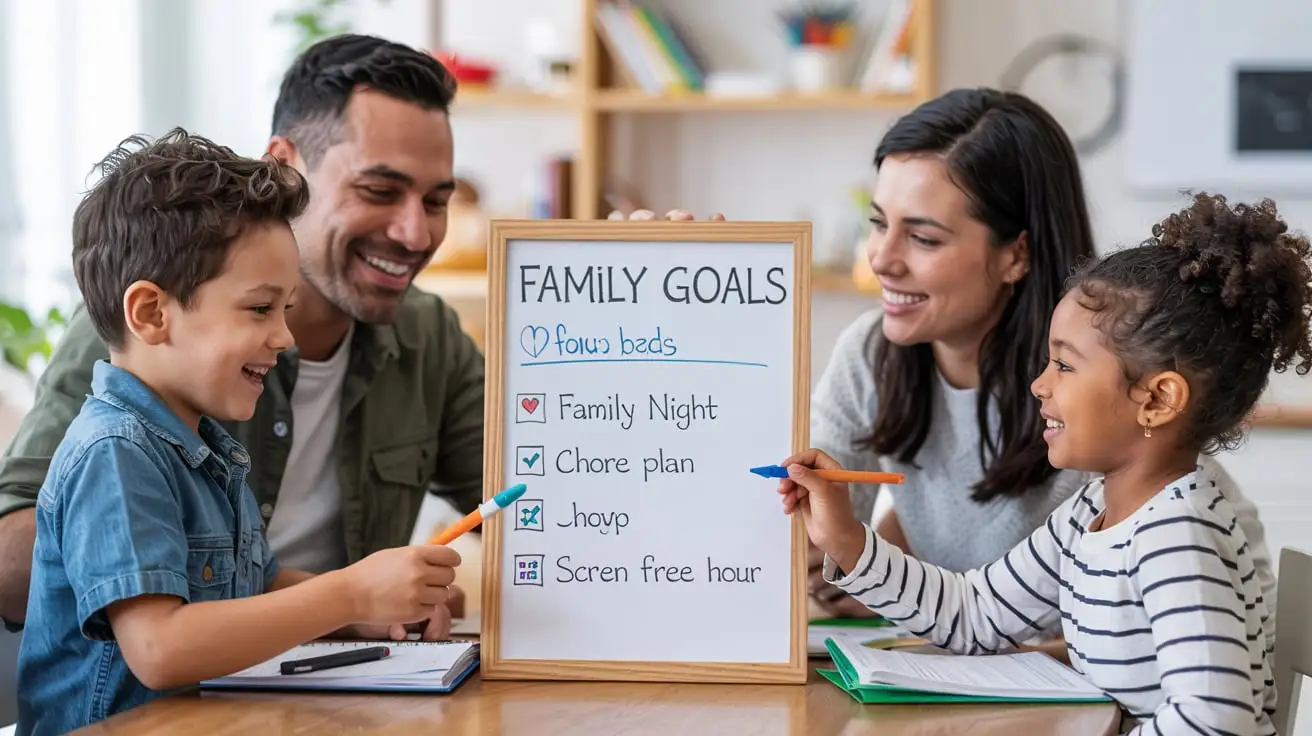
Family Goals: How to Set Them, Stick to Them, and Build a Stronger Home
Family goals are simple targets your household works on together. They can improve routines, reduce stress, and build trust. The best ones feel realistic and fit your life. They also match your family values, not someone else’s.
What Are Family Goals?
Family goals are shared plans for how your home will run. They cover habits, routines, and choices. They help everyone pull in one direction.
Family goals vs family values
Values are what you believe. Goals are what you do next. Values stay steady over time. Goals change month to month. When goals match values, they feel easier to keep.
Family goals vs resolutions
Resolutions often rely on willpower. Family goals rely on systems. A system includes a plan, a tracker, and a check in. That setup makes goals more likely to stick.
Why family goals work better than trying harder
Trying harder feels vague. Goals create clear steps. They also reduce confusion. Everyone knows what matters this week. That clarity cuts stress and helps your home feel calmer.
Why Family Goals Matter for Real Life
Goals can help your family work as a team. They also help you handle busy schedules. The win is not perfection. The win is progress you can see.
Better communication and less conflict
Many family fights come from mixed expectations. Goals make expectations clear. A short weekly check in also lowers tension. You talk before problems grow.
Stronger bonding and a sense of belonging
Shared goals create shared wins. Small wins build closeness. They also help kids feel seen. Even teens respond to steady attention.
More stability through routines and habits
Routines reduce daily decision fatigue. They also save time. A predictable bedtime routine can change evenings. A steady dinner plan can reduce chaos.
Less stress through planning and shared responsibility
When one person carries everything, burnout happens. Goals spread the load. Clear owners help too. Shared responsibility makes home life feel fair.
Before You Set Goals: Start With Your Family Values
If you skip values, goals can feel forced. Start with what matters most. Keep it simple.
How to choose 3 to 5 core family values
Pick values you want to live out at home. Choose words you can explain to a child. Examples include kindness, respect, health, learning, and faith. Do not pick ten values. Pick a few you can repeat often.
Turning values into a simple family mission statement
A mission statement is one short sentence. It describes the home you want to build. Keep it clear and warm. Here is a simple model. We treat each other with respect, we help, and we learn every week.
How values guide decisions when life gets busy
Busy weeks test your priorities. Values help you choose what to keep. If health matters, you protect sleep. If connection matters, you protect one shared meal. Values act like a filter when time feels tight.
How to Set Family Goals That You Actually Keep
The best family goals are small and clear. They also have a plan. A plan includes a timeframe, a tracker, and a check in.
Pick one focus area at a time
Most families fail by choosing too much. Pick one main focus for the month. Add one or two support habits only. This keeps the plan doable.
Make goals realistic and measurable
Make the goal easy to measure. Use numbers or clear actions. Aim for progress, not perfection. A strong example is three family dinners per week. A weak example is communicate better.
Decide owners and shared accountability
Every goal needs an owner. The owner keeps it visible. The whole family still shares the work. This avoids the problem where one parent does everything.
Choose a timeframe: short term vs long term goals
Short term goals run one week to one month. Long term goals run three months to a year. Short term goals build momentum. Long term goals build identity.
Plan milestones and celebrate wins
Milestones keep motivation up. They show progress. Celebrate in simple ways. A movie night works. A special breakfast works. The reward should fit the family and the budget.
The Family Goal Setting Meeting
A short meeting can save hours later. Keep it calm and short. Ten to fifteen minutes is enough.
Quick check in questions to start the meeting
Ask three questions. What went well this week. What felt hard. What do we want to improve next week. Let everyone speak, even kids.
Agree on 1 main goal and 2 supporting habits
Choose one goal that matters most right now. Then choose two small habits that support it. Example goal is calmer mornings. Support habits could be packed bags at night and a set wake up time.
Set a weekly check in and a tracking method
Pick one day for a check in. Sunday works for many homes. Choose a tracker that feels easy. A fridge checklist works. A calendar checkmark works. Keep the tracker visible.
How to handle disagreements without blame
Disagreements happen. Do not debate character. Debate the plan. Ask what feels hard about this goal. Then lower the effort needed. A smaller goal is better than no goal.
Family Goals Examples by Category
Use these ideas as a menu. Choose what fits your life. Then make it specific.
Relationship and communication goals
Aim for small consistent moments. Try one shared meal most days. Try one on one time with each child each week. Try a weekly family meeting. If conflict is common, set a goal for calm repair. That can be a five minute talk after a disagreement.
Health and wellness goals
Choose goals that reduce stress. Focus on sleep first. A sleep routine helps adults and kids. Add a simple movement goal like a daily walk. If screens cause fights, set a screen free hour in the evening. Keep it realistic and consistent.
Financial goals and budgeting goals
Money goals should reduce worry. Start with a small emergency fund goal. Use a simple budget that tracks fixed costs and flexible spending. If you can, automate savings. Even small weekly transfers build momentum.
Home routines and chores goals
Chores work best with clear rules. Set a goal for shared chores with a visible chart. Rotate tasks weekly. Define what done means. If clutter causes stress, set a ten minute tidy time each day. Keep it short so it feels easy.
Learning, reading, and life skills goals
Make learning fit real schedules. Set a reading goal like ten minutes a day. Build one life skill each month. Cooking one meal together can count. So can laundry skills for teens. Keep it practical and age based.
Fun, traditions, and quality time goals
Fun goals protect connection. Plan one family night each week. Keep it simple. Games, a walk, or a home movie night works. Build small traditions too. A weekend breakfast ritual can become a strong anchor.
Community service and kindness goals
Service goals build character and purpose. Choose one small act each month. Donate items you no longer use. Help a neighbor. Volunteer for a local cause. Keep it aligned with your values.
Faith based goals
If faith matters in your home, make it practical. Set a goal for a short family devotion time. Add a simple prayer habit. Keep it consistent and gentle. Avoid pressure that makes it feel heavy.
Family Goals by Age Group
Goals work best when they match a child’s stage. A goal that fits a toddler will not fit a teen. Adjust the plan as kids grow.
Goals for families with toddlers and young kids
Focus on routines. Bedtime, meals, and kindness are key. Use visuals and simple rewards. Keep goals short and repeatable.
Goals for school age kids
Add responsibility and learning habits. Chore routines help. Reading goals help. A homework routine can reduce stress. Keep the plan clear and predictable.
Goals for teens
Teens want respect and choice. Involve them in goal picking. Focus on life skills and independence. Consider goals like managing a weekly schedule or saving money for a personal goal.
Goals for mixed age households
Use one shared family goal. Then add age based roles. A shared goal could be calmer mornings. Young kids can pick outfits. Teens can help prep breakfast. This keeps the plan fair.
Tracking Family Goals Without Making It Feel Like Homework
Tracking should feel light. If it feels heavy, people quit. Choose the simplest method that still shows progress.
The easiest tracking options
A fridge checklist works well. A whiteboard works well. A calendar with checkmarks works too. You can also use a shared family calendar app. Choose one method only.
Weekly check ins vs daily tracking
Daily tracking works for simple habits. Weekly check ins work for bigger goals. Many families do best with weekly check ins and light daily marks. Keep it short so it stays consistent.
How to adjust goals when you fall behind
Falling behind is normal. Do not quit. Ask what broke. Was the goal too big. Was the time wrong. Was the tracker hidden. Then lower the goal or change the plan. Small resets keep the system alive.
How to keep motivation without pressure
Motivation grows when effort feels fair. Praise the process. Celebrate consistency. Avoid comparing siblings. Use rewards that fit your values, like quality time.
Common Problems Families Face With Goals and Fixes That Work
Most problems come from overload, unclear roles, or stress. These fixes keep your plan stable.
We are too busy
Busy schedules break goals fast. Pick one goal and make it small. Tie it to something you already do. A goal linked to dinner or bedtime fits better than a new activity.
Kids resist or do not care
Kids resist when goals feel like control. Give them a choice inside the goal. Let them pick the family night activity. Let them pick the tracking sticker. Make the goal about the family, not just rules.
One parent does all the work
This is common and it hurts. Set owners for tasks. Share the planning and the tracking. Keep roles visible. If needed, start with one shared task per week and build from there.
Too many goals at once
Too many goals create guilt. Cut the list. Keep one main focus area. Add two support habits only. When those work, add more later.
Screen time battles
Screen fights can drain everyone. Set clear time windows. Use a screen free hour before bed. Replace screen time with a plan, not a lecture. Keep the rule consistent so it feels fair.
Giving up after a bad week
A bad week does not mean failure. It means the plan needs a tweak. Keep the check in. Restart with a smaller version of the same goal. Momentum returns when the goal feels doable.
Goal Ideas That Support School Without Turning Home Into a Classroom
School stress spills into home fast. Goals can help if they reduce friction, not add pressure.
Homework routines that reduce stress
Set a consistent homework start time. Keep the space ready. Use short focus blocks with breaks. If homework causes fights, focus on setup and calm, not perfection.
Reading and learning habits that fit real schedules
Keep reading short and daily. Ten minutes works. Tie it to bedtime or after dinner. Let kids choose books that interest them. Choice increases consistency.
Parent involvement and home school alignment
Stay in light contact with teachers if needed. Track one key need, like bedtime or a morning routine. When home routines improve, school days often improve too.
A Simple Family Goals System You Can Repeat Every Month
This system keeps goals from fading. It also keeps your home flexible.
Choose one monthly focus area
Pick the biggest pain point right now. It might be mornings, sleep, money stress, or clutter. Pick one area only.
Pick 2 to 3 habits that support the goal
Choose small habits that move the goal forward. Make them simple. Make them easy to repeat.
Track progress with one simple method
Use one visible tracker. Keep it where you will see it daily. Visibility drives consistency.
Review, reset, and keep what works
At month end, review what helped. Keep the habits that worked. Drop the ones that felt heavy. Then choose the next focus area.
Family Goals Template
Use these templates to create clarity fast. Keep them short.
Family mission statement template
We are a family that values respect, kindness, and growth. We communicate with care. We help each other and keep learning.
Monthly goals template
Monthly focus area is.
One main goal is.
Two support habits are.
Owner is.
Tracking method is.
Weekly check in day is.
Weekly check in template
What went well.
What felt hard.
What do we change next week.
What is one small win to celebrate.
Family goals table format
| Goal area | Main goal | Timeframe | Owner | Tracker | Obstacle | Fix |
|---|---|---|---|---|---|---|
| Home routines | Calmer mornings | 30 days | Parent A | fridge checklist | late nights | earlier bedtime routine |
| Relationships | Family night weekly | 8 weeks | Shared | calendar mark | busy weekends | choose weekday |
| Wellness | Screen free hour | 21 days | Parent B | whiteboard | pushback | replace with game |
Frequently Asked Questions About Family Goals
What are family goals?
They are shared targets that improve how your home runs. They can focus on routines, relationships, health, or money. They work best with a clear plan and a simple tracker.
How many family goals should we set at once?
Start with one main goal. Add two small habits only. More than that often feels heavy. You can add more after the first goal sticks.
How do we set goals with kids who resist?
Give kids a voice. Let them choose between two goal ideas. Let them help pick the reward. Keep the goal small and visible.
What if parents disagree on goals?
Start with the shared problem. Then choose a small goal that both accept. Avoid big debates. Test the goal for two weeks and review.
How do you track family goals simply?
Use a visible tracker like a fridge checklist. Add one weekly check in. Keep tracking quick so it does not feel like homework.
Are family goals the same as family values?
No. Values are what you believe. Goals are what you practice. Goals should match your values so they feel natural.
What are good family goals for a year?
Year goals should stay broad and realistic. Examples include stronger routines, better money habits, and more quality time. Break year goals into monthly focus areas.
Conclusion
Family goals work when they match your values and fit your real schedule. Start with one focus area and keep the goal small. Track it with one simple method and do a short weekly check in. Adjust when life gets messy and keep the habits that help. If you want a fast start, pick one goal for this month and set your first check in day today.