Crisologo Museum: Complete Visitor’s Guide to Vigan’s Political Heritage Site
The Crisologo Museum is a century-old ancestral mansion in Vigan City showcasing the life and 1970 assassination of Congressman Floro S. Crisologo. This political heritage museum operates on free admission with donations encouraged and opens daily from 8:30 AM to 4:30 PM. Visitors see authentic assassination exhibits, colonial artifacts, and the bullet-ridden car from a 1961 ambush attempt.
Walking through this historic house feels different from typical Filipino tourist attractions. The museum displays bloodied clothing and personal belongings arranged as if the family just stepped out. Located on Liberation Boulevard near Calle Crisologo, it tells a story about political violence, family resilience, and unsolved mysteries.
Essential Visitor Information
Location and Access
The museum sits on Liberation Boulevard at A. Reyes Street in Vigan City, Ilocos Sur. Walk 7 to 8 minutes from the famous Calle Crisologo cobblestone street or take a tricycle for 10 to 20 pesos. GPS coordinates are 17.570457, 120.387716 for precise navigation.
Operating Hours and Admission
Morning sessions run from 8:30 AM to 11:30 AM, then the museum closes for lunch break. Afternoon sessions operate from 1:30 PM to 4:30 PM daily, including most holidays. Admission is free, but staff expect donations between 20 to 100 pesos for maintenance costs.
Plan to spend 30 to 45 minutes exploring both floors. History enthusiasts often stay up to an hour reading exhibits and asking questions. Photography is allowed throughout the museum for personal use.
The Story Behind the Museum
Who Was Floro Crisologo
Floro S. Crisologo served as congressman representing Ilocos Sur during the 1960s and 1970s. His legislative work shaped national programs still active today, particularly the Social Security System that serves millions of Filipino workers. He also authored laws establishing the University of Northern Philippines, expanding educational access across Northern Luzon.
Before his death, Floro was drafting legislation to abolish the death penalty. He believed that “death was not the solution to stopping crime.” That irony becomes painful when viewing his assassination exhibits.
The 1970 Assassination
On a Sunday in October 1970, an unidentified gunman shot Congressman Crisologo in the head during mass at St. Paul’s Cathedral. He died instantly, and the killer was never caught. This murder occurred during what historians call a “bloody period in Philippine politics.”
The family’s response proved surprising. Carmeling Crisologo and her children publicly announced they would not seek revenge. Instead, they transformed their ancestral mansion into this public museum to preserve Floro’s legacy.
Governor Carmeling’s Survival
Nine years earlier, gunmen ambushed Carmeling’s car in Bacsil, San Juan, Ilocos Sur. She was pregnant while serving as provincial governor. The attackers riddled her old Chevy with bullets, but she survived and named her child “Bullet.”
That same car now sits on the museum’s ground floor with bullet holes preserved. Standing next to that vehicle makes political violence feel immediate rather than abstract.
What You’ll See Inside
Ground Floor Highlights
An antique calesa greets visitors near the entrance. This traditional Filipino horse-drawn carriage still gets used for film productions and weddings. The ambush car sits nearby, stopping most visitors as they count the bullet holes.
The law office contains Floro’s original desk, books, and working papers where SSS legislation took shape. A library area displays extensive news clippings about the family, mostly covering the assassination aftermath.
The central exhibit shows clothing worn during the assassination along with crime scene photographs. This section carries emotional weight that some visitors find overwhelming.
Colonial Era Artifacts
Additional ground floor displays include pottery tools, rice grinding implements, and indigenous Filipino headgear from various regions. These artifacts demonstrate daily life for wealthy political families during Spanish colonial times.
Second Floor Living Spaces
The master’s bedroom contains personal possessions arranged as if frozen in time. Period furniture from the Spanish colonial era fills rooms with ornate beds, dressers, and wardrobes. Family clothing still hangs in closets.
The colonial kitchen shows antique cooking implements and worn walls speaking to decades of use. Tools for grinding rice and native cooking equipment demonstrate traditional Filipino food preparation methods.
Practical Concerns and Solutions
Dealing With the Heat
The museum lacks air conditioning in most areas, creating real discomfort during visits. The second floor and colonial kitchen get particularly hot because heat rises and ventilation is limited. Expect temperatures around 85 to 95 degrees Fahrenheit inside.
Visit during the morning session between 8:30 and 11:00 AM for cooler conditions. Bring water and wear light, breathable clothing. Afternoons from March to May feel especially oppressive.
Understanding the Donation System
Staff expect contributions before you proceed through the museum, which confuses some visitors. The museum operates without government funding, so the Crisologo family maintains this century-old mansion entirely through visitor donations.
Budget travelers can donate 20 to 30 pesos comfortably. Standard visitors typically give 50 to 75 pesos. Those supporting preservation efforts often contribute 100 pesos or more. Donate upfront to avoid awkward interactions with staff.
Preparing for Emotional Impact
The museum doesn’t offer the emotional buffer most heritage sites provide. Standing near exhibits showing how someone died creates a heavy atmosphere. The bloodied clothing display particularly affects visitors because these are actual garments worn during real murder.
Parents should carefully consider whether this content suits their children. Kids under ten might find it boring or upsetting. Teenagers interested in history will likely appreciate the authenticity.
How It Compares to Other Vigan Museums
The Syquia Mansion presents elegant colonial architecture and presidential heritage celebrating Elpidio Quirino. It costs 30 to 50 pesos with guided tours and showcases refined Spanish colonial design with less emotional heaviness.
The Padre Burgos House focuses on religious history and GomBurZa martyrs. Located 11 kilometers from Vigan in Magsingal, it operates as part of the National Museum system.
Crisologo offers the most unique experience with its raw approach to political violence and unsolved mysteries. You can find elegant Spanish colonial mansions elsewhere, but few places display assassination artifacts with such unflinching honesty.
Making the Most of Your Visit
Best Time Strategy
Arrive right at 8:30 AM opening to beat heat and crowds. The first hour provides optimal conditions for photography and quiet reflection. Natural lighting works best around 9:00 to 9:30 AM.
Ask the museum caretaker about stories not included in written displays. Staff often know fascinating details about the family, assassination investigation, or daily life in the mansion.
Combining With Other Sites
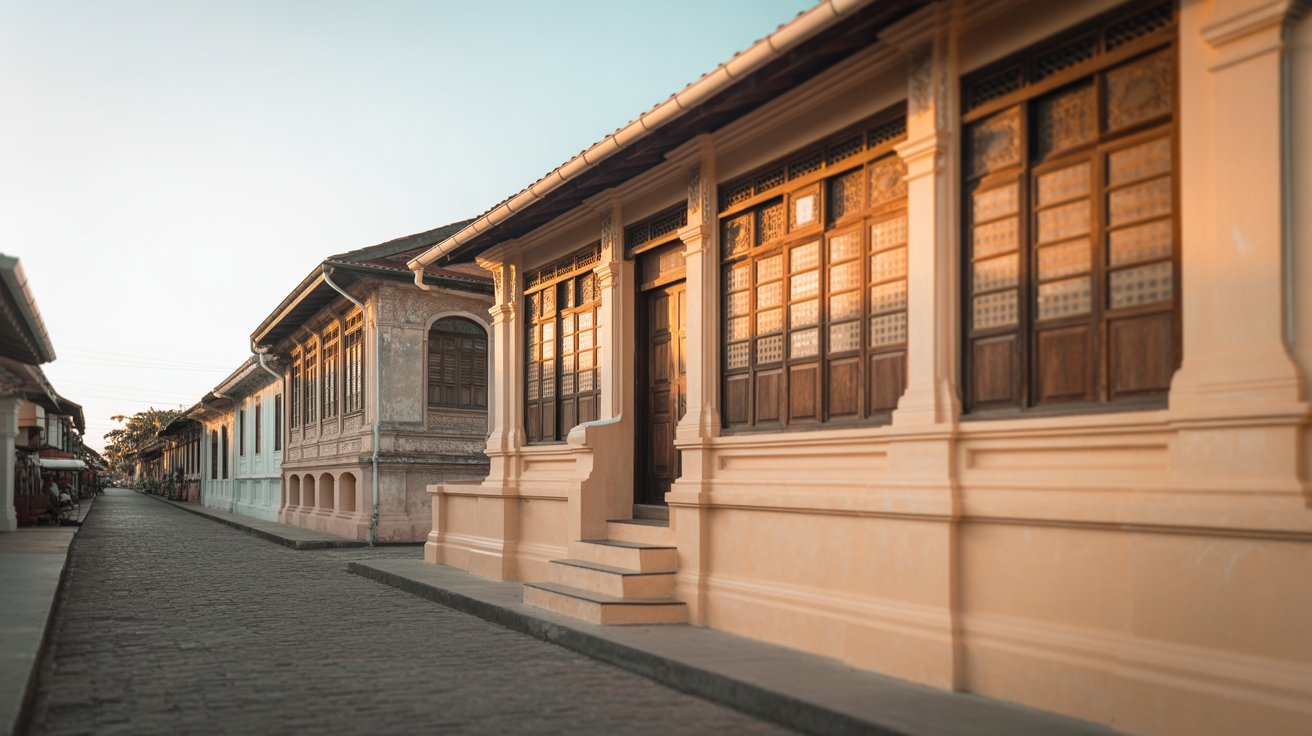
After the museum, walk 5 minutes to Café Leona for coffee and Vigan longganisa breakfast. Spend 30 minutes strolling the famous Calle Crisologo cobblestone street with its Spanish colonial houses and pottery shops.
The Vigan Cathedral sits 8 minutes away on foot. This is where Floro attended his final mass before the assassination. Syquia Mansion provides a nice contrast to Crisologo’s intensity with its refined colonial elegance.
Final Assessment
The Crisologo Museum serves visitors who value authenticity over comfortable tourist experiences. For 50 to 100 pesos and 45 minutes, you get an unusually honest look at Philippine political violence and its aftermath.
The museum proves that powerful storytelling doesn’t require expensive technology or perfect curation. The family’s willingness to share trauma and vulnerability creates impact that slick design cannot replicate. Plan your logistics carefully: arrive early, dress for heat, bring cash for donations, and prepare emotionally for heavy content.
Whether drawn by political history, true crime interest, or colonial architecture, the museum offers something you won’t find duplicated elsewhere in the Philippines.