
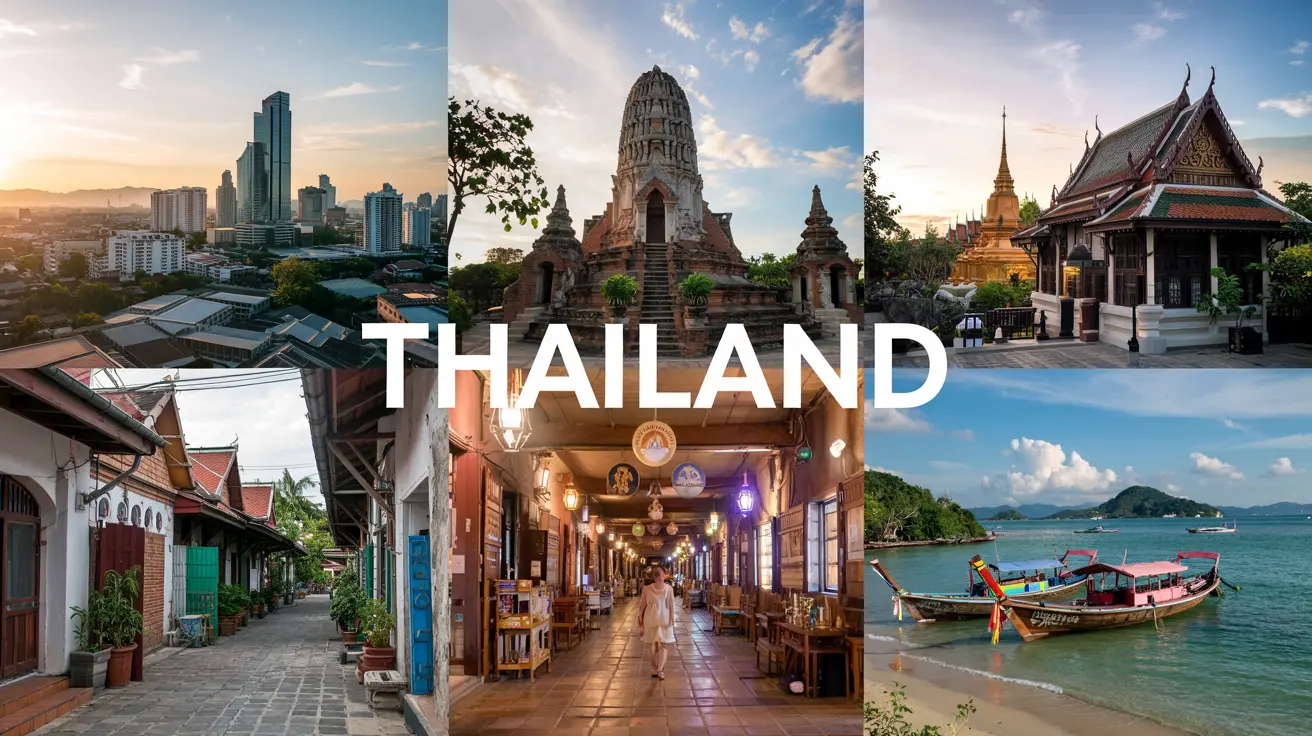
Cities in Thailand: How to Pick the Right Places for Your Trip
Thailand has huge cities, calm river towns, beach hubs, and old capitals with temple ruins. Most travel stress comes from trying to see too much. The smarter move is to choose one or two base cities, then add easy side trips. This guide helps you do that with clear, practical picks.
How to Choose the Right Cities in Thailand
Start with your trip style
If you pick cities that match your style, the whole trip feels easier. Think about what you want most. Food and big city energy. Temples and slower mornings. Beaches and boat days. History sites. Nightlife. Nature. Once you know your top two, your list of cities gets shorter fast.
Pick 1–2 base cities, then add short side trips
A base city saves time, money, and decision fatigue. You unpack once. You learn the area. Then you do day trips or one night add ons. Bangkok works like this for central Thailand. Chiang Mai works like this for the north. Phuket or Krabi can work like this for the south.
Think in regions, not just famous names
Thailand makes more sense by region. The north feels cooler and more relaxed. Central Thailand is fast and convenient for history trips. Isaan near the Mekong feels more local. The south is about beaches, islands, and national parks. The east is good for quick beach breaks.
Thailand’s Regions at a Glance
Northern Thailand
This is where you go for temples, mountains, and night markets. Chiang Mai is the main base. Chiang Rai adds iconic temples and day trips near the Golden Triangle.
Central Thailand
Bangkok is the hub. From there you can reach old capitals and river towns. Ayutthaya, Lopburi, and Kanchanaburi are common add ons because they are doable without changing hotels too many times.
Northeast Thailand
This region is often called Isaan. It has a slower pace and strong local culture. Cities like Nong Khai, Udon Thani, and Ubon Ratchathani work well if you want fewer crowds and more everyday Thailand near the Mekong River.
Southern Thailand
This is your beach and island zone. Surat Thani works as a gateway for islands and Khao Sok. Krabi and Phuket are popular bases, with very different vibes depending on where you stay.
Eastern Thailand
This is the quick escape region from Bangkok. Pattaya is the big name. Rayong and Chanthaburi can feel calmer, with a more weekend travel vibe.
Best Cities in Thailand for First Time Visitors
Quick answer for planning
If you want a simple first trip plan, start with these three:
- Bangkok for food, shopping, and day trips
- Chiang Mai for temples and a calmer pace
- Ayutthaya for a history day trip or one night stop
Bangkok
Bangkok is busy, loud, and exciting. It is also the easiest place to land, recover, and plan the rest. You can mix temples with markets and river views in the same day. Aim for two to four days if it is your first time. A common mistake is staying far from transit, then losing hours in traffic. Use the BTS Skytrain for many areas and plan your sightseeing in clusters.
Chiang Mai
Chiang Mai is a solid counterbalance to Bangkok. It feels slower and easier to navigate. The old city temples are simple to explore on foot, and Doi Suthep adds a classic half day trip. Plan three to five days if you want a relaxed feel with night markets, cafes, and day trips.
Ayutthaya
Ayutthaya is one of the easiest history trips from Bangkok. It is known for temple ruins and the old capital story. If you only have one day, go early and focus on a few key sites. If you stay one night, you can see the park with softer light and fewer crowds. It is a great fix for travelers who feel Bangkok is too intense.
Best Cities in Thailand for Culture and Temples
Chiang Rai
Chiang Rai works best as a one to three day add on from Chiang Mai. The White Temple is the big draw. The Blue Temple and the Black House museum round out an easy temple loop. If you want to add geography and border history, the Golden Triangle area fits naturally into the same part of the trip.
Sukhothai
Sukhothai is a strong choice for travelers who want deep history without the rush. The historical park layout makes it easy to plan a clean half day loop, then rest. Sukhothai is also part of a UNESCO World Heritage listing, which adds credibility if you want “must see” heritage stops on your itinerary.
Lopburi
Lopburi is often used as a quick add on from Bangkok or Ayutthaya. It has older temple sites and a more small city feel. It is useful when you want history but you do not want another big tourist center. The main planning issue is timing. A short visit works better than trying to force it into a packed day.
Surin
Surin is not a classic first trip stop. That is exactly why it can be a good choice. It gives you a more local rhythm and cultural angle. It fits travelers who are returning to Thailand, or anyone who wants to move away from the Bangkok to islands pattern.
Best Cities in Thailand for Beaches, Islands, and Sea Views
Phuket Old Town
Phuket is not only beaches. Phuket Old Town adds architecture, cafes, and walkable streets. It suits travelers who want a town base and beach day trips, not only resort life. The common mistake is choosing the wrong base for your style. If you want quiet evenings and easy food choices, Old Town can feel better than a loud beach strip.
Krabi Town
Krabi Town is a practical base if you want day trips and boat tours, but still want a town feel at night. It can also be a budget friendly base compared with beach areas. The key is to confirm where you will spend most time. If your plan is beaches every day, stay closer to the coast. If your plan is tours and early starts, town bases can work well.
Surat Thani
Surat Thani is a travel hub more than a sightseeing city. Use it when you want to connect Bangkok to islands, or when you want to reach Khao Sok National Park without messy transfers. A common problem here is wasted time. People arrive late, miss connections, and lose a day. The fix is simple. Align your flight, ferry, and hotel check in times before you book.
Pattaya
Pattaya is close to Bangkok, so it is popular for short trips. It mixes beaches, nightlife, and quick attractions. It works best for travelers who want convenience and do not mind a busy vibe. The common issue is expecting a quiet beach town. If you want calm, look at Hua Hin, Rayong, or quieter islands instead.
Hua Hin
Hua Hin is a calmer coastal option. It suits couples, families, and anyone who wants a beach break without heavy party energy. It can also work as a soft landing after Bangkok if you want to slow down.
Best Cities in Thailand for Nature, Rivers, and Slow Travel
Kanchanaburi
Kanchanaburi is a strong nature and history blend. It is known for river scenery and WWII related sites, including the Bridge on the River Kwai and the Death Railway story. It is also a good place to slow down for a night or two after Bangkok.
Nong Khai
Nong Khai sits by the Mekong River and feels calmer than many mainstream stops. It is a good choice if you want local markets, river walks, and a slower border town rhythm. It also suits travelers who want to explore the northeast without committing to a long list of stops.
Sangkhlaburi
Sangkhlaburi is for travelers who do not mind extra travel time. It has a remote feel and a different cultural mix. The main problem here is overplanning. Keep your schedule light. Build in rest time. The area feels better when you are not rushing.
Phetchaburi
Phetchaburi works well as a stop between Bangkok and the south. It adds old town charm and nearby sights without forcing a major detour. It is a useful solution for people who feel their route is only big cities and beaches.
Cities in Thailand by Size and Urban Feel
Thailand’s biggest urban centers beyond tourist lists
Thailand’s travel conversation often ignores large working cities. That can limit your topical depth. You can mention major centers like Nonthaburi, Nakhon Ratchasima, Udon Thani, Hat Yai, and Ubon Ratchathani as “real Thailand city scale” examples. This helps readers who want to understand where people actually live and work, not only where tourists go.
Mid size cities that work well as bases
Mid size hubs can feel easier than Bangkok, but still have services, hotels, and transport. Places like Chon Buri, Rayong, Nakhon Pathom, and Lampang can fit specific routes or repeat visits.
How bigger city scale changes your trip
Big cities mean more traffic, more choices, and more time lost if you plan poorly. The fix is to choose one neighborhood base, group sights by area, and use transit when possible. Small cities mean fewer choices but easier days. The fix there is to plan meals and transport a bit earlier, since options can close sooner.
Sample Itineraries That Actually Work
7 days Northern Thailand
Spend four to five days in Chiang Mai. Add a one to two day trip to Chiang Rai for the signature temples. Keep one buffer day for a market night, a massage, or a slow cafe morning. This buffer makes the trip feel human, not like a checklist.
10 days classic Thailand with islands
Start with Bangkok for three days. Add Ayutthaya as a day trip or one night. Fly south and use Surat Thani as a connection point if your goal is islands or Khao Sok. Then choose one island area and one beach base, not three. This solves the most common problem on first trips, which is constant packing and checking in.
14 days balanced trip
Use Bangkok and Chiang Mai as your two bases. Add either Sukhothai for heritage depth or Kanchanaburi for rivers and slower nights. End with a southern base like Krabi or Phuket. This route feels full, but not chaotic.
Short trips of 3 to 5 days
If you only have a few days, do not try to split the country. Choose Bangkok plus one close add on, like Ayutthaya or Hua Hin. Or choose Chiang Mai only. Or choose Phuket only. You will see more by moving less.
When to Visit Thailand’s Cities
Best time for Bangkok and Central Thailand
The most popular weather window across much of Thailand is November to February, when conditions are cooler and drier. This is when Bangkok and day trips feel easiest.
Best time for Northern cities
Northern Thailand also tends to feel best in the cooler months. If you hate heat, this matters even more in Chiang Mai and Chiang Rai.
Best time for southern beach cities
The south can vary by coast, so travelers get confused. One simple way to plan is to check which side of the peninsula you will spend most time on, then match your trip to that weather pattern. Some guides note that the Gulf side can be a better bet in April to September.
Festival timing that helps planning
If you want a cultural hook, Loy Krathong is often linked with places like Sukhothai. It can shape your dates if you enjoy festivals, but it should not be the only reason you choose a city.
Getting Around Thailand Between Cities
Flights vs trains vs buses
Flights save time on long distances, especially if your trip is short. Trains can be a good fit for slower travel and comfort, depending on your route. Buses can be simple for shorter hops and can save money. The planning problem is booking without checking travel time door to door. Always include the ride to the station or airport, plus check in time.
Bangkok transit basics
Bangkok traffic is the number one time killer for visitors. The simplest fix is to use the BTS Skytrain for many popular areas and build your day around stations. Choose a hotel within a short walk of a station if possible.
Island connections without stress
Island travel often takes longer than people expect. The solution is to treat transfer days as travel days, not sightseeing days. Avoid tight connections late in the day. If you must connect, arrive earlier and sleep near your departure point.
Where to Stay in Each City
Bangkok neighborhoods that make sightseeing easier
Your goal is to reduce travel time. Stay near transit and near the areas you will visit most. If you want markets and shopping, choose a central base. If you want river views and temples, choose a base that makes river access easy. The wrong base turns every day into a commute.
Chiang Mai areas that match your style
The old city fits temple walks and classic sightseeing. Nimman fits cafes and a modern vibe. Riverside areas can feel calmer. The common mistake is choosing a place that is far from your daily plans, then relying on rides all day.
Phuket base decisions
Phuket Old Town suits food, cafes, and architecture. Beach areas suit swim days and nightlife. The fix is to decide what you want at night, since that is when long rides feel worst.
Krabi and Pattaya base decisions
In Krabi, confirm whether your priority is tours or beach time. In Pattaya, confirm whether your priority is nightlife or a quick escape from Bangkok. These two choices control your best area more than any “top hotel” list.
Safety and Travel Tips for Thailand’s Cities
Simple street smart rules
Most safety issues are small and avoidable. Keep your phone secure in crowded places. Do not flash cash. Use official taxi apps or known transport options when possible. Confirm prices before you sit down for long rides or tours. If something feels rushed, slow it down.
Emergency numbers travelers should know
If you need help, Thailand uses 191 for general emergencies, 1669 for an ambulance, 199 for fire, and 1155 for Tourist Police support. Tourist Police can be helpful when language is a barrier.
Food and markets
Street food can be one of the best parts of a Thailand trip. If you worry about getting sick, start with busy stalls, hot cooked items, and clean looking prep areas. If you have a sensitive stomach, keep a simple rule. Try one new thing at a time.
FAQ: Cities in Thailand
What are the easiest cities for a first trip?
Bangkok and Chiang Mai are the simplest bases. Add Ayutthaya as a day trip or one night for history.
Which cities are best for temples and culture?
Chiang Mai, Chiang Rai, Ayutthaya, and Sukhothai are strong picks if temples and heritage are your focus. UNESCO listings can add confidence for Ayutthaya and Sukhothai.
Is Chiang Mai better than Bangkok?
It depends on your style. Bangkok is fast, intense, and full of variety. Chiang Mai is calmer and easier for slow days. Many travelers enjoy both because they balance each other.
Is Phuket Old Town worth staying in?
Yes, if you want walkable streets, cafes, and a town feel at night. If you want to wake up on the beach every day, stay closer to the coast.
What is the best city for beaches with fewer crowds?
Hua Hin can feel calmer than party hubs. Rayong and Chanthaburi can also work if you want a quieter eastern route.
How many days do you need in Bangkok?
Two to four days works well for most first time visitors. If you love food and shopping, add another day. If you feel overwhelmed, add a day trip to slow the pace.
What is the easiest island route from Bangkok?
A common approach is to fly south, then use a gateway like Surat Thani to reach islands or Khao Sok. The key is to keep connections realistic and avoid late arrivals that waste the next day.
What should I do if I need help during a trip?
Save the key numbers before you land. Use 1155 for Tourist Police help, especially if language is an issue.
Conclusion
The best way to plan Thailand is to choose cities that match your style, then build a simple route around one or two bases. Bangkok plus a central history trip works for short visits. Chiang Mai plus Chiang Rai works for culture in the north. Phuket or Krabi works for beach time, especially when you commit to one main base. If you tell me your trip length and what you care about most, I can tailor this into a tight, SEO focused version with a city comparison table and a clean itinerary that fits your audience.