Children’s Motivational Quotes That Actually Help Kids Try Again
Kids hear a lot of advice. Most of it fades fast. A short quote can stick, but only when you use it the right way. This guide gives you children’s motivational quotes you can use in real moments, plus simple ways to say them so your child feels supported, not judged.
The best way to use motivational quotes with kids
A quote works best when it feels like a tool, not a lecture. Many parents share a quote when they feel stressed, and the child hears it as pressure. You can avoid that with a simple method.
The simple formula that makes quotes work
Use three parts every time.
First, say the quote. Keep your voice calm.
Second, explain it in kid words. One sentence.
Third, offer one small action for today.
This keeps the quote practical. It also helps your child connect motivation to effort, not to perfection.
Here is an example you can copy.
Quote: “Mistakes help me learn.”
Kid meaning: “I am not bad at it. I am still learning.”
Try this today: “Let’s do one more try together.”
What to say right after a quote
A quote lands better when you follow it with support.
Say what you notice.
“I saw you keep trying.”
Praise effort, not labels.
“I like your focus,” instead of “You’re so smart.”
Ask one helpful question.
“What part feels hardest right now?”
Offer a choice to lower stress.
“Do you want help starting, or do you want one minute alone first?”
What not to do with quotes
Some common mistakes make kids shut down.
Do not use quotes when your child is melting down. Calm first, then talk.
Do not use quotes to compare siblings. That kills motivation.
Do not use quotes to end a conversation. Use them to begin one.
Do not stack five quotes at once. One quote is enough.
Motivational quotes by situation
This section matches real life. Pick the situation you are in and use one quote. Then add one small step.
When your child says “I can’t”
Kids say “I can’t” when they feel stuck, tired, or afraid to fail. Your goal is to help them shift from “I can’t” to “I can try.”
- “I can do hard things.”
Kid meaning: Hard does not mean impossible.
Try this: “Let’s start with the smallest part.” - “I don’t have to be perfect to improve.”
Kid meaning: Progress matters more than perfect.
Try this: “Let’s aim for better, not perfect.” - “One step at a time.”
Kid meaning: Big tasks become small tasks.
Try this: “What is the first step only?” - “I can learn this.”
Kid meaning: Skills grow with practice.
Try this: “Show me your first try.” - “Trying is brave.”
Kid meaning: Effort counts even when it is messy.
Try this: “Do one try, then we take a break.”
Common problem: Your child refuses to start.
Solution: Use a “two minute start.” Set a timer for two minutes. Start together. Stop if needed. Most kids keep going once they begin.
Before a test or school presentation
Kids often worry about being judged. They might feel nervous, shaky, or quiet. Your goal is steady confidence, not hype.
- “I prepared. I will do my best.”
Kid meaning: I can trust my work.
Try this: “Let’s review three key points only.” - “Breathe. Focus. Begin.”
Kid meaning: Calm first, then action.
Try this: “Take three slow breaths with me.” - “I can handle this moment.”
Kid meaning: I do not need to control everything.
Try this: “What is one thing you know well?” - “I can be nervous and still do it.”
Kid meaning: Fear can ride along.
Try this: “Let’s name the feeling, then start.” - “Effort is my job. Results follow.”
Kid meaning: I control my actions.
Try this: “Let’s focus on clear handwriting and checking work.”
Common problem: Test anxiety.
Solution: Build a short routine. Drink water, breathe, then read the first question twice. Small routines reduce panic.
After a loss, mistake, or failure
Many kids feel ashamed after they lose. Some get angry. Some hide. Your goal is to protect their confidence while still learning from what happened.
- “I can learn from this.”
Kid meaning: This is feedback, not a label.
Try this: “What is one thing to practice next time?” - “I can try again.”
Kid meaning: One mistake does not define me.
Try this: “Let’s do one redo, not ten.” - “Progress matters.”
Kid meaning: Growth is real, even if slow.
Try this: “Name one improvement you made.” - “Everyone starts somewhere.”
Kid meaning: Skill takes time.
Try this: “Let’s compare you to yesterday, not others.” - “I can be proud of my effort.”
Kid meaning: Effort is worth respect.
Try this: “Tell me what you did well.”
Common problem: Kids quit after one bad day.
Solution: Use a “recovery plan.” One rest, one reflection, one small practice. Keep it short.
When they feel left out or struggle with friends
Friend problems can feel huge to kids. They may feel lonely or rejected. Your goal is comfort plus a simple next move.
- “I deserve kind friends.”
Kid meaning: I do not need to chase people who hurt me.
Try this: “Who feels safe to talk to tomorrow?” - “Being yourself is your strength.”
Kid meaning: I do not have to copy others.
Try this: “Name one thing you like about you.” - “Kindness starts with me.”
Kid meaning: I can choose my behavior.
Try this: “Let’s plan one kind action.” - “I can ask for help.”
Kid meaning: I am not alone.
Try this: “Do you want to talk to your teacher with me?”
Common problem: Kids bottle feelings.
Solution: Give them words. Try “I felt left out when…” Practice it at home.
When they avoid hard work or chores
Motivation drops when tasks feel boring or endless. Your goal is to build consistency without turning every task into a fight.
- “Small steps win.”
Kid meaning: I do not have to do everything at once.
Try this: “Do five minutes, then check in.” - “I finish what I start.”
Kid meaning: Completion builds confidence.
Try this: “Let’s set a clear end point.” - “Practice makes progress.”
Kid meaning: Repeating a skill matters.
Try this: “Let’s do one quick practice.”
Common problem: Kids argue about chores.
Solution: Make it clear and short. One chore, one time, one expectation. Praise effort and follow through.
When they feel nervous, scared, or overwhelmed
Fear can look like anger, silence, or refusal. Your goal is calm courage.
- “I can be brave in small ways.”
Kid meaning: Bravery can be tiny.
Try this: “What is the smallest brave step?” - “I can do this with help.”
Kid meaning: Support is allowed.
Try this: “Do you want me beside you or nearby?” - “This feeling will pass.”
Kid meaning: Emotions change.
Try this: “Let’s breathe and count to ten slowly.”
Common problem: Big feelings take over.
Solution: Use a calm plan. Name the feeling. Breathe. Then choose one step.
Growth mindset quotes for kids
This is the heart of long term motivation. A growth mindset helps kids see skills as learnable, not fixed.
Quotes about effort and practice
- “Effort makes me stronger.”
Try this: “Show me your practice, not your score.” - “Practice is how I grow.”
Try this: “Ten minutes is enough today.” - “I get better every time I try.”
Try this: “Let’s track one small win.” - “I can learn new ways.”
Try this: “What different strategy can we try?”
Quotes about mistakes and trying again
- “Mistakes help me learn.”
Try this: “What did the mistake teach us?” - “I can improve with feedback.”
Try this: “Pick one note and fix only that.” - “Failing means I tried something hard.”
Try this: “Tell me what part was hardest.”
Quotes about patience and progress over time
- “Growth takes time.”
Try this: “Let’s compare week to week.” - “Slow progress is still progress.”
Try this: “Write down one improvement.” - “I can keep going.”
Try this: “One more try, then break.”
Confidence quotes for kids
Confidence is not loud. It is steady. Kids build it when they feel safe, capable, and supported.
Quotes about believing in yourself
- “I believe in me.”
Try this: “Name one thing you have learned recently.” - “I can handle challenges.”
Try this: “Pick one small challenge today.” - “I can keep calm and try.”
Try this: “Breathe first, then start.”
Quotes about courage and speaking up
- “My voice matters.”
Try this: “Practice one sentence to say.” - “Courage is doing it anyway.”
Try this: “Start with one person you trust.”
Quotes about being yourself
- “I am enough as I am.”
Try this: “List three things that make you you.” - “I can be different and belong.”
Try this: “Find one friend who likes the real you.”
Kindness and character quotes
Kids do better when they feel connected. Character also helps them handle conflict and friendships.
Quotes about kindness and empathy
- “Kind words matter.”
Try this: “Say one kind thing today.” - “I can help someone feel included.”
Try this: “Invite one person to join.” - “I treat others how I want to be treated.”
Try this: “Ask, ‘Are you okay?’”
Quotes about respect and honesty
- “I tell the truth.”
Try this: “Fix it and try again.” - “I respect myself and others.”
Try this: “Use calm words even when upset.”
Quotes about teamwork and helping others
- “We are better together.”
Try this: “How can you help the team?” - “I can be a good teammate.”
Try this: “Cheer for someone else.”
Motivational quotes for kids at school
Teachers and parents often want short quotes that fit school life. These are clean and easy to use.
Classroom encouragement quotes
- “Try your best today.”
- “Ask questions.”
- “Mistakes are part of learning.”
- “Keep going.”
- “You can do hard things.”
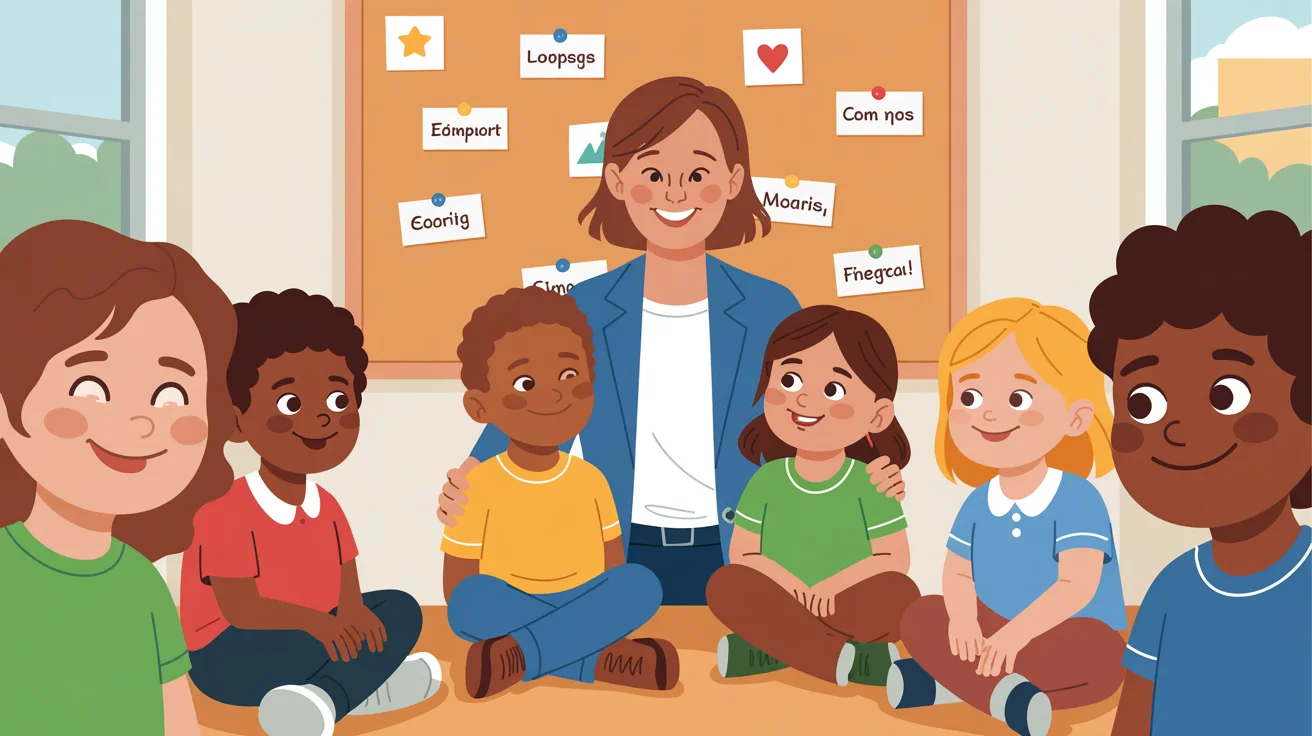
Use these on sticky notes, notebooks, and classroom walls.
Learning and curiosity quotes
- “Curiosity is smart.”
Try this: “Ask one new question today.” - “I love learning.”
Try this: “Find one fun fact.” - “Reading grows my brain.”
Try this: “Ten pages is enough.”
Quotes for students who struggle
- “You are not behind. You are learning.”
Try this: “Let’s focus on one skill.” - “One small step counts.”
Try this: “Do the first problem only.”
Motivational quotes by age
Kids need different words at different ages. Short and clear always wins.
Ages 3 to 5
These should be simple and spoken out loud.
- “I can try.”
- “I am brave.”
- “I can share.”
- “I can wait.”
- “I can clean up.”
- “I can be kind.”
- “I can listen.”
- “I can help.”
- “I can learn.”
- “I can do it.”
Tip: Say the quote, then show the action. Kids learn through doing.
Ages 6 to 9
These fit school, sports, and friendships.
- “I can learn from mistakes.”
- “Practice helps me improve.”
- “I keep going when it is hard.”
- “I can ask for help.”
- “I can be a good friend.”
- “I can focus for five minutes.”
- “I can stay calm and try.”
- “I can be proud of effort.”
- “I can take turns.”
- “I can solve problems.”
Ages 10 to 13
Older kids want respect. Keep it real and not babyish.
- “I can handle this.”
- “I control my effort.”
- “I can improve with practice.”
- “I can start even if I feel nervous.”
- “I can learn new habits.”
- “I can speak up for myself.”
- “I can choose good friends.”
- “I can recover from a bad day.”
- “I can stay consistent.”
- “I can do hard things without giving up.”
Quote of the day table
This table helps parents and teachers use quotes fast. It also gives clear structure for readers.
| Quote | What it teaches | Try this today | Best for age | Best moment |
|---|---|---|---|---|
| “I can do hard things.” | Courage | Start the first step | 6 to 13 | Before school |
| “Mistakes help me learn.” | Growth mindset | Redo one question | 6 to 13 | After homework |
| “One step at a time.” | Focus | Write the first line | 6 to 13 | Big tasks |
| “Practice makes progress.” | Consistency | Ten minutes practice | 6 to 13 | Skills |
| “I can ask for help.” | Support | Ask one trusted adult | 6 to 13 | Stuck moments |
| “I don’t have to be perfect.” | Confidence | Try without erasing | 6 to 13 | Perfectionism |
| “Kindness is strength.” | Character | Include someone today | 6 to 13 | Friend time |
| “I can try again.” | Resilience | One more attempt | 6 to 13 | After failure |
| “My voice matters.” | Self respect | Say one honest sentence | 10 to 13 | Social stress |
| “I can stay calm.” | Emotional control | Three slow breaths | 6 to 13 | Anxiety |
| “Small steps win.” | Motivation | Five minute start | 6 to 13 | Chores |
| “I can improve.” | Hope | Track one small win | 6 to 13 | Any day |
| “I can be a good friend.” | Empathy | Say one kind thing | 6 to 13 | School |
| “Curiosity is smart.” | Learning | Ask one question | 6 to 13 | Class time |
| “Progress matters.” | Patience | Compare to last week | 6 to 13 | Sports |
Lunchbox notes, bedtime, and morning boosts
These short notes help because they are quick. They also feel personal.
Lunchbox quote notes
Write one of these on a small note.
- “You are loved. Keep trying.”
- “One small step is enough.”
- “Be kind. Be brave.”
- “I believe in you.”
- “Mistakes help you learn.”
- “You can ask for help.”
- “Your effort matters.”
- “Try again. You’ve got this.”
- “Be yourself today.”
- “You belong.”
Morning motivation lines
Say one line before school.
- “Let’s start strong with one good step.”
- “Do your best, then let it go.”
- “You can be nervous and still do it.”
- “Focus on effort.”
- “You can handle today.”
Bedtime reflection quotes
Use one quote, then ask one question.
- “Tomorrow is a new try.”
Question: “What do you want to try again?” - “Growth takes time.”
Question: “What did you learn today?” - “Be proud of effort.”
Question: “What was your best effort moment?”
Mini scripts parents can use
Quotes feel empty without words that fit the moment. These scripts solve the most common parent problems.
Script for frustration
“I see you’re frustrated.”
“This is hard.”
“Do you want help starting or do you want one minute first?”
“Let’s do the next step only.”
Script for fear or nerves
“It makes sense to feel nervous.”
“Take three slow breaths with me.”
“What is the smallest step you can do first?”
“I’m here. You are safe.”
Script for boredom or low effort
“I get it. This feels boring.”
“Let’s start for five minutes.”
“Pick the easiest part first.”
“After five minutes, we will check in.”
Printable ideas and activities
These ideas turn quotes into habits, not just words.
Quote cards activity
Write quotes on small cards.
Let your child pick one each morning.
Ask what it means.
Choose one action to match it.
Motivation jar
Fill a jar with quote slips.
Pick one after school.
Use it during homework or practice.
Journal prompts for kids
Keep it simple.
“What does this quote mean to me?”
“When did I try today?”
“What will I try tomorrow?”
FAQs
What are the best motivational quotes for kids?
The best quotes are short, kind, and action focused. Choose quotes that help kids try again, stay calm, and keep going.
How do I encourage my child without pressure?
Praise effort and small progress. Avoid labels and comparisons. Offer choices and help them start with one small step.
What do I say when my child says “I can’t do it”?
Say, “It feels hard right now.” Then say, “Let’s do the smallest part first.” Use a quote like, “One step at a time.”
Are affirmations better than quotes for kids?
Affirmations work well for younger kids because they sound personal. Quotes work well when you add kid meaning and one small action.
How often should I use motivational quotes?
Use them when your child needs support, not all day. One quote in the morning or during homework is enough.
What are good classroom encouragement quotes?
Short lines work best in class. Try “Keep going,” “Ask questions,” and “Mistakes help me learn.”
Quick note about quote accuracy and attribution
If you are printing posters for school or sharing online, double check the author. Many quotes get misattributed. It helps you stay accurate and builds trust.
Conclusion
Children’s motivational quotes can help kids build confidence, resilience, and a love of learning, but the real magic comes from how you use them. Pick one quote that matches the moment, explain it in kid words, then take one small step together. That is how motivation becomes a habit, not just a nice line.