
Trip to Amalfi Coast: The Complete 2026 Planning Guide
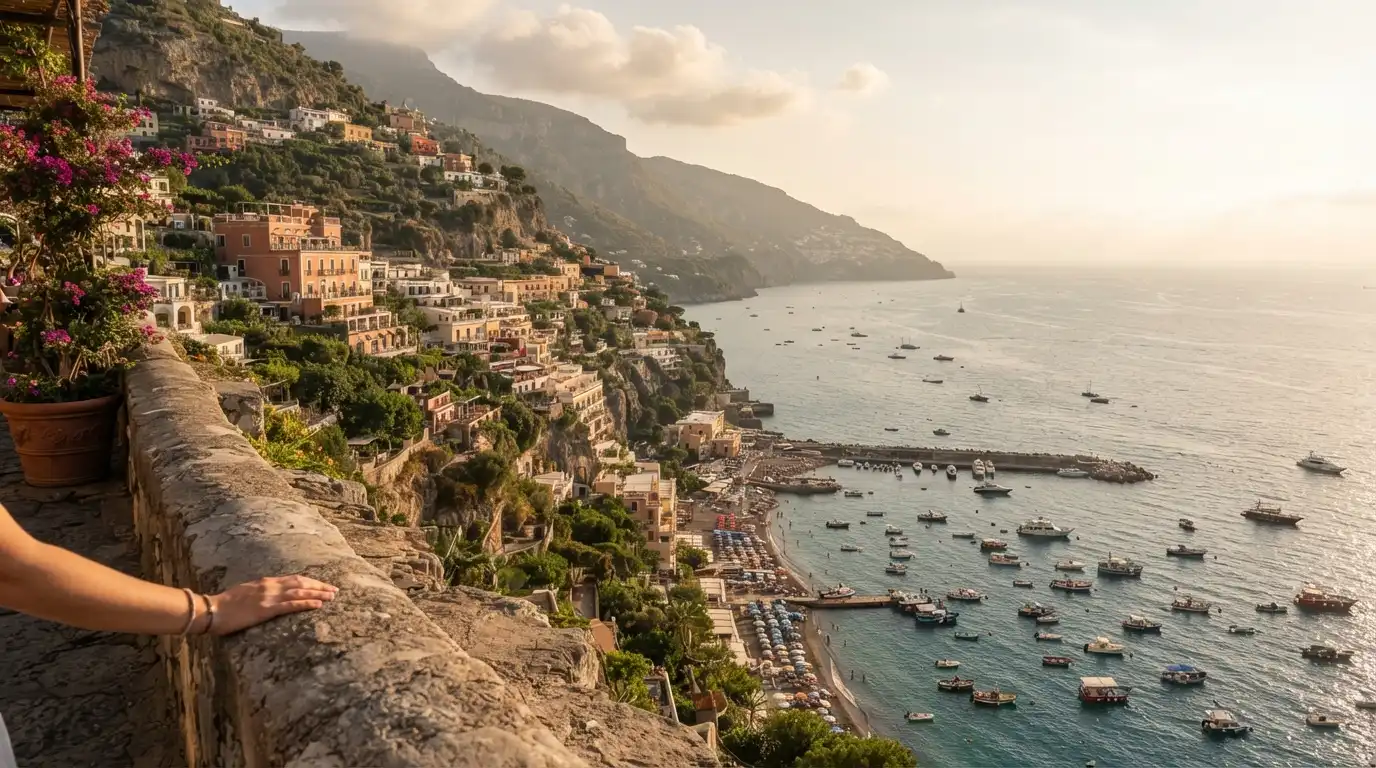
A trip to Amalfi Coast works best flying into Rome or Naples, driving or ferrying between Positano, Sorrento, Amalfi, and Ravello, and building in day trips to Capri or Pompeii. New 2025 driving restrictions have genuinely changed how travelers need to plan this trip, so getting the logistics right before you land matters more here than on almost any other Italian coastline.
Do You Need an International Driving Permit for the Amalfi Coast?
Yes, and this is one of the most important pieces of paperwork to sort out before you leave home. Italian law technically requires non-EU drivers to carry an International Driving Permit alongside their standard license, and while rental car agents don’t always check for one, getting pulled over without it carries a fine starting at €408. An IDP from AAA costs around $20 to $40, takes 5 to 7 weeks to arrive by mail, and stays valid for one year once issued. A common mistake first timers make is assuming they can sort this out once they land in Italy, when the reality is you cannot obtain an IDP after arrival, making it essential to apply well before your trip to Amalfi Coast even begins.
What Are the New Driving Restrictions on the Amalfi Coast?
This is a major update travelers need to know about before planning any 2026 trip. Italy now enforces an alternating license plate system on the main coastal road, the SS163 Amalfitana, running from Easter week through September, active between 10am and 6pm. Cars with odd-numbered plates can drive on odd-numbered dates, while even-numbered plates drive on even dates. The genuinely frustrating catch is that you won’t know your rental car’s plate number until you actually pick it up, making it impossible to plan your exact driving days in advance. Hotel guests remain exempt and can reach their accommodation regardless of plate number simply by showing their reservation, but always confirm current rules directly with your hotel or rental company before finalizing plans, since regulations get updated seasonally.
Should You Drive or Take the Ferry on the Amalfi Coast?
| Option | Best For | Consideration |
| Driving | Shoulder season (May, September, October) | Restrictions matter less, scenic freedom |
| Ferry or SITA bus | Peak summer (June to August) | No plate restrictions, no parking stress |
Given the new alternating plate system, travelers visiting during peak summer months should seriously consider basing themselves in Sorrento or Positano and relying on a combination of ferries and SITA buses for day trips along the coast instead of driving daily. Ferries in particular deliver spectacular sea views with zero traffic and zero parking headaches, a genuine relief on a coastline notorious for both. For shoulder season visits in May or September and October, driving remains far more manageable, and the plate restrictions matter considerably less given lighter traffic overall. Driving Amalfi Coast’s cliff-hugging roads with the windows down remains one of the most memorable ways to experience the coastline, and it’s genuinely worth the effort if your travel dates fall outside peak restriction pressure, though requesting an automatic transmission, and requesting it again at pickup, is worth doing if you can’t confidently drive stick.
What Are ZTL Zones and How Do You Avoid Fines?
Most towns along the Amalfi Coast maintain ZTL zones, restricted traffic areas concentrated in historic centers, monitored by cameras that photograph every license plate entering without a permit. Fines from these zones arrive by mail months later, sometimes well after you’ve already returned home, making this one of the sneakier logistical risks of a self-drive trip to Amalfi Coast. If you’re staying at a hotel located inside a ZTL zone, the hotel can register your plate ahead of time to avoid this issue entirely. One critical warning: don’t follow Google Maps blindly through unfamiliar coastal towns, since it will route you directly into ZTL zones without any warning that you’re about to trigger a fine.
Positano or Sorrento: Where Should You Stay?
| Town | Vibe | Price Point |
| Positano | Iconic, cliffside, breathtaking views | Higher, boutique hotels $300 to $600/night peak season |
| Sorrento | Slightly cheaper, less touristy, convenient ferry access | Lower, more chain hotel options |
Positano delivers views that genuinely live up to the postcards, with pastel buildings cascading down cliffside pathways toward boats bobbing in the harbor below, and it’s worth experiencing at least once even for travelers with a limited budget elsewhere on the trip. Sorrento offers a more affordable, slightly less touristy alternative, and its port sits within a short drive of ferries heading directly to Positano, Amalfi, and Capri, making it a genuinely practical base for travelers prioritizing value over staying in the most photographed town on the coast. Travelers torn between the two should consider splitting a stay, basing primarily in Sorrento for cost savings while spending at least one night or a full day exploring Positano itself.
Where Can You Stay on the Amalfi Coast on a Budget?
Positano itself has genuinely few chain hotel options, since the town is dominated by small independent boutique properties and luxury family-run hotels that aren’t bookable through standard hotel points programs. Travelers wanting real value should look at the Hilton Sorrento Palace, sitting on a hillside above Sorrento overlooking the Bay of Naples about 30 minutes from the Amalfi Coast by car or ferry. It offers six outdoor pools, multiple restaurants, a kids’ club, and tennis courts, and it’s bookable directly with hotel loyalty points, making it a smart, budget-conscious base especially for families wanting a full-service resort experience alongside easy ferry access to the coast. Travelers still wanting the boutique Positano experience without paying full price can use a flexible travel rewards card’s purchase eraser feature to offset the hotel charge after booking directly, a strategy that can meaningfully soften the blow of Positano’s steep $300 to $600 per night peak season rates.
Is the Path of the Gods Hike Worth It?
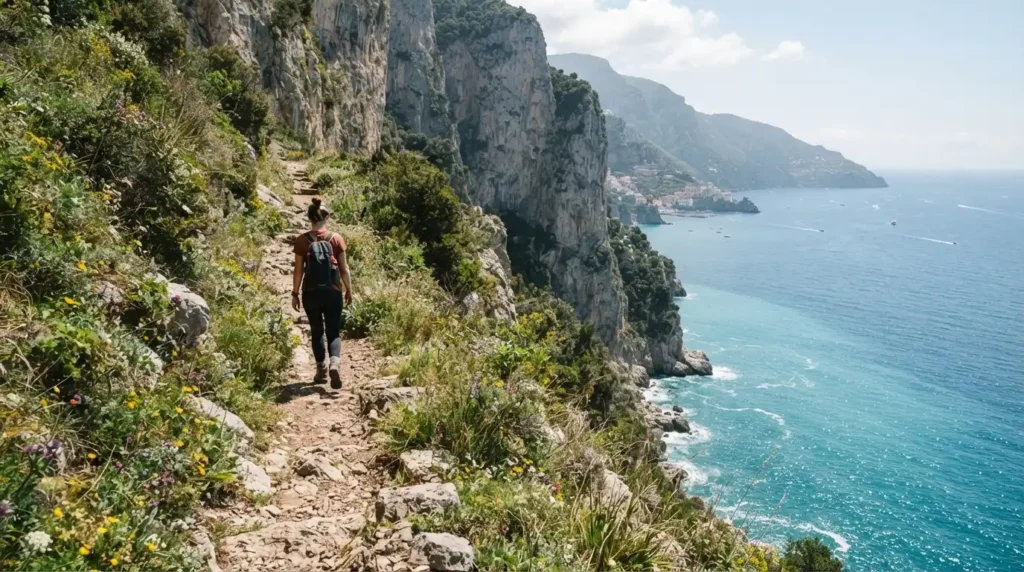
Yes, and it consistently ranks among the most rewarding hikes anywhere in the world. The Sentiero degli Dei, or Path of the Gods, runs roughly 3.5 miles one way between Nocelle and Bomerano, taking up to 3 hours to complete, with views over the coastline and the Tyrrhenian Sea that genuinely feel unreal in person. Most hikers tackle the trail east to west, starting in Bomerano, which is conveniently accessible by bus from Amalfi, making logistics easier than starting from the opposite end. Starting early in the morning matters more each year, since the trail has grown considerably more popular and can get genuinely crowded by mid-morning during peak season. Proper hiking shoes are essential given the rocky, uneven terrain in places, and bringing more water than feels necessary is worth the extra weight given how exposed much of the trail is to the sun.
What Is There to Do in Ravello and Amalfi Town?
Ravello, a quiet hilltop resort town about an hour east of Positano, rewards visitors with cliffside gardens and, in summer, outdoor concerts set against a dramatic clifftop backdrop through the annual Ravello Festival. Villa Rufolo and Villa Cimbrone stand out as the town’s most famous historic gardens, both offering incredible views and worth the small entrance fee to explore properly. The town of Amalfi itself sits much closer to the water than the clifftop towns surrounding it, and once you’ve found parking, strolling the marina before heading inland reveals sidewalk cafés, locals selling fresh lemons destined for limoncello, and the striking 9th century Cattedrale di Sant’Andrea towering over the main piazza. Travelers dealing with the coast’s new driving restrictions can skip the parking hassle entirely by leaving their car in Sorrento or Positano and taking the ferry directly to Amalfi’s own dock instead, a considerably less stressful way to reach the town during peak season.
Capri or Pompeii: Which Day Trip Should You Choose?

Both destinations reward the trip, though the honest answer depends partly on the weather. A boat from Positano to Capri takes about 40 minutes when the seas cooperate, and once on the island, riding the funicular up to Capri town, wandering the boutiques and piazzas, and booking a Blue Grotto boat tour well in advance since it genuinely sells out, all make for a memorable day. Arriving early beats the midday crowds, and the island noticeably quiets down again in late afternoon once day-trippers head back to the mainland. Pompeii offers a completely different but equally worthwhile alternative, with the ancient ruins preserved under volcanic ash from Mount Vesuvius’s eruption in 79 CE ranking among the most remarkable historical sites anywhere, and allowing at least 3 to 4 hours lets you walk the site properly. Given that rough seas can genuinely cancel Capri boat trips with little warning, building Pompeii into your itinerary as a backup plan, or simply choosing it outright if you’re not confident about weather conditions, is a genuinely smart way to avoid disappointment.
Final Thoughts
Planning a trip to Amalfi Coast in 2026 comes down to respecting a few genuinely new logistical realities alongside the timeless beauty that’s drawn travelers here for decades. Get your International Driving Permit sorted weeks before you leave, check the current alternating plate restrictions if you’re visiting during peak summer, and consider basing in Sorrento with ferry access rather than fighting the SS163 daily during the busiest months. Whether it’s hiking the Path of the Gods at sunrise or watching Capri’s Blue Grotto light shift through the afternoon, a well-planned trip to Amalfi Coast still delivers everything the postcards promise, as long as you plan around the coast’s real, current rules rather than the ones from a decade ago.
FAQs
How many days do you need for a trip to Amalfi Coast?
Three to four days covers the essential towns, including Positano, Amalfi, and Ravello, plus one day trip, though travelers wanting a more relaxed pace or an additional day trip to Capri should budget closer to five or six days.
What is the best time to visit the Amalfi Coast?
Shoulder season months of May, September, and October offer the most manageable driving conditions given the new alternating plate restriction, while June through August delivers peak weather but also the heaviest crowds and the strictest transportation logistics.
What should you eat on the Amalfi Coast?
Fresh seafood, house-made pasta, local tomatoes, and lemons the size of softballs headline the region’s food scene, and taking your time over a leisurely outdoor meal with a glass of local wine is very much part of the experience here.
Is Capri worth visiting from the Amalfi Coast?
Yes, though weather-dependent boat crossings mean it’s worth having a backup plan like Pompeii ready in case rough seas cancel your trip, since the roughly 40-minute boat ride from Positano can get cancelled with little advance notice.


