
Best Beaches in Italy: 15 Stunning Spots Ranked for 2026
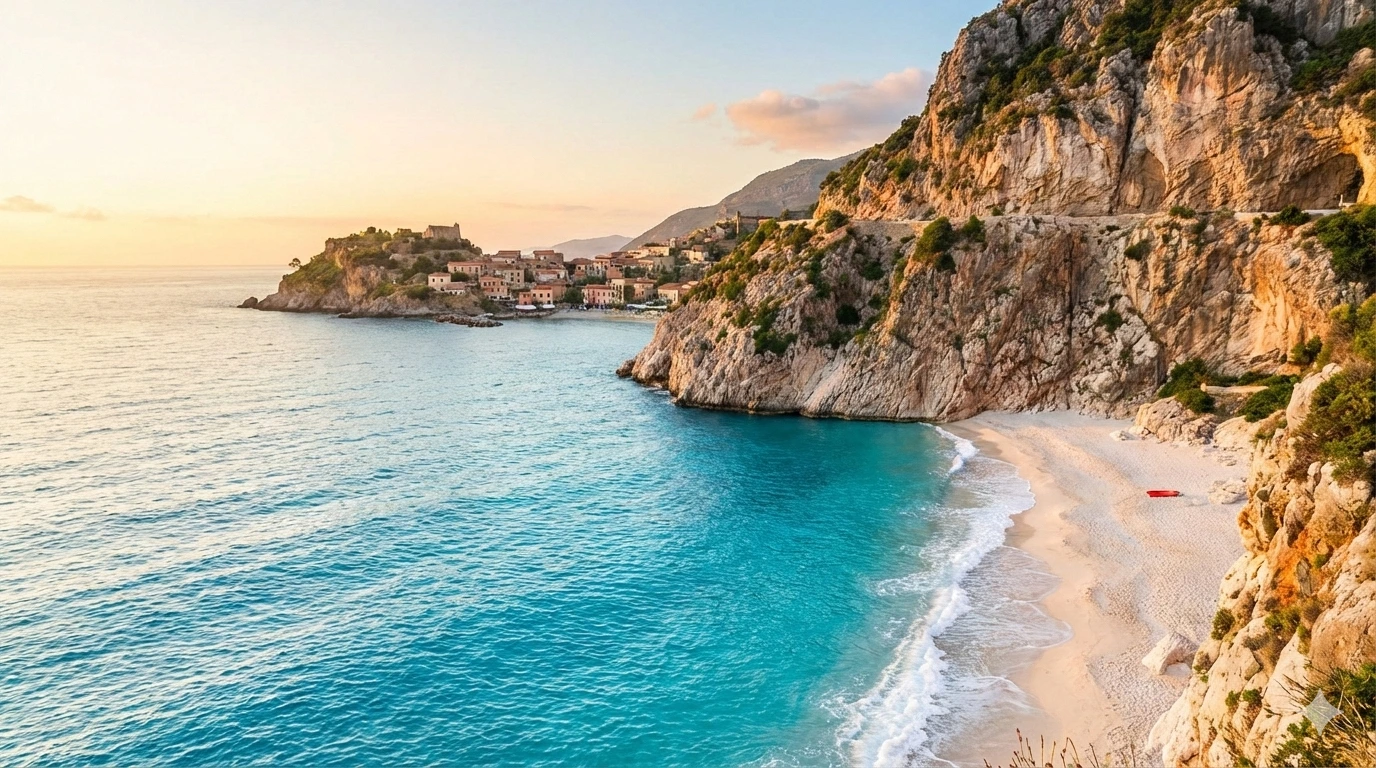
Italy has some of the best beaches in Europe — and most travelers only scratch the surface. With over 7,500 kilometers of Mediterranean coastline, stretching from the Tyrrhenian Sea in the west to the Adriatic Sea in the east, there is genuinely a perfect beach here for every type of traveler. The problem is figuring out which one is actually worth your time.
Look, most “best beaches in Italy” articles just throw 20 names at you with zero practical help. This one does things differently. You will get the real picture — including which beaches are free, which regions win for different travel styles, and why September beats July every single time.
Quick Glance: Italy’s Best Beaches at a Glance
| Beach | Region | Best For | Free or Paid? |
|---|---|---|---|
| Spiaggia dei Conigli | Lampedusa, Sicily | Families, nature | Free |
| Cala Goloritzé | Sardinia | Hikers, divers | Free (hike/boat) |
| La Pelosa Beach | Stintino, Sardinia | Couples, relaxation | Entry fee |
| San Vito lo Capo | Sicily | All-round summer vibe | Mixed |
| Scala dei Turchi | Agrigento, Sicily | Photographers, day trippers | Free (view only) |
| Tropea | Calabria | Culture plus beach combo | Mixed |
| Marina Piccola | Capri, Campania | Luxury, scenic views | Beach clubs |
| Mezzavalle | Le Marche | Crowd-avoiders | Free |
| Baia delle Zagare | Puglia (Gargano) | Dramatic scenery | Paid parking |
| Atrani Beach | Amalfi Coast | Postcard charm | Mixed |
The Best Beaches by Region (Because Italy Is Not One Place)
Here is the thing most people mess up. They treat Italy like one beach destination. It is not. The Adriatic Sea feels completely different from the Tyrrhenian Sea. Sardinia and Sicily are two different worlds. Where you go should depend on what you actually want.
Sardinia — Italy’s Undisputed Beach Champion
If someone tells you the best beaches in Italy are not in Sardinia, they have probably not been to Sardinia. Full stop.
Cala Goloritzé is probably the single most jaw-dropping spiaggia in the country. It sits on the eastern coast in the municipality of Baunei and holds UNESCO World Heritage status. You get there by boat or by hiking two hours down from the plateau of Colgo. The effort is entirely worth it. Towering limestone cliffs drop into water so clear it almost looks fake.
La Pelosa Beach near Stintino in the northwest is the postcard version of Sardinia. White sand, turquoise waters, an old watchtower dating from the 1500s — it checks every box. Be aware that entry is now ticketed during summer to protect the ecosystem. Book ahead.
Cala Brandinchi in San Teodoro gets called the “Little Tahiti” of Sardinia, and honestly the nickname is earned. The water is so shallow and calm that kids love it and snorkelers never want to leave.
Sicily — History, Drama, and Some of Italy’s Wildest Coastline
San Vito lo Capo in northwest Sicily is the kind of beach that makes you forget you had a plan. Wide, white sand, protected by Monte Monaco, water shallow enough for young swimmers. The town itself is lively with sidewalk restaurants and a genuine summer buzz. Beach season here stretches from May to October, one of the longest in Italy.
Scala dei Turchi is different. You go there less to swim and more to have your mind blown. A brilliant white marl terrace formed by the sea juts dramatically into the Mediterranean Sea near Agrigento. You cannot walk on the steps anymore — conservation measures — but the beach below and the views from above are extraordinary.
Spiaggia dei Conigli on the island of Lampedusa consistently ranks among the top beaches not just in Italy but globally. Calm, crystalline water, fine white sand, and it doubles as a protected nesting ground for loggerhead turtles. The half-moon-shaped bay is the kind of thing you see in a screensaver and assume is a filter.
Amalfi Coast and Campania — Iconic But Know What You Are Getting Into
People romanticize the Amalfi Coast beaches and then arrive to find mostly pebbles, steep access points, and beach clubs charging serious money. That is the honest truth.
Atrani is the exception. Smaller and quieter than Amalfi town itself, it sits between Positano and Amalfi and has genuine charm. Manageable crowds in shoulder season, easy access, and that UNESCO coastline backdrop.
Capri is famous for Marina Grande and Marina Piccola on the south side — the latter supposedly where Homer placed the sirens in the Odyssey. Most of Capri’s shoreline is beach clubs with entrance fees, but the views from anywhere on the island are worth the trip alone.
Ischia, Capri’s quieter neighbor in the Gulf of Naples, is genuinely underrated. Citara and Maronti are among the largest beaches on the island. What makes Ischia stand apart is the thermal waters — you can combine a beach day with a soak in natural hot springs. That combination does not exist many places in Europe.
Calabria — The Underdog That Keeps Winning
Tropea sits on a cliff above the Tyrrhenian Sea and is one of those places that does not look real from a distance. The town itself is historic and walkable, the local cuisine is exceptional — try the red onions, a regional specialty — and the sandy beaches below the cliff are among the cleanest in southern Italy. Calabria as a region is less visited than Sicily or Sardinia, which means fewer crowds and lower prices. Big advantage.
Hidden Gems Italians Actually Go To
This is where it gets interesting. Ask an Italian where they vacation and you will hear names most international travel articles skip entirely.
Mezzavalle in Le Marche requires a steep hike down to reach it, which is exactly why it stays relatively empty. No beach clubs, no parking lot chaos. Just a wide, unspoiled bay with crystal-clear waters backed by white limestone cliffs inside the Conero Regional Natural Park. The whole Riviera del Conero stretch of the Adriatic Sea coast is like this — genuinely beautiful and mostly Italian-only.
Baia delle Zagare in Puglia’s Gargano National Park is arguably the most photogenic beach in the country. Dramatic cliffs, natural sea arches, water in every shade of blue. It stays less crowded than you would expect given how stunning it is.
Sperlonga in Lazio, just 90 minutes south of Rome, punches well above its weight. If you are based in Rome and want a proper beach without flying to Sardinia, Sperlonga is the answer most Romans quietly keep to themselves.
Free Beaches vs. Beach Clubs — Here Is How It Actually Works
One thing that genuinely confuses first-time visitors to Italy is the stabilimento balneare system. Here is the deal.
In Italy, large sections of popular beaches are operated by private beach clubs (called stabilimenti balneari or lidi). You pay a daily fee for access to a section of sand, a sun lounger, and an umbrella. Prices start around €25 for a basic setup and can hit €150 to €200 at the more exclusive spots in peak July and August. Some of the most popular beaches get booked out weeks in advance.
The good news: every beach in Italy has what is called a spiaggia libera — a free, public section. It is usually at the edges of the paid zones and tends to be less groomed, but it is absolutely there. Knowing this before you arrive saves a lot of confusion and money.
Beaches like Cala Goloritzé, Mezzavalle, and Spiaggia dei Conigli are entirely free because they are protected natural sites. No umbrellas for hire, no vendor hassle. Just nature.
A note on quality: Italy certifies its best beaches with the Blue Flag label — an internationally recognized eco-label for cleanliness, water quality, and environmental standards. In 2026, Italy continues to lead the world in Blue Flag certified beaches — a record that has held firm for years and reflects the country’s genuine commitment to coastal conservation. That is a useful filter when you are deciding where to go.
When Should You Actually Go?
July and August are peak beach season in Italy. The water is warm, the atmosphere is electric, and every beach resort town is fully alive. They are also extremely crowded and expensive. If you are traveling with kids and want the full Italian summer experience, go for it — just book everything months ahead.
September is the sweet spot. Water temperatures are still warm from a full summer of sun, the crowds thin dramatically after Italian school terms begin in mid-September, and prices drop. Many beach clubs stay open through September and increasingly into October. If you have flexibility, September is the best time to visit Italy’s beaches. Not even close.
Sardinia vs. Sicily — Which Is Better for Beaches?
Sardinia wins on pure beach quality. The water clarity, the sand texture, the variety of secluded coves — nothing in mainland Italy or Sicily quite matches it. But Sardinia requires more planning. You need a car to get around, flights can be pricier, and peak-season crowds at places like La Pelosa are real.
Sicily wins on the full package. The beaches are excellent — especially San Vito lo Capo and Spiaggia dei Conigli on Lampedusa — but Sicily also delivers history, food, culture, and accessibility in a way Sardinia does not. If this is your first Italy trip and you want beach plus everything else, Sicily makes more sense.
Neither is wrong. It depends on what kind of trip you are building.
Frequently Asked Questions
What is the most beautiful beach in Italy?
Most experts and travelers point to Cala Goloritzé in Sardinia or Spiaggia dei Conigli on Lampedusa as the single most beautiful beach in Italy. Both are protected natural sites with UNESCO recognition or high conservation status, and both offer crystal-clear water and dramatic scenery with no commercial overdevelopment.
Which part of Italy has the best beaches?
Sardinia consistently comes out on top for beach quality. Sicily is a close second, especially for variety. For hidden beaches with fewer crowds, Le Marche on the Adriatic coast is the most underrated region in the country.
Are beaches in Italy free?
Not all of them. Italy has a strong stabilimento balneare culture where private beach clubs occupy large sections of popular beaches. Every beach does have a spiaggia libera (free public section) by law, but size and quality vary. Beaches in protected natural areas like Cala Goloritzé and Mezzavalle are completely free.
What is the best month to go to Italian beaches?
September is the best month for beach travel in Italy. Water is warm, crowds are significantly lower than July or August, and many beach services remain open. June is a solid second choice.
Is Sardinia worth it for a beach holiday?
Yes — if you plan ahead. Sardinia genuinely has some of the best spiagge in the entire Mediterranean. You need a rental car, you should book accommodation early for summer, and you should consider less famous alternatives to La Pelosa if you want fewer people around you.
What is a stabilimento balneare?
A stabilimento balneare is an Italian beach club — a private operator who controls a section of beach and charges a daily fee for use of sunbeds, umbrellas, bathrooms, and sometimes food service. They are a normal part of Italian beach culture and can range from basic to very luxurious.
Are there beaches near Rome worth visiting?
Yes. Sperlonga in Lazio is excellent and only 90 minutes from Rome by car. The towns of Gaeta and Anzio also have decent beaches. None rival Sardinia, but for a day trip from Rome they are genuinely worth it.
What is the Amalfi Coast like for beaches?
Honest answer: the Amalfi Coast is more about scenery than beaches. Most beaches are rocky, narrow, access can be steep, and beach club fees are high. If beaches are your priority, Sardinia or Sicily give you more. If you want the iconic coastal scenery with some swimming, the Amalfi Coast delivers — just go in late September to dodge the worst crowds.
So, Which Beach Is Right for You?
If you want pure, jaw-dropping natural beauty and are happy to hike or take a boat to get there, Cala Goloritzé or Spiaggia dei Conigli should be at the top of your list. If you want a lively beach town with great food and an easy vibe, San Vito lo Capo in Sicily or Tropea in Calabria will not let you down. And if you want to experience Italy’s best beaches without the summer chaos, pick any beach on this list and visit in September. The best beaches in Italy are genuinely world-class. The only real mistake is spending your whole trip waiting in line at the Colosseum and never making it to the coast.


