
Bamboo Organ Museum: Complete Guide to the World’s Oldest Bamboo Organ
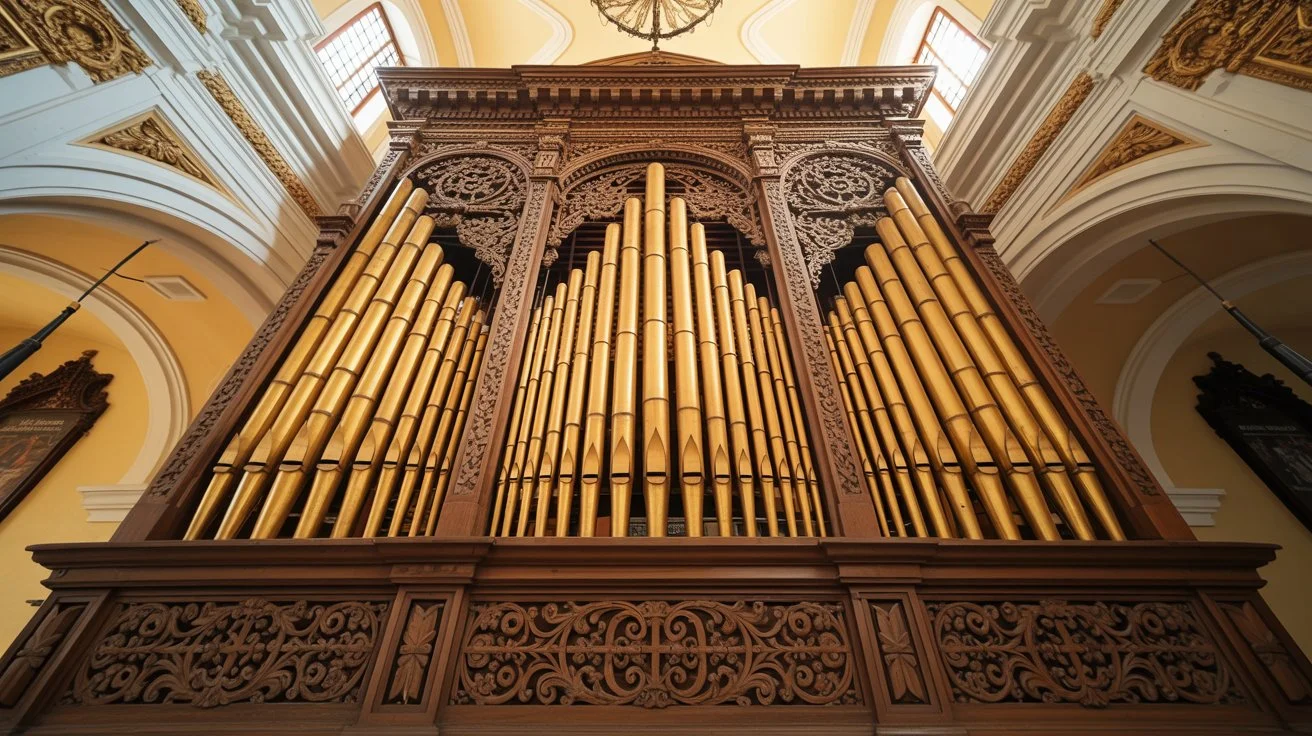
Stand inside St. Joseph Parish Church in Las Piñas, and you’ll hear something extraordinary. The warm sound of 902 bamboo pipes creates music that exists nowhere else on Earth. The Las Piñas Bamboo Organ represents 200 years of Filipino creativity and cultural pride.
This National Cultural Treasure was declared by UNESCO as Intangible Heritage of Humanity in 2003. Music lovers and travelers from across the globe visit to experience what Spanish priest Father Diego Cera and Filipino craftsmen created in the 1800s.
What is the Las Piñas Bamboo Organ Museum?
The museum sits within St. Joseph Parish Church in Las Piñas City, Metro Manila. Father Diego Cera built the world’s oldest functioning bamboo pipe organ between 1816 and 1824.
The organ contains 1,031 total pipes—902 made from bamboo and 129 metal trumpet stops. Construction took eight years to complete.
What makes this organ unique? Indigenous bamboo creates a distinctive warm, mellow sound with natural vibrato. Traditional metal pipe organs cannot replicate this quality.
The museum experience includes the main organ in the church choir loft and historical exhibits in Padre Diego Cera Hall. The old Spanish convent, now called Antillan House, houses artifacts and serves as the entrance. Guided tours include live organ demonstrations.
The Story Behind the Bamboo Organ
Father Diego Cera de la Virgen del Carmen was a Spanish Augustinian Recollect priest. Born in Graus, Spain in 1762, he arrived in the Philippines as a natural scientist, chemist, and architect. He built organs for Manila Cathedral before his Las Piñas assignment in 1795.
Why Use Bamboo?
Traditional organ materials were scarce in early 19th century Philippines. Metal was expensive and hard to obtain. Bamboo grew abundantly in nearby forests.
Father Cera’s scientific background guided his approach. He selected mature bamboo during October to December 1816. He buried the bamboo under beach sand to remove sugar and starch. This prevented insect infestation.
In 1817, he unearthed the bamboo and trained local craftsmen in European organ-building techniques. The organ became playable by 1821. Father Cera added metal trumpet stops in 1824 after experiments showed bamboo couldn’t produce certain necessary tones.
Swiss chemist Jacques E. Brandenberger helped with the air bag system. This partnership shows Father Cera’s commitment to finding the best solutions.
Survival Through Disasters
The bamboo organ endured extraordinary catastrophes that would have destroyed most instruments.
In July 1880, three powerful earthquakes struck within one week. An October 1882 typhoon destroyed the church roof. Residents found dismantled bamboo pipes floating in floodwaters inside the church.
The organ deteriorated over the following decades. By the 1960s, only 3 of 23 organ stops functioned. The instrument reached a terminal state.
The German Restoration (1972-1975)
In 1972, the Philippine government and Las Piñas community shipped the dying instrument to Germany. Johannes Klais, a master organ builder from Bonn, accepted the restoration challenge.
Klais built a special climate chamber matching Philippine temperature and humidity. This prevented bamboo shrinkage. The restoration cost 200,000 Deutsche Marks.
On February 18, 1975, the restored organ premiered at the Philippine Embassy in Bonn. It returned to the Philippines in March 1975 via Sabena Airlines.
Diego Cera Organbuilders, Inc. now handles maintenance. Founded in 1994 by Cealwyn Tagle and Edgar Montiano, they’re the first Filipino pipe organ building company. Both men were former Las Piñas Boys Choir members trained in Austria and Germany.
Inside the Museum Experience
Tour guides take visitors to the choir loft for close viewing. You’ll see 902 glistening bamboo pipes arranged in precise rows. The wooden casing features intricate carvings by local artisans.
Most tours include a short organ concert. The distinctive sound is warm and mellow with natural vibrato.
Padre Diego Cera Hall contains historical documentation, restoration photos, and technical displays. Audio exhibits let you compare bamboo and metal organ sounds. The souvenir shop offers festival CDs, bamboo crafts, and books.
High school student volunteers from St. Joseph’s Academy lead most tours. They share their community’s heritage with enthusiasm and can explain technical aspects in accessible language.
International Bamboo Organ Festival
The festival started in 1975 after the organ’s return from Germany. It runs every February for approximately two weeks. This makes it the longest-running annual international music festival in the Philippines.
The 2024 festival featured world-renowned organists including Australian Jennifer Chou and resident organist Professor Armando Salarza. Events include gala concerts, recitals, lectures, and special masses.
Some events are free while gala concerts require tickets. Check bamboo-organ.com or call (02) 825-7190 for 2026 dates.
Brand Communication Strategy: The Marketing Genius
The Bamboo Organ Foundation has crafted a compelling narrative that resonates across audiences. The story follows four acts: Genesis (1816-1824), Adversity (1880-1970s), Resurrection (1972-1975), and Living Legacy (1975-present).
This narrative creates emotional investment. Visitors experience a cultural resurrection story with heroes and triumph.
The foundation maintains consistent messaging across physical and digital platforms. Physical touchpoints include the museum, church tours, and annual festival. Digital presence includes the website, social media, newsletters, and media partnerships.
The genius lies in balancing local community ownership with international prestige. St. Joseph’s Academy partnership, Las Piñas Boys Choir, and volunteer guides create local integration. UNESCO recognition and international festival performers provide global positioning.
Training programs send Filipino talent to Austria for apprenticeships. Diego Cera Organbuilders exports organs to Lithuania and Austria. The bamboo organ becomes a symbol of Filipino capability and cultural contribution to world heritage.
Visitor Guide: Hours, Fees, and How to Get There
Entrance Fees: Tours typically cost 50 to 100 pesos for adults and 50 pesos for children. Some sources report 200 pesos for museum-only entry. Tours last 30 to 60 minutes.
Opening Hours: Daily from 8:00 AM to 12:00 PM and 2:00 PM to 6:00 PM. Sunday evening mass at 6:00 PM offers a longer free concert.
Location: St. Joseph Parish Church, P. Diego Cera Avenue, Barangay Daniel Fajardo, Las Piñas City, Metro Manila 1744.
Getting There: The museum is approximately 10 kilometers from central Manila. Taxi or Grab costs 200 to 350 pesos and takes 30 to 45 minutes. Tell drivers “St. Joseph Church, Las Piñas” or “Bamboo Organ Church.”
Public transportation options include LRT to Baclaran Station plus jeepney transfer to Las Piñas. Buses from PITX also reach Las Piñas.
Frequently Asked Questions
What makes the Bamboo Organ unique?
The Las Piñas Bamboo Organ is the world’s oldest and largest functional bamboo pipe organ. Of its 1,031 pipes, 902 use indigenous bamboo creating a warm, mellow sound with natural vibrato that metal organs cannot replicate.
Can I hear the organ play?
Yes. Guided tours include demonstrations. Sunday evening mass at 6:00 PM offers longer free performances. The International Bamboo Organ Festival in February provides multiple concerts throughout the month.
When is the festival?
The International Bamboo Organ Festival takes place every February for approximately two weeks. Check bamboo-organ.com for 2026 dates or call (02) 825-7190.
How do I get there from Manila?
Take a taxi or Grab (30-45 minutes, 200-350 pesos). Tell drivers “St. Joseph Church, Las Piñas.” Public options include LRT to Baclaran Station plus jeepney transfer.
How did the organ survive 200 years?
The organ survived through multiple restorations. Complete restoration in Germany occurred from 1972 to 1975 by Johannes Klais. Diego Cera Organbuilders performed major rehabilitation in 2003-2004. The Philippine government invested 48 million pesos since 2013 for ongoing maintenance.
Experience Filipino Heritage
The Las Piñas Bamboo Organ Museum demonstrates Filipino resilience, innovation, and cultural pride. For over 200 years, this instrument survived earthquakes, typhoons, wars, and neglect.
When you hear the warm resonance of 902 bamboo pipes, you’re experiencing sounds that exist nowhere else. European tradition meets Filipino indigenous genius in perfect harmony.
Plan your visit today. Contact the Bamboo Organ Foundation at (02) 825-7190 or visit bamboo-organ.com. The world’s oldest bamboo organ awaits your discovery.


