Casa Gorordo Museum Cebu City: What to See, History, Tickets, Hours, and How to Get There
Casa Gorordo Museum is a restored 19th century house museum in Cebu City’s Parian district that shows how well known Cebuano families lived during the Spanish colonial era. You go for the old home layout, antiques, and local history told through real objects, not long text walls. If you want a fast, visual way to understand Cebu’s heritage, this stop delivers.
Facts Table
| Item | Details |
|---|---|
| Area | Parian district, Cebu City |
| Best for | First time Cebu visitors, history lovers, culture focused trips |
| Typical visit time | 60 to 120 minutes |
| Best time | Morning on a weekday for cooler air and fewer people |
| Tours | Guided tour is often offered and usually worth it for context |
| Notes | Rules and fees can change, so confirm on arrival |
Where it is and why Parian matters
Parian is one of the oldest parts of Cebu City. It sits close to other heritage spots. That matters because you can build a short walking plan around one visit. You also get more value from your time because the area itself tells a story. Streets here feel different from modern Cebu. Many visitors come for that contrast.
If you are using maps, search the museum name first and follow the live pin. This avoids the most common problem people face here, which is minor address confusion across different guides. A pinned location is usually the safest way to arrive without stress.
The short history you should know
This house began as a private home in the mid 1800s. It later became linked with the Gorordo family, a respected name in Cebu. The house passed through different hands over time. It was eventually restored and opened to the public as a museum. It also gained national heritage recognition later on.
Here is the key point for visitors. You are not only looking at antiques. You are standing inside a real home that reflects an era. That is why the visit feels personal. It is not a glass case museum only. It is a lived space, rebuilt with care.
A simple timeline
- Built in the 19th century as a family residence
- Purchased by the Gorordo family in the same century
- Restored and later opened as a public museum
- Recognized as a major heritage site in Cebu
Why the Gorordo name comes up so often
The Gorordo family is tied to Cebu’s social and religious history. Many guides mention this because it helps you place the house in context. You will hear names and dates during the tour. Do not worry about memorizing them. Focus on what the story explains, which is how Cebu’s elite households worked and how culture shifted over time.
Architecture and design details that make it special
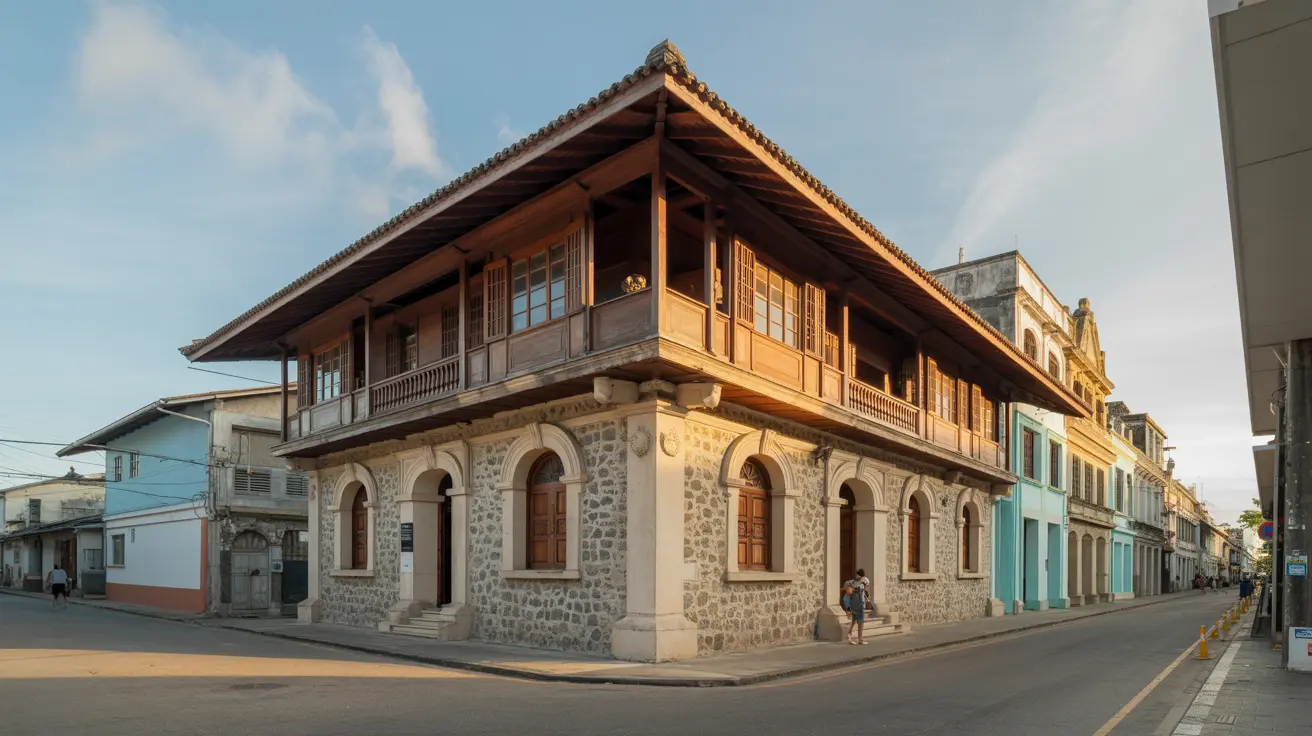
This home is often described as a bahay na bato style, which blends local building ideas with Spanish era influence. You can spot that mix fast. The lower level tends to feel heavier and cooler. The upper level feels warmer and more domestic. The whole structure is built to handle heat, rain, and daily life.
What to look for outside
Look at the base and the overall shape first. You may notice a sturdy lower section and a lighter upper section. That contrast is part of the design language of old Filipino homes. It was not only about looks. It helped with weather and security.
Materials you will hear about inside
Guides and plaques often mention building materials because they show local craft and trade. You may see references to coral stone, hardwood, and traditional roof tiles. These details help you understand why the house survived and why restoration took time. If you like architecture, ask your guide about flooring wood and wall materials. Staff are usually open to questions.
Why this design still matters today
Even if you are not into old houses, the layout teaches you something useful. It shows how families created privacy, airflow, and social spaces without modern tools. It also explains why heritage homes in Cebu look different from homes in Manila or Vigan. Local conditions shaped the style.
What you’ll see inside, room by room
Most visitors want one thing. They want to know what they will actually see. This section sets clear expectations. It also helps you plan your time, especially if you are on a tight schedule.
Receiving area and social spaces
You will start in spaces meant for visitors. These rooms were designed to impress. You may see antique furniture, framed images, and household items that show status. Notice how seating is placed. It often reflects formal rules of hospitality. This is a good place to slow down and absorb the story.
Dining area and family rituals
The dining space often connects to daily rhythm. Meals were not only about food. They were about family order and social tradition. Look for serving items, tableware, and objects that hint at trade links. Cebu was a port city. That shows up in the objects you see.
Bedrooms and personal details
Bedrooms usually feel more human than grand. People like this part because it makes history relatable. You may see clothing pieces, personal items, and small household tools. These objects answer a simple question. What did people value in daily life. You also start to notice how much work ran behind the scenes.
Prayer and devotion spaces
Many Filipino homes had spaces for faith. This area helps explain how religion shaped daily routine. You may see religious items and symbols. Keep your tone respectful in this part. It is still a meaningful theme for many visitors today.
Kitchen and household work
This section is often a favorite because it feels real. Kitchens show the labor of a home. They also show how food culture worked before modern appliances. If you are visiting with kids, this is a good spot to keep them engaged. Ask them to find tools they recognize and tools they do not.
Gallery exhibits and rotating displays
Some parts of the museum feel more like a classic exhibit space. You may see ceramics, paintings, old household items, and curated displays. This is where you can move at your own pace. If you love details, take your time here. If you want the highlights only, follow the guide’s story path and keep moving.
Guided tour vs self guided visit
This is one of the most common visitor problems. People wonder if a guided tour is needed. The honest answer depends on how you like to travel.
If you want quick photos and a general feel, self guided can work. You can read labels and move fast. If you want the story, a guide helps a lot. A guide connects objects to real Cebuano life. They also answer questions that labels do not cover.
A simple way to decide
Choose a guided tour if:
- You care about history and context
- You want help spotting details
- You like asking questions
Go self guided if:
- You are short on time
- You prefer quiet exploring
- You mainly want a visual experience
Modern touches that make the visit easier
Some visitors expect a museum like this to feel old fashioned in every way. It does not. You may find modern interpretation tools like QR codes or digital aids in parts of the experience. These features help you learn faster without turning the visit into a lecture.
Use these tools in a simple way. Scan only what you care about. Do not try to scan everything. It can slow you down and break the flow.
Tickets, hours, and on site rules
Practical info is part of user intent. People want clarity before they go. At the same time, rules and fees can change. So the best approach is clear guidance plus a quick confirmation step.
Opening hours
The museum is commonly listed as open during daytime hours on most days, often Monday to Saturday. Aim to arrive earlier in the day. Early visits feel calmer and cooler. You also get better light in many rooms.
Entrance fee and tour pricing
Fees can vary by visitor type and tour option. Bring small cash just in case. If you are deciding between options, ask what is included before you pay. A good question is simple. Does this include a guide. How long is the tour.
Photography rules
Many people worry about photos. Some rooms may allow photos while others may limit flash or filming. Follow posted signage and staff direction. If you want content for social media, ask at the start. You will save time and avoid awkward moments later.
Comfort tips for heat and crowds
Cebu can feel hot, especially midday. Wear breathable clothes and bring water. If you visit during peak tourist times, crowds can build. If you want a quieter experience, go on a weekday morning. If you cannot, keep your visit focused. Prioritize key rooms first.
How to get there without hassle
Getting there is easy if you use a simple plan. The most stress free option is a taxi or a ride app. It drops you close and saves time. If you are using public transport, plan for a short walk in the heritage area.
By taxi or ride app
Search the museum name and confirm the pin before you start. Screenshot it. This helps if signal drops. Tell the driver you are going to Parian and the museum.
By jeepney or public routes
Many routes pass through central Cebu areas. You may need to stop near a known downtown point and walk a bit. If you do not like guessing, ask a local shop staff for the best walking direction once you arrive nearby. It is often faster than trying to decode route names.
By private car and parking
Parking can be limited in older districts. If you are driving, consider a quick drop off and park farther out if needed. Do not let parking frustration ruin the visit. A short walk is normal in heritage areas.
Best time to visit and how long to budget
If you have only one heritage stop in Cebu City, plan this well. The visit is short enough to fit most itineraries. It is also rich enough to feel worth it.
Best time of day
Morning is best for comfort and calmer rooms. Late afternoon can work too, but you may feel rushed if closing time is near.
How much time you need
A fast visit can take about an hour. A relaxed visit with a guide can take closer to two hours. If you love details, set aside extra time for exhibits and quiet reading.
A Parian heritage mini itinerary
This is where your visit becomes a full experience. Parian is close to other classic Cebu heritage stops. Pairing two or three places can make your day feel complete.
If you have 2 hours
Start at the museum, then walk to one nearby heritage landmark. Keep it simple. One add on is enough if you want to avoid fatigue.
If you have half a day
Build a small heritage loop. Add another ancestral house style stop and one major Cebu historic site. Plan short breaks. Heritage touring is more walking than people expect.
Common visitor problems and the right fixes
People usually face the same issues here. Solving them makes your visit smoother.
Problem: I am not sure if it is worth the time
Fix: Go if you want a visual story of Cebuano life. Skip if you only want beaches. This is a culture stop.
Problem: I do not know what to look at inside
Fix: Follow a room by room approach. Ask staff for the top highlights. Focus on one theme, like family life or architecture.
Problem: I am worried about rules and fees changing
Fix: Bring small cash. Confirm fees at the entrance. Follow posted rules for photos.
Problem: I have limited time in Cebu City
Fix: Arrive early. Do the guided highlights first. Save exhibit browsing for the end if you still have time.
FAQs
Is Casa Gorordo Museum worth visiting?
Yes, if you want Cebu history in a place you can feel and picture, not only read about.
How long does the visit take?
Most people spend one to two hours, depending on pace and tour choice.
Should I take a guided tour?
Take a guide if you want context and stories. Go self guided if you want a quick look.
Is it good for kids?
It can be, especially if you keep it interactive and focus on objects and rooms.
Can I take photos inside?
Often yes in many areas, but rules can vary by room. Follow signage and staff advice.
Conclusion
Casa Gorordo Museum is a simple, high value heritage stop in Cebu City. It gives you a clear picture of Cebuano life during the Spanish era through a real home setting, not just displays. Go in the morning, take a guide if you want the full story, and pair it with one nearby heritage spot in Parian to make the day feel complete.