Casa Gorordo Museum Cebu: Visitor Guide, History, Architecture, Fees, Hours, and What to See
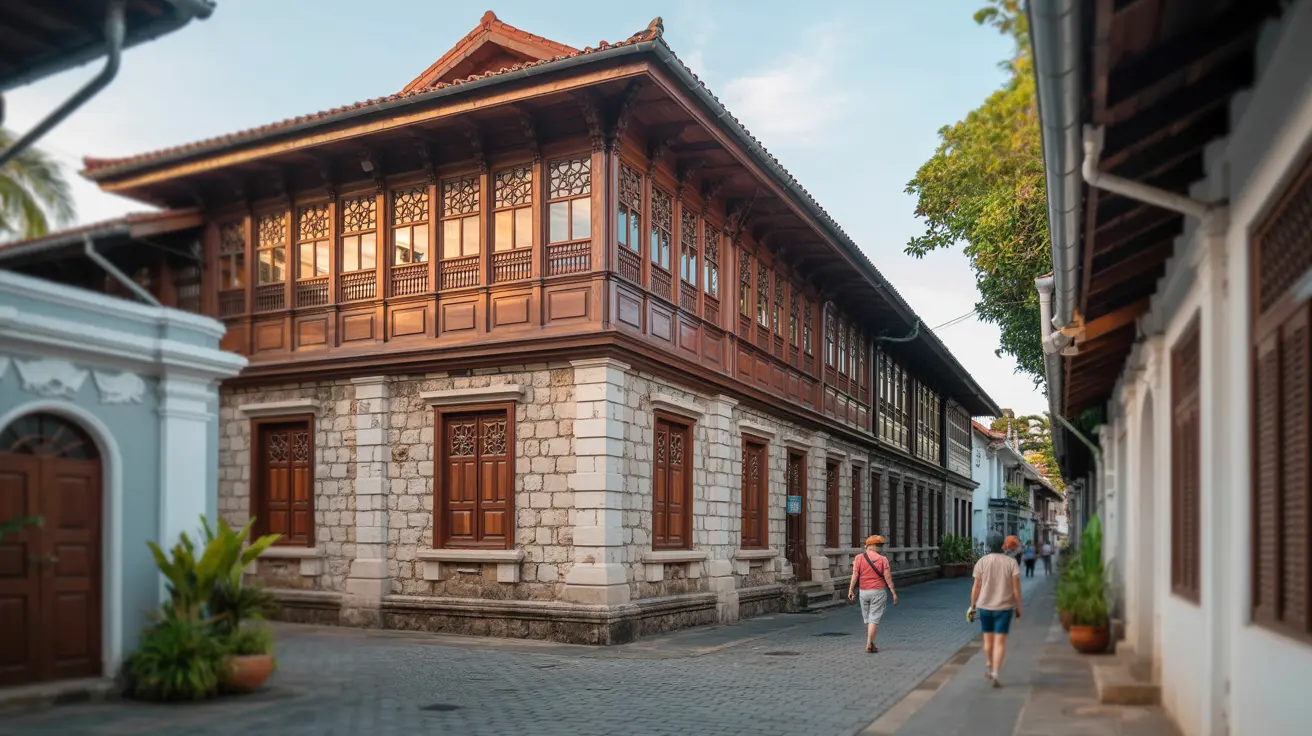
Casa Gorordo Museum is one of the easiest ways to understand old Cebu without reading a textbook. It sits in the Parian district, inside a real heritage house. You walk through rooms where people once lived. You see how daily life looked, how homes were built, and how Cebuano culture changed over time. The experience also feels more modern now, with better storytelling and visitor-friendly features.
Facts about the museum
- Location: Parian, Cebu City
- Address: E. Aboitiz Street, Parian area
- Typical hours: Monday to Saturday, 9:00 AM to 5:00 PM
- Managed by: Ramon Aboitiz Foundation Inc. (RAFI)
- Heritage status: Recognized as a National Historical Landmark
- Time needed: 60 to 120 minutes
- Best for: first-time visitors, heritage lovers, students, families with older kids
Where it is and why Parian matters
Parian is part of the story
Parian is one of Cebu City’s oldest historic areas. It is not just a spot on the map. It helps explain why this house looks the way it does and why the items inside feel so connected to Cebu’s past. Parian grew during the Spanish period, and it became closely tied to trade, migration, and old Cebu communities. When you visit the museum, you also get a clearer feel for the district around it.
Common problem: people end up on the wrong street
Many visitors assume it is on “Gorordo Street” because of the name. That mistake wastes time, especially if you have a tight schedule.
Simple fixes
- Pin the address before you leave.
- Use the street name in Parian, not the museum name alone.
- If you take a ride-hailing car, paste the full address line.
History that helps you enjoy the visit
A short timeline you can remember
This heritage house dates back to the mid-1800s. Early ownership is linked to Alejandro Reynes y Rosales. The home later became part of the Gorordo family story, including Juan Gorordo, widely known as the first Filipino bishop of Cebu. The house later became a museum through conservation and restoration work led by RAFI. It eventually gained national recognition as a historic landmark.
Why this history matters while you walk
This is not a random old house. It is a home that lived through major changes in Cebu. You can feel those changes in the rooms and layout. You can also see them in the way the house blends local design with colonial influence. When you understand that, the visit becomes more than quick photos.
Architecture and materials: what makes this house special
What “balay nga tisa” means here
Locals often describe heritage homes like this as “balay nga tisa”, a tiled-roof house. This style reflects a mix of influences that shaped Cebu, including native, Spanish, and Chinese elements. That mix shows up in the structure, design choices, and how the house is organised.
What to look for in the first five minutes
Many people rush to the “main rooms” and miss the best clues.
- Look at the overall shape and roofline first.
- Notice how spaces guide you from public areas to more private areas.
- Pay attention to details that feel both local and colonial.
Quick tip: Ask yourself one question as you move. “What happened in this room every day?” That mindset makes the place click.
What you will see inside and how to enjoy it more
How to get the most from each room
This museum works best when you slow down. Do not try to “finish” it. Try to understand it.
A simple way to visit
- Scan the room for 20 seconds.
- Pick one item that stands out.
- Ask what it meant in daily life.
- Move on before you feel tired.
You will see household objects, antiques, art pieces, and items tied to faith and family life. Together, they paint a clear picture of how people lived in Cebu across generations.
The modern layer: it feels more visitor-friendly now
A common complaint about house museums is that they can feel quiet and static. This one has improved its visitor experience over time, with more guided storytelling and features that help first-timers stay engaged.
Guided or self-paced: which one is better
If you want the “why,” go with a guided experience. It helps a lot, especially if you do not know Cebu history. If you prefer a quiet visit, you can explore at your own pace, but still ask one or two focused questions.
Simple rule
- Guided works best for first-time heritage visitors.
- Self-paced works best if you mainly want architecture and photos.
Entrance fee, opening hours, and visitor rules
Hours and timing
Most visitors plan around daytime hours, usually Monday to Saturday, 9:00 AM to 5:00 PM. Try to arrive early. You will feel less rushed, and you may get a calmer tour.
Common problem: fees and hours differ across websites
Travel pages do not always update quickly. Fees can change. Hours can shift on holidays or special days.
Smart solutions
- Treat online numbers as estimates.
- Bring small cash, just in case.
- If your schedule is tight, verify the current details through official museum channels before you go.
Basic etiquette that makes the visit smoother
- Speak softly in small rooms.
- Ask before using flash or filming.
- Follow staff guidance in fragile areas.
How to get there without stress
By taxi or ride-hailing car
This is the easiest option for most visitors. Use the Parian address. Do not rely on the name alone. Cebu traffic can surprise you, so add buffer time.
By public transport
Public transport can get you close, but it may take extra effort if you do not know the routes. If you feel unsure, use public transport for the main stretch, then switch to a short ride-hailing trip for the final leg.
Parking and walking
Parking can be limited in older downtown areas. If you drive, arrive earlier. If you plan to visit more heritage spots nearby, walking can make the trip feel more connected.
Best time to visit and how long you should stay
Best time of day
Morning is your best bet. It is cooler. It is often quieter. Photos also look better in softer light.
How long to stay based on your style
- 60 minutes: quick tour, key rooms, a few questions, then move on.
- 90 to 120 minutes: slower visit, more details, better understanding.
Common problem: visitors feel rushed
This happens when you arrive late. Fix it with a simple approach. Do a quick first loop. Then return to two rooms you liked most for a slower look.
Nearby heritage stops and a simple half-day plan
A short heritage walk idea
Because the museum sits in a historic area, it pairs well with other downtown Cebu heritage stops. Do not overpack your day. Two meaningful places beat five rushed ones.
Pairing tip: Choose one extra site for architecture and one for culture or history, then take a break.
Half-day plan that feels realistic
- 9:00 AM: arrive and tour the museum
- 10:30 AM: short walk around the historic area
- 11:30 AM: break, snack, and cool down
- 12:30 PM: one more heritage stop, or end the loop
Shop, coffee, and how to end the visit well
Museum shop
Small souvenirs can be a nice way to support heritage work. Keep it simple. Pick one item you will actually use or display.
Coffee stop
A short coffee break after the visit helps. It gives you time to process what you saw, and it keeps the rest of your day smooth.
Who this place is best for
Families with kids
It suits older kids who can follow stories and respect delicate spaces. If you have younger kids, keep the visit shorter and turn it into a simple “spot the details” game.
Students and researchers
This visit gives you context you cannot get from photos alone. Ask guides about the biggest changes they see in Cebu life through the house.
Architecture and heritage travelers
If you like heritage houses, you will enjoy the structure and the details. Take time with layout and design. Look for the blend of influences in how the home feels, not just how it looks.
FAQs
Is it worth visiting if I only have one day in Cebu City?
Yes, if you want a meaningful heritage stop that does not take all day. Plan for 60 to 90 minutes.
What is the best day to go?
Weekdays are usually calmer. Arrive early for a better pace.
Do I need a guide?
You do not need one, but you will learn more with one, especially if this is your first heritage visit in Cebu.
Why do fees and hours look different online?
Some pages do not update quickly. Fees can change, and schedules can shift. Verify current details before you go.
What should I bring?
Water, light clothing, and small cash. Also bring patience for downtown traffic and walking.
Conclusion
Casa Gorordo Museum is a simple, high-value stop in Cebu City if you want real heritage without a long time commitment. It gives you a clear look at Cebuano home life, the Parian setting, and the blend of influences you can see in both the house and the district around it.