
Limasawa Island Travel Guide 2026: How to Get There, Best Things to Do, Itineraries, and Budget
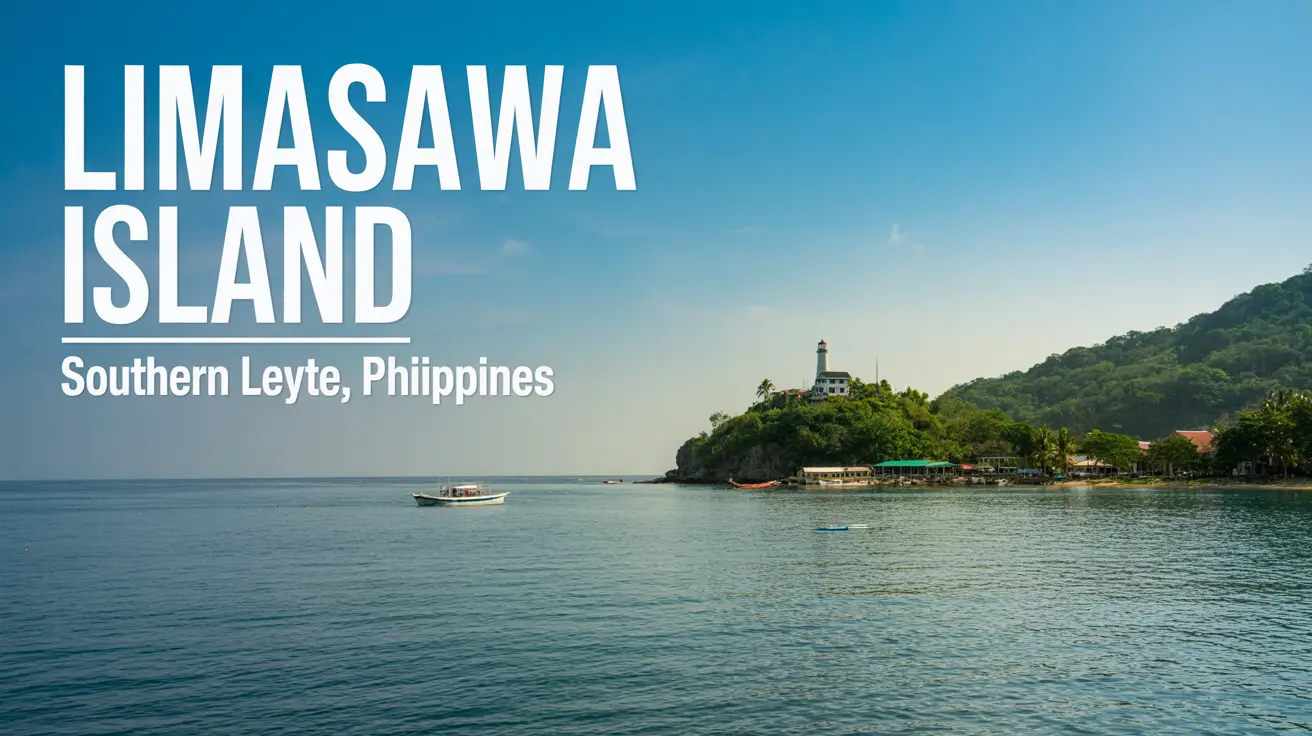
Limasawa Island is a small island in Southern Leyte, in the Eastern Visayas region of the Philippines. Most travelers come for two things: quiet beaches and the heritage site linked to the First Mass in the Philippines. Plan 2 days and 1 night if you want the trip to feel easy. A day trip can work, but boat timing can ruin it.
Best first time plan: Arrive early, do the heritage and road loop on day one, then do coves and snorkeling on day two.
Where Is Limasawa Island
Limasawa sits off the southern tip of Leyte. You reach it by crossing from the mainland of Southern Leyte. Most travelers use Padre Burgos as the main jump off point. The island feels local and calm. It has a simple layout and small communities.
Barangays and the island layout
Locals often use barangay names, not tourist names. Knowing them helps when you ask for directions or plan your loop.
- Cabulihan
- Lugsongan
- Magallanes (Poblacion)
- San Agustin (Tawid)
- San Bernardo (Tigib)
- Trianas
Why Visit Limasawa Island
This is not a party island. You come here to slow down. You ride coastal roads. You watch sunsets from high points. You swim in clear water when seas stay calm.
The heritage angle in plain words
Many Filipinos know Limasawa for the event tied to Easter Sunday, March 31, 1521, often described as the first recorded Catholic Mass in the Philippines. You will see markers and viewpoints linked to that story. Even if you are not a history person, the site works as a strong starting point because it gives you a wide view of the sea.
The nature angle that surprises people
The island has coves, reef areas, and viewpoints that look bigger than you expect. You can mix beach time, lighthouse views, and snorkeling in one short trip.
Best Time to Visit and What Weather Can Mess Up
Weather matters here more than on bigger destinations. Boats follow the sea, not your schedule.
What season feels easiest
Most travelers prefer the drier months because seas stay calmer and water stays clearer. You can still visit in wet months, but you need more flexibility.
Common problems and quick fixes
Problem: Boats delay or cancel.
Fix: Build a buffer. Avoid visiting right before a flight. If you must, choose an early crossing both ways. Confirm return options as soon as you arrive.
Problem: You reach the pier late and miss the last trip.
Fix: Travel to Padre Burgos the day before. Sleep nearby. Cross early the next morning.
Problem: The water looks cloudy on the day you planned to snorkel.
Fix: Switch the schedule. Do the island road loop and viewpoints first. Save the coves and reef time for the clearest window.
How to Get There
Most routes follow the same logic: reach Southern Leyte on the mainland, then cross by boat.
Padre Burgos to Limasawa Island
Padre Burgos is the most common starting point. You buy a ticket at the pier, then take a passenger boat to the island. Sometimes you can charter a smaller boat if you miss a trip, but that costs more.
How to make this smooth
- Arrive early at the pier
- Ask the boat crew about the last return trip
- Keep cash ready
- Pack light so boarding stays quick
From Tacloban
Many travelers land in Tacloban, then go overland to Southern Leyte, then continue to Padre Burgos. This route can take time because it involves long road travel.
Common issue: You lose half a day in transfers.
Fix: Start early. If you arrive in Tacloban after lunch, consider sleeping on the mainland first and crossing the next day.
From Maasin City
Maasin City works as a useful hub. You can travel from Maasin to Padre Burgos by road, then cross by boat. If you want fewer moving parts, this option often feels simpler than starting from farther cities.
From Cebu or the Mindanao side
You can reach Southern Leyte by ferry routes and then connect by road to Padre Burgos. Schedules change. Plan the route, then verify timing before you commit.
Route Comparison Table
| Start point | Usual path | Best for | Main risk |
|---|---|---|---|
| Tacloban | Road travel to Southern Leyte, then Padre Burgos, then boat | People flying in | Long transfers |
| Maasin City | Road to Padre Burgos, then boat | Simple planning | Boat timing |
| Cebu or Mindanao side | Ferry to Southern Leyte area, then road, then boat | Multi stop travelers | Schedule changes |
Getting Around the Island
You can cover most spots with a simple loop. You can also split it into land day and sea day.
Transport options
- Tricycle rides and day tours
- Motorbike rental if you ride confidently
- Boat rental for coves, lagoons, and reef areas
Problem: You waste time negotiating per stop.
Fix: Agree on a half day or full day price. List the stops you want. Put them in order. Confirm what the price includes.
Problem: You lose signal and cannot contact anyone.
Fix: Download maps offline. Save key numbers in your phone. Carry a power bank.
Best Things to Do in Limasawa Island
This section focuses on what travelers actually want: named spots, what to expect, and how to plan each one.
Visit the First Mass site viewpoint
Start here on day one. You get history, a strong view, and an easy orientation point. Keep the visit respectful. Dress modestly. Speak quietly.
A short note on the debate
Some people debate whether the first Mass happened here or in Butuan. You do not need to pick a side as a traveler. Treat it as a heritage visit. Focus on what you can see, learn, and experience on site.
Lighthouse viewpoints
Lighthouses and high points give you the best photos on the island. Go late afternoon for softer light and cooler air. If you visit at midday, bring water and sun protection.
Tip that makes photos better: Look for leading lines. Use the road, fence, or shoreline to guide the shot.
Dak Dak Beach
Dak Dak Beach often appears in island itineraries because it is easy to reach and easy to enjoy. It works well for a simple swim and a slow lunch.
Common issue: You arrive during the hottest hours and feel drained.
Fix: Go mid morning. Rest during noon. Do viewpoints later in the day.
Lagoons and coves
People love the calm, bright water when conditions line up. Ask locals about water clarity before you pay for a boat. If seas look rough, do land spots first.
What to bring: water shoes, dry bag, and a simple snorkel set if you own one.
Snorkeling and diving spots
The waters around Southern Leyte can offer strong marine life, especially when visibility stays clear. If you snorkel, keep it safe and respectful.
Common issue: You pay extra for last minute gear.
Fix: Bring your own mask and snorkel if you can. If not, ask your stay to arrange it before you arrive.
Safety basics
- Do not snorkel alone
- Check currents before you enter
- Avoid deep areas if you are not a strong swimmer
- Never stand on coral
Totoy Totoy Peak and other viewpoints
A short hike can give you a big payoff. Start early. Wear shoes with grip. Bring water. Stop often if the sun feels strong.
Top Spots Planner Table
| Spot | Type | Time needed | Best time | Best for |
|---|---|---|---|---|
| Heritage viewpoint | Heritage and view | 45 to 90 minutes | Morning | History and wide views |
| Lighthouse viewpoints | Scenic views | 30 to 60 minutes each | Late afternoon | Sunset and photos |
| Dak Dak Beach | Beach swim | 1 to 3 hours | Mid morning | Easy beach time |
| Coves and reef areas | Water day | Half day | Calm seas | Snorkel and swim |
| Peak viewpoint | Short hike | 1 to 2 hours | Early morning | Panoramas |
Where to Stay
The best place to stay depends on what you want to do first.
If you want easy access to basic services
Stay near the poblacion area. You can reach food and basic supplies faster.
If you want more water time
Choose a place that can help you arrange boats early. That saves time and stress.
Problem: You arrive and find limited room options.
Fix: Message ahead. Even a short confirmation helps. If you cannot book, arrive earlier in the day.
Suggested Itineraries
These itineraries solve the biggest planning problem on this trip: boat timing.
Day trip itinerary
This only works if you time the crossings well.
- Cross early from Padre Burgos
- Visit the heritage viewpoint
- Swim at Dak Dak Beach
- Choose one lighthouse viewpoint
- Return before late afternoon
Reality check: This can feel rushed. If you want coves and snorkeling, you will need more time.
2 days and 1 night itinerary
This is the best choice for most travelers.
Day 1: Heritage and island loop
Start with the heritage viewpoint in the morning. Then do the road loop with beach time. End the day at a lighthouse viewpoint for sunset. Eat early. Rest well.
Day 2: Water day and final views
Use the clearest part of the day for coves and snorkeling. Keep the afternoon open for a final viewpoint, then prepare for the return crossing.
Why this works: You can swap day two and day one based on sea conditions.
3 days and 2 nights itinerary
This plan fits photographers, slow travelers, and people who want multiple water sessions.
Day 1: Settle in and do the heritage viewpoint
Keep it light. Scout the island. Ask locals about current sea conditions.
Day 2: Full water day
Do coves and snorkeling. Add a second water spot if visibility stays good.
Day 3: Viewpoints and relaxed return
Do a morning hike or lighthouse stop, then return with less stress.
Budget and Fees
Costs change. Your final budget depends on group size, boat choices, and where you sleep. Still, you can plan a smart range.
Typical budget categories to plan for
- Mainland travel to Padre Burgos
- Boat crossing both ways
- Island transport for the loop
- Boat rental for coves and reef areas
- Room and meals
- Small entrance or environmental fees if charged
Sample budget logic that helps you plan
If you travel solo, you may pay more per person for private rides or boats. If you travel with a small group, you can split costs and save.
Problem: You overspend because you book everything on arrival.
Fix: Decide your priorities before you land. Pick either a full water day or a full land loop day as the main paid activity. Build the rest around it.
Food, Essentials, and Connectivity
Keep it simple. Think like you are going to a quiet island, not a big resort town.
What to bring
- Cash in small bills
- Power bank and charging cable
- Sun protection
- Water shoes for rocky entries
- Basic medicine and motion sickness tablets if you need them
- Dry bag for water days
Food expectations
You will find simple local meals, but choices can be limited. If you have strict dietary needs, bring snacks from the mainland.
Connectivity and power
Signal can vary. Do not assume you will have fast mobile data everywhere. Download maps before you cross.
Safety and Responsible Travel
This is the section that builds trust. It also prevents avoidable trip problems.
Boat safety
Do not force a crossing when seas look rough. Ask the crew about conditions. Wear a life vest when offered. Keep your bag secure and light.
Water safety
Swim where it feels calm. Ask locals about currents. Do not chase sea life. Avoid touching coral and rocks.
Respect at heritage sites
Speak softly. Keep the place clean. Dress in a respectful way. Treat markers and monuments with care.
Limasawa Island History in a Simple Snapshot
Travelers often hear names like Magellan and Pigafetta when they read about the island. You do not need a deep lecture to enjoy the visit. Just know the basics.
People link the island to a key early contact moment in 1521 and the Mass held on Easter Sunday. The story connects to local leaders and Spanish explorers. The topic also includes debates, but the island remains a major heritage stop for many visitors today.
FAQ
Is Limasawa Island worth visiting if I only have one day?
It can be worth it if you time boats well. Still, two days feels much better. You get more margin for delays and rough seas.
What is the best jump off point?
Most travelers use Padre Burgos because it offers a direct and common crossing.
What are the top things to do?
Most first time visitors prioritize the heritage viewpoint, a lighthouse viewpoint, Dak Dak Beach, and one water day for coves or snorkeling.
Can beginners snorkel here?
Yes, but pick calm areas and do not go alone. Ask locals where currents stay mild. Bring or arrange basic gear.
How many days do I need?
Two days and one night is the sweet spot. Three days works best if you want multiple water sessions or slow travel.
Conclusion
Limasawa Island works best when you keep the plan simple. Arrive early, lock in your boat timing, then split the trip into a land loop day and a water day. That one choice solves most problems before they start.
If the sea turns rough or schedules shift, do not force it. Switch to viewpoints, beaches, and the road loop, then save coves and snorkeling for the clearest window. With a little flexibility, you get the calm, history, and clear water that make this island worth the effort.