
Cool Lip Tobacco: Side Effects, Cancer Risk, and How to Quit
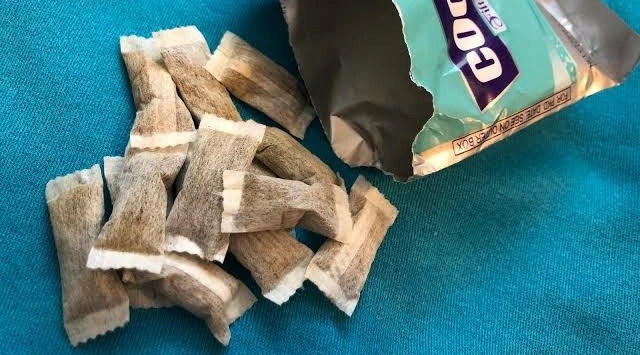
Cool Lip is a smokeless tobacco product used inside the mouth. Many people use it under the lip or between the cheek and gum. It can irritate mouth tissue and stain teeth. It can also cause nicotine addiction. That addiction makes cravings feel strong. This article explains common side effects, warning signs, and safe next steps. It also shares a simple plan to quit.
Key points in 30 seconds
- Smokeless tobacco can harm your mouth and gums.
- Dark lips and gum darkening are common early signs.
- Mouth sores and burning can happen where you place it.
- White patches that stay need a dental check.
- Tobacco use raises the risk of mouth cancer over time.
- A quit plan works best with support and simple routines.
What Cool Lip tobacco is
Cool Lip is a type of oral tobacco. People keep it in the mouth for minutes or hours. The tobacco mixes with saliva. It sits on the same spot again and again. That constant contact can damage tissue.
Why people use it
Some people use it for stress relief. Some use it for focus. Some use it because friends use it. Many keep using it to avoid withdrawal. Withdrawal can feel uncomfortable.
Why it feels hard to quit
Nicotine is addictive. It changes how the brain responds to stress and pleasure. The calm feeling does not last long. Then cravings return. The body starts to expect nicotine at certain times.
Common trigger moments
- After meals
- During work stress
- While driving
- With tea or coffee
- When bored or tired
- When around other users
Triggers can feel automatic. That is normal with nicotine habits.
How use patterns affect harm
More use usually means more exposure. Keeping it in one spot can be worse. The same area gets irritated each time. That can lead to sores and patches.
Higher risk habits
- Using many times a day
- Keeping it in for long periods
- Using it while sleeping or resting
- Placing it in the same spot daily
- Mixing with smoking or alcohol
If you do these, plan to quit soon. Your mouth can recover with time.
Common side effects people notice first
Many people see changes in the lips and gums. Some feel burning or soreness. Others notice taste changes.
Early signs
- Dark lips
- Dark gum line
- Mouth burning
- Sore spot where it sits
- Bad breath
- Tooth staining
- Dry mouth
- Bitter taste
These signs often improve after quitting. Some take weeks to fade.
Mouth and dental damage
Smokeless tobacco touches the gums and inner cheeks. It can inflame tissue. It can also reduce healthy blood flow in the mouth.
Gum problems
Gums can pull back from teeth. This is gum recession. Teeth may look longer than before. Gums may bleed during brushing. Some people feel pain while chewing.
Tooth problems
Stains can build up fast. Plaque can also build more easily. Cavities may become more likely in some users. Sensitive teeth can occur too.
Mouth sores and ulcers
Sores can form where the tobacco sits. Some sores heal after stopping. Some keep returning. A sore that lasts more than two weeks needs a check.
White patches in the mouth
White patches can appear on the inner cheek or gum. Some patches are from irritation. Some can be a precancer sign. A patch that stays needs a dentist visit.
Throat, jaw, and ear symptoms
Some users feel symptoms outside the mouth. These symptoms have many causes. Still, you should not ignore them.
Symptoms to watch
- Throat discomfort that lasts
- A lump feeling in the throat
- Pain while swallowing
- Jaw pain that returns often
- Ear pain on one side
- Voice change that lasts
If these persist, see a doctor. An in person exam matters.
Cancer risk and what it means
Using tobacco increases cancer risk over time. Risk means the chance goes up. It does not mean cancer will happen. Still, early checks are important.
Why the risk increases
Smokeless tobacco contains harmful chemicals. These can damage cells in the mouth. Damage can build over years. Some patches can change slowly. Early care helps catch problems sooner.
Mouth cancer warning signs
These signs do not prove cancer. They do mean you should get checked.
- A sore that does not heal
- A white patch that stays
- A red patch that stays
- A lump in the mouth or neck
- Unexplained bleeding
- Numbness in the mouth
- Pain when chewing that does not improve
- Trouble swallowing
If you see these, book a visit soon.
Red flags that need quick care
Do not wait for months with these signs. Getting checked early is the safest move.
Get checked within days if you have
- A mouth sore longer than two weeks
- A patch that grows or changes
- A lump in the neck or jaw
- Ongoing swallow pain
- Ongoing throat lump feeling
- Unplanned weight loss
- Severe one sided ear or throat pain
If breathing becomes hard, seek urgent care.
Who to consult
Many people delay because they feel unsure. Here is a simple guide.
Dentist
A dentist checks teeth, gums, and mouth tissue. They can spot risky patches early. They can also guide next steps.
ENT specialist
ENT doctors check the throat and voice box. They help with throat lump feelings. They also help with swallow problems.
Oral specialist
An oral specialist may check suspicious patches. They may suggest a biopsy. A biopsy tests a small tissue sample.
Online guesses cannot replace an exam. Photos can miss key details.
Quick symptom guide
Use this to pick the next step. It is not a diagnosis.
| What you notice | What it can be linked to | What to do next |
|---|---|---|
| Dark lips or gum darkening | Staining and irritation | Plan to quit and book a dental check if it persists |
| Burning sore spot | Tissue irritation | Stop use and see a dentist if it lasts |
| White patch that stays | Irritation or precancer change | See a dentist soon |
| Sore not healing after two weeks | Needs evaluation | Dentist or doctor soon |
| Throat lump feeling | Needs in person exam | Doctor or ENT visit |
How to quit smokeless tobacco
Quitting works better with a plan. Small steps reduce stress. Support improves success.
Step 1: Choose a quit date
Pick a day within the next two weeks. Write it down. Tell one trusted person. Make it real.
Step 2: Remove supplies
Throw away packs and wrappers. Clean places where you used it. Avoid buying “just one more.”
Step 3: Track triggers for two days
Keep it simple. Note the time and reason. This helps you plan replacements.
Example triggers:
- After lunch
- During stress
- While scrolling on your phone
Step 4: Use a replacement routine
Cravings rise and then fall. Many last a few minutes. Use a fast routine each time.
Good replacements:
- Drink water
- Chew sugar free gum
- Brush your teeth
- Walk for five minutes
- Take ten slow breaths
- Message a friend
Use the same routine every time. Repetition builds a new habit.
Step 5: Plan for high risk times
Meals are a big trigger. Stress is another trigger. Make a plan for both.
After meals:
- Rinse your mouth
- Brush your teeth
- Leave the table right away
During stress:
- Step outside
- Breathe slowly
- Do a short walk
- Use a stress ball
Step 6: Get support if cravings feel extreme
Nicotine dependence is real. Some people need extra support. A clinician can guide safe options. Counseling can also help.
A simple 7 day starter plan
This plan is practical and clear. It fits busy days.
Day 1: Prepare your space
Remove supplies. Clean your usual spots. Pick your replacement routine.
Day 2: Learn your triggers
Write down cravings. Notice the top three triggers. Plan a fix for each.
Day 3: Cut your strongest trigger
If it is after meals, change that routine. Brush right after eating. Drink water right away.
Day 4: Add support
Tell a friend or family member. Ask them to check on you daily. Keep your hands busy.
Day 5: Handle cravings with rules
Use the delay rule. Wait ten minutes before any decision. Use your routine during that time.
Day 6: Protect your weak moments
Sleep well if possible. Eat regular meals. Hunger can increase cravings. Keep water nearby.
Day 7: Review and adjust
Look at what triggered you most. Change your plan for next week. Keep going.
If you slip, restart the same day. Do not wait for Monday. One slip does not erase progress.
Mouth care while you quit
Your mouth can start healing after you stop. Simple care supports recovery.
Daily basics
- Brush gently twice a day
- Floss once a day
- Rinse with plain water after meals
- Avoid harsh scraping of patches
- Book a dental cleaning if possible
If you have sores, avoid spicy foods. Avoid very hot drinks too. These can irritate tissue.
Myths and facts
Myth: Smokeless tobacco is safe
Fact: It can still harm your mouth. It can still raise cancer risk.
Myth: Dark lips are only cosmetic
Fact: Darkening can signal irritation and exposure. It is a warning to stop.
Myth: If it does not hurt, it is fine
Fact: Some risky patches do not hurt. They still need a check.
Myth: I can quit anytime
Fact: Addiction can make delay harder. A plan helps you quit sooner.
FAQs
1. Is Cool Lip tobacco addictive?
Yes, it can be addictive. Nicotine can cause dependence. That is why cravings feel strong.
2. Can it cause dark lips?
Yes, it can cause staining and irritation. Darkening often improves after quitting.
3. What do white patches mean?
Some patches are from irritation. Some need closer checks. If a patch stays, see a dentist.
4. Can it cause cancer?
Tobacco use can raise cancer risk over time. Early checks matter for safety.
5. Which doctor should I see for mouth sores?
Start with a dentist. If needed, they can refer you.
6. What if I feel a lump in my throat?
If it lasts, see a doctor or ENT specialist. An exam is the safest step.
Conclusion
Smokeless tobacco can harm the mouth and gums. It can also create strong nicotine cravings. If you notice dark lips, sores, or white patches, take it seriously. If a sore or patch lasts two weeks, get checked soon. If you want to quit, keep it simple and steady. Pick a date, remove supplies, and use a repeat routine for cravings. Support makes quitting easier and more successful.