Travel Essentials: Simple Guide to Packing Smart for Any Trip
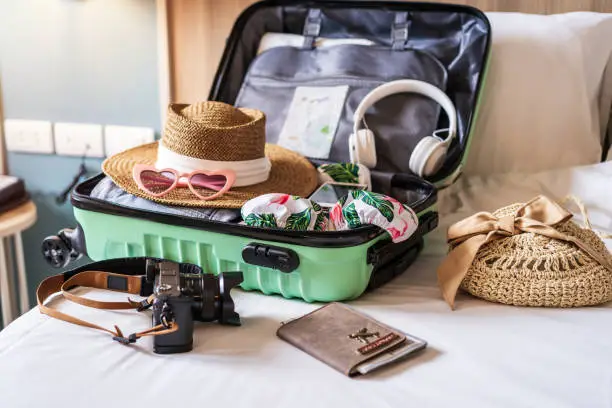
Most people feel the same before a trip. You stand by an open bag and think what if I forget something, what if my suitcase is overweight, what if the flight feels horrible. The goal of this guide is simple. Help you build a small, reliable system so your documents stay safe, your body feels okay and your luggage stays light.
What Travel Essentials Really Mean Today
Travel essentials are not every clever gadget you see online. They are the few things that protect your identity, your money, your health and your comfort. Everything else is optional. First you build a small core kit that works for almost any trip. Then you add a few extra pieces for your plan, such as a long flight, a beach week or a winter city break. When you see your bag like this, packing becomes a clear decision, not a last minute guess.
Non Negotiables: Documents, Money And Safety
Before you think about pillows or snacks, fix the serious risks. Lost documents or blocked cards can ruin a trip faster than a forgotten T shirt.
Keep Your Documents In One Safe Place
Your passport is the most important item on any international trip. Check that it will still be valid for at least six months after you return. Many countries ask for this, and some travellers only learn this rule at the airport desk. Keep your passport, boarding passes, visa printouts, hotel details and travel insurance in one travel wallet.
Take clear photos of every document. Store them in a secure cloud folder and in one email thread. If you lose paper copies, you can still show proof at check in or at a border. This simple step often turns a crisis into a delay.
Protect Your Money And Cards
Relying on one card is a common mistake. If that card fails in a cash machine or gets swallowed, you stand in a strange city with no access to money. Always travel with at least two bank cards, ideally from different banks. Keep them in separate places so one loss does not stop you.
Carry some local cash for taxis, small shops and markets. Avoid changing large amounts at airports where rates are often poor. Use bank machines in busy areas instead. Tell your bank about your trip before you leave so they do not block your card when they see charges from a new country.
Simple Safety Items That Help Everywhere
A few small items give you more peace in budget hotels, hostels and busy streets. A slim money belt or waist pouch holds spare cash and a backup card close to your body. An RFID wallet adds another layer of comfort if you worry about contactless theft.
A portable door lock or simple door wedge helps in rooms where the lock feels weak. Small padlocks for zippers or lockers protect bags in shared spaces. Proper luggage tags with your name, phone and email help when a suitcase takes a different journey from you. A small tracker inside checked luggage can save time when airlines misplace bags.
Build A Simple Comfort Kit For Flights
Many people hate long flights because they remember dry air, swollen legs and no sleep. You cannot control the cabin, but you can control a small comfort kit that fits in your personal bag.
Your Basic Sleep And Comfort Set
Think of your seat as a tiny bedroom. Start with a neck pillow that actually supports your head. Add compression socks to reduce swelling in your legs and feet. Wear or carry a light scarf or wrap that doubles as a blanket when the cabin cools down.
An eye mask blocks light when other passengers still use reading lamps. Earplugs or noise cancelling headphones reduce engine noise and loud conversations. When you use these items together, even long economy flights become more bearable.
Hydration And Skin Care In Dry Air
Cabin air dries eyes, lips and skin very fast. Take an empty reusable bottle through security and fill it after. Sip water often instead of relying only on small service cups. Keep a small tube of hand cream, a gentle face cream and lip balm in your seat pocket. Use them when your skin feels tight. If your eyes get dry, carry single use eye drops. These items are light but make a big difference when you land.
Tech And Digital Essentials That Actually Get Used
Many travellers pack cameras, tablets, laptops and speakers, then use only their phone. You do not need a bag full of devices. You need a small set that matches how you travel and work.
The phone is your main tool. It holds tickets, messages, maps and photos. Keep it charged with a good power bank and a short cable in your day bag. Pack a universal travel adapter with a few USB ports so you can charge more than one device in hotels with limited sockets. If you enjoy reading or watching shows, a small tablet or e reader is easier to manage than heavy books. Earbuds or light headphones handle entertainment and calls.
Some of the most useful essentials live inside your apps. Before your trip, install airline and hotel apps and log in from home. Download offline maps for your destination and a translation app that works without data. Store clear photos of your passport, visa and insurance in a secure cloud service. Consider an eSIM or roaming plan so you understand data costs before you land.
Lock your phone with a strong code or biometric option. Turn on two factor login for bank and email accounts. Be careful on public Wi Fi, especially with banking and other sensitive sites. These habits protect your digital life as much as a physical lock protects your room.
Packing And Luggage: How To Stop Overpacking
Overpacking is one of the most common problems. It leads to heavy bags, extra fees and daily stress each time you pack between stops. A simple system and a few rules can cut your load in half.
Choose your bag based on how you move. A small rolling suitcase suits city trips with smooth paths. A backpack helps when you use trains, stairs and cobbled streets. A soft duffel is great for car trips. Think about how often you will carry the bag, not only how it looks.
Use packing cubes to separate clothes into clear groups. One cube for tops, one for bottoms, one for sleepwear and gym wear. Keep a small laundry bag for dirty items. Use a toiletry bag with clear pockets and a small pouch for chargers and devices. When every category has a home, you spend less time hunting for small objects in a messy suitcase.
To avoid overpacking, set firm limits. A simple example for a week could be five tops, four bottoms, three pairs of shoes, two nicer outfits and one jacket. Adjust the numbers to your style and weather, but keep the idea of limits. Choose a colour palette that lets you mix pieces into many outfits. Before you close your bag, remove at least one item you know you packed only from fear. Most people never miss that last extra piece.
Health, Hygiene And A Small First Aid Kit
Getting sick on a trip is a real fear. You cannot control every bug, but you can handle many small issues with a basic kit.
Pack a few pain relief tablets for headaches or body aches. Bring simple stomach medicine and rehydration salts, especially for hot climates. If you have allergies, carry your usual tablets. Keep all prescription medicine in your carry on bag, in original boxes with clear labels. A tiny first aid kit with plasters, antiseptic wipes and a small bandage covers cuts and scrapes until you reach proper care.
Shared spaces mean more germs. Carry hand sanitiser and use it after touching many surfaces. Pack antibacterial wipes for tray tables, armrests and your phone screen. Tissues and wet wipes help with spills and sticky hands. A travel toothbrush, toothpaste and deodorant make long days feel fresher.
For sunny trips, sunscreen, a hat and sunglasses are not extra. They are essentials. For tropical areas, add insect repellent and light long sleeves for evenings. For cold trips, choose a thicker moisturiser and lip balm that handle wind and dry air.
Simple Scenarios To Guide Your Packing
Once you know your core kit, you can adjust it to your plan instead of following random lists.
For a long haul flight, your carry on should hold documents, cards, phone, tech pouch, basic medicine and a spare outfit. Add your flight comfort set with neck pillow, compression socks, scarf, eye mask and earplugs or headphones. Include snacks, a water bottle and a small wash bag. If your checked suitcase goes missing, you will still cope.
For a short weekend city break, you want speed and ease. Choose one small suitcase or backpack and a day bag. Pack a mini wardrobe that works around comfortable shoes, two or three tops and one or two bottoms that mix and match. Bring one light jacket that works day and night. Focus on pieces you will wear twice, not once.
Families need extra planning. Children often get hungry, bored and messy faster than adults. Pack plenty of snacks that do not melt, plus a refillable bottle, wipes and tissues. Carry a complete change of clothes for each child in your carry on. Bring children’s medicine in case of fever or pain. Keep simple entertainment such as colouring pages, toys and downloaded shows with headphones.
Common Questions About Travel Essentials
Many travellers ask the same few questions when they pack.
One common question is what should always go in a carry on bag. The answer is everything you need for one safe day if checked luggage goes missing. This means documents, cards, cash, phone, charger, essential medicine, a spare outfit, basic toiletries, a small comfort kit and a snack.
Another question is how to pack light but stay comfortable on long flights. The key is a small, solid comfort kit and a flexible outfit. Wear soft layers and good socks, and bring a neck pillow, eye mask, earplugs or headphones and a water bottle. Keep gadgets simple with a phone, power bank and adapter. Comfort comes more from planning than from carrying more things.
People also ask what belongs in a basic travel first aid kit. You do not need a huge box. A few plasters, antiseptic wipes, a small bandage, pain relief tablets, stomach tablets, rehydration salts and your regular allergy tablets cover many problems. Add your personal prescription medicine and keep this kit in your day bag, not in checked luggage.
Final Thoughts And Next Steps
A good set of travel essentials is not one fixed list. It is a small, flexible system that you adjust for each journey. Start with non negotiables for documents, money and safety. Add a comfort kit, simple tech, a clear packing system and a basic health pouch. Then tweak a few items for long flights, city breaks, beach weeks or family trips. Over time, you will build a personal checklist that fits your life, and packing will feel calm instead of stressful.