
Hiking On Kauai Island: Complete Trail Guide For Every Type Of Hiker
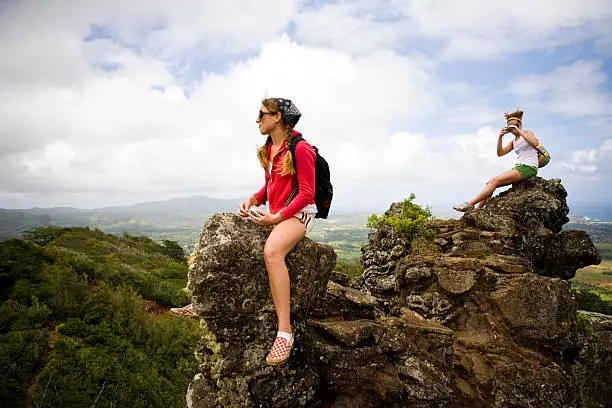
Kauai looks small on the map, yet the ridges and canyons make it feel huge once you start walking the trails. This guide helps you choose safe, realistic routes that match your fitness, your base town, and your time on the island.
How Hiking On Kauai Works
The Main Regions On Kauai
Hiking on Kauai feels different because each side of the island has its own mood, weather, and terrain. Your plan should always start with a simple overview of the four main regions and the hikes that live in each.
The North Shore holds the Na Pali Coast, Haena State Park, Keʻe Beach, Hanalei, and Princeville. Trails here pass lush valleys and steep sea cliffs, and rain comes often. The East Side around Wailua and Kapaa offers forested ridges, river valleys, and easier access from the main highway.
The South Shore around Poipu stays sunnier and drier for much of the year. Coastal walks like the Mahaulepu Heritage Trail and short cliff paths near Shipwreck Beach sit close to resorts and beaches. The West Side around Waimea Canyon and Kokee State Park delivers canyon views, high forests, and long ridge lines above the Na Pali cliffs.
Trail Types You Will Meet
Across these regions you find a mix of trail types. Coastal cliff walks bring ocean views and sea breeze. Canyon and ridge hikes climb or drop along red rock walls. Waterfall trails follow streams through dense forest. Short viewpoint paths leave from road lookouts and suit quick stops.
Because of this mix, you can always match your day to your real energy level. You do not need to chase the hardest hike to have a strong memory.
Essential Rules, Permits And Safety On Kauai Trails
Haena State Park And North Shore Access
Before you pick any hike, understand how access rules work on the North Shore. The state limits daily visitors around Haena and Na Pali to protect the area and reduce rescue calls. Park staff and local agencies repeat this point in their public updates.
Entry to Haena State Park now requires advance reservations for most visitors. Keʻe Beach and the trailhead for the Kalalau Trail and Hanakapiai Beach sit inside this park. You choose between parking passes for a private car or shuttle tickets from the designated lot. Without a reservation, you will not reach the start of these routes.
Kalalau Trail Camping Permits
Anyone who plans to walk beyond Hanakapiai Valley on the Kalalau Trail needs a camping permit. The permit covers the Na Pali Coast State Wilderness Park, and the rule applies even if you hope to return the same day. Rangers can check permits along the path.
Camping permits open in advance in limited numbers and cover sites like Hanakoa and Kalalau Beach. Strong planning and flexible dates help a lot. The safest move is to confirm every detail with the state park or land department before you build your whole trip around this one trail.
Weather, Seasons And Closures
Weather and surf shape hiking days more than most visitors expect. Winter often brings large north and west swells, strong rain, and flash flood risk in valleys. Summer feels hot and humid with more stable seas, but showers still appear and turn many paths muddy.
The safest routine stays simple. Start early, set honest time limits, and respect closure signs. Trails can shut down after landslides, heavy rain, fire danger, or big surf. Ignoring barriers can lead to serious injuries or expensive helicopter rides.
Common Hazards On Popular Trails
On many popular hikes, the same hazards repeat. You see narrow ledges, steep drop offs, wet roots, and slick red clay. Streams can rise fast during storms and turn calm crossings into deep, fast channels.
You protect yourself by wearing shoes with grip and packing enough water. Watch the clouds and the surf and turn around early when things feel off. Do not push past your comfort zone just to match a photo.
How To Choose The Right Kauai Hike For You
Start With Your Base Town
Choosing the right routes starts with where you stay on the island. Driving from Poipu to Hanalei or from Princeville to Waimea Canyon can eat hours of daylight. Long drives after tough hikes also drain energy and attention.
If you stay in Princeville or Hanalei, you sit close to Haena, Keʻe Beach, and the Kalalau trailhead. Smaller North Shore paths and lookouts also sit nearby. Guests based around Kapaa or Wailua can reach East Side forest trails like Kuilau Ridge and Sleeping Giant quickly. Those staying near Poipu enjoy easy access to Mahaulepu and South Shore views.
Travelers who choose lodging near Waimea or in cottages up in Kokee State Park wake up close to canyon and ridge trailheads. This helps for longer days like the Awaawapuhi Trail or the Canyon Trail to Waipoo Falls and reduces risk from late drives in fog or rain.
Match Routes To Fitness And Exposure Comfort
Next, match hikes to your fitness and your comfort with exposure. Photos rarely show how steep, narrow, or muddy a trail feels underfoot. Many rescues come from visitors who underestimate that gap between a flat image and a real drop.
If you want relaxed walks with less risk, focus on forest paths with wide tread or mellow coastal sections. Think about parts of the Mahaulepu Heritage Trail, Kuilau Ridge, short lookout paths near Waimea Canyon, and some beach walks near Poipu. Save extreme cliff edges and long descents for another visit.
Active visitors who enjoy regular exercise can target moderate routes. Good examples include Hanakapiai Beach, the Canyon Trail to Waipoo Falls, the Awaawapuhi Trail, Sleeping Giant, and Hoopii Falls. Experienced hikers who handle heavy packs, exposure, and river crossings may plan the full Kalalau Trail with proper permits and gear.
Think In Time Blocks
Also consider how much time you really have. Kauai paths fall into clear time bands. Some walks take one or two hours and work as a warm up or travel break. Others fill a half day and need a clean morning or afternoon. Full day missions demand early starts and focused pacing. Multi day treks like Kalalau need full trip planning and backup plans.
North Shore Highlights: Na Pali Coast And Hanalei Area
Why The North Shore Feels Special
The North Shore carries the most famous routes on Kauai and some of the most dramatic views. It also sees the most rescues and weather issues. A careful plan helps you enjoy this area without turning your vacation into a stress test.
Kalalau Trail Overview
The Kalalau Trail starts at Keʻe Beach and runs along the Na Pali Coast for many miles. It weaves above cliffs and in and out of valleys before reaching Kalalau Beach. Many outdoor writers describe it as one of the most beautiful and demanding coastal routes in the world.
For most visitors, the best way to taste this path comes from the day hike to Hanakapiai Beach. This spot sits about two miles from the trailhead and offers wide views of the coast and lush valley walls. The surf here often looks wild and unpredictable even on bright days.
Hanakapiai Beach Day Hike
The walk to Hanakapiai Beach feels steep, rough, and muddy in places. Roots, slick rock, and narrow sections hug the hillside. Strong legs, focused footing, and decent shoes make a big difference. Park staff usually suggest this section for confident walkers rather than very young children or anyone who fears heights.
Hanakapiai Falls Extension
From Hanakapiai Beach, a separate trail heads inland toward Hanakapiai Falls. It adds about two extra miles each way along a rougher path with several stream crossings. Hikers wade across cold water, scramble over boulders, and push through tight forest to reach a tall waterfall that drops into a deep pool.
The full journey to the falls feels rewarding but tough and slow, especially after rain. It suits strong day hikers who feel comfortable with wet rocks and long days. Families with smaller kids or those short on time may prefer to stop at the beach or choose easier waterfall routes near Wailua.
Beyond Hanakapiai And Other North Shore Spots
Beyond Hanakapiai, the Kalalau Trail enters permit territory and the terrain grows more serious. Exposed stretches increase, and risk climbs in poor weather. Only experienced backpackers with confirmed camping permits, proper gear, and clear respect for park rules should plan this part of the trek.
Around Hanalei and Princeville, smaller routes and viewpoint walks also wait. Short climbs lead toward Hanalei valley overlooks. Drives up toward Kokee State Park reach road lookouts like Kalalau Lookout and the Pihea area. These spots give vast views over Na Pali without a full day on the Kalalau Trail.
Queen’s Bath near Princeville often appears in glossy photos that make it look like a calm tide pool. Local rescue teams and county warnings treat it as one of the most dangerous spots on the island. Unexpected waves can sweep across the rocks even when the water looks flat. Many residents now advise visitors to skip this site and choose safer coastal walks instead.
West Side Wonders: Waimea Canyon And Kokee State Park
Waimea Canyon Overview
Waimea Canyon is often called the Grand Canyon of the Pacific in travel and geology circles. Deep red cliffs, green valley floors, and layered rock walls create wide views from several roadside pullouts and hiking routes. The drive alone feels worth the time.
Canyon Trail To Waipoo Falls
One of the best known trails here is the Canyon Trail to Waipoo Falls. The route begins near the Puʻu Hinahina lookout and moves through forest and along the canyon rim. It ends at a set of smaller falls and pools that sit above the main Waipoo drop rather than at its base.
The Canyon Trail usually suits active beginners and families with older children. It includes some steep and rocky parts but avoids the most extreme exposure. Patient walkers earn big views into the canyon plus time near flowing water at the end.
Awaawapuhi Trail And Other Ridge Routes
Higher up in Kokee State Park, the Awaawapuhi Trail leads through native forest and down toward a narrow ridge above the Na Pali cliffs. The ridge lookout offers one of the most dramatic endings on the island, with deep valley cuts and crashing waves far below.
This route feels longer, steeper, and more exposed than the Canyon Trail. Many hikers suggest it for strong walkers who handle elevation changes well. They also stress care near the end, where visitors must stay behind railings or away from crumbling edges.
Other ridge and valley trails cross Kokee and the canyon region. Many short paths leave from roadside lookouts. Even travelers who do not want a full hike can still stretch their legs and take in large views backed by simple information panels.
South Shore Coastal Walks Near Poipu
Why The South Shore Works For Relaxed Days
The South Shore stays sunnier and drier than the North Shore during much of the year. Climate records from weather agencies support this pattern. That makes this side a strong base for visitors who prefer stable trail conditions, beach time, and relaxed coastal walks.
Mahaulepu Heritage Trail
The Mahaulepu Heritage Trail begins near Shipwreck Beach by a large resort in Poipu. It follows the shoreline east along crumbling cliffs, sand dunes, limestone formations, and sections of coastal shrub. Walkers see steady ocean views and may spot sea turtles or birds along the way.
This path works well for casual walkers and families because you can choose a short section or walk the full route. The trail offers exposure to sun and some uneven rock but not the extreme drop offs found along parts of the Na Pali coast.
Other Poipu Area Walks
Around Poipu, small paths lead to viewpoints above Shipwreck Cliff. Paved or packed walkways connect resorts, beaches, and lookouts. Rest days from bigger hikes can still include gentle strolls with sea breezes and sunset views without serious planning or gear.
East Side Forest And Waterfall Trails Near Wailua And Kapaa
Kuilau Ridge Trail
The East Side around Wailua and Kapaa gives a mix of ridge walks, waterfall paths, and river adventures. The Kuilau Ridge Trail starts from a small parking area inland from Kapaa and climbs gently along an old road bed through dense forest. It leads toward open grassy areas and broad views across interior ridges.
Kuilau Ridge has become a favorite among local families and visitors. It offers big scenery without dangerous cliffs and feels like a safe introduction to Kauai hiking.
Hoopii Falls Trail
Hoopii Falls sits on a different track near Kapaa and offers a more playful route. The narrow path includes tree roots, mud, and short scrambles down toward a series of waterfalls and pools. Some scenes here have appeared in films and travel magazines.
Confident walkers enjoy this trail as a compact adventure that still feels wild. In wet weather, it can turn very slick, so care and good shoes matter.
Sleeping Giant And River Trips
The Sleeping Giant, also known as Nounou, rises above the East Side and hosts a few different approaches. Trails climb through forest and up toward a rocky summit area with wide ocean and town views. Many guidebooks list it as a moderate workout for those who handle steady gain and exposed rock near the top.
On the Wailua River, local outfitters run guided kayak trips and canoe tours. These outings usually combine paddling with short hikes to waterfalls such as Uluwehi Falls, often called Secret Falls. They suit visitors who enjoy a mix of movement and like having a skilled guide handle routes, tides, and timing.
Hiking On Kauai With Kids, Older Family Members, And Relaxed Walkers
Choosing Gentle Routes
Families and relaxed travelers can build great hiking days on Kauai without touching intense routes. The key is to focus on distance, shade, and trail type rather than chasing the most famous name.
Good starter options include Kuilau Ridge and shorter sections of the Mahaulepu Heritage Trail. Gentle walks to Waimea Canyon lookouts, small paths around Poipu, and mellow stretches of beach or river trail near resort areas also work well. Surfaces stay more even and help sits close if needed.
Tips For Making Family Hikes Easy
Parents can make long days easier by packing plenty of water, snacks, hats, reef safe sunscreen, and light layers. Early starts beat heat and crowds. Clear turnaround times keep energy steady. Giving children small goals along the way, such as reaching the next viewpoint or shaded tree, also helps.
Older visitors or those with mobility limits may prefer lookout walks and short path segments instead of full hikes. They still enjoy wide views around Waimea Canyon, Hanalei Valley, and the South Shore using roadside pullouts, benches, and visitor centers designed for access.
What To Pack And Wear For Trails On Kauai
Footwear And Clothing
Your feet carry you all day, so footwear matters more than almost any other item. Most experienced hikers and local shops suggest trail running shoes or light hiking shoes with strong grip. Simple beach sandals or smooth gym sneakers often fail on wet rock and mud.
Clothing should dry fast and manage sweat. Light shirts, breathable shorts or pants, and socks that avoid blisters when wet work best. A sun hat and a light rain jacket belong in your pack, since showers can move in suddenly even on clear mornings.
Safety Essentials And Multi Day Gear
Safety items include enough water for the full hike plus extra, salty snacks, sun protection, and a small first aid kit. A simple headlamp or flashlight helps with unexpected delays. Trekking poles support knees and balance on steep or muddy routes like parts of the Kalalau Trail, Awaawapuhi, or Hoopii Falls.
For multi day trips such as a full Kalalau journey, hikers also bring a sturdy but light pack, a tent or hammock, and a sleeping quilt. A compact kitchen setup and water treatment gear join that list. Backcountry groups and wilderness medicine organizations share clear advice on storing food and managing waste in fragile coastal valleys.
Sample Kauai Hiking Itineraries
Two To Three Days Focused On The North
Short trips still benefit from structure. If you spend two or three days near the North Shore, you might warm up with a Kuilau Ridge walk or an East Side outing on your arrival day.
Next, you can explore Hanalei lookouts or a partial Sleeping Giant climb. Finish with the Hanakapiai Beach section of the Kalalau Trail, leaving room for weather changes and backup plans.
Three To Four Day Mixed South And West Plan
For a three or four day mixed itinerary based in Poipu or Lihue, start with the Mahaulepu Heritage Trail and beach time. Then drive up to Waimea Canyon for lookouts and the Canyon Trail to Waipoo Falls.
On the last day, pick a shorter Kokee ridge walk or an easy coastal stroll, depending on how your legs feel and where the weather looks clearest.
Week Long Trip With Kalalau
Visitors with a week who hold Kalalau permits might shape the whole stay around that trek. Place it in the middle of the trip. Spend early days on lighter hikes and gear checks. Use later days for recovery, gentle beach walks, and drives to easy viewpoints rather than more heavy climbs.
Respecting Kauai’s Land, Culture, And Wildlif
Cultural Respect
Every trail on Kauai runs through places with deep meaning for Native Hawaiian communities. Valleys once held taro terraces, fishing grounds, and sacred sites. Local cultural groups remind visitors that hiking here should include humility, quiet respect, and care for the stories tied to the land.
Leave No Trace And Supporting Locals
Leave No Trace principles offer a clear framework. Stay on marked paths, pack out every scrap of trash, and avoid building rock stacks or carving surfaces. Keep noise low near waterfalls and viewpoints. Give space to wildlife, including monk seals, sea turtles, and nesting birds.
You can also support local communities by using island shuttle services and choosing tours run by residents. Buying food from small trucks or family spots near trailheads keeps money on the island. Follow modern kapu or custom guidelines on signs or shared by guides, especially around sacred areas.
Quick Summary Of Main Kauai Hike Choices
When you step back, the pattern looks simple. Kauai hiking options fall into clear groups. Dramatic but demanding coastal and ridge routes include the Kalalau Trail and Awaawapuhi. Moderate canyon and forest routes include the Canyon Trail and Kuilau Ridge. Relaxed coastal walks include Mahaulepu. Short lookout paths sit near many roads.
Once you know your base town, your comfort with exposure, and your real fitness level, you can build safe and rewarding days. This approach lets you see the best of the Garden Island without forcing your group into routes that belong on someone else’s bucket list.
FAQ About Hiking On Kauai
1. Do You Need A Permit For The Kalalau Trail?
Day hikes to Hanakapiai Beach or Hanakapiai Falls require a Haena State Park reservation. Any travel past Hanakapiai Valley needs a camping permit for Na Pali Coast State Wilderness Park. You must secure both access types through official channels before you go.
2. How Do Haena State Park Reservations Work For Day Hikers?
Visitors book specific dates and time windows online. They choose either parking passes for private cars or shuttle tickets. Spaces sell out fast during busy weeks, so experts advise booking as soon as the calendar opens and checking details on the latest park notices.
3. What Are The Best Easy Hikes For Beginners Or Families?
Good starter choices include Kuilau Ridge and short sections of the Mahaulepu Heritage Trail. Various Waimea Canyon lookouts with small paths also help. Gentle resort or beach walks near Poipu or Kapaa round out the list. Surfaces stay more even and support sits close.
4. Is Swimming Safe At Hanakapiai Beach Or Queen’s Bath?
Local reports and county warnings describe strong currents, sudden large waves, and past drownings at both locations. Many residents and safety officers strongly discourage swimming there. They suggest guarded beaches or calmer coves for water play instead.
5. What Is The Best Time Of Year To Hike On Kauai?
You can hike all year. Winter brings more rain and big surf on the North Shore. Summer offers calmer seas and steadier weather. Many visitors save intense coastal hikes for stable days and choose canyon or forest routes when conditions on the cliffs look rough.
6. Are Guided Tours Worth It Compared With Going Alone?
Guided tours help those new to hiking or nervous about navigation. They also serve visitors who want deeper cultural and nature insight. Trained guides manage permits, timing, and safety while you focus on the experience.


