
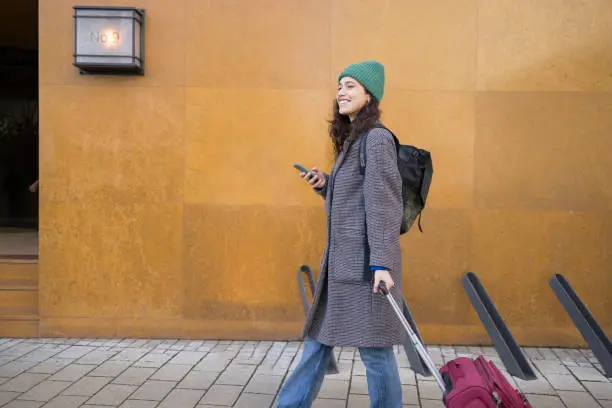
Solo Travel Tips: How To Travel Alone Safely And Confidently
Solo travel gives you the freedom to move at your own pace, choose your own plans and learn what you enjoy without pressure from others, yet it also brings questions about safety, loneliness and planning, so this guide walks you through the full journey from picking a destination and creating a simple safety system to handling tough moments on the road and returning home with more confidence than when you left.
What Solo Travel Really Means Today
Solo travel today is not about being a lonely person who could not find company, it is about someone who chooses independence, wants flexible days, prefers to listen to their own energy and is open to meeting people in natural ways instead of being locked into a fixed group plan.
Solo Travel Versus Feeling Lonely
Traveling alone means you decide when to talk and when to stay quiet, because you can share a meal with new friends one night and enjoy a slow walk by yourself the next day, and many people discover that they actually feel less lonely on the road than at home when they learn how to use public spaces, tours and social spots at their own pace.
Different Types Of Solo Travelers
Solo travelers come in many shapes, such as first time travelers who want one safe city break, solo women who care deeply about security and comfort, digital workers who bring their laptop and work from other countries, older travelers who finally have time and money to explore and budget backpackers who chase long journeys on simple daily costs.
Benefits Of Traveling Alone
When you travel alone, every clear choice you make such as reading a map, catching a train, picking a hotel or talking to a stranger becomes proof that you can trust yourself, and over time this proof builds strong confidence, calm under pressure, flexible thinking and a better sense of what kind of places, people and routines actually suit your life.
Is Solo Travel Safe
Solo travel can be safe when you treat risk as something to manage with habits instead of something to ignore or fear, and that means accepting that every place has some danger while also seeing that most trips end well when travelers stay aware, listen to their instincts and make careful plans.
Common Risks When You Travel Alone
The main risks for people who travel alone include small crime like pickpocketing, scams around taxis and tours, unwanted attention, confusion about transport, minor health issues and sometimes more serious situations, and your goal is to shrink the chance and impact of these problems instead of pretending they do not exist.
How Identity Changes Safety
Safety can feel different depending on gender, age, race and sexual orientation, so a young woman, a queer traveler or a traveler of color may face extra comments, stares or rules in some countries, and that is why checking local customs, laws, dress codes and social norms before you book your trip matters so much.
Using Official Advice In Your Planning
Official travel advisories, public safety guides and embassy pages often list common scams, risk levels and special advice for women and other groups, and reading these early helps you choose better destinations for a first solo trip and gives you clear guidance on what to avoid once you arrive.
A Simple Safety Framework For Solo Travelers
A clear way to think about safety is to picture four layers that you protect in order, starting with your body and health, then your documents, then your money and finally your gear, so you make decisions that always protect the most important layer first.
Protecting Your Body And Health
Your body and health sit at the top of the safety list, which means you trust your gut feelings, avoid dark shortcuts, watch how much you drink, pay attention to fatigue or illness and leave any person, car, bar or street that feels wrong even if you worry about seeming rude in the moment.
Protecting Your Passport And Papers
Your passport, visas and identity papers are the next layer, because replacing them is slow and stressful, so you keep them in one secure place close to your body, store photocopies in another part of your luggage and save digital copies in a secure account that you can reach from any device if needed.
Protecting Your Money
Money matters, but it still comes after your body and documents, so you avoid waving cash around, keep at least one backup card in a separate place, learn how to lock or freeze your cards through your bank and hold a small emergency fund that can cover a few nights of safe accommodation and a ticket out if things go wrong.
Protecting Your Gear
Your phone, camera and laptop belong to the last layer, which means you still care about them but you never risk your body or documents to save them, and you lower the chance of loss with simple habits like wearing bags across your chest, closing zippers, looping straps around chair legs and keeping valuables on you when you move between buses, trains and stations.
Public Over Private
A helpful rule for solo travel is to choose public over private by default, so you meet new people in busy cafes, hotel lobbies or group tours instead of isolated apartments, use official taxis and known transport apps instead of random cars and prefer lively streets over empty ones when you move around, especially at night.
Planning Your First Solo Trip Before You Go
Good planning does not kill the fun of travel, it protects it, because a clear structure and simple backup plans keep you free to enjoy the moment without constant fear about where you will sleep or how you will get from one place to another.
Choosing A Destination For Your First Solo Trip
For a first solo trip, you make life easier by choosing a place with stable conditions, reliable public transport, clear signs, visible tourism support and a general reputation for safety, and you can start with a city or country that shares some language with you or has a strong culture of welcoming visitors.
Deciding Trip Length And Style
A long weekend in a nearby city or a one week trip is usually enough to learn how you handle travel days, quiet evenings and basic problems, while longer and more complex itineraries make more sense once you know your habits and stress points on the road.
Budgeting With A Safety Buffer
Your budget should reflect your real income instead of your dream version of yourself, so you list likely costs for accommodation, food, local transport, entry fees and small treats, then add a clear buffer for emergencies and surprise expenses instead of planning every day at the minimum possible cost.
Booking Flights And Accommodation Safely
When you book flights, you watch arrival times and try to land with enough daylight left to reach your hotel without pressure, and when you choose accommodation you read many recent reviews, pay attention to comments from solo travelers, check the area on a map and pick locations near transport and services instead of chasing the very lowest price.
Travel Insurance And Important Documents
Travel insurance matters even more when you move alone, because there is no partner to carry you through illness or injury, so you choose a policy that covers medical care, serious events, lost or stolen items and trip changes, then keep your policy details with you and share them with a trusted person at home along with copies of your passport and tickets.
Sharing Your Plans With Someone You Trust
Before you leave, you send your itinerary, hotel names and contact details, flight numbers and rough route to a family member or friend, agree on how often you will check in and tell them how they should react if you miss more than one planned update, which gives both you and them a sense of structure and support.
What To Pack As A Solo Traveler?
Packing light is one of the most powerful solo travel tips, because every extra item is another piece of weight that only you will lift, so one carry on bag and one small daypack will normally serve you better than large heavy suitcases that limit your choice of transport and tire you out.
Clothing And Shoes For Flexible Days
Clothes that mix easily, dry quickly and layer well are more useful than many special outfits, and one pair of shoes that you can walk in all day plus one lighter option for evenings will usually cover most trips without filling your bag.
Safety And Tech Essentials
Some items earn a fixed place in your luggage, such as a compact first aid kit, a power bank, a universal adapter, a reusable water bottle and a small lock, because these help you handle minor injuries, battery drain, different plug types, dehydration and basic security in a calm and practical way.
Organizing Documents, Cards And Cash
You treat your documents like the core of your trip, so you keep your passport and main cards in one secure wallet close to your body, spread spare cash and backup cards into different pockets or small pouches and keep printed and digital copies of key documents in case you lose the originals.
Comfort And Wellbeing Items
You also pack one or two comfort items that support your mood such as a small snack from home, a soft scarf, a book or a journal, because travel brings strong feelings and having a familiar object to hold or a place to write helps you process new experiences more gently.
Your First Twenty Four Hours In A New Place
The first day in a new place often feels louder, faster and brighter than usual, so you treat it like an introduction rather than a race, which means your goals are to arrive safely, orient yourself, meet basic needs and rest.
At The Airport Or Station
When you land or arrive by train, you focus on simple tasks such as finding a safe connection, confirming the route to your hotel, getting a small amount of local currency if needed and sending a short message to your contact at home to say that you have arrived and are on your way to your accommodation.
Reaching Your Accommodation Safely
To reach your accommodation, you look for official taxi ranks, use reputable transport apps or follow clear signs to public transport, avoid aggressive offers from strangers, check prices before you agree to a ride and keep your bag close and closed while you move through crowded areas.
Setting Up Your Base
Once you are in your room, you lock the door, look for any safety features like extra latches or safes, decide where to store your passport and money, save the location of the building in your map app and take a few minutes to shower, drink water and breathe before you head back out.
Getting To Know The Neighborhood
A short walk in daylight around your block helps you find nearby shops, pharmacies, places to eat, main roads and any quiet corners to avoid later, and you can mark these spots on your map so that later nights feel less confusing and more familiar.
Ending The Day Calmly
At the end of the day you send one more short update to your trusted contact with a sentence about how you feel and what you plan for tomorrow, then you turn off bright screens, note any worries in a journal and give yourself permission to rest instead of trying to see everything at once.
Daily Solo Travel Habits That Keep You Safe And Happy
Small daily habits build strong safety over time, and they also keep your energy steady so you enjoy your days instead of burning out after a few intense ones.
A Simple Morning Check
Each morning you spend a few minutes checking the weather, looking at opening hours for any sights you want to visit, planning a rough route, choosing one or two backup options and deciding where you will eat, which reduces rushed choices and helps you avoid last minute stress.
Moving Around With Awareness
On the street you walk with a natural pace, keep your bag closed, hold your phone securely and step to the side when you need to study a map, and from time to time you glance behind you and around you to stay aware of who is near without becoming tense or fearful.
Eating Out And Enjoying Your Own Company
Meals alone can become a highlight instead of a fear when you choose busy restaurants or cafes, pick seats with a good view of the room or street, chat with staff if you feel like it and bring a book, journal or simple activity that keeps you comfortable while you wait.
Meeting People In Safe Ways
You can meet people in low pressure and safe settings by joining walking tours, cooking classes, language meetups, day trips, shared sports or co working days, which give you chances to talk with locals and other travelers while still keeping the option to leave when you are tired.
Handling Money During The Day
During the day you carry only the money you expect to use, keep your main card and extra cash in separate spots, use cash machines in secure indoor locations when possible and avoid counting cash in front of others in the street or on public transport.
Handling Difficult Moments When You Are Alone
Even a well planned trip will bring difficult moments, and these do not mean that you are bad at travel, they mean that you are pushing your comfort zone and need new tools to handle new feelings.
When Loneliness Arrives
When loneliness appears, you change your setting by leaving your room and going somewhere with people, such as a cafe, park, library or museum, and you let yourself watch, listen and maybe talk without pressure to form deep friendships in one hour.
When Anxiety Or Homesickness Hits
If anxiety or homesickness rises, you slow your breathing, drink water, have a small snack, name the feeling to yourself, call or message someone you trust and later write about the moment, which helps your mind see that you faced discomfort and still handled it.
When Something Goes Wrong
If your passport, phone or card is lost or stolen, or if you get sick, you start by making sure you are in a safe place, then you speak to hotel staff, call local emergency numbers if needed and contact your bank, insurance and embassy using backup copies of your information, and you keep moving through the problem step by step instead of trying to fix everything at once.
Who Can Help You
Knowing in advance where your embassy is, what number to call for police or medical help and who at your hotel or guesthouse can assist gives you clear paths to support, so you do not feel like you must solve every crisis completely alone.
Special Solo Travel Tips For Different Travelers
Different travelers need different details, and adjusting your plans to fit your own life, body and identity makes you safer and more relaxed.
Solo Female Travelers
Solo women often prefer central neighborhoods, secure entry systems, good lighting, transport that feels safe at night and clothing that matches local norms, and many find that setting firm boundaries, trusting their instincts early and sharing their routes with friends reduces unwanted attention.
Travelers Of Color
Travelers of color may wish to read first hand stories about how people with similar backgrounds experience specific regions, learn which areas feel welcoming, which behaviors draw interest and which areas to avoid, and this research helps them choose early destinations that feel exciting but still safe.
LGBTQ Plus Travelers
LGBTQ plus travelers benefit from checking local laws, visible community spaces and general attitudes, then picking places where their safety and dignity are respected for early solo trips, and community forums and guides can help them understand where they can relax and where they must be more discreet.
Introverts And Shy Travelers
Introverts and shy travelers can design trips with gentle social contact such as museum visits with audio guides, scenic walks, quiet cafes, small group tours or classes, and they can schedule one or two social events every few days instead of filling every day with new people.
Digital Workers And Long Stay Travelers
People who work while they travel need stable internet, comfortable work spaces, healthy routines and enough time in each place, so they focus on cities with good connectivity, co working options, long stay housing and parks or gyms that support their health.
Starting Solo Travel Later In Life
Travelers who begin solo journeys in midlife or later often bring patience, clear preferences and strong problem solving skills, so they can build trips that favor comfort, shorter travel days, good sleep and rich cultural experiences over intense party scenes or constant movement.
Sample Itineraries For First Solo Trips
Your first solo trip does not need to be huge or far away to change how you see yourself, and often a smaller, simpler plan gives you more useful lessons than an ambitious route that leaves you exhausted.
A Short City Break Close To Home
A two or three day break in a city within your own country or a short train ride away lets you practice booking a room, using public transport, eating out alone and managing free time without the added stress of new languages or long flights.
A One Week First Solo Trip Abroad
A one week route in a country known for safety and strong tourism can include two or three nights in a main city, one or two day trips to nearby spots, one rest day with no fixed plan and a final day to revisit favorite places, which teaches you how to balance structure and freedom.
A Longer Trip Once You Feel Ready
When you already have one or two shorter trips behind you, you can plan a longer journey such as a three or four week stay in one region with a mix of cities, smaller towns and nature, and you carry the same core habits of safety, budgeting and rest into this longer adventure.
Tools, Apps And Gear That Make Solo Travel Easier
Tools and gear do not replace common sense, yet they do remove many small points of friction, which leaves more energy for the actual experience of the place.
Navigation And Transport Tools
Map apps with offline options, public transport planners and trusted taxi or ride apps help you move with fewer surprises, but you still lift your eyes from the screen often, stay alert in crowded places and keep your phone secure in your hand or pocket.
Communication And Translation Tools
Messaging apps, simple translation tools and calling options let you stay in touch with people at home and with local hosts, and when you combine them with basic phrases and polite tone, you can handle most daily needs even where you do not speak the language well.
Budgeting And Planning Tools
Simple spreadsheets, note apps or paper planners where you track bookings, payments and daily spending keep your finances clear, warn you early when you overspend and show you where you can save without hurting safety.
Helpful Gear For Organization
A sturdy suitcase or backpack, a light daypack, packing cubes, a money belt or small pouch and strong locks all support your sense of order, and an organized bag makes it easier to find what you need quickly during busy days and stressful moments.
Solo Travel Etiquette, Culture And Respect
Respectful behavior does more than protect your image, it often keeps you safer, because people are more likely to help a visitor who tries to understand local rules.
Learning Local Customs And Phrases
Before you arrive, you read a little about local manners, basic laws, dress expectations and sensitive topics, and you learn a few words for hello, please, thank you and sorry, which can open many doors and soften many mistakes.
Dressing And Acting With Awareness
You pay attention to how local people dress in streets, shops and sacred places, then aim to stay within that range, and you watch how people line up, speak in public and show affection so you can follow their lead and avoid giving offense.
Taking And Sharing Photos Responsibly
You ask before taking clear photos of people, avoid capturing anyone in vulnerable moments, think twice before posting exact locations of private homes or small guesthouses and remember that your images are part of someone else’s real life, not just a backdrop.
After Your Trip: Keeping The Confidence Going
When you return home, the trip continues inside you, and taking time to reflect will turn random memories into lessons that guide your next journey.
Reflecting On What You Learned
You set aside quiet time to write about moments that felt joyful, moments that felt hard and moments when you surprised yourself, and you ask what each of these scenes taught you about your own needs, limits and strengths.
Updating Your Systems For Next Time
You review what you packed, how you handled money, which safety habits worked and which ones failed, and you adjust your lists, packing choices and routines so that your next trip feels smoother and more aligned with how you actually travel.
Planning The Next Solo Step
With each finished journey, you choose a next step that stretches you slightly more, such as a new language, a different kind of city or a longer stay, and you carry the proof from past trips that you can handle change, make good choices and care for yourself far from home.
Quick Solo Travel Tips Summary
Safe and rewarding solo travel comes from a mix of clear planning, simple safety rules, light packing, steady daily habits, honest self care and real respect for local people, and when you focus on these foundations you give yourself the best chance to enjoy your freedom, stay secure and come home with stories and skills that will serve you for the rest of your life.