
Standard Interior Door Size: Complete Guide For Homeowners
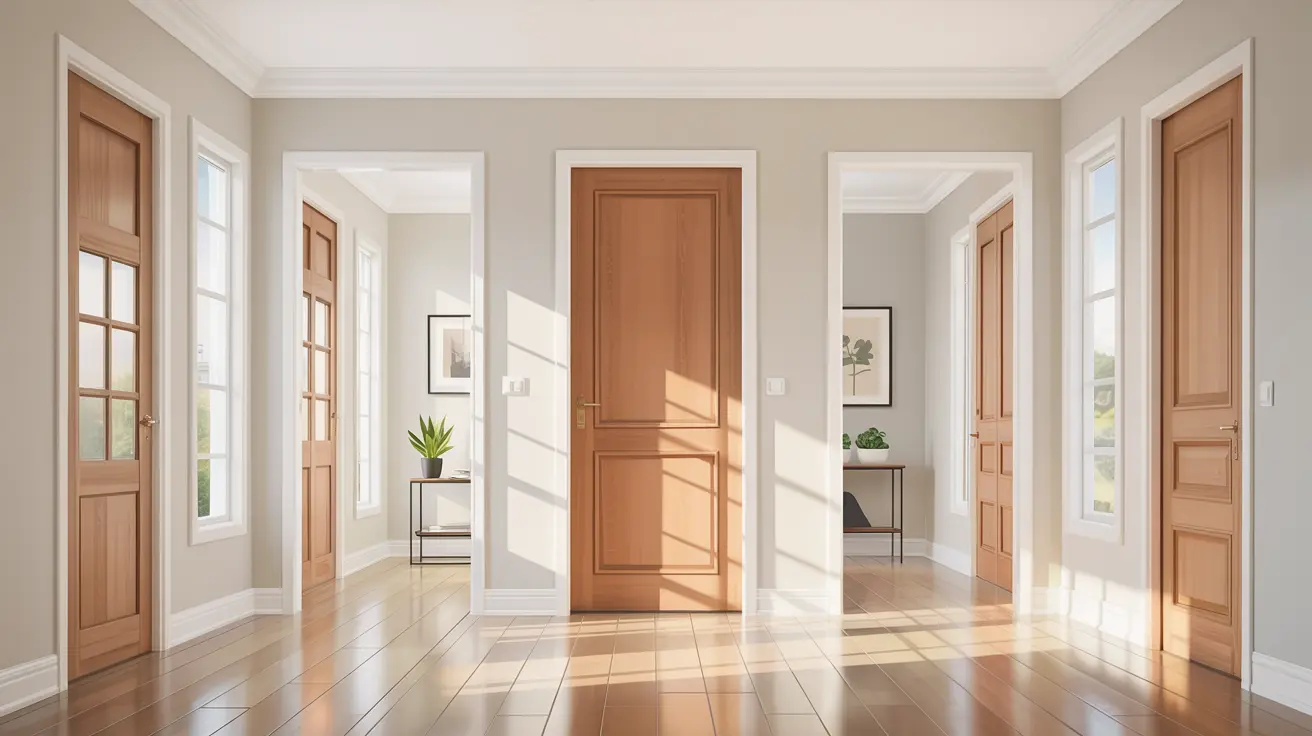
Why Interior Door Size Matters In A Home
Interior door size quietly shapes how your home feels and functions every day, because it controls how easily people and furniture move between rooms, how private bedrooms and bathrooms feel, and how open or cramped your hallways seem when doors swing, close, and frame views across your living spaces.
What Standard Interior Door Size Usually Means
When people talk about a standard interior door, they usually mean a door that is about eighty inches tall with a width somewhere between thirty and thirty two inches, because this combination lines up well with common ceiling heights, trim proportions, and the way most families use bedrooms, hallways, and everyday living spaces in modern homes.
Common Interior Door Widths In Real Homes
Most homes use a small family of interior door widths such as twenty four, twenty eight, thirty, thirty two, and thirty six inches, where narrower sizes tend to appear on bathrooms, closets, and utility rooms, while wider sizes usually serve bedrooms, main circulation paths, and any space where you expect to move large furniture or support easier access.
Standard Interior Door Thickness And Why It Matters
Many interior doors are built around a thickness of about one and three eighths inches, which keeps them light enough to handle easily while still feeling solid in the hand, and in quieter or higher end rooms you often see thicker one and three quarter inch doors that add more weight, better sound control, and a more premium closing feel.
Bedroom Door Sizes That Feel Comfortable
Bedroom doors usually follow the standard height of around eighty inches and often use widths between thirty and thirty six inches, because these dimensions make it easier to move beds, dressers, and suitcases, keep the room from feeling squeezed, and still protect privacy with a door that looks in proportion to the walls and furniture around it.
Bathroom Door Sizes For Tight Spaces And Comfort
Bathrooms often use narrower doors, commonly twenty four or twenty eight inches wide, since these rooms sit in tight parts of the floor plan, yet whenever layout allows, choosing a door closer to thirty or thirty two inches creates a much more comfortable entrance, especially when people carry laundry baskets, help children, or accommodate guests with mobility needs.
Closet And Utility Door Sizes In Everyday Layouts
Closet and utility doors usually sit on the smaller side, with many homes using widths like eighteen, twenty four, or twenty eight inches, because these openings mainly serve storage rather than full traffic, but they still must be wide enough to slide boxes, cleaning tools, and seasonal items through without constant scraping or awkward twisting.
Home Office, Nursery, And Guest Room Door Sizes
Rooms where quiet and comfort matter, such as home offices, nurseries, and guest bedrooms, work best with doors that follow standard heights but lean toward widths of thirty or thirty two inches paired with a denser or solid core, since this blend keeps movement easy while improving sound control and giving the door a reassuring, secure feel.
Differences Between US And UK Interior Door Sizes
In many United States homes, interior doors tend to follow the eighty inch height and widths between twenty four and thirty six inches, whereas in the United Kingdom a very common internal door might measure roughly 1981 by 762 by 35 millimetres, which is close to an eighty by thirty inch door, and other metric widths appear for cupboards, older homes, and compact spaces.
Converting Between Metric And Imperial Door Sizes
Because door sizes appear in both inches and millimetres on plans and product labels, it helps to remember that one inch equals roughly twenty five millimetres, which means a thirty inch door is around 762 millimetres wide and an eighty inch door is near 2030 millimetres tall, allowing you to compare options and avoid ordering the wrong size when systems mix.
Interior Door Size And Accessibility Planning
When you think about accessibility, the important measurement is the clear opening between the door and the frame, and many designers aim for around thirty two inches of clear space, which often leads to choosing a thirty six inch door leaf in key rooms so that wheelchairs, walkers, strollers, and people carrying items can pass without struggling.
Where Wider Interior Doors Make The Most Sense
Wider interior doors belong in the rooms and routes you use the most, such as main bedrooms, main bathrooms, central hallways, and any area on the ground floor where someone with limited mobility might live or visit, because these points see heavy daily traffic and benefit most from easier turning, passing, and furniture movement.
Checking Local Rules Before You Choose Door Sizes
Although many standard sizes work in most situations, building codes and accessibility rules in your area may set minimum door widths for certain rooms and layouts, so before you finalize orders or start cutting new openings, you should review local requirements or speak with a qualified professional to confirm that your choices meet safety and legal expectations.
How To Measure An Existing Interior Door Slab
To measure an existing door slab, you measure from the very top edge to the very bottom for height, then measure across the face for width at the widest point, and finally measure thickness along the edge near the latch, since these three numbers tell you exactly what size replacement you need if you plan to reuse the current frame.
Measuring The Interior Door Frame Opening
When measuring the interior frame, you open the door and take the inside width between the two side jambs at several spots, then measure the inside height from the head jamb to the finished floor, because differences between measurements reveal whether the frame is out of square and whether you must allow extra space when choosing a new slab or prehung unit.
Understanding Rough Openings Behind Interior Frames
Behind the finished frame sits the rough opening in the wall, which is a slightly larger structural hole framed in lumber, and this space must be wider and taller than the door itself to leave room for the frame, shims, and adjustments, so knowing its size helps you decide which prehung unit or framing changes will fit cleanly.
Slab Versus Prehung Interior Doors
A slab interior door is just the bare leaf without hinges, frame, or casing, which works best when your existing frame is in good shape, while a prehung door arrives already mounted in a new frame with hinges attached, letting you install the entire unit into the rough opening when you need straighter framing, easier fitting, or a fresh style.
Why Nominal Door Sizes Can Be Confusing
Door products often use nominal sizes such as thirty or thirty two inches that round measurements to simple numbers, but the actual door slab is usually slightly smaller and the complete frame adds extra width and height, so you should always compare the labelled size with real measurements and your opening to avoid gaps or a door that simply will not fit.
Matching Interior Door Height To Ceiling Height
In homes with standard eight foot ceilings, eighty inch doors usually look balanced and familiar, but when ceilings rise higher, many designers prefer taller doors that stretch vertical lines, reduce the empty wall space above the frame, and create a more refined, architectural feeling across hallways and main living areas.
How Interior Door Width Changes Room Flow
Narrow doors can make a hallway feel chopped into segments and force people to turn sideways when carrying items, while slightly wider doors let two people pass more comfortably, make rooms feel more open when the leaf stands ajar, and give a smoother rhythm as you walk through a series of connected spaces.
Tall Interior Doors In Modern And Luxury Design
Modern and luxury interiors often rely on extra tall interior doors to create a gallery like look, because these doors draw the eye upward, make walls feel less squat, and allow large openings to sit in harmony with tall windows, wide baseboards, and other upscale architectural details throughout the home.
Door Style, Core Type, And The Feeling Of Quality
Interior door size works closely with style and construction, since hollow core doors keep costs and weight low for closets and secondary rooms, while solid or solid core doors add mass that softens noise, improves privacy, and gives every close and latch a more substantial, high quality feeling that matches carefully designed interiors.
Choosing Interior Door Sizes For A Typical Modern Home
In a typical modern home, many owners keep standard eighty inch heights and choose thirty or thirty two inch doors for bedrooms and main hallways, reserve twenty four or twenty eight inch doors for tight bathrooms and utility rooms, and use a few thirty six inch doors in key locations where extra comfort and accessibility really matter.
Updating Older Homes With Nonstandard Interior Door Sizes
Older homes often contain shorter or narrower doors that contribute to their character, so you can either order custom slabs that respect those unusual openings or work with a contractor to widen frames to modern sizes, weighing the tradeoff between improved convenience and the charm that comes from original proportions and decorative trim.
Planning Interior Door Sizes For Future Needs And Resale
When you plan door sizes, it helps to imagine aging in place, hosting relatives with mobility challenges, or selling to buyers who care about accessibility, because choosing slightly wider doors in key rooms today can prevent costly changes later and makes your home more attractive, flexible, and comfortable for a wider range of people.
Common Mistake: Choosing Doors That Feel Too Narrow
One of the most common size mistakes happens when owners pick doors that technically meet minimum measurements but feel cramped in daily use, so before you commit, picture people carrying laundry, groceries, or moving furniture through the opening and ask whether the chosen width will feel generous enough, not just barely adequate.
Common Mistake: Ignoring Door Swing And Clearance
Door swing direction and clearance often get less attention than pure size, yet a standard door that opens into a toilet, tight cabinet, or main traffic line will still frustrate people, so you should always imagine the arc of the leaf, nearby furniture, and how bodies move around the door when it stands open.
Common Mistake: Forgetting About Thickness And Sound
Many owners focus on height and width but ignore thickness and core type, even though a thin hollow door between a noisy hallway and a bedroom can ruin sleep and privacy, whereas a thicker solid door of the same size quietly transforms how calm and protected that room feels.
Common Mistake: Measuring Only The Old Door Leaf
Measuring only the old door leaf and ignoring the frame, flooring changes, and rough opening often leads to bad fits and returns, so careful installers always measure everything twice, write numbers down, and compare them with product specifications before ordering new slabs or prehung units.
Final Thoughts On Standard Interior Door Size
When you understand standard interior door sizes and how they interact with layout, accessibility, and design, you stop guessing and start making deliberate choices that support comfort, privacy, and long term value, and by combining accurate measurements with thoughtful upgrades in key rooms, you turn ordinary openings into quiet helpers that make your entire home easier and more enjoyable to live in.