
Lake Tahoe in Winter 2026: A Practical Guide for Snow, Roads, and Fun
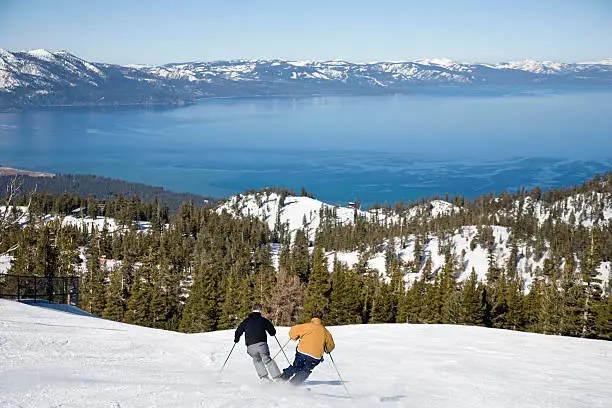
Lake Tahoe in winter can be magical and it can be hard. Roads can change fast and plans can break fast. This guide helps you plan a trip that works even if snow is light or a storm hits.
Lake Tahoe in Winter at a Glance
Lake Tahoe in winter is best for snow play, mountain views, and cozy town time. The smartest plan has one main goal each day and one backup option. Choose North Lake for a quieter feel and more cabin style stays, and choose South Lake for more walkable nights and more action near shops and dining.
Weather, Snow, and What It Feels Like
Winter weather around Tahoe depends on elevation and storms can shift the feel in hours. Expect cold mornings, bright sun at midday, and colder nights that need real layers. Snow can be deep in the mountains while lake level areas feel dry, so check forecasts and webcams before you lock your schedule.
Winter Driving and Chains
Driving is the biggest stress point in Tahoe winter trips and it is where most mistakes happen. Carry tire chains that fit your vehicle and practice putting them on before you travel, because storms can trigger chain controls and long delays. Leave extra time, avoid late night arrivals in bad weather, keep your gas above half, and pack basics like gloves, snacks, water, a charger, and a warm blanket.
Best Winter Things to Do
Tahoe winter fun works best when you pick one anchor activity and then keep the rest flexible. Skiing and snowboarding are the big draw, but snowshoeing, tubing, and scenic gondola views can be just as memorable for many people. If you try snowmobiling or guided tours, listen to safety rules, dress warmer than you think, and skip risky choices when you feel tired or unsure.
What to Do If You Do Not Ski
You do not need to ski to enjoy a winter trip to Tahoe, because the lake views, short walks, and cozy stops can fill a full day. Plan a scenic viewpoint visit, add a safe lakefront walk with good traction shoes, then pick an indoor warm up like a café, spa, or ice rink. This plan also saves your trip during low snow weeks or windy days when lifts slow down.
Where to Stay in Winter
Where you stay matters more in winter because shorter drives reduce risk and stress. South Lake Tahoe fits people who want walkable evenings and a lively vibe, while North Lake Tahoe fits people who want a calmer base and cabin style stays. Book close to your top activity, confirm winter parking and snow removal, and avoid places with steep icy driveways if you are not confident.
What to Pack for Tahoe Winter
Packing well is about layers, dry feet, and simple safety items, not giant outfits. Use a base layer, a warm mid layer, and a weather layer so you can adjust during the day. Bring waterproof boots, warm socks, gloves, a hat, sunglasses, and lip balm, because sun on snow can feel strong and wind can dry your skin fast.
A Simple 2 to 3 Day Winter Itinerary
A good winter itinerary stays flexible and it does not depend on perfect snow. Day one works best as arrival, a short viewpoint stop, a simple walk, and a warm meal, so you start calm. Day two can be your snow anchor day like skiing, tubing, or snowshoeing, then end with a warm indoor stop. Day three should be light and early, because leaving before peak traffic and before afternoon weather changes can make the drive safer.
Mistakes and Quick Checks That Save the Trip
Many trips go wrong because people plan too much and ignore road reality. Do not stack long drives across the lake in one day and do not assume roads stay clear all day. Check road conditions and weather before you leave each morning, keep your plans close to your base, and switch to indoor options when visibility drops or the wind picks up.
Respect, Safety, and Keeping Tahoe Clean
Winter crowds can damage sledding hills and trails when people leave trash behind. Pack out everything you bring, avoid driving or parking in snow zones, and stay on marked routes when snow covers the ground. If you want backcountry terrain, learn avalanche basics, check local reports, and go with trained partners or a guide.
FAQs
Does Lake Tahoe freeze in winter?
Most of the lake does not freeze over because it is large and deep, and wind and water movement help keep it open. You may see thin ice near shore in some spots, but it is not safe for walking. Treat lake ice as dangerous and stay on shore paths.
Do I need chains in winter?
You may need chains during storms because chain controls can apply based on conditions and rules, not just your drivetrain. Carry chains that fit your tires and know how to install them. If you do not feel safe installing chains in bad weather, delay your drive.
Is Tahoe worth visiting if I do not ski?
Yes, Tahoe can still be worth it because winter views, short walks, and cozy town time can fill a full trip. Add one simple snow activity like tubing or snowshoeing if you want, but you can also focus on viewpoints, food, spas, and relaxed exploring. The key is planning for weather so you do not feel stuck.
North Lake or South Lake in winter?
North Lake fits a quieter trip with a cabin feel and slower mornings, while South Lake fits a busier trip with more walkable evening options. Choose based on the vibe you want and the activities you care about most. Staying near your main plan matters more than picking the perfect town name.
What is the best time to visit in winter?
Mid winter often brings the best snow chances, but exact timing changes every year. If you want fewer crowds, midweek is usually easier than weekends. Pick dates where you can stay flexible, because weather drives the real experience.
What should I avoid during storms?
Avoid driving at night in heavy snow and avoid long cross lake drives when conditions worsen. Avoid steep unplowed side roads and do not trust that a clear morning means a clear evening. If you feel tense, slow down, stop safely, and switch plans.
Conclusion
Tahoe in winter is easiest when you plan for roads first and fun second. Choose a base near your main activity and keep daily plans simple. Pack layers, carry chains, and leave extra time for travel. Add a backup plan for low snow or wind so the trip still feels great.