
Gongura Leaves: What They Are, How to Use Them, and Benefits
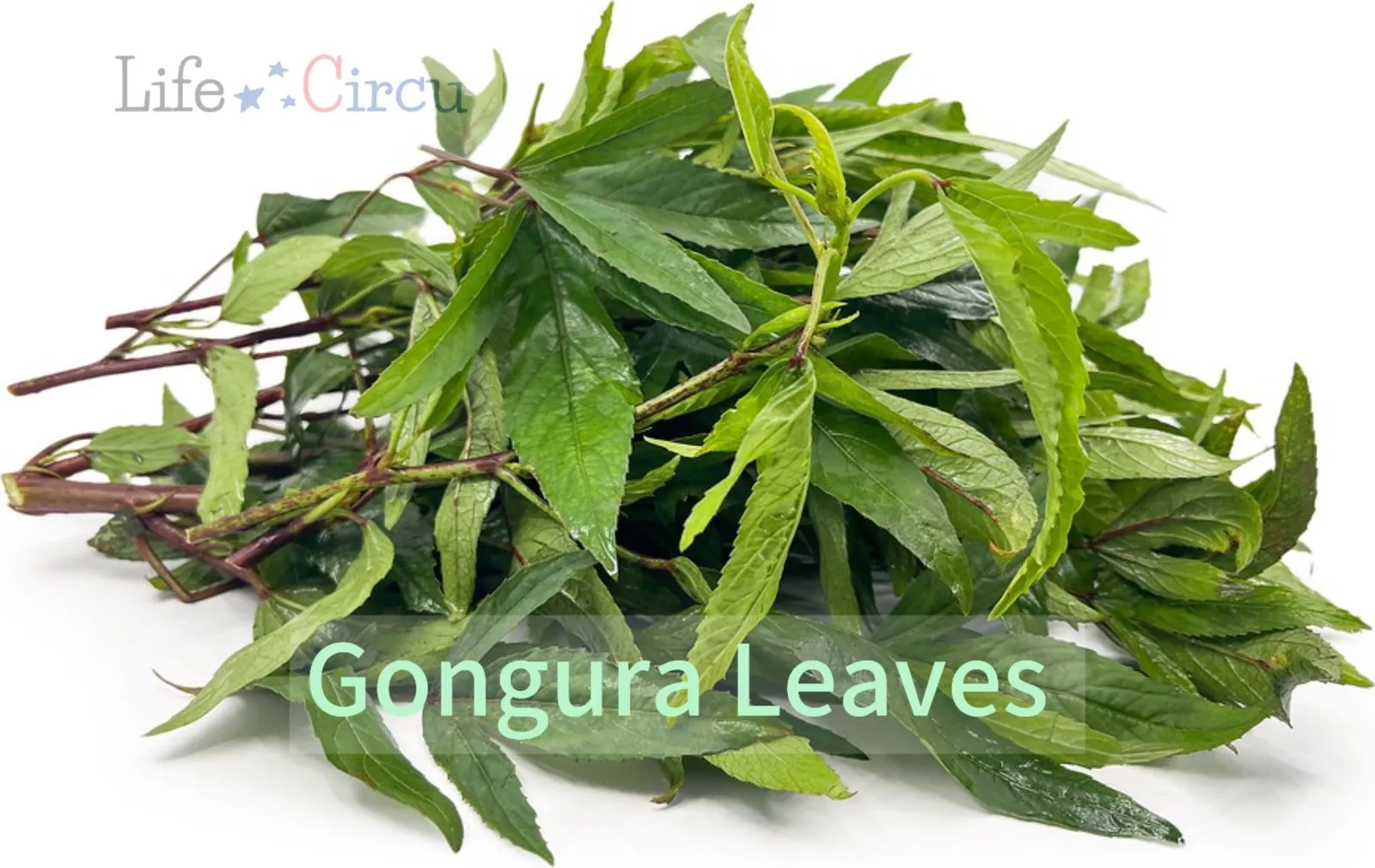
Gongura leaves at a glance
Gongura is a sour leafy green used in South Indian cooking, especially Andhra and Telugu kitchens. It tastes tangy, sharp, and bright. These leaves come from the roselle plant, also known as Hibiscus sabdariffa, and you may see “roselle leaves” on store labels.
Gongura meaning and common names
Many Telugu homes call it gongura or puntikura. In Tamil markets, it may be labeled pulichakeerai. In Marathi homes, you may hear ambadi. In English, sellers may use roselle leaves or red sorrel, which can confuse buyers because “sorrel” can also mean other plants.
Flavor and texture you should expect
Tender leaves taste clean and tart. Older leaves can feel fibrous and taste harsher. Quick cooking keeps the tang and improves texture.
Gongura vs sorrel vs roselle leaves
In Indian cooking, gongura usually refers to roselle leaves from Hibiscus sabdariffa. The word “sorrel” is broader and can refer to different plants in other cuisines, so it is easy to buy the wrong leaf. If a recipe says gongura, choose roselle leaves. If it says sorrel, confirm the cuisine and the plant first.
The simple way to avoid mix ups
Look for “gongura,” “puntikura,” or “roselle leaves” on the label. If you can, check for Hibiscus sabdariffa. You can also crush a leaf lightly and smell it. Fresh gongura has a sharp sour scent.
Varieties and how to choose
Gongura is commonly sold as red stem and green stem types. Red stem is more sour. Green stem is milder. Strong tang suits chutney and pickle. Milder leaves are easier for dal and daily curries.
Red stem vs green stem
Red stem keeps its punch after cooking and suits spicy mixes. Green stem is softer and often feels easier for beginners. Both work well with garlic and chili.
Quick freshness checklist
Choose leaves that look firm and fresh. Avoid slimy patches, dark wet spots, or a rotten smell. Prefer thinner stems because thick stems can stay stringy.
How to prep gongura leaves
Prep affects flavor and shelf life. Most problems come from thick stems and trapped moisture. Keep prep simple and quick.
De stem the right way
Pull leaves off thick stems. Keep only very thin stems that feel soft. Use older leaves for long cooked dal. Use tender leaves for chutney and quick sauté.
Wash and dry to prevent spoilage
Rinse gently in cool water, drain well, and pat dry. A common mistake is storing wet leaves, which speeds spoilage and slime. Dry leaves store better.
How to cook gongura without bitterness
Gongura does best with quick cooking. Overcooking dulls the tang and can make flavor feel flat. Cook only until leaves soften.
The balancing rule that works
Balance sourness with heat, fat, and salt. Add aromatics like garlic and cumin for depth. If it tastes too sharp, fix it step by step. Add a spoon of cooked lentils for softness. Add sesame or peanut to round the tang. Then taste again.
Cookware tip for very acidic preparations
Very sour mixtures can react with some metals and affect taste. For pickles and thick pastes, use non reactive cookware when possible.
Quick methods that suit beginners
Sauté works for chutney bases. Steam works for dal. A short blanch can soften harsh leaves, then you season and temper.
Classic Andhra and Telugu ways to use gongura
Gongura is most loved in pachadi, pickle, and dal. These dishes show why it stays popular.
Gongura pachadi
This is a chutney style dish. Many cooks cook leaves briefly, then grind with spices and finish with tempering. A common issue is watery pachadi, which often happens when leaves are not dried well before cooking.
Gongura pickle or thokku
Pickle uses cooked leaves, spices, and oil. Clean handling matters for shelf life. A common mistake is trapping moisture in the jar, which can spoil pickle quickly. Let the mix cool fully, use clean tools, and store airtight.
Gongura pappu and gongura curry
Dal is the easiest entry point because lentils soften the sour edge. Curry versions often use onions, chili, and garlic. If your dal tastes flat, strengthen the tempering and increase leaves next time.
Nutrition highlights and gongura leaves benefits
Gongura is often described as a nutrient dense leafy green, commonly linked with iron, folate, and vitamin C. In real kitchen terms, it adds strong flavor with small portions, helps you rotate greens beyond spinach, and makes simple meals taste brighter.
What people usually want from this green
Many beginners want an iron rich leafy green. Include it as part of a varied diet with balanced meals and protein. If you suspect low iron, testing matters, because food alone may not be enough in some cases.
Safety and side effects
Sour leafy greens can contain oxalates. People who form calcium oxalate kidney stones may need limits based on medical advice. Most healthy people can enjoy normal portions, and concerns rise with very large daily servings.
Oxalates in simple terms
Oxalates are natural compounds found in many foods. In some people, oxalates can bind with calcium and raise stone risk. Your risk depends on your body and your history.
Decision rules that lower risk
If you are sensitive or have stone history, focus on basics. Drink enough water during the day. Keep portions moderate if advised. Ask your clinician about pairing meals with calcium foods, because guidance can differ by person.
When to pause and get advice
Get advice if you have repeated stones, kidney disease, or strict diet limits. Also ask if you take long term medicines and you are changing your diet a lot.
Storage, freezing, and preserving
Fresh gongura keeps best when moisture is controlled. Store it unwashed and dry.
Best fridge method for fresh leaves
Store unwashed leaves wrapped in a paper towel that is slightly damp, then seal in a bag and refrigerate. Remove damaged leaves first. Wash only before cooking, not before storage.
Freezing for later cooking
Blanch briefly, cool fast, squeeze out water, and freeze in small portions. Texture softens after freezing, but it works well for dal and curries.
Preserving as paste or pickle base
Cook leaves down into a thick paste, cool fully, and store in clean airtight containers. This helps you use gongura quickly on busy days.
Where to buy, seasonality, and organic options
Indian and South Asian grocery stores often carry gongura. Some specialty produce shops may stock it too. Availability can rise in warmer seasons. If you want organic, ask local growers and check freshness first.
What to look for when buying
Choose tender leaves and thinner stems. Smell for clean sourness, not funk. Buy small amounts until you learn your preference.
Substitutes and comparisons
Spinach cannot replace gongura’s tang, but it can replace leafy body in some dishes. If you need sourness, use a tart green or add a sour ingredient carefully.
Spinach vs gongura
Spinach is mild and soft when cooked. Gongura is tangy and bold with spices. If a dish depends on sourness, spinach alone will taste wrong.
Better substitutes for sour leafy greens
Sorrel can mimic tartness in many recipes, but the plant type can vary by region. Tamarind or lemon can also mimic sourness. Use small amounts and adjust by taste.
FAQs
What are gongura leaves in English?
Many sellers call them roselle leaves. Some also call them red sorrel. Names vary by region and store.
Is gongura the same as roselle leaves?
In most Indian contexts, yes. Gongura refers to edible leaves from the roselle plant, often listed as Hibiscus sabdariffa.
Can you eat gongura leaves raw?
Most people cook them. Cooking softens harshness and improves texture. If you taste raw, start with a tiny amount.
How do you reduce sourness in gongura?
Cook briefly and balance with fat and spice. Lentils, sesame, and peanuts help round the tang. Adjust slowly and taste often.
How long do fresh leaves last in the fridge?
With proper storage, they last a few days. Wet storage shortens life fast, so keep leaves dry and unwashed.
Who should limit gongura?
People with calcium oxalate kidney stones may need limits. Follow medical advice, since diet plans differ.
Conclusion
Gongura is a tangy South Indian leafy green with a bold sour taste. Choose tender leaves and remove thick stems for a better bite. Dry leaves well to prevent spoilage and watery chutney. Cook quickly and balance sourness with spice and fat. If you have kidney stone history, ask about oxalates and portion limits.