Staples in Diets in Bulgaria: What Locals Eat Every Day
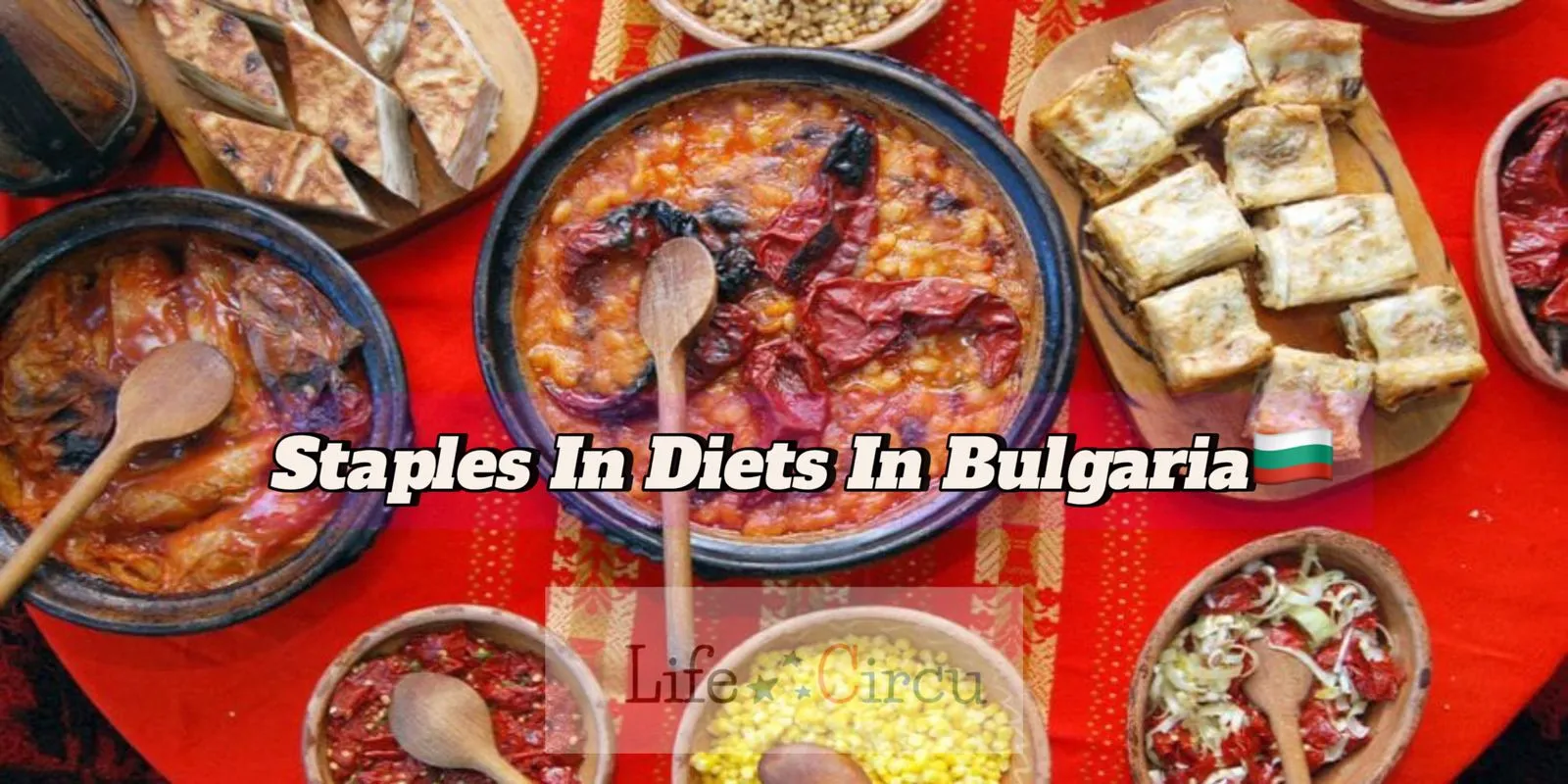
Staple foods in Bulgaria include bread (often pitka), yogurt (kiselo mlyako), sirene (white brined cheese), kashkaval (yellow cheese), seasonal vegetables, beans, rice, pickled vegetables (turshiya), and spreads like lyutenitsa and kyopolou. Most meals follow a simple pattern: bread on the table, a salad or pickles, and yogurt or cheese added in some form. If you are new, start with Shopska salad, bob chorba, or tarator in summer, then explore from there.
Bulgarian food is easy to enjoy once you know the basics. Many dishes repeat the same core ingredients. That is why learning staples matters more than memorizing long menus.
Staples in Diets in Bulgaria at a Glance
Bulgarian staples are foods people buy often and eat in many ways. These are not only “famous dishes.” They are everyday items that show up at home, in bakeries, and in simple restaurants. Bread, dairy, vegetables, beans, and spreads form the base.
The staples you will see most often
Bread, often pitka or a daily loaf. Kiselo mlyako, plain yogurt. Sirene, white brined cheese. Kashkaval, yellow cheese. Tomatoes and cucumbers in season. Peppers, fresh or roasted. Beans, often in soup. Rice, often in stuffed dishes. Lyutenitsa, a pepper spread. Turshiya, mixed pickles, common in colder months.
What counts as a staple, and what does not
A staple is something people rely on weekly. It fits breakfast, lunch, or dinner. A famous dish might be popular, but not daily. Shopska salad can be both. A big mixed grill is usually not daily.
What Bulgarians Often Eat in a Typical Day
Many mornings start with bakery food or something simple at home. Lunch often includes soup and salad. Dinner often includes grilling or a warm cooked dish. The exact dishes change, but the base ingredients stay steady.
Breakfast staples
Banitsa is one of the most common breakfast foods. It is layered pastry, usually with sirene. Some versions include spinach, pumpkin, or minced meat. Many people buy it from a bakery and eat it on the go. Mekitsa is another common choice. It is fried dough, often served with powdered sugar, jam, honey, or sirene. At home, eggs with peppers and onions are common, often with cheese on top.
A common mistake is ordering two heavy items at once. Try one banitsa slice first. Add yogurt or ayran if you want a lighter balance. Ayran is a salty yogurt drink. It pairs well with pastry.
Lunch staples
Lunch often starts with a salad. Soup is also common at lunch, especially in colder months. Bean soup is a frequent option. Shopska salad plus a soup can feel like a complete meal. Many lunch menus also include a simple main dish with salad. Bread often arrives automatically in some places.
If you want a simple local lunch, choose soup and salad. It is filling and predictable. It also helps you avoid ordering too much.
Dinner staples
Dinner can be more social. Many restaurants serve grilled foods, called skara. You may also see stews, baked dishes, and stuffed vegetables. Portions can be large, especially mixed grills. If you are hungry, it is great. If you want a lighter meal, share a plate and add salad.
Bread and Grains: The Everyday Base
Bread is part of daily eating in Bulgaria. It sits on the table, not just on the side. People eat it with spreads, salads, soups, and cheese. Grains also show up in rice dishes.
Pitka and everyday loaves
Pitka often means a round bread made for sharing. You may see it at family meals and celebrations. Everyday loaves matter just as much. They work with yogurt, cheese, and spreads. In restaurants, bread may be charged as a small extra. If you do not want it, say it early.
If you are buying bread, go for what looks fresh. A good loaf feels light, not dense. The crust should not feel rubbery.
Banitsa as a daily bakery staple
Banitsa is not only a holiday dish. It is a daily bakery food for many people. It is also easy to spot on menus and bakery counters. If you want to try one Bulgarian breakfast, start here. If you want a lighter choice, ask for a smaller piece and add yogurt.
Rice and stuffed dishes
Rice appears often in stuffed foods. Sarmi, also called sarma, uses leaves as a wrapper. Winter versions often use cabbage leaves. Warmer months may use grape leaves. Rice also appears in stuffed peppers and baked dishes. Some versions include meat. If you do not eat meat, ask before ordering.
Dairy Staples: Kiselo Mlyako, Sirene, Kashkaval
Dairy is a major part of Bulgarian eating. The main words to learn are kiselo mlyako, sirene, and kashkaval. These names help you order fast and shop with confidence.
Kiselo mlyako in everyday meals
Kiselo mlyako is plain yogurt, often thick and tangy. People eat it at breakfast with bread, honey, or fruit. It is also used in sauces and cold soups. Tarator is the best-known example. It mixes yogurt with cucumber, garlic, dill, and sometimes walnuts. It is common in summer.
Not all yogurt tastes the same. Some brands taste sharper. If you are unsure, buy a small cup first. Check the fat level too. Higher fat often tastes richer.
Sirene vs kashkaval
Sirene is white, brined, and salty. It crumbles well and often tops salads. It also goes into pastries and egg dishes. Kashkaval is yellow, firmer, and easy to slice. It melts well and often appears on grilled dishes or sandwiches.
If you want cheese on a salad, sirene is the usual choice. If you want sliced cheese, ask for kashkaval.
Common mistake with “white cheese”
Many visitors call sirene “feta.” That can confuse the order. Sirene is its own thing. It can be saltier and more intense. If you do not like salty foods, ask for less cheese, or ask for it on the side.
Vegetables, Salads, and Pickles: The Constant Side Dish
Vegetables are part of everyday meals, often as salad. When fresh vegetables are less available, pickles take over. This keeps meals balanced, especially alongside bread and grilled foods.
Shopska salad as the default salad
Shopska salad is common across the country. It usually includes tomatoes, cucumbers, peppers, onion, and grated sirene. It is often the safest first order on a menu. If the vegetables taste fresh, the kitchen usually cares.
If you want less salt, ask for less sirene. Many places add a lot.
Pickled vegetables and winter eating
Turshiya is a mix of pickled vegetables. It may include cabbage, carrots, peppers, and cauliflower. Pickles add crunch and sharpness. They also help heavy winter meals feel lighter.
If you are eating grilled meats, pickles work well as a side. They cut through rich flavors.
How to spot a weak salad
A good salad looks fresh and smells fresh. Tomatoes should not look pale. Cucumbers should not look watery. Cheese should taste clean, not sour. If vegetables look tired, order soup instead and try salads elsewhere.
Beans and Soups: Cheap, Filling, and Common
Beans are a steady staple in Bulgaria, especially in soups. Soups show up in home cooking and lunch specials. They are also a safe first order when you do not know a menu.
Bob chorba
Bob chorba is bean soup. It often includes onion, carrots, herbs, and paprika. Some versions include sausage or bacon. Others are meat-free. Ask one simple question before you order. Ask if it includes meat today.
A good bean soup tastes rich and warming. It should not taste like only salt. If the soup is thin and bland, the place may be rushed.
Menu words that can help
Some menus use clues for meat-free dishes. “Monastery style” often means a dish without meat. Vegetable soups are also common. Still, always ask, because recipes vary.
If you avoid dairy, be careful with pastries and salads. Cheese is used often. Ask directly.
Spreads, Seasonings, and Bread Toppers
Many Bulgarian staples are spreads and seasonings eaten with bread. They are common at home and also show up as sides in restaurants. They are useful for travelers because they make quick meals.
Lyutenitsa
Lyutenitsa is a pepper-based spread. It often includes tomatoes, carrots, and spices. People spread it on bread. It also comes with grilled foods. Smooth versions feel mild. Chunky versions feel more rustic.
If you want a simple snack, bread plus lyutenitsa works well. Add cheese, and it becomes a full small meal.
Kyopolou and roasted vegetable dips
Kyopolou is a roasted eggplant spread. It often includes peppers, garlic, and herbs. It tastes smoky and savory. It pairs well with bread and salads.
If you like roasted vegetables, this is a great pick. If you do not like garlic, ask first.
Sharena sol
Sharena sol is a mix of herbs and salt. People sprinkle it on bread, eggs, and vegetables. Use a small pinch first. It can be quite salty.
Meat and Grilling: How Skara Fits Into Daily Eating
Grilled food is common in Bulgaria, especially for dinner. Skara menus often include kebapche and kyufte. These are grilled minced meat items. They often come with fries or salad. Spreads like lyutenitsa may appear on the plate.
What “skara” usually includes
Kebapche and kyufte are common. Mixed grills are common too. Portions can be large. If you want a lighter meal, order one grilled item with salad. If you want to try several things, share a mixed grill.
Cured meats and sausages
You may see cured meats like sudzhuk. They can taste strongly spiced. They often come as appetizers or small plates. If you are unsure, order a small portion first.
How to order lighter without feeling hungry
Many visitors order too many extras. Bread, fries, salad, and spreads can double the meal. Keep it simple. Choose salad as a side instead of fries. Share a larger plate. Add soup if you want more without a heavy meat portion.
Seasonal Eating: What Changes in Summer and Winter
Season changes food choices in Bulgaria. Summer favors cold yogurt dishes and fresh vegetables. Winter leans toward beans, stews, and pickles. The staples stay, but the meals feel different.
Summer staples
Tarator appears more in warm months. Fresh tomatoes and cucumbers taste better in season. Roasted peppers also show up often. A salad with cheese, plus bread, can be a full meal.
Winter staples
Winter meals are warmer and heavier. Beans and stews appear more. Pickles replace some fresh vegetables. Soups become a strong choice for value and comfort.
Health Notes: Keeping Traditional Meals Balanced
Bulgarian staples can be healthy, but salt can add up. Sirene, pickles, cured meats, and even spreads can be salty. Portions can also run large in restaurants.
Eat vegetables with most meals. Use salad as a normal side, not an extra. Ask for cheese on the side if you are unsure. Share large grilled plates. Choose soup and salad when you want a lighter day.
What to Order and What to Buy: A Beginner Playbook
If you are new to Bulgarian food, start with foods that appear everywhere. Then build from there. This keeps ordering easy and reduces surprises.
Good first orders in restaurants
Shopska salad is a safe start. Bob chorba is comforting and common. Tarator is great in warm weather. A simple skara plate is a standard dinner choice.
Supermarket staples for a simple meal
Buy bread, kiselo mlyako, and sirene. Add tomatoes and cucumbers when in season. Add a jar of lyutenitsa. Add pickles in winter. With these items, you can eat well with little effort.
Common mistakes and easy fixes
People mix up sirene and kashkaval. Learn the names early. People order too much bread and too many sides. Start small and add later. People skip salads and feel heavy. Add vegetables each day. People ignore spreads like lyutenitsa. Try them early, because they taste very local.
FAQs
What are staple foods in Bulgaria?
Staple foods include bread, yogurt, sirene, kashkaval, seasonal vegetables, beans, rice, pickles, and spreads like lyutenitsa and kyopolou.
What do Bulgarians eat for breakfast?
Breakfast often includes banitsa, mekitsa, yogurt, cheese, and eggs with peppers, plus a yogurt drink like ayran.
What’s the difference between sirene and kashkaval?
Sirene is salty white brined cheese that crumbles well. Kashkaval is firmer yellow cheese that slices and melts well.
Is Bulgarian yogurt different?
Bulgarian yogurt is often thicker and tangier. People eat it daily and use it in tarator and sauces.
What is lyutenitsa and how do you eat it?
Lyutenitsa is a pepper spread. People eat it on bread or serve it with grilled foods.
Conclusion
Bulgarian staples are easy to learn and easy to find. Bread, yogurt, sirene, vegetables, beans, and spreads cover most meals. Start with Shopska, bean soup, and tarator in summer. Watch portion size and salt from cheese and pickles. Try one new dish at a time, and you will eat well.