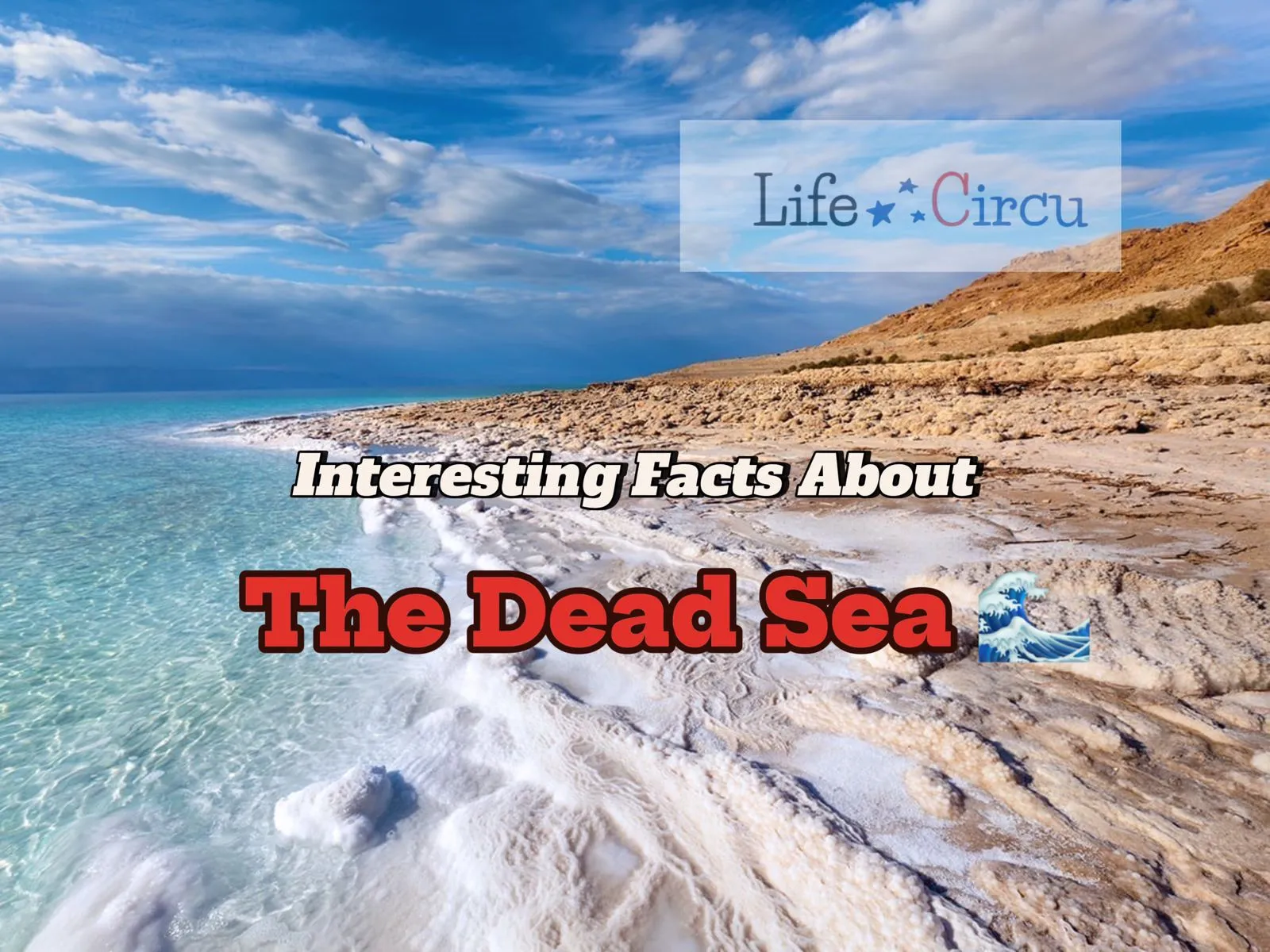
Interesting Facts About the Dead Sea
The Dead Sea looks like a normal lake, but it behaves like nothing else on Earth. People come for the floating, the minerals, and the surreal salt shapes along the shore. This guide shares the most interesting facts, plus simple safety rules and planning tips.
What Makes the Dead Sea So Special?
The Dead Sea is a hypersaline lake with so much salt that most people float with almost no effort. It also sits at the lowest land elevation on Earth and holds a rare mix of minerals. The experience feels strange in the best way.
Dead Sea Quick Facts: The Numbers People Search For
The Dead Sea is landlocked, fed mostly by the Jordan River, and it has no natural outlet. Its salt level is far higher than the ocean, which explains the strong buoyancy. The water level changes over time, so exact figures can shift.
| Quick fact | What it means |
|---|---|
| What it is | A hypersaline lake, not a sea |
| Where it is | Between Israel and Jordan, beside the West Bank |
| Salt level | Around one third salt, far saltier than oceans |
| Why you float | High density water pushes you upward |
| Lowest point | About 430 meters below sea level, and it varies |
| Main concern today | Shrinking shoreline and sinkholes in some areas |
15 Interesting Facts About the Dead Sea
These facts explain the science, the history, and the things visitors notice right away. Read them in order and the whole place makes more sense.
1) It is not a sea, it is a salt lake
The Dead Sea is a lake because it sits in a closed basin. Water flows in, but it does not flow out to an ocean.
2) It sits at the lowest land elevation on Earth
The shoreline is the lowest exposed land area on Earth. That is why the drive down feels like you keep descending.
3) It is one of the saltiest natural waters on the planet
The salt concentration is extremely high compared to normal seas. That is why your lips taste salt fast and your skin can sting.
4) Floating feels easy because the water is very dense
Dense water creates strong buoyancy, so your body rises. Most people float best on their back with slow movements.
5) It is deep for a hypersaline lake
Many people expect a shallow pool, but parts are quite deep. That depth helps explain why it holds so much water and dissolved minerals.
6) Fish cannot live in it, but tiny life can
You will not see fish or plants in the water like a normal lake. Some microbes can survive in salty conditions, though.
7) The mineral mix is the real reason people care
The water holds minerals like magnesium, potassium, and calcium. Many visitors connect these minerals with a smooth skin feel after rinsing.
8) The mud is famous and it is not just a trend
Dead Sea mud is rich in minerals and feels thick and heavy. People use it like a mask, then rinse it off quickly.
9) Salt crystals create natural sculptures along the shore
As water evaporates, salt can form crusts and crystal shapes. You can see bright white edges where the water meets the land.
10) The air can feel different because the area is so low
Lower elevation changes air pressure slightly compared to higher places. Many visitors describe the air as heavy but calm.
11) Nearby caves connect the region to major history
The area near Qumran is linked to the Dead Sea Scrolls. That history makes a Dead Sea visit more than just a swim stop.
12) The region has famous nearby nature spots
Ein Gedi is known for desert hikes and springs. Many travelers pair it with a Dead Sea float in one day.
13) Masada is one of the best known landmarks close by
Masada is a historic site above the desert landscape. Sunrise visits are popular because the views feel unreal.
14) The Dead Sea is shrinking year by year
The shoreline has been retreating as water inflow drops and evaporation stays high. You can see old piers and changing beach paths in some places.
15) Sinkholes can form in parts of the area
As underground salt layers dissolve, the ground can collapse. This risk is one reason official beaches matter for safety.
Can You Swim in the Dead Sea? Safety Rules First Timers Miss
You can enter the Dead Sea, but you should not swim like you would in a pool. Floating is the goal, not splashing or diving. Most problems come from salt water in eyes, nose, mouth, or small cuts.
How to float the safe way
Start in shallow water and sit down slowly. Lean back, relax, and keep your face above the surface. Use your hands gently and avoid fast kicks.
What not to do, even if you feel confident
Do not put your head under water. Do not splash other people. Do not rub your eyes with salty hands.
Shaving, cuts, and sensitive skin
Avoid shaving right before your visit because stinging can get intense. If you have fresh cuts, the water can burn. If your skin reacts easily, keep your time short.
If water gets in your eyes
Get out right away and rinse with fresh water. Do not panic or rub your eyes. If burning continues, ask staff for help.
How long should you stay in the water?
Short sessions work best for most people. Many visitors do 10 to 15 minutes, then rinse and rest. You can go back in if you feel fine.
Best Time to Visit the Dead Sea
Most people want warm water and comfortable air at the same time. Spring and autumn often feel easiest for beginners. Summer can be extreme, so timing matters.
Best months for comfort
Spring and autumn usually bring pleasant days and cooler evenings. This makes floating and walking along the shore feel easier.
Visiting in summer without a bad day
Go early, use shade, and drink water often. Plan a short water session and rinse fast. Midday heat can drain you quickly.
Winter visits
Winter can feel quiet and less crowded. The air can be cooler, so bring a light layer after you rinse.
Why the Dead Sea Is Shrinking and What That Means for Visitors
The Dead Sea shrinks when more water evaporates than enters the lake. Reduced inflow from the Jordan River is a major factor, along with industrial use. For visitors, the biggest changes are longer walks to the water and more areas closed due to ground risk.
What causes the drop in water level
Hot, dry air speeds evaporation. Less river water reaches the lake than in the past. The result is a shoreline that keeps moving.
Sinkholes: warning signs and smart choices
Sinkholes can appear without much notice in risky zones. Avoid wandering off marked paths near receding shorelines. Stick to maintained beaches and posted routes.
Dead Sea Trip Planning for Beginners
A good plan makes the visit feel relaxing, not stressful. Choose an official beach or resort area so you have showers, shade, and safe entry points. Pack for salt, sun, and comfort.
What to pack
Bring water shoes for sharp salt crusts. Bring fresh water for rinsing, plus sunscreen and a towel. Consider simple eye rinse and a bag for wet items.
Simple rules that prevent regret
Remove jewelry before entering because salt can irritate skin under rings. Keep your phone in a sealed bag because salt spray can damage it. Rinse soon after you exit.
Best beginner plan for your first visit
Float for a short session, rinse, then rest in shade. Try mud only if your skin feels okay. Pair the visit with a nearby viewpoint or a short hike if heat allows.
FAQs About the Dead Sea
These quick answers match what most people ask before they go.
Why is it called the Dead Sea?
The extreme salt level prevents fish and plants from living in the water. That is why it gained the name over time.
Can you drown in the Dead Sea?
Yes, accidents can happen if you flip and get water in your face. Float on your back and avoid rough play.
Why does it sting so much?
Salt draws water from sensitive skin and tiny cuts. Eyes and lips sting the most, so keep them protected.
Is the mud safe for everyone?
Most people use it with no issue, but sensitive skin can react. Test a small spot first and rinse quickly.
Is the Dead Sea worth visiting in 2026?
Yes, if you want a rare natural experience and plan it safely. Choose official beaches and avoid risky shore areas.
Conclusion
The Dead Sea is a hypersaline lake that makes floating feel effortless. Its minerals, salt formations, and history add real depth to the visit. Plan for safety and keep your session short. Use official beaches, rinse fast, and respect the shrinking shoreline. With simple rules, your first visit can feel easy and memorable.