
Popular Egyptian Food: What to Eat First and What to Expect
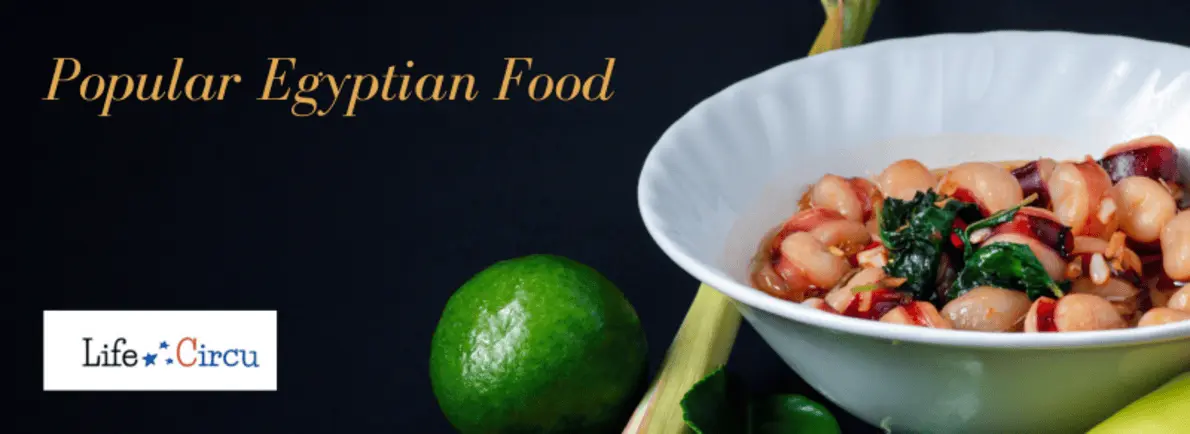
Popular Egyptian food includes koshari, ful medames, ta’ameya, molokhia, mahshi, and hawawshi, plus sweets like basbousa, kunafa, and om ali. Many dishes use beans, rice, bread, garlic, cumin, lemon, and herbs, so the taste is savory and bright. If you are new, start with koshari, ful, and ta’ameya because they are common, filling, and easy to enjoy.
Egyptian meals often follow a pattern. You get bread, a main dish, and small sides. Pickles, tahini, and chopped salads show up a lot. Once you learn a few names, ordering feels simple.
Popular Egyptian Food: Easy First Orders
If you want a first meal with low risk, choose one main and one side. Keep it simple on day one.
Koshari for a filling bowl with sauces.
Ful medames for a warm bean breakfast.
Ta’ameya for crispy herb patties.
Mahshi for stuffed vegetables with rice.
Basbousa for a small sweet bite.
Many visitors order too much at once. Portions can be heavy. Start with one dish. Add more later.
What Egyptian Food Tastes Like
Egyptian food is not usually very spicy. Heat comes from chili sauce, added to taste. Garlic and cumin appear often. Lemon and vinegar add tang. Fried foods can feel oily in places that reuse old oil.
Staples that show up again and again
Baladi bread, fava beans, lentils, rice, garlic, cumin, tahini, and pickles appear in many meals. These basics explain most menus.
Textures that surprise beginners
Molokhia can feel slippery and thick. Some people love it right away. Others need time. If texture bothers you, try it with rice and chicken first, or skip it on your first day.
Popular Egyptian Breakfast Foods
Breakfast in Egypt often includes ful medames and ta’ameya with baladi bread. People add tomatoes, cucumbers, herbs, and tahini.
Ful medames
Ful medames is slow cooked fava beans. It is often mashed and seasoned with cumin, lemon, garlic, and oil. Some places add tahini. Eat it with bread and fresh vegetables. If you want a mild taste, ask for lemon and oil first. Add chili at the end.
Ta’ameya
Ta’ameya is Egyptian falafel. It is often made from fava beans, not chickpeas. That gives it a greener taste with herbs. It should be crisp outside and soft inside. Buy it from a busy stall. Fresh frying matters.
Feteer meshaltet
Feteer is layered pastry. It can be sweet or savory. Some people eat it for breakfast. Others share it as a snack. If you choose a sweet version, keep it small. It can feel heavy.
Koshari
Koshari mixes rice, lentils, pasta, and crispy onions. Shops add tomato sauce and garlic vinegar. Many places offer chili sauce too. It tastes tangy and filling.
What to add first
Start with tomato sauce and a little garlic vinegar. Take a few bites. Then add chili if you want heat. Too much chili at the start can ruin the balance.
Common issues and simple fixes
If the bowl feels dry, add a little more sauce. If it feels too sour, use less vinegar. If your stomach is sensitive, go easy on raw garlic vinegar and heavy chili.
Home Style Mains You Will See Often
Many popular meals are home foods. They often come with rice and bread. You will see them in local restaurants and family places.
Molokhia
Molokhia is a green leafy stew with garlic. It is often served with chicken or rabbit and rice. The taste is rich and garlicky. The texture is silky and thick. If you are unsure, share it. Ask for extra rice.
Mahshi
Mahshi means stuffed vegetables. Cooks stuff zucchini, eggplant, peppers, or grape leaves with seasoned rice. Some versions include meat. Many do not. Ask before ordering if it matters. Mahshi can be salty, so drink water and skip extra pickles.
Hawawshi
Hawawshi is bread stuffed with spiced minced meat, then baked or grilled. It is filling and easy to eat as a handheld meal. If you like crisp bread, ask for it well done.
Fattah
Fattah often includes rice, pieces of bread, and garlic vinegar sauce, with meat on top in many places. It can feel heavy. Share it if you plan to eat dessert.
Alexandria and Coastal Favorites
In Alexandria and coastal areas, seafood matters more. You may see different styles than Cairo.
Sayadeya
Sayadeya often pairs fish with spiced rice. It tastes deeper than plain grilled fish. Order it where seafood moves fast. Slow turnover can mean older fish.
Kebda Eskandarani
Alexandria is known for spicy liver sandwiches. Vendors cook liver quickly with peppers and spices. Choose a busy stand. Fresh cooking matters.
Bread, Dips, and Sides
Baladi bread is part of most meals. People use it to scoop, wrap, and dip. Tahini sauce, pickles, and chopped salads often come with mains. These sides add tang and crunch, but they also add salt.
If you feel puffy or very thirsty, you may be eating too much salt. Cut back on pickles and salty sauces for a day.
Popular Egyptian Desserts
Egyptian desserts often use syrup, semolina, nuts, and milk. They taste sweet and rich. A small portion is usually enough.
Basbousa
Basbousa is a semolina cake soaked in syrup. It may include coconut. Some versions include nuts. It tastes soft and sweet.
Kunafa
Kunafa uses thin pastry strands with syrup. It is often filled with cream or cheese. It can be very sweet. Share it if you can.
Om ali
Om ali is a warm milk dessert that feels like bread pudding. It often includes nuts. Ask about nuts if you have allergies.
Traditional Drinks People Order
Karkadeh is hibiscus drink. People serve it cold or hot. Sugarcane juice is common in warm weather. Buy it from places that look clean and stay busy. In cooler months, people drink sahlab, a warm thick milk drink.
Where to Eat and How to Order
Match the place to the dish. Koshari is best at koshari shops. Ful and ta’ameya are best at morning carts and breakfast spots. Molokhia and mahshi are better in local restaurants.
Simple ordering rules
Order one main first. Add one side after. Share desserts. Add chili slowly. Drink water with salty foods.
Street food warning signs
Skip places where oil smells burnt. Skip stalls with no customers at peak times. Choose places that cook in front of you and handle food cleanly.
Food Safety, Allergies, and Diet Needs
Many meals can be meat free, but some kitchens use meat stock. Ask clearly. Desserts may include nuts and dairy. Bread and pastries contain gluten. If you have a sensitive stomach, start with ful, grilled foods, and plain rice dishes. Add pickles and chili later.
FAQs
What is Egypt’s national dish
Many people call koshari the national dish because it is common and widely loved.
What is ta’ameya made from
Ta’ameya is often made from fava beans, herbs, and spices.
Is Egyptian food spicy
Most dishes are mild. Heat comes from chili sauce, added to taste.
What should I eat in Egypt for breakfast
Try ful medames and ta’ameya with baladi bread, plus tomatoes and tahini.
What desserts should I try first
Try basbousa first for a simple sweet. Try kunafa if you want a richer pastry dessert.
Conclusion
Start with koshari, ful, and ta’ameya. Try mahshi when you want a home cooked dish. Treat molokhia as a texture dish, not a first safe pick. Add chili slowly and watch salt from pickles and sauces. Finish with a small portion of basbousa or kunafa.


