Best Time to Go to Africa (By Region, Season, and What You Want)
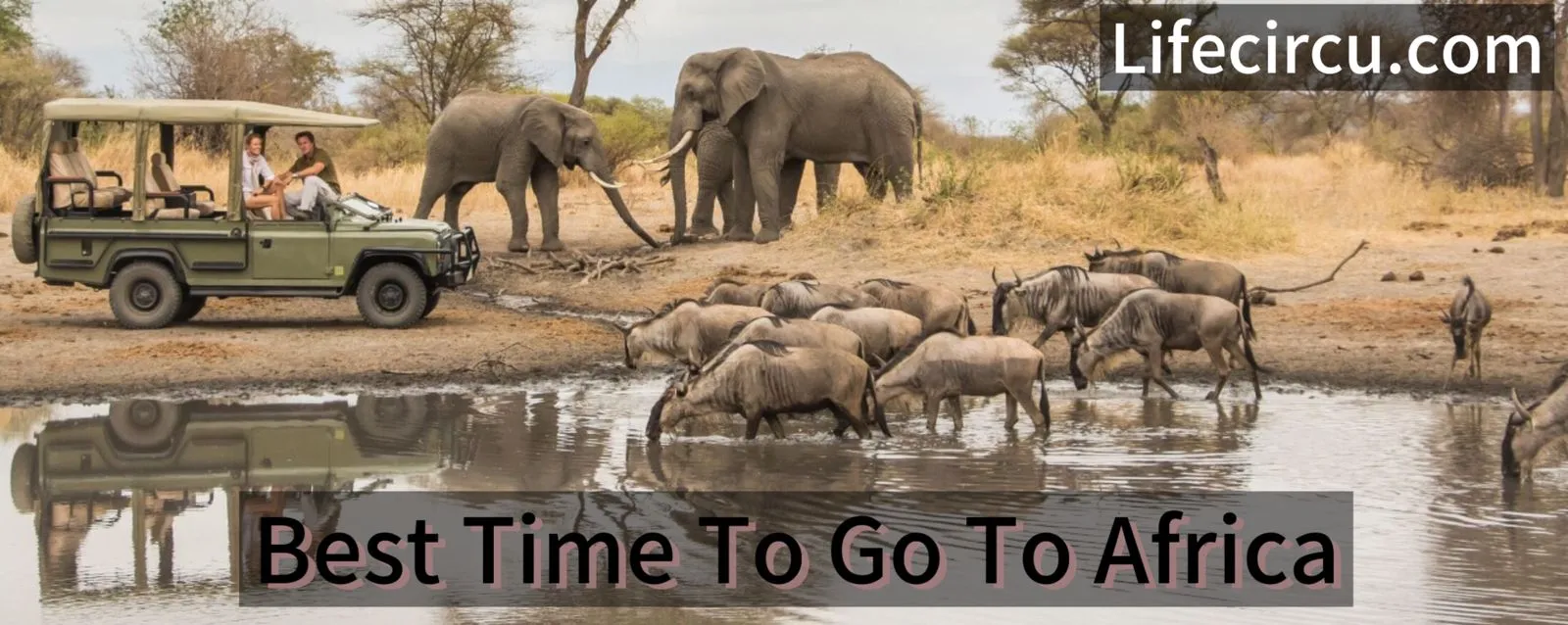
Africa is not one climate. It is many climates in one continent. The best time to go to Africa depends on where you are going and what you want to do.
Best time to go to Africa quick answer for beginners
For most first time travelers, the easiest window is the dry season. Wildlife is easier to spot then. Roads are also easier in many parks. In many popular safari regions, June to October is a strong choice.
If you want fewer crowds and better value, shoulder season can work well. October and May often give a nice balance in several regions. If you want green landscapes and lower prices, the green season can be a smart pick. You just need to plan around rain.
If you only have one week, pick these months
Late July to September works well for many safari routes. Weather tends to be stable then. Guides also expect high demand, so services run smoothly.
If your trip is in Southern Africa, May or June can also feel great. Days are mild and clear. Nights can be cooler, so pack layers.
If you want fewer crowds, pick these shoulder season months
Try May, early June, or October in many safari areas. You may still get great wildlife viewing. You may also find better lodging choices.
Shoulder season is not the same everywhere. Some places shift from dry to rain quickly. Always check your exact destination.
Africa seasons explained in plain English
Most travel planning comes down to dry season and rainy season. Dry season often brings easier travel and better wildlife viewing. Rainy season can still be good, but it needs more flexibility.
Dry season usually means fewer water sources. Animals gather near rivers and waterholes. Grass is also thinner, so sightings improve. Rainy season can mean fewer crowds, lush views, and better birding in many areas. It can also mean muddy roads and short storms.
Why dry season helps wildlife viewing
In dry months, animals spend more time near water. That makes game drives more productive. It also helps photographers because visibility improves.
Dry season can also reduce travel stress. Roads stay firmer in many parks. You spend less time detouring around flooded tracks.
What green season is good for and when it backfires
Green season can be great for scenery. Landscapes look fresh and bright. You may also see newborn animals in some regions. Prices can be lower too.
It backfires when rain is heavy and constant. Some roads become difficult. Some camps may close for short periods. If you choose green season, pick a region that still stays manageable.
Best time by region
You cannot plan Africa travel with one season rule. Kenya and Morocco do not match. Cape Town and Kruger do not match either. Use regional planning first, then fine tune by activity.
East Africa Kenya Tanzania Rwanda Uganda
East Africa often has two main rainy periods. People call them long rains and short rains. That is why timing matters more here than many travelers expect.
Many safari trips work well from June to October. January to March can also be strong for certain areas. The best window depends on your park, your route, and your comfort with heat.
Long rains vs short rains
Long rains often appear around March to May in many parts of East Africa. Short rains often appear around October to December. These months can shift, so treat them as patterns, not guarantees.
Long rains can make some tracks muddy. Short rains can be lighter, with quick showers. Some travelers still enjoy short rain months because crowds can drop.
Best windows for Kenya and Tanzania safaris
For classic wildlife viewing, June to October is a safe choice. Weather is often drier and clearer. Animals are easier to find near water sources.
If you want fewer crowds, January and February can be a good option. Many areas stay warm and bright. You may still get excellent game drives.
Southern Africa South Africa Botswana Namibia Zambia Zimbabwe
Southern Africa is famous for dry season safaris. Many safari areas are strongest from May to October. You often get clear skies, cooler mornings, and strong sightings.
South Africa needs a split plan. Cape Town has different seasons than Kruger. Treat them as two separate trips in one country.
Safari months vs Cape Town months
Kruger often feels best during the cooler dry months. May to September is a common sweet spot. It is easier to spot animals with thinner bush.
Cape Town often feels best in warmer months. November to March is popular for beaches and outdoor time. Winter months can bring more rain there.
Victoria Falls timing
Victoria Falls changes a lot through the year. High water looks powerful and dramatic. Mist can also reduce visibility. Lower water can reveal more rock detail and improve some activities.
Choose based on your goal. If you want huge volume, go after the rains. If you want clearer views, avoid peak flow periods. A balanced time can give strong water without the most intense spray.
North Africa Morocco Egypt Tunisia
North Africa trips focus on sightseeing, culture, and desert experiences. Many travelers prefer mild weather for walking and exploring. The hottest summer months can feel intense, especially inland.
Spring and autumn often feel comfortable. Days are pleasant and nights can stay cool. If you plan a desert trip, pack layers even in warmer months.
West Africa Ghana Senegal Nigeria
West Africa is often easier in drier months. Humidity can feel lower and road travel can be smoother. Coastal weather can still be unpredictable, so pack for sudden showers.
If you plan long drives or rural areas, avoid the wettest weeks. If you focus on cities, you can travel in more months. Comfort depends on heat tolerance and rain expectations.
Central Africa Gabon Congo and nearby areas
Central Africa often includes rainforest routes. Rain and trail conditions matter more than temperature. Access can change fast in remote areas.
If you plan forest wildlife, choose drier windows where possible. Ask about trail conditions and river levels. Always confirm if camps stay open year round.
Indian Ocean islands Zanzibar Seychelles Mauritius Madagascar
Island timing is about rain, sea conditions, and humidity. Some months bring calmer seas and clearer water. Other months can bring rougher weather.
If diving matters, target calmer seas and better visibility. If beaches matter, avoid the wettest periods. Also check cyclone risk for your specific island, since it varies.
Best time by experience
Most beginners are not asking for weather charts. They are asking when they should go for their kind of trip. Use these quick sections to choose the right timing faster.
Best time for a classic safari
Dry season usually gives the easiest safari experience. Animals gather around water. Vegetation is thinner, so sightings are easier.
In many popular safari regions, June to October works well. In Southern Africa, May to September is also a strong range. The best month still depends on your exact park and route.
Best time to see the Great Migration
The migration is not one event. It is a moving cycle. It follows rain and grass, so timing can shift year to year.
Many travelers aim for July to October for dramatic crossing chances. Other phases can be amazing too, depending on where the herds are. Choose the phase you want first, then choose dates.
Best time for gorilla trekking in Rwanda and Uganda
Gorilla trekking is available all year. Drier months usually make trails easier. That can make the hike feel more comfortable.
Many itineraries aim for January and February. Many also aim for June through September. Permits can be limited in peak periods, so book early.
Best time for Cape Town and the Garden Route
Cape Town often feels best in warmer months. You get longer days and more beach friendly weather. Hiking and outdoor dining also feel easier then.
If you want fewer crowds, shoulder months can work well. You may still get pleasant days. Pack a light jacket for evenings.
Best time for Victoria Falls
Victoria Falls planning depends on what you want. High water looks loud and dramatic. Low water can improve visibility and access for some activities.
If you want a balanced trip, aim for a middle flow period. You often get strong water with less extreme mist. Local operators can guide you based on current conditions.
Best time for beaches and diving in Zanzibar and similar islands
Beach comfort depends on rain and humidity. Diving comfort depends on sea conditions and visibility. Many travelers prefer drier windows for both.
Avoid the wettest period for your island. Even dry season can bring short showers. Plan a flexible day schedule to protect your water time.
Month by month Africa planner
This table helps you choose quickly. Use it as a starting point. Then confirm your exact country and park seasons.
| Month | Best for | Where to go | Watch outs |
|---|---|---|---|
| January | Safari and warm weather trips | East Africa safari areas, Cape Town | Humidity in some places, book popular routes early |
| February | Clear days and solid safari value | East Africa, parts of Southern Africa | Heat in some regions, permits can sell out |
| March | Transition travel in select areas | Parts of East Africa, North Africa cities | Rain can increase, road conditions may change |
| April | Lush scenery and fewer crowds | North Africa sightseeing, select coasts | Heavy rain risk in many safari areas |
| May | Value season begins in many parks | Southern Africa safari zones, Namibia | Cooler nights, some areas still green early month |
| June | Classic safari conditions | Southern Africa, many East Africa routes | Peak demand starts, pack layers for mornings |
| July | Peak safari and migration focus | Kenya and Tanzania circuits, many parks | Higher prices, crowded camps, book early |
| August | Reliable safari weather | East Africa, Southern Africa top parks | Busy month, limited lodge availability |
| September | Strong wildlife viewing | Southern Africa, East Africa safari regions | Heat rises late month in some parks |
| October | Shoulder season value | Many safari regions, some beach routes | Weather shifts begin, short rains may appear |
| November | Mixed but workable plans | North Africa, some islands and coasts | Rain increases in parts of East Africa |
| December | Holiday travel and beaches | Cape Town, some islands and coasts | Crowds and high costs, book far ahead |
Crowds and costs peak vs shoulder vs green season
Peak months often bring the easiest conditions, but they cost more. Lodges fill early and popular routes sell out. Shoulder months can give a strong balance of weather and value. Green season can reduce crowds, but rain can affect access.
If budget matters, compare regions instead of changing the whole trip idea. Some countries peak at different times. You can find better value without sacrificing your main goal.
The best time to beat crowds
Avoid holiday weeks when possible. Consider May, early June, or October for many safari routes. You can still have great conditions with fewer people.
Keep your plan focused. One strong region often feels better than a rushed multi region loop. It also protects your budget.
Cheapest months and what cheap really means
Cheapest often means lower lodge rates, not always the lowest total cost. Flights can also shift based on your departure city. A cheaper month can still feel expensive if you need special routing.
If you want savings with fewer risks, choose shoulder season first. If you choose green season, ask about road access and camp operations. A cheaper deal is not worth a ruined itinerary.
Mistakes to avoid
Most disappointing trips happen because of timing mistakes. People plan the right place in the wrong month. Or they mix regions with opposite seasons and expect one packing plan.
Fixing these early saves money and stress. These quick checks can prevent the biggest issues.
Thinking Africa is the same weather everywhere
Africa spans deserts, coasts, mountains, and forests. Seasons vary by region. Plan by country and park, not by continent.
If your itinerary includes Cape Town and Kruger, treat them separately. Choose dates that work for both. If needed, split the trip into two seasons.
Booking the migration without knowing the phase
The migration moves across a wide area. It is not always in one headline location. Pick your preferred phase first, then target the timing that fits.
If you want crossings, aim for the typical crossing window. If you want calving, plan for a different window. Talk to a specialist who tracks movement patterns.
Ignoring rain impact on roads and camps
Rain changes access more than temperature. Some roads become slow or impassable. Some remote camps pause operations during the wettest times.
Ask these questions before paying. Will the main routes be accessible. Will camps be open. What is the backup plan if rain is heavy.
Quick planning checklist
After you choose months, plan the details. This reduces surprises and helps you travel with confidence.
Booking lead time
Peak safari periods fill early. Some lodges book far ahead. Gorilla permits can also be limited in top months.
If you travel in shoulder season, you may get more choices. You may also get better upgrades. Still, do not wait too long for top parks.
Packing by season
Pack layers for early morning drives. Mornings can be cold even in warm countries. Bring a light rain layer if showers are possible.
Bring sun protection in every season. UV can be strong across many regions. A small day bag helps for drives, walks, and water time.
Health and safety basics
Check malaria advice for your route. Risk changes by region and season. Use trusted health sources and local guidance.
Ask your lodge or guide about current conditions. They can advise on mosquitoes and water safety. They can also recommend simple precautions.
FAQs
What is the best month to go to Africa?
There is no single best month for the whole continent. Many first timers choose July, August, or September for safari. Your best month depends on region and goal.
What is the best time for an African safari?
Dry season is often best for safari. Animals gather near water and visibility improves. In many places, June to October is a safe window.
When is the rainy season in Africa?
Rainy season changes by region. East Africa often has two rain periods. Southern Africa often has one main rainy stretch in warmer months.
When is the best time to see the Great Migration?
The migration runs year round, but famous crossing months often fall in mid year to early autumn. Many travelers aim for July to October. Exact timing shifts with rain.
When is the cheapest time to go to Africa?
Shoulder months can offer better value with good weather. Green season can be cheaper too, but rain can affect access. Compare total trip cost, not only flights.
Conclusion
The best time to go to Africa depends on your region and your goal. Dry months often suit safaris because travel feels easier. Shoulder months can balance value and comfort. Green months can work if you plan around rain. Choose your experience first, match it to the right region, then book with confidence.